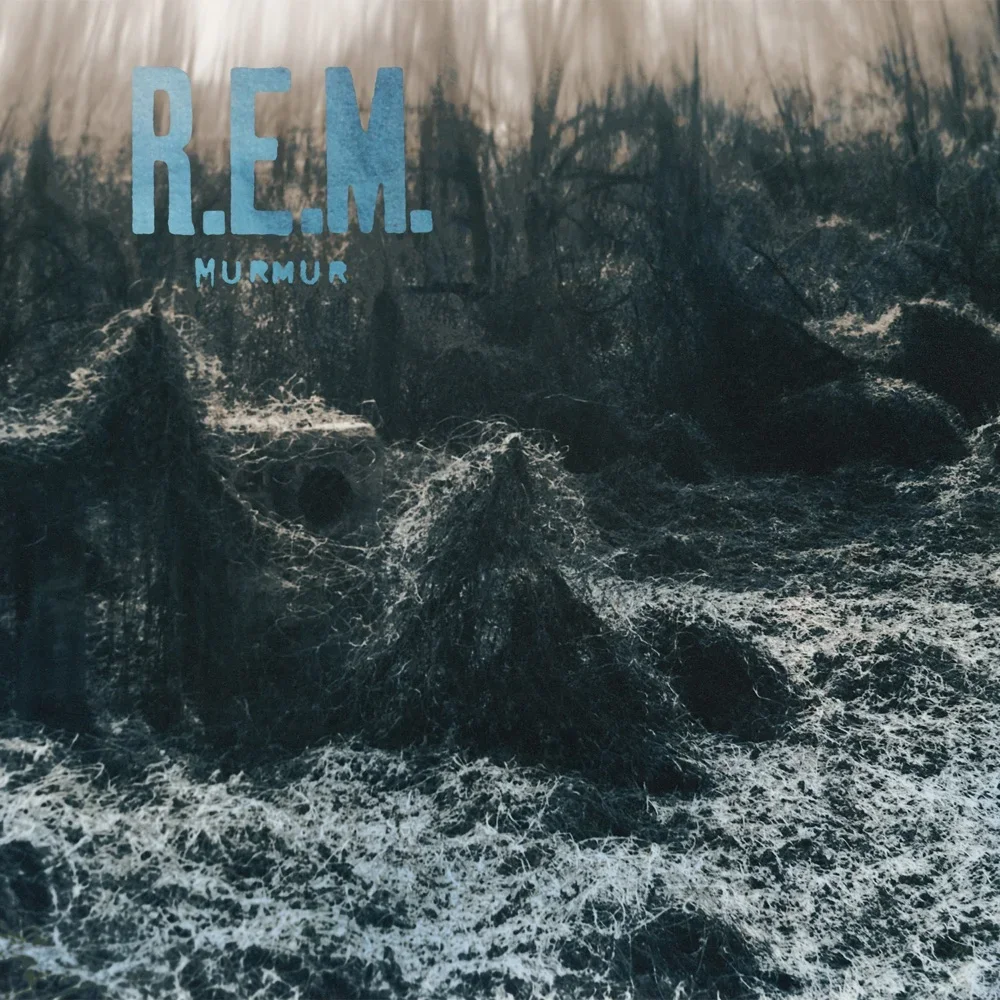
A hazy, jangly debut built on Peter Buck's ringing guitars and Michael Stipe's murmured, half-hidden lyrics, opening with "Radio Free Europe".

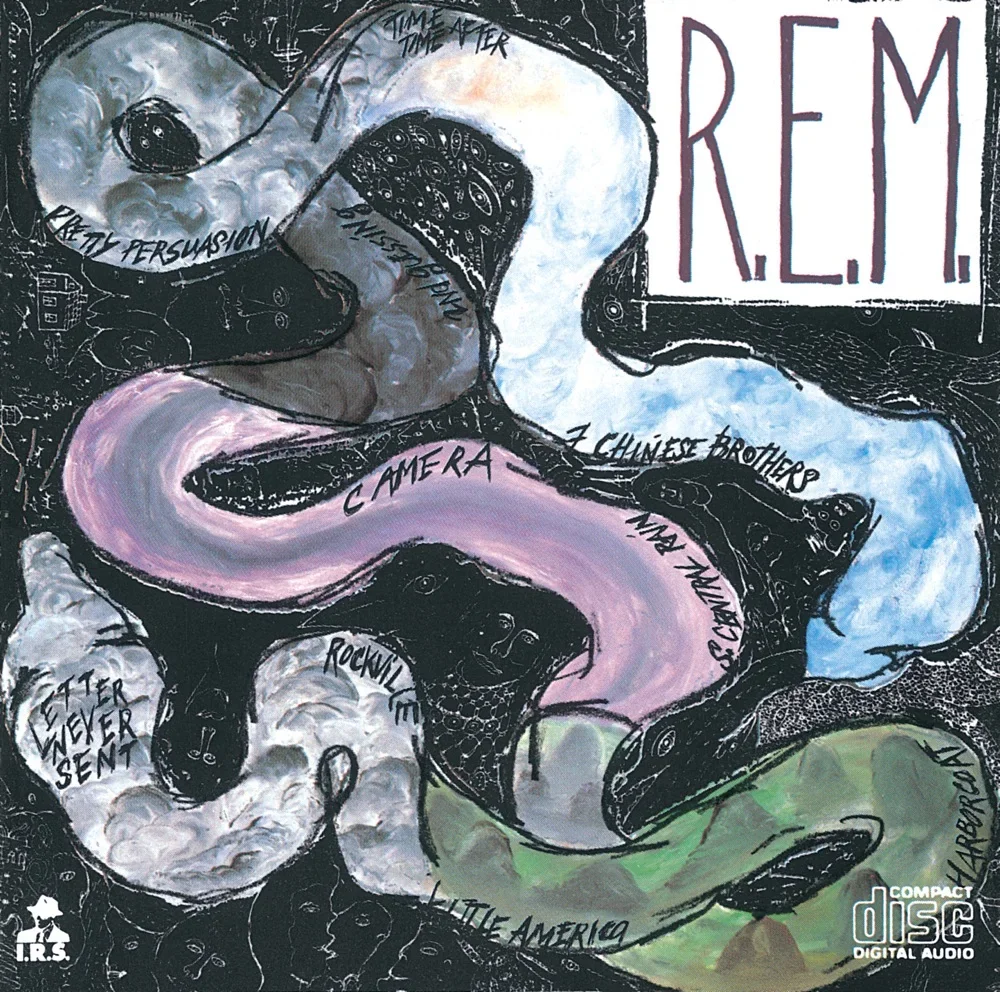
A brighter, more direct second album recorded fast and live in the studio, catching the band's early Southern jangle at its warmest.

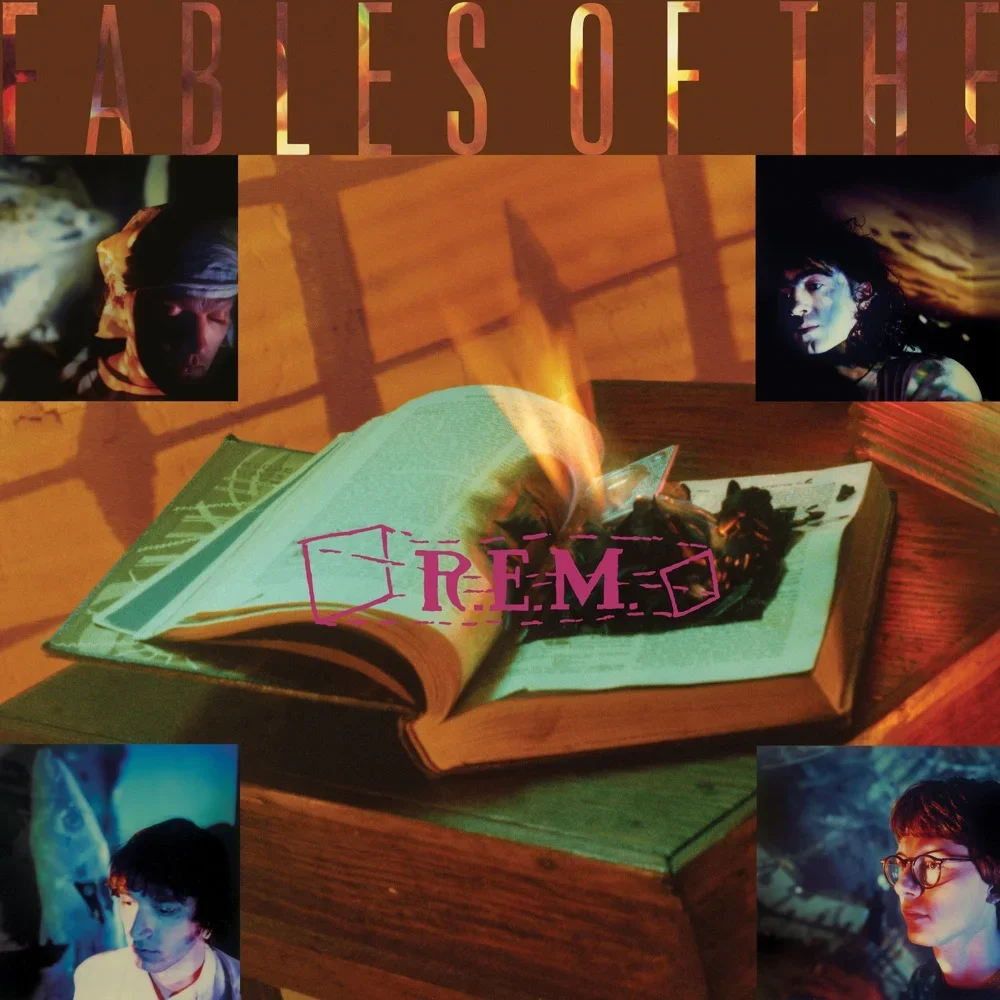
A darker, more brooding record made in London, weaving Southern folklore and character sketches into a murkier sound.

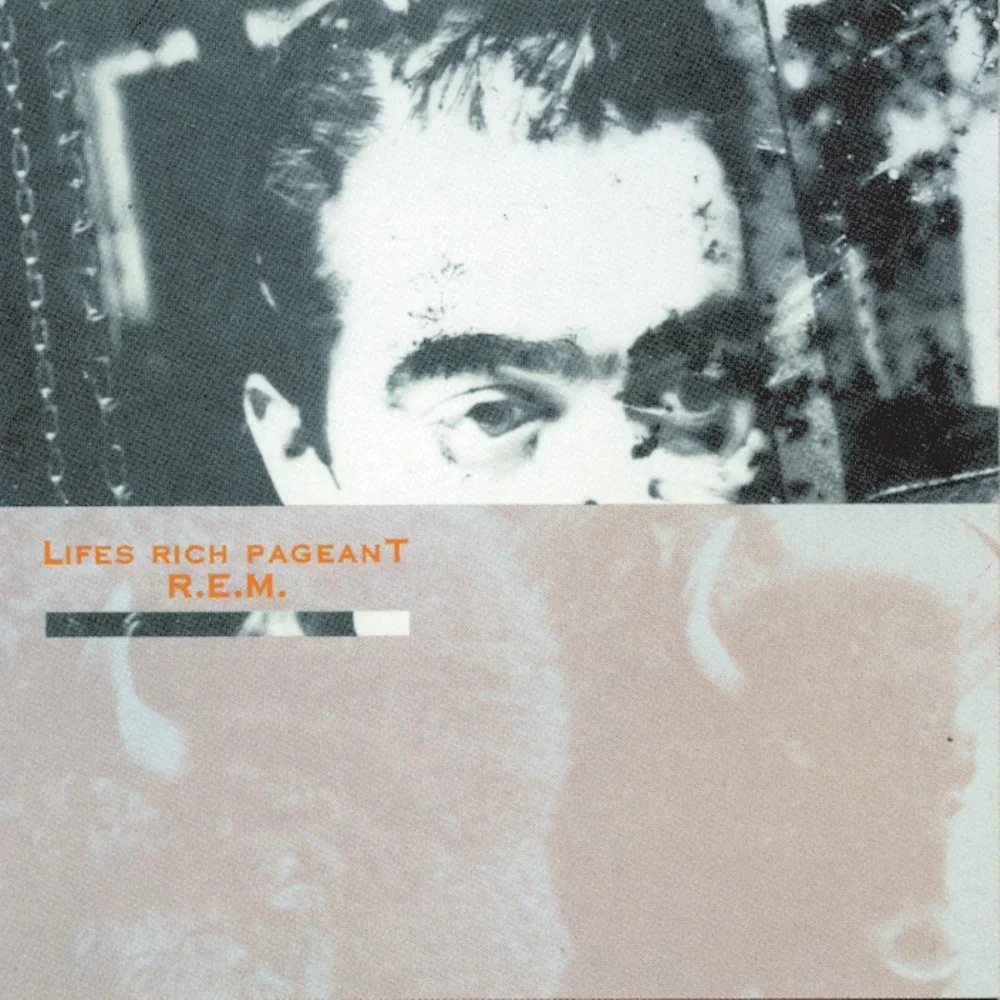
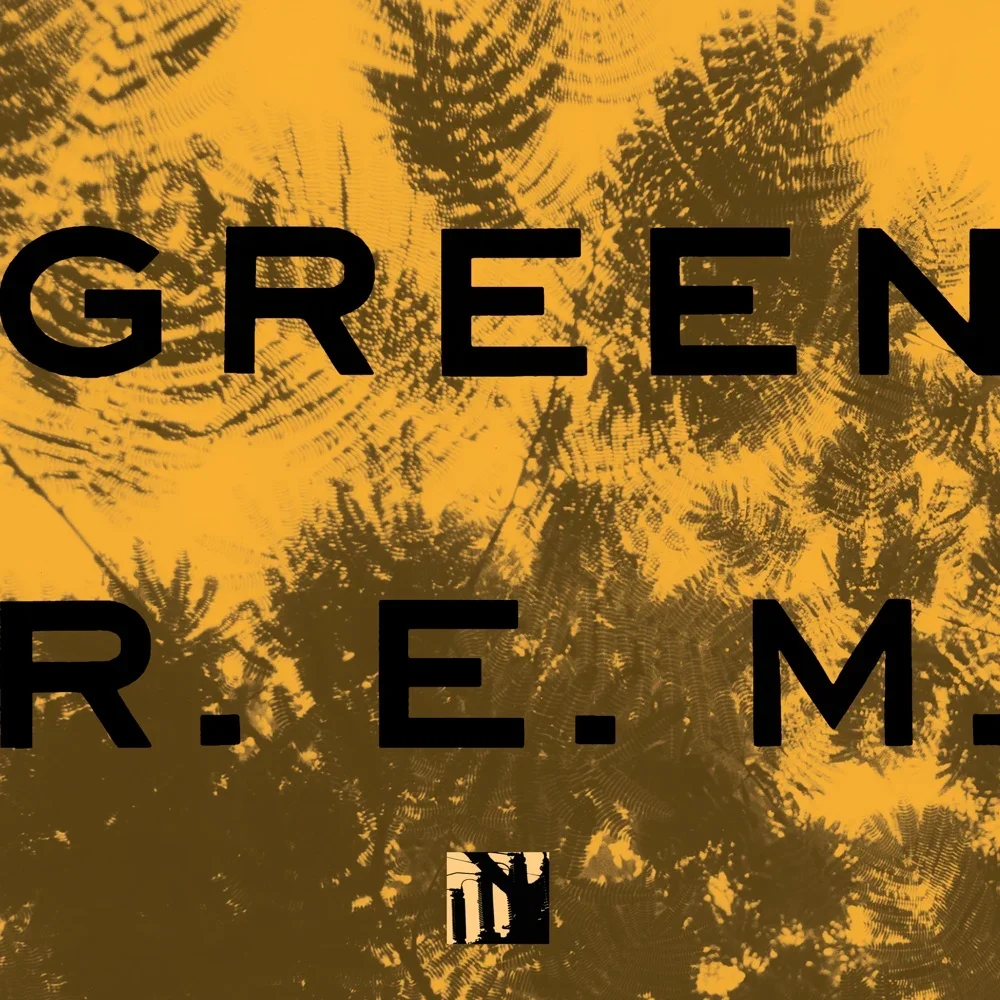
A muscular, cleaner-sounding album that pushed the band toward the mainstream and voiced environmental concern on "Fall on Me".

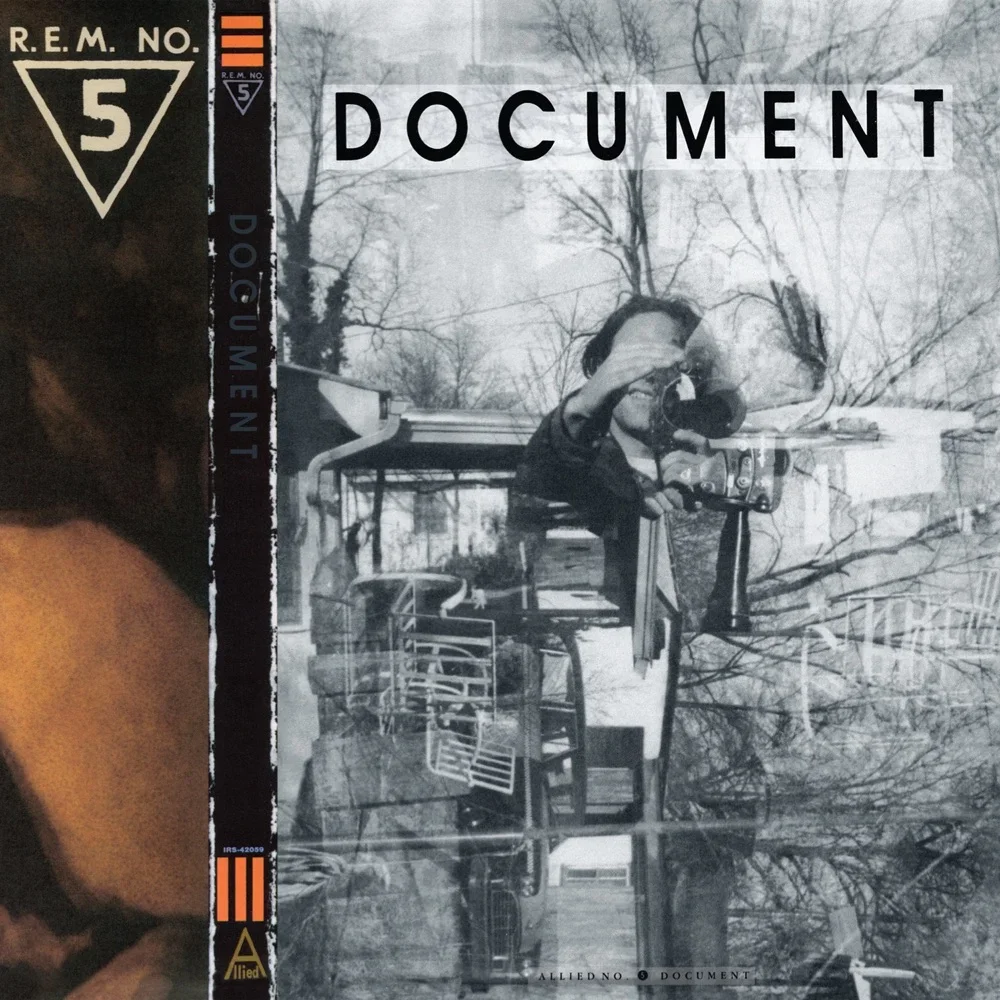
The commercial breakthrough, sharp and politically charged, carrying "The One I Love" and "It's the End of the World as We Know It".

The first album for a major label, stretching from jangly pop to experiments with mandolin, foreshadowing the next era with "Orange Crush".

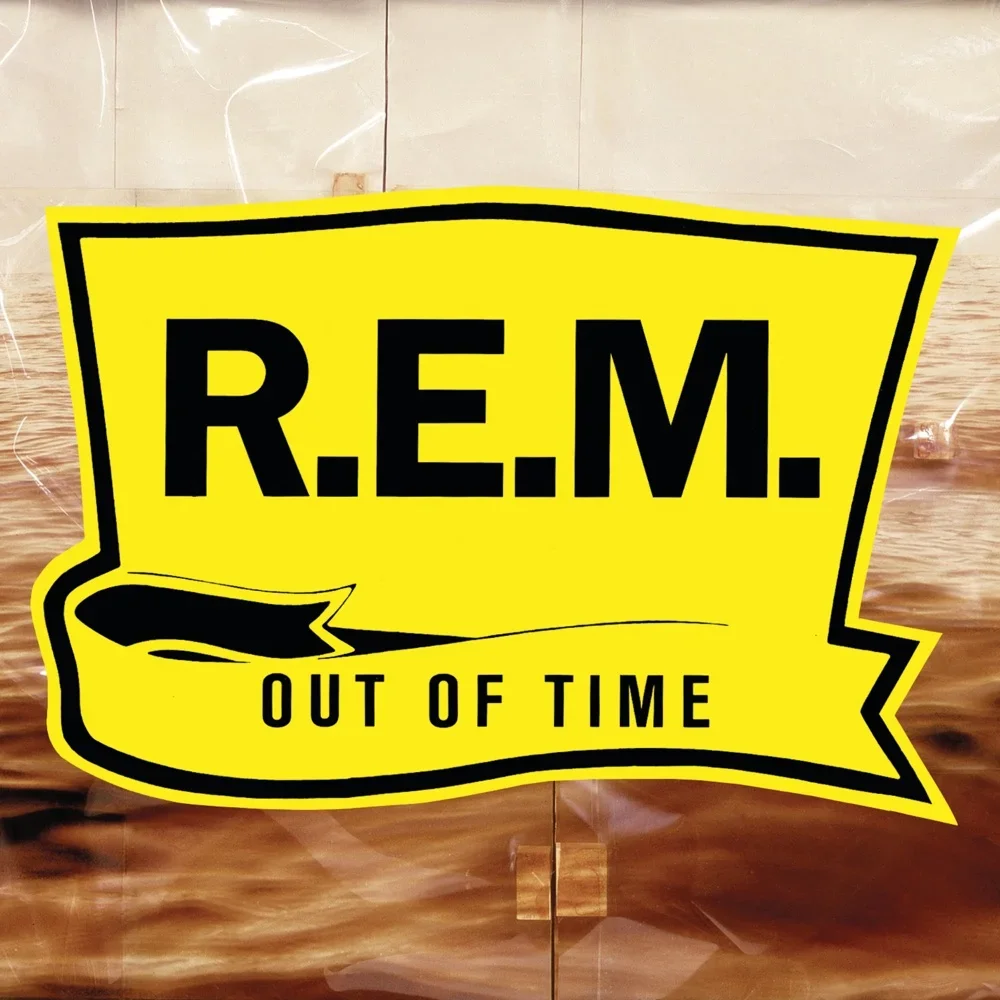
The album that made them global stars, blending strings, mandolin and guest voices around the hits "Losing My Religion" and "Shiny Happy People".

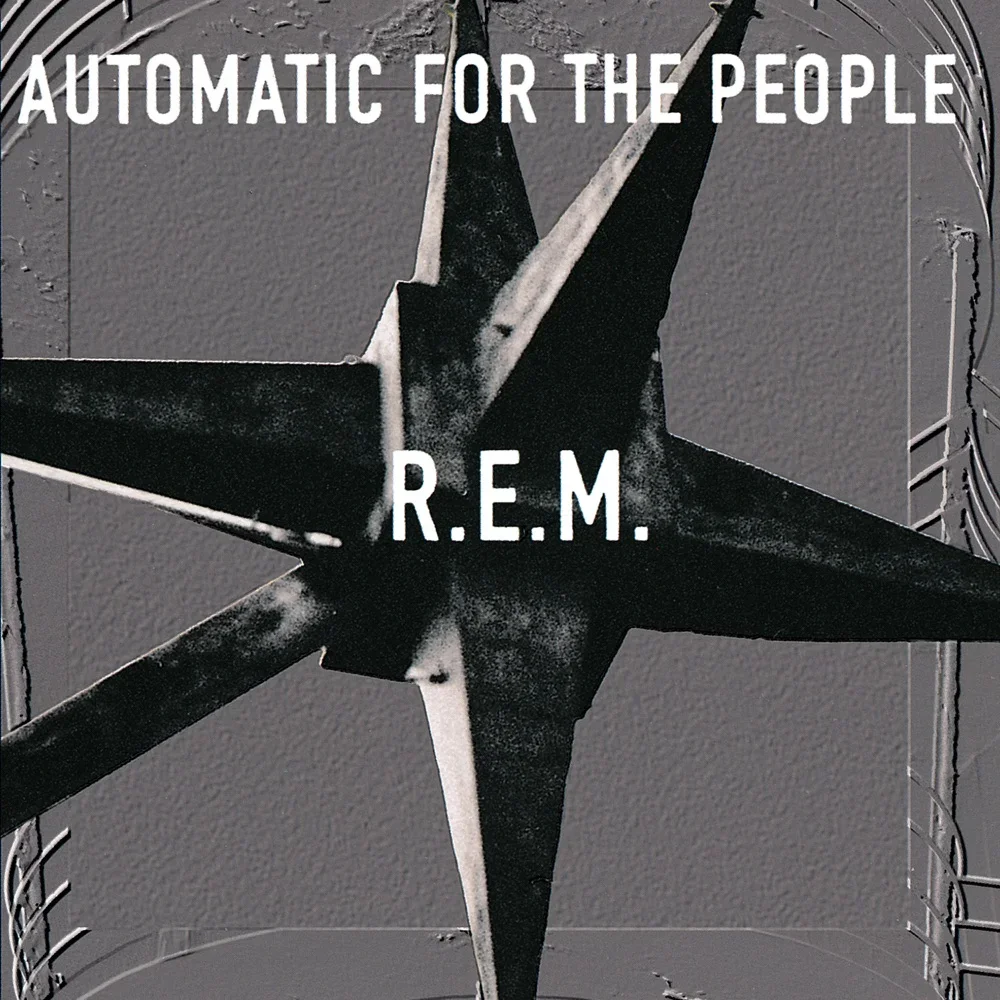
A hushed, melancholy masterpiece on memory, loss and mortality, home to "Everybody Hurts", "Nightswimming" and "Man on the Moon".

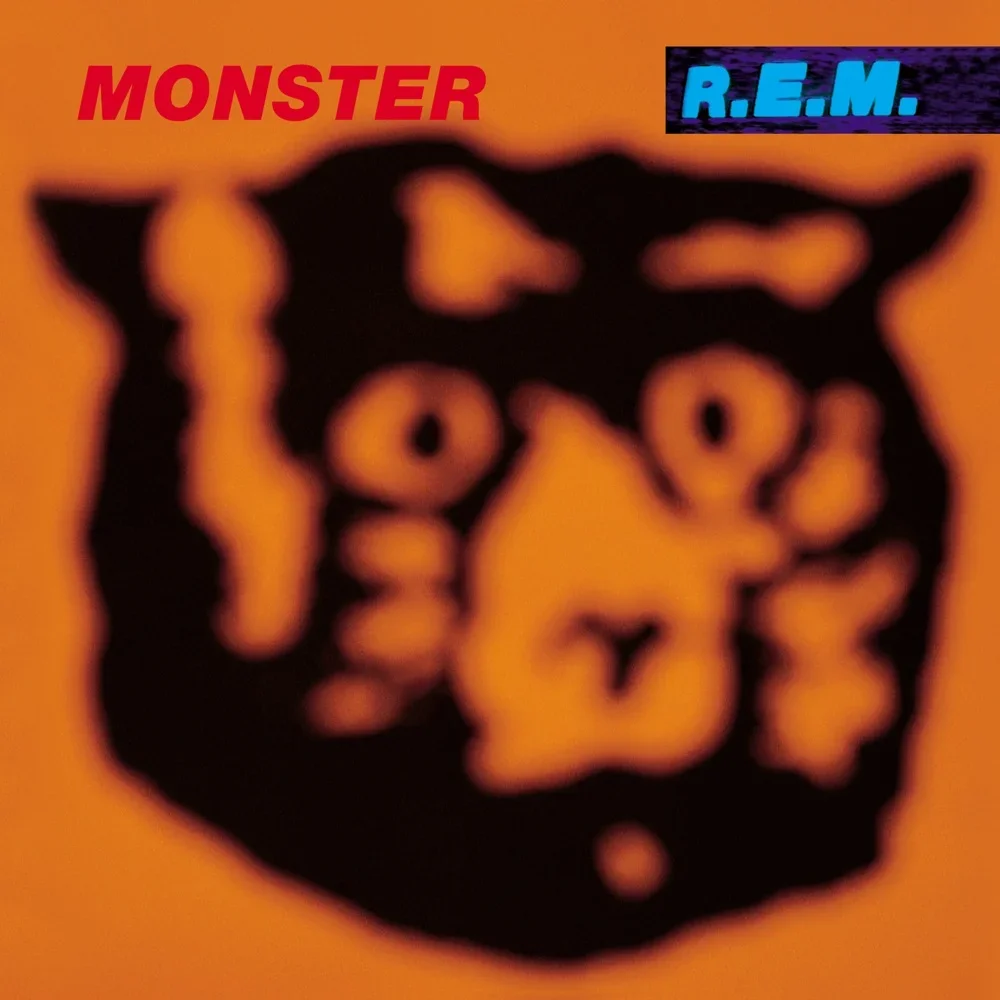
A loud swerve into fuzzed-out glam and tremolo guitars, a deliberate rock record led by the single "What's the Frequency, Kenneth?".

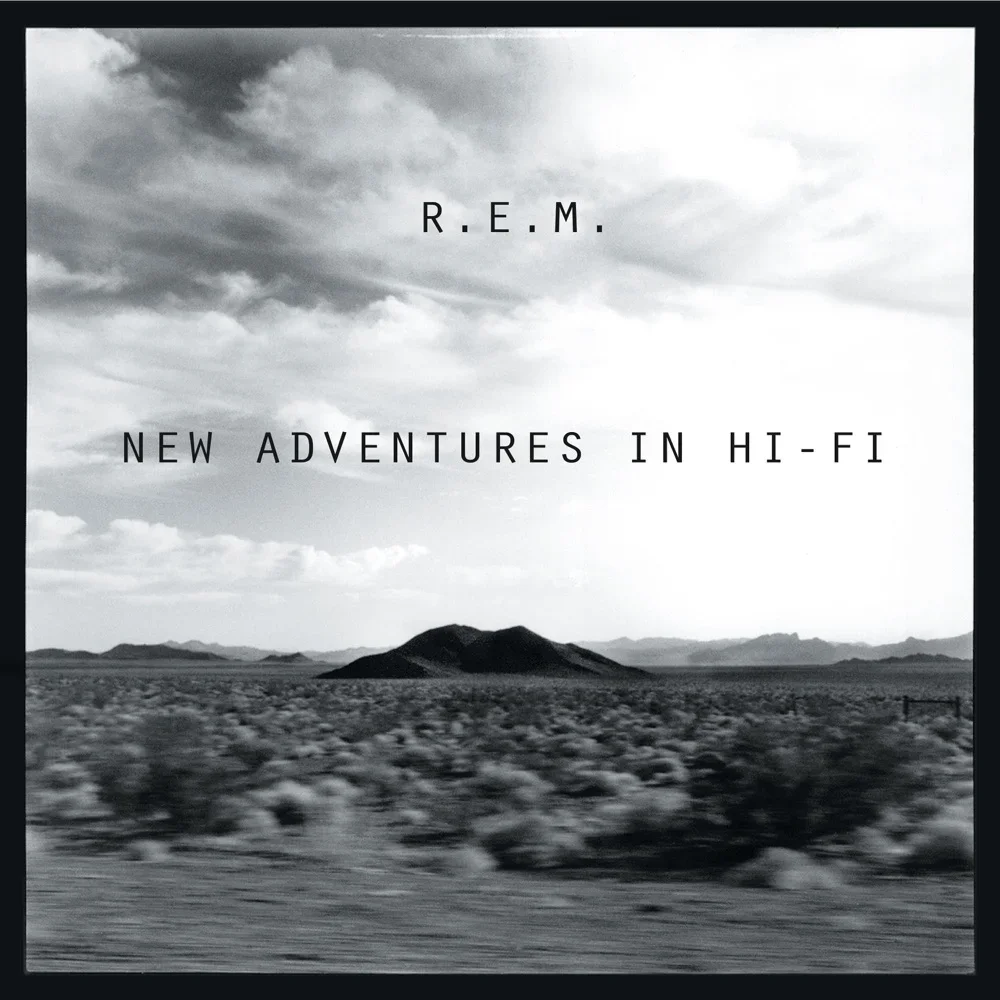
A sprawling album largely recorded on the road during the Monster tour, mixing raw live energy with widescreen studio pieces.

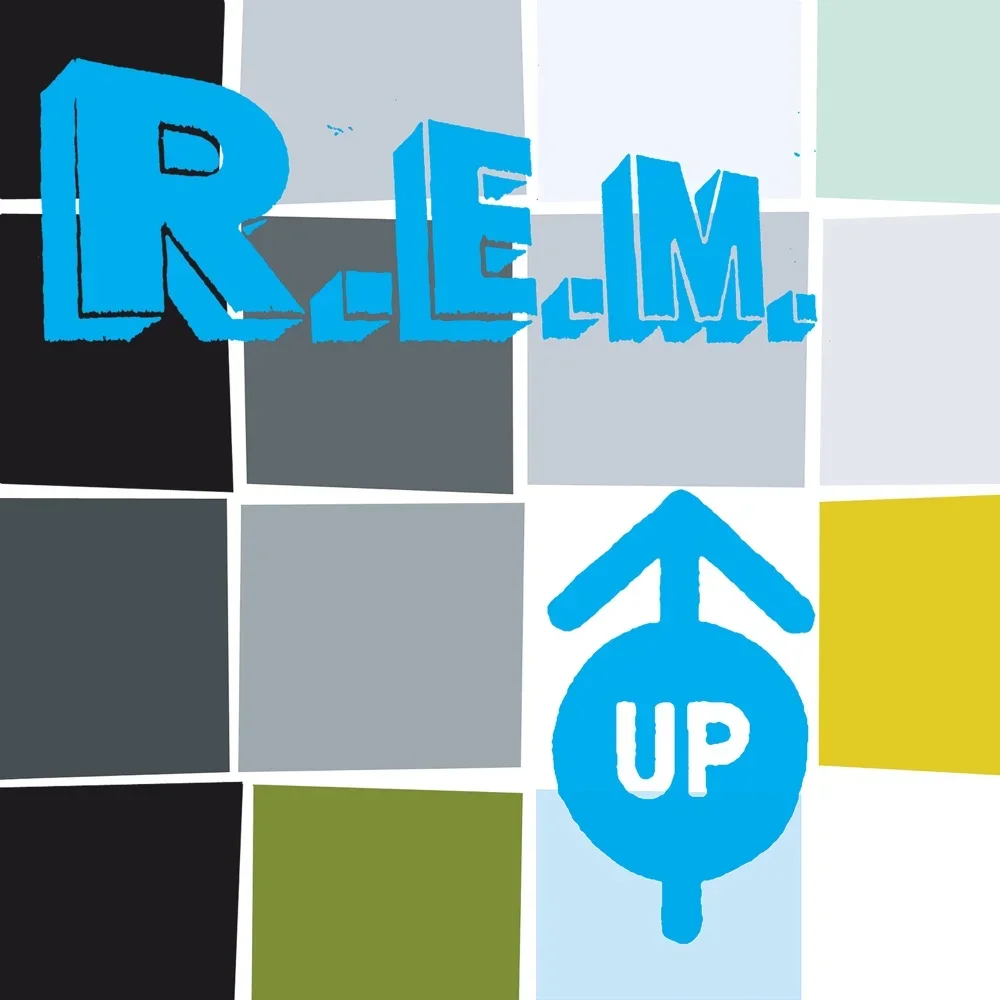
The first album after drummer Bill Berry left, turning toward electronics, drum machines and quieter textures on "Daysleeper".

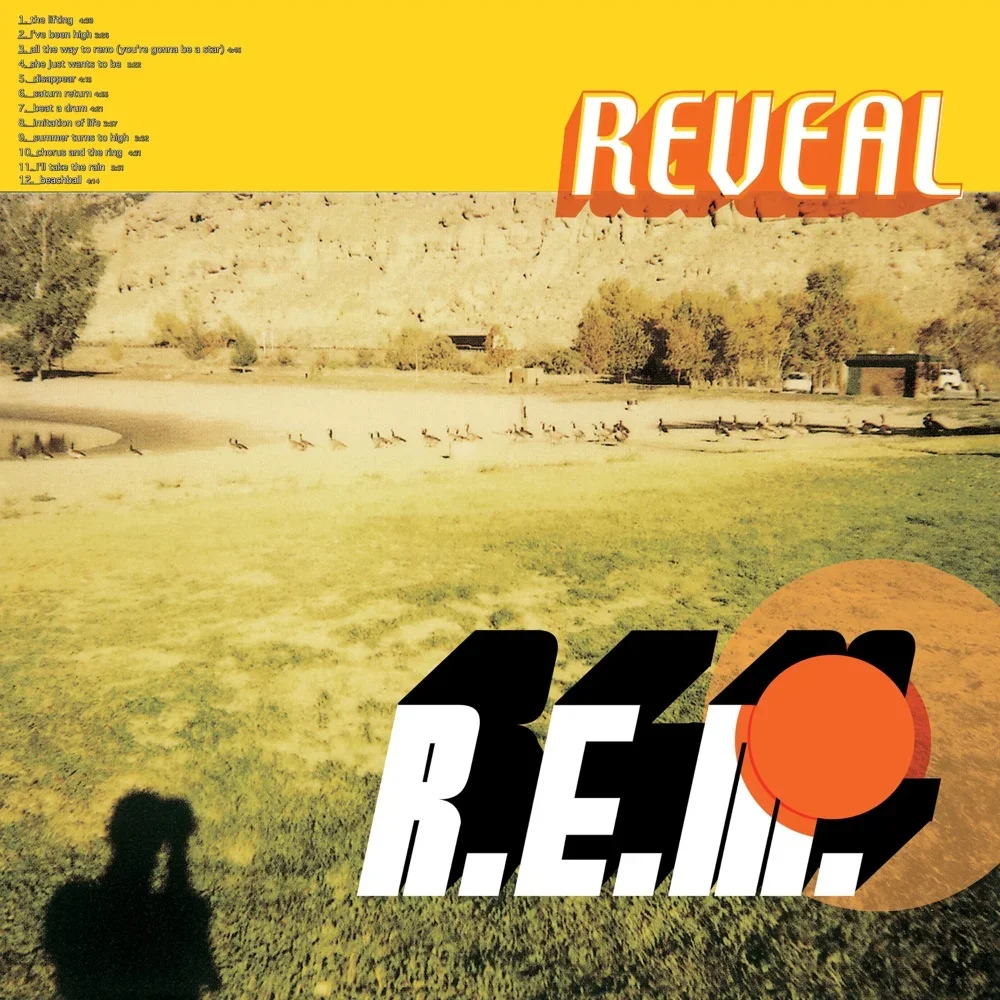
A warm, summery record full of lush arrangements and Brian Wilson-tinged melody, anchored by the single "Imitation of Life".

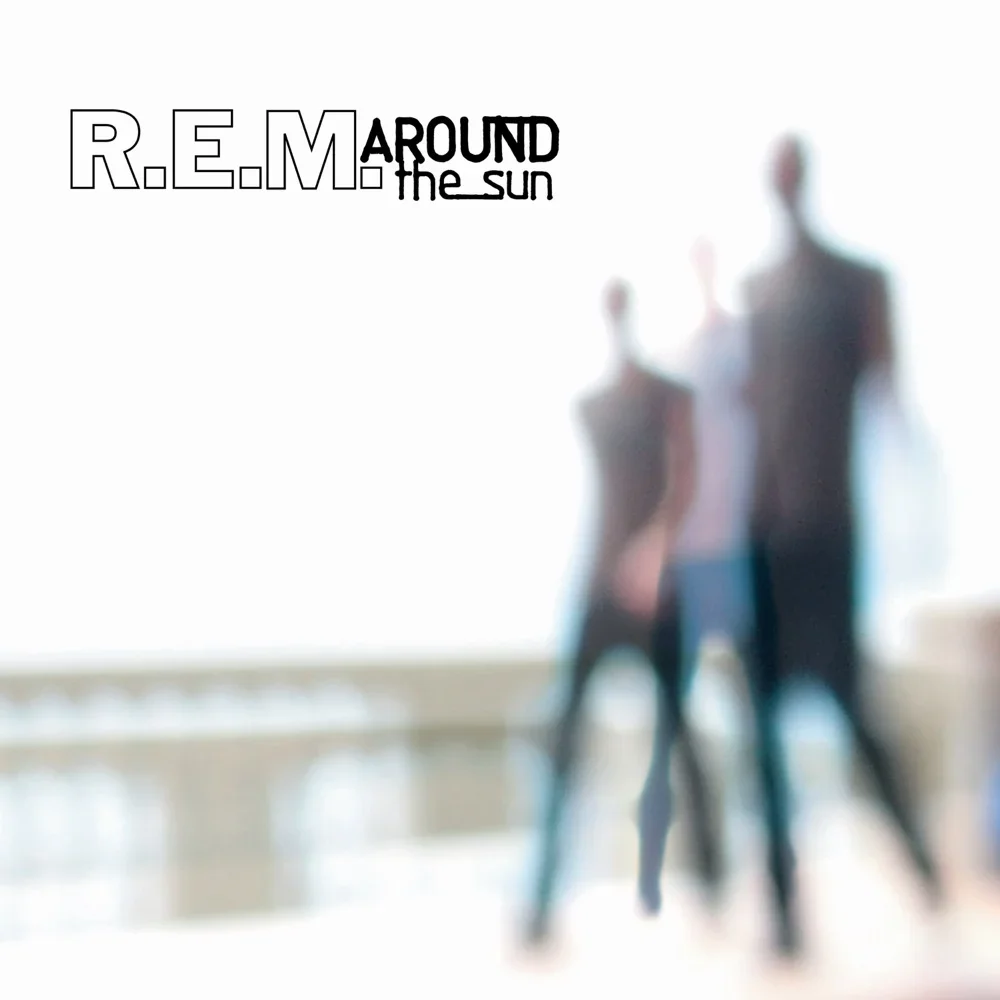
A subdued, mid-tempo album often seen as the band's quietest, its polished calm later regarded by the members themselves as a low point.

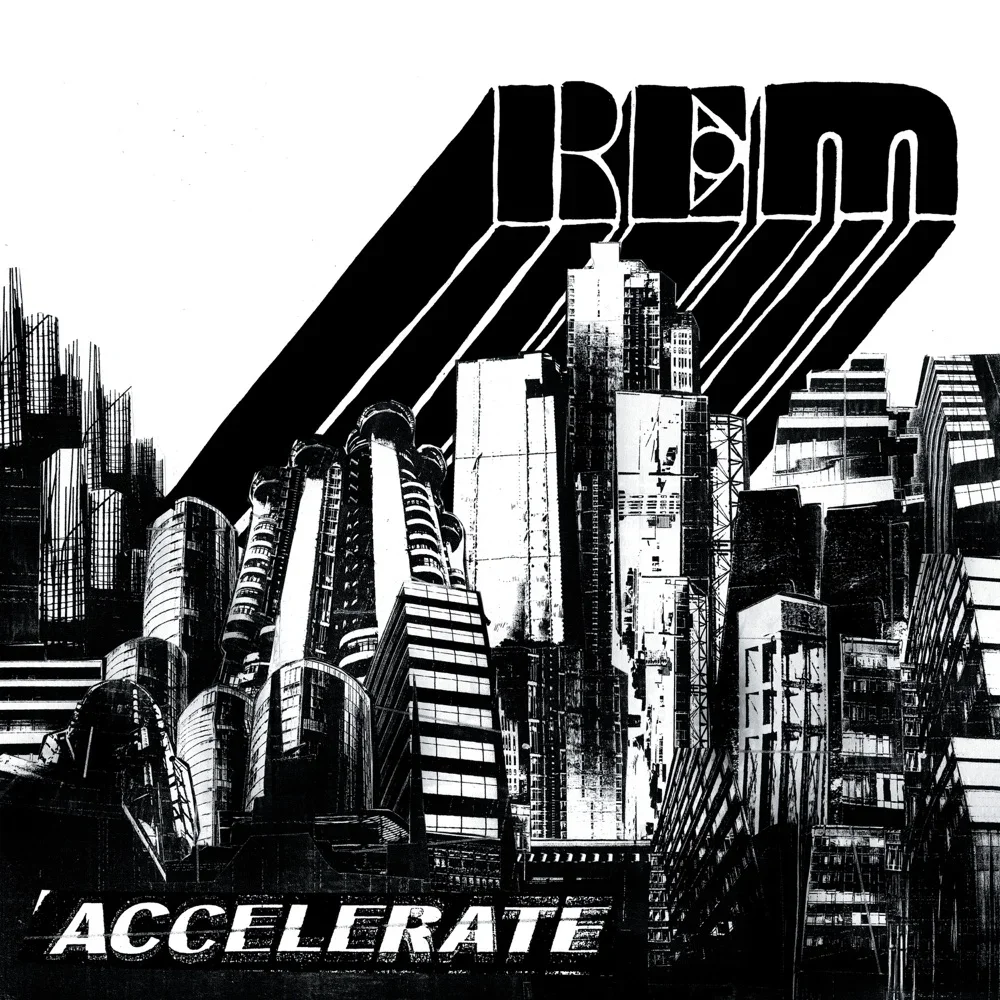
A short, urgent return to loud guitars and tight songs, widely heard as a comeback to form, led by "Supernatural Superserious".

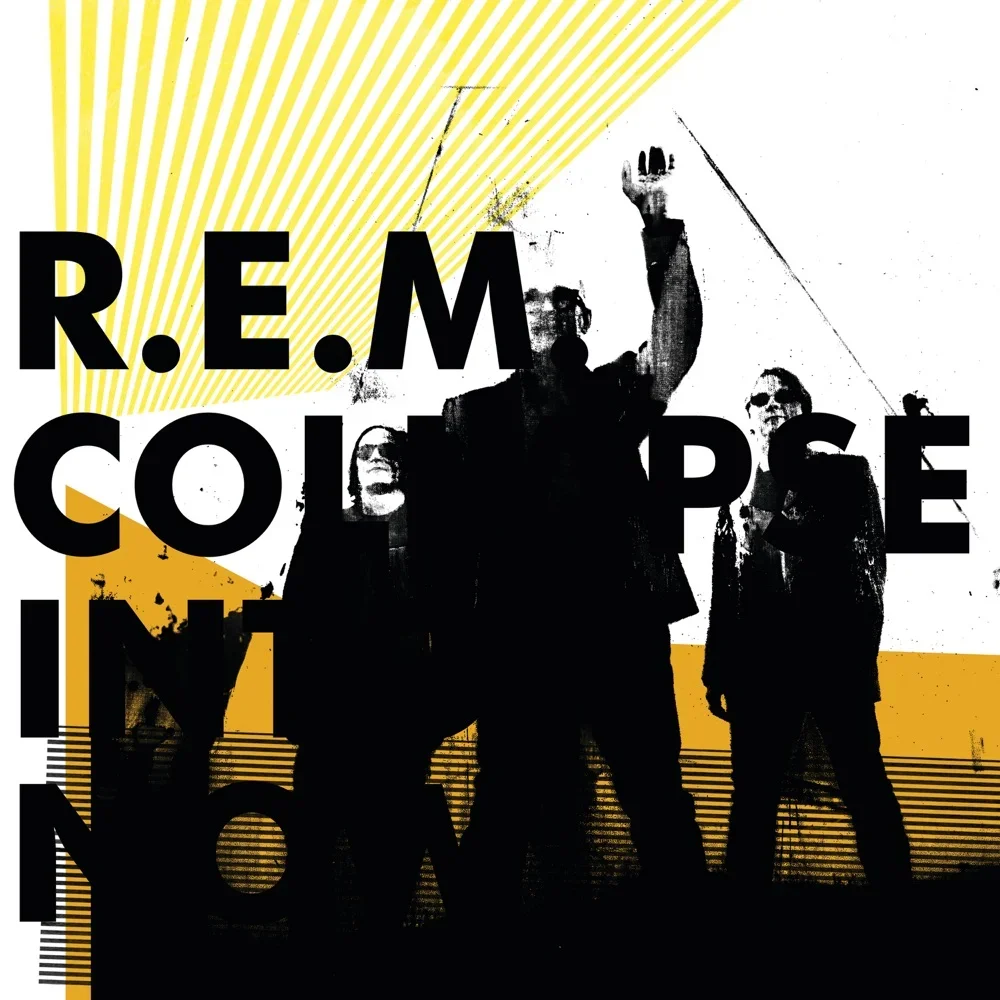
The final studio album, spanning the band's loud and reflective sides one last time before they disbanded later that year.