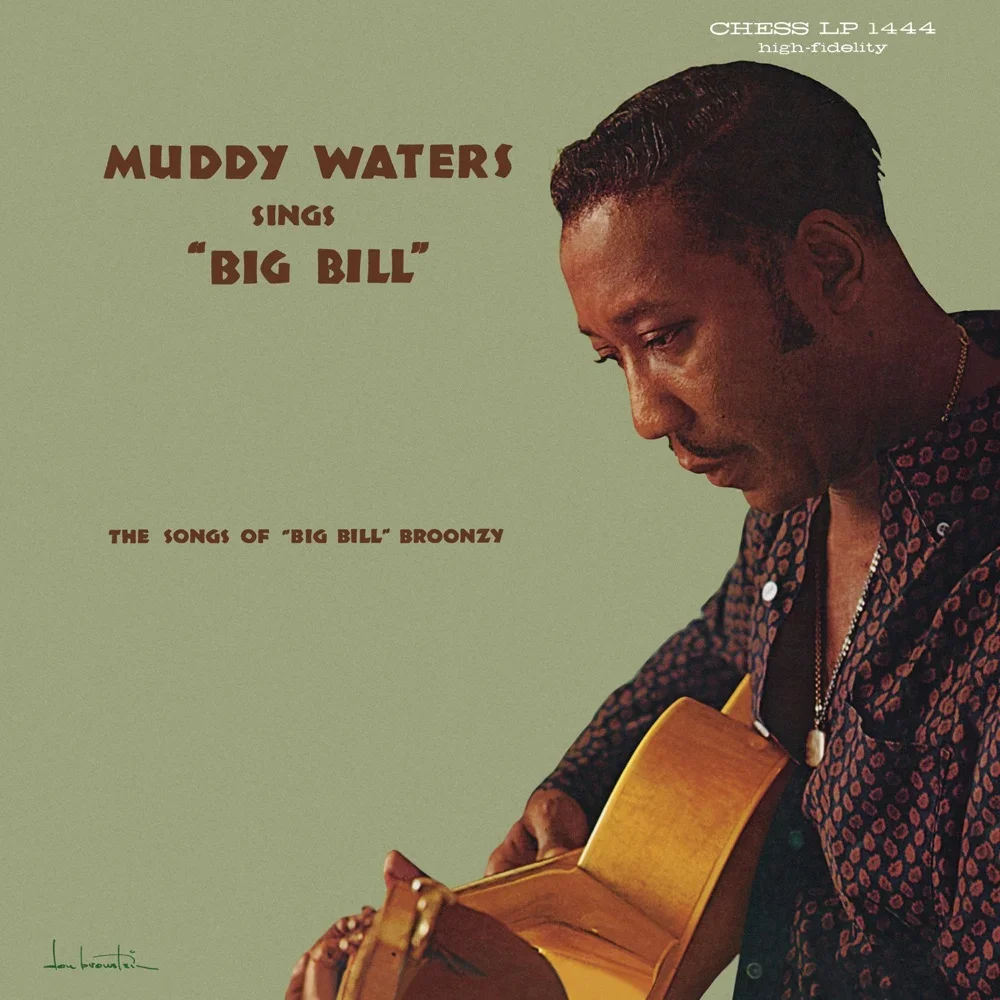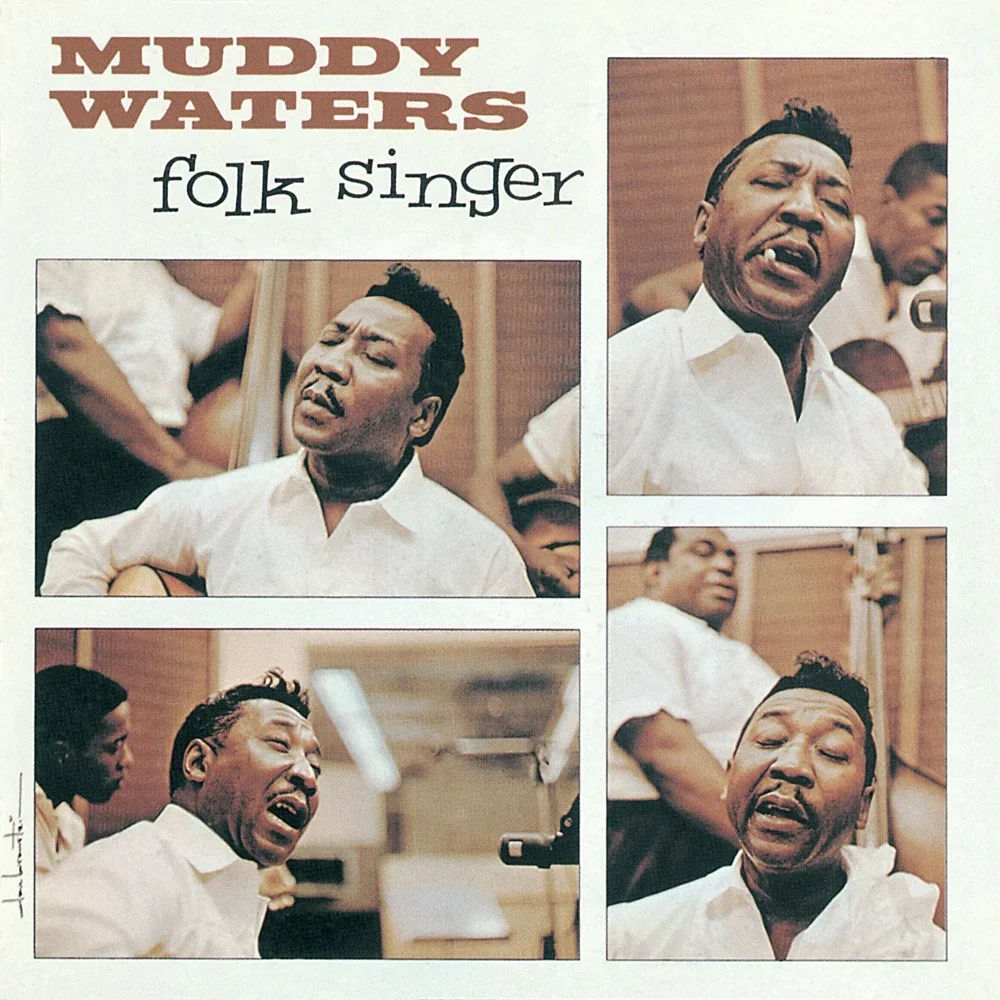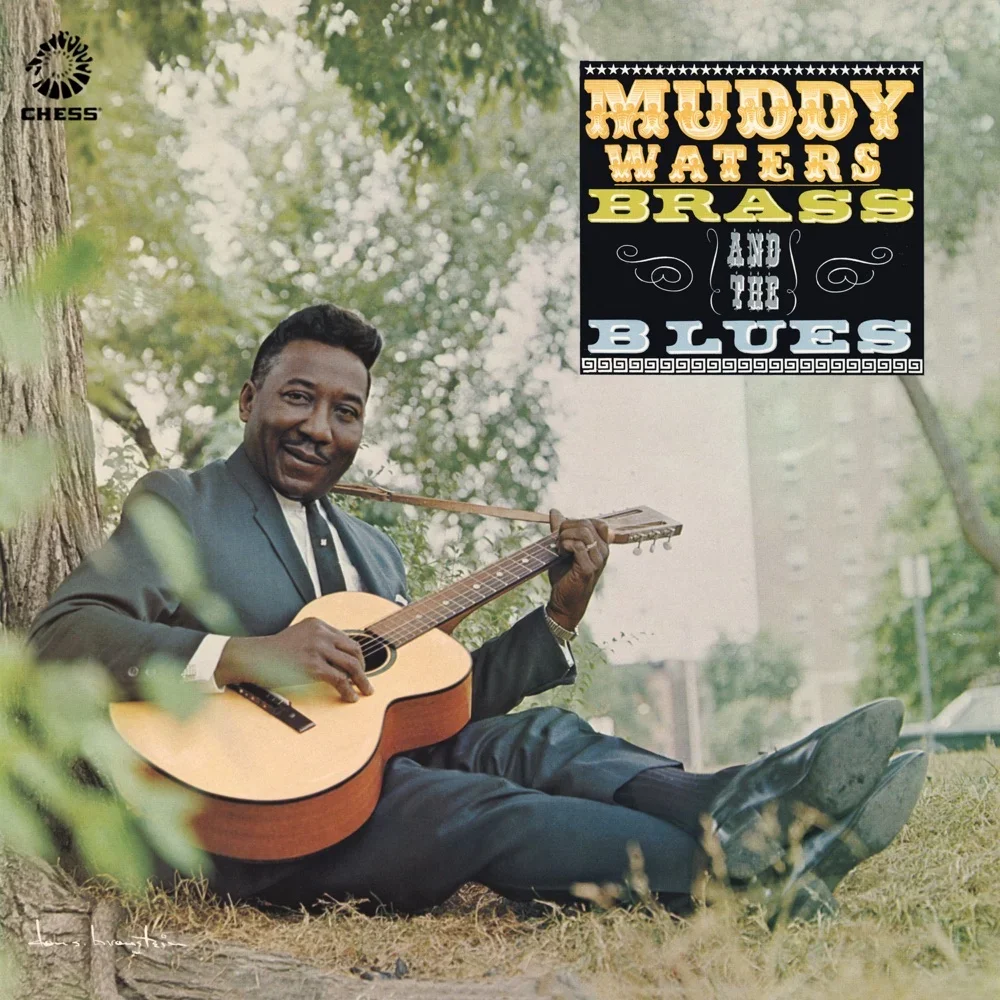
A tribute to fellow bluesman Big Bill Broonzy, recorded soon after his death. Waters and his band read the older folk-blues repertoire in a full electric setting.

An all-acoustic album made during the folk revival, with a young Buddy Guy on guitar. Stripped-back and intimate, it is now regarded as one of his finest records.

A Chess experiment that dressed Waters's blues in brass and horn arrangements. A polished, slightly unusual detour from his raw electric sound.

A psychedelic-rock reworking of his songs aimed at the late-sixties rock audience. Divisive on release, it has since gained a devoted cult following.

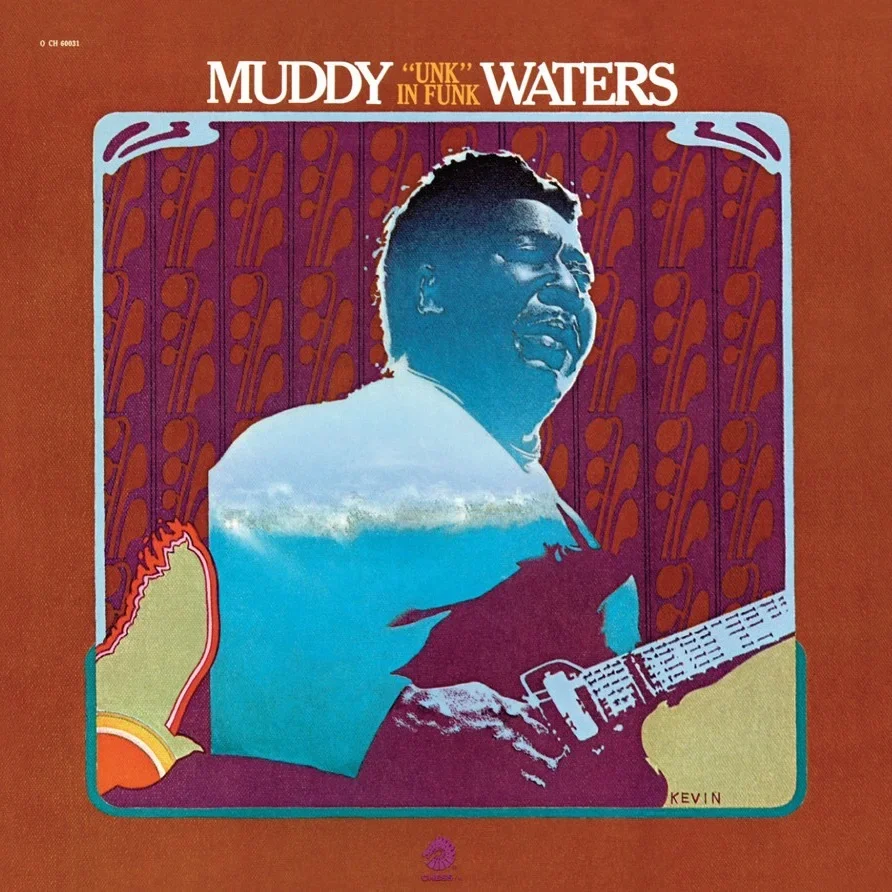
A follow-up in the same electric, rock-tinged vein as Electric Mud, with a heavier guitar backing. A transitional record of his late Chess years.

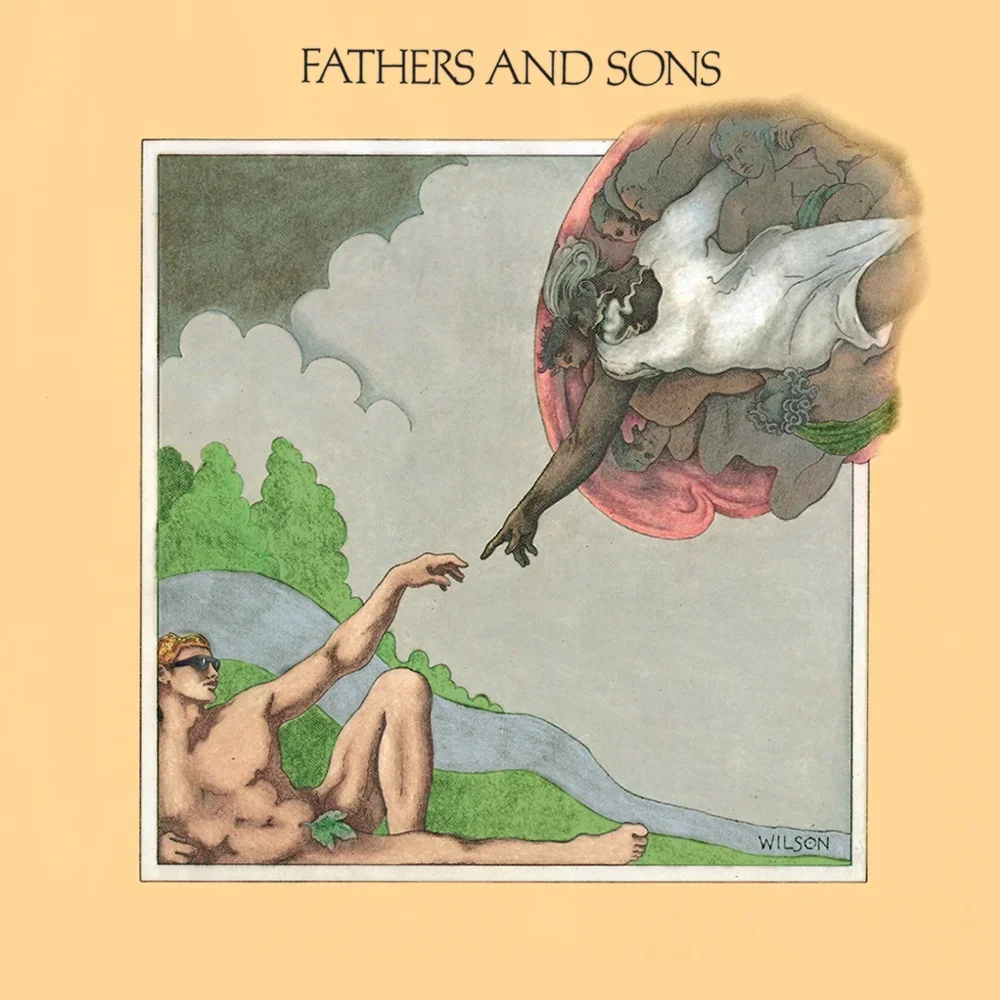
A meeting of generations with young admirers Mike Bloomfield and Paul Butterfield, plus longtime pianist Otis Spann. Widely praised as a return to form.

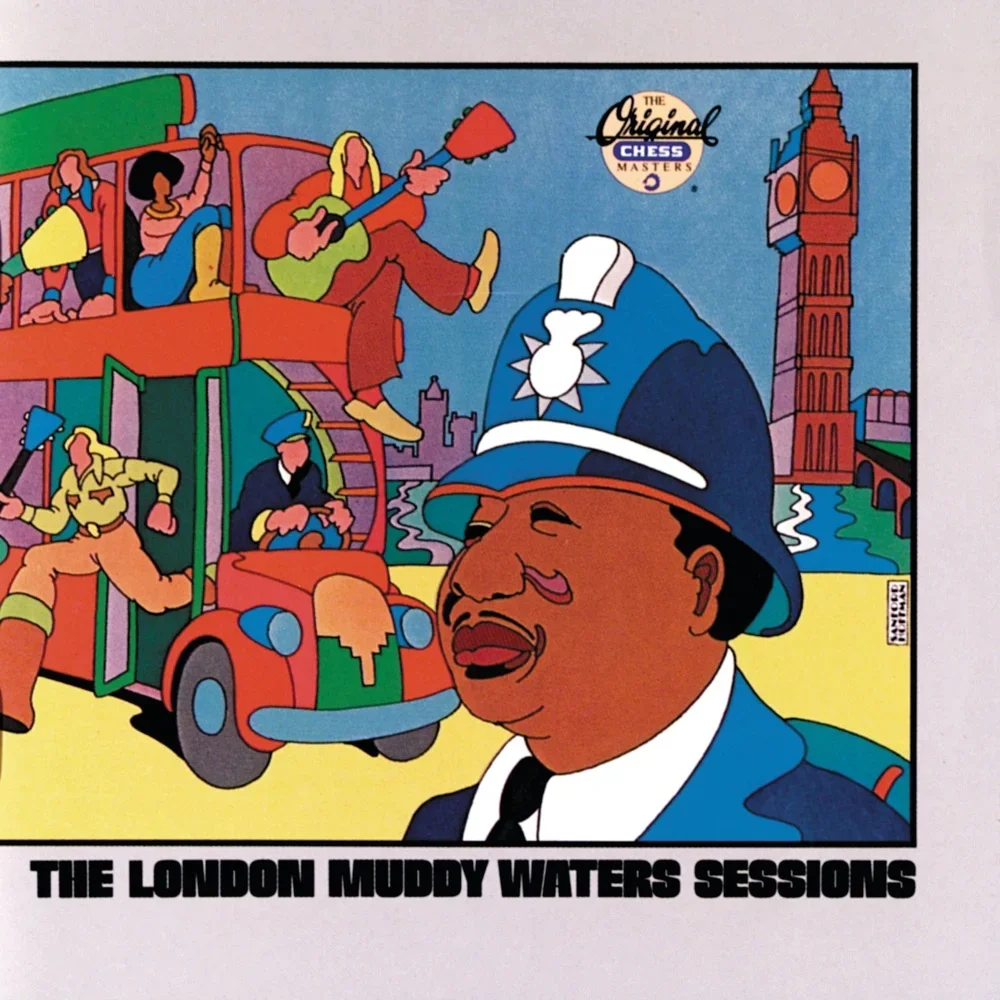
Recorded in London with British rock musicians including Rory Gallagher, Steve Winwood and Mitch Mitchell. It won a Grammy for best ethnic or traditional recording.

A return to hard, traditional Chicago blues after the rock experiments. Tight band playing and vintage-styled material.

One of his last albums for Chess, keeping to the classic Chicago blues sound. A solid late-period studio set.

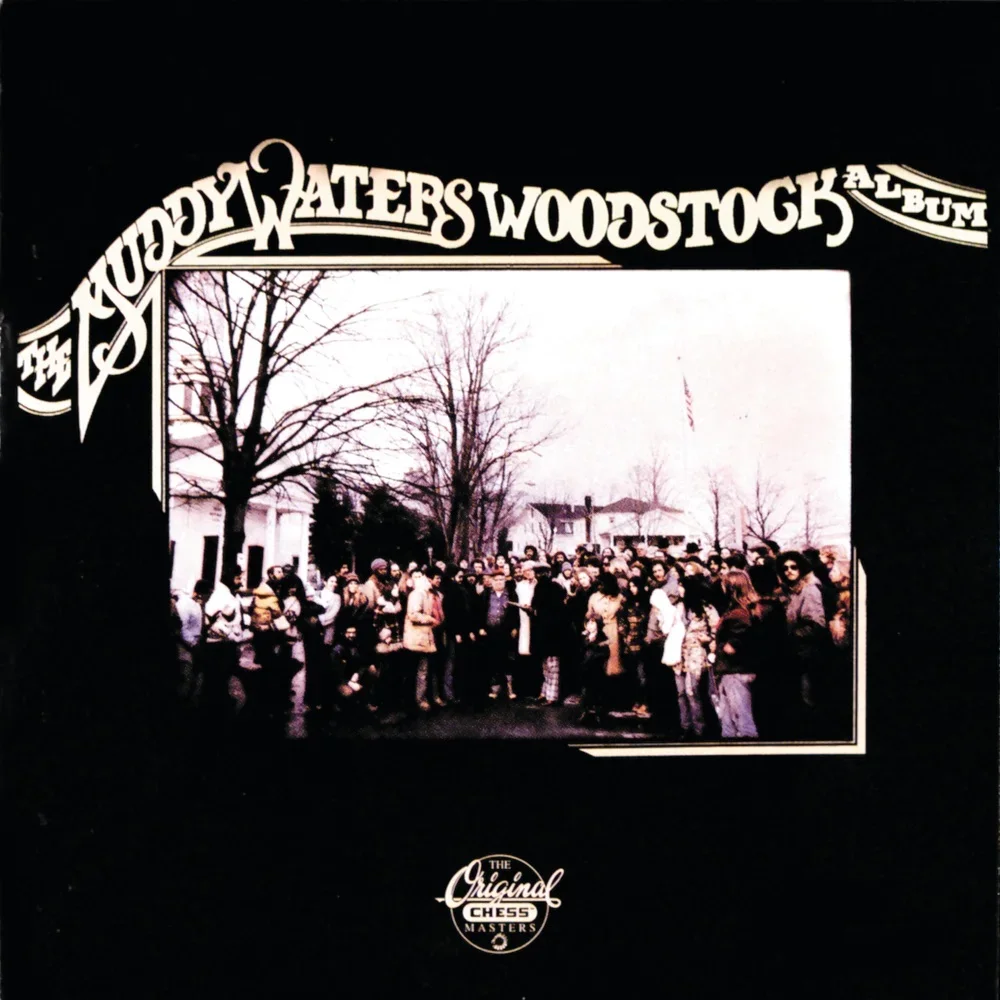
His final Chess album, cut in Woodstock with Levon Helm and Garth Hudson of The Band. It earned him another Grammy.

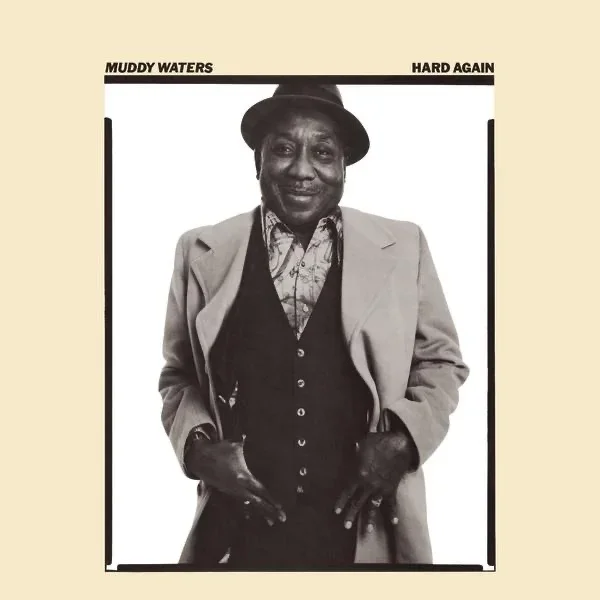
A ferocious comeback produced by Johnny Winter for Blue Sky, with a fresh remake of "Mannish Boy". Its raw energy revived his career and won a Grammy.

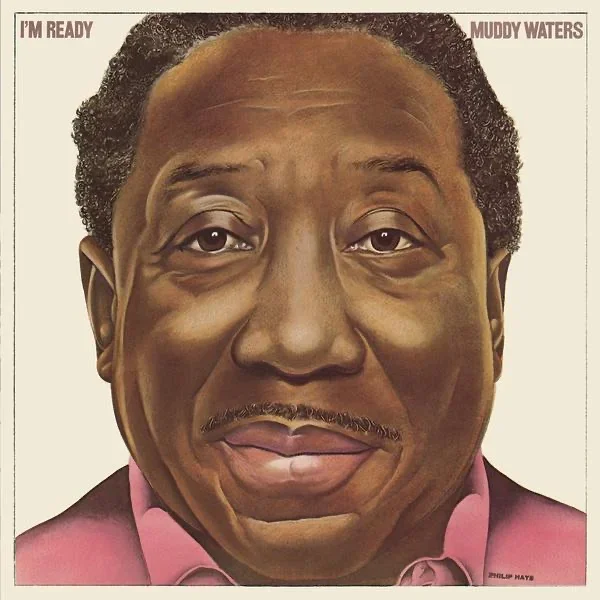
The second Johnny Winter-produced album, reuniting Waters with old bandmates like Jimmy Rogers and Walter Horton. Another Grammy-winning late triumph.

His final studio album, once more produced by Johnny Winter in the same rootsy blues style. A fitting close to a defining career.