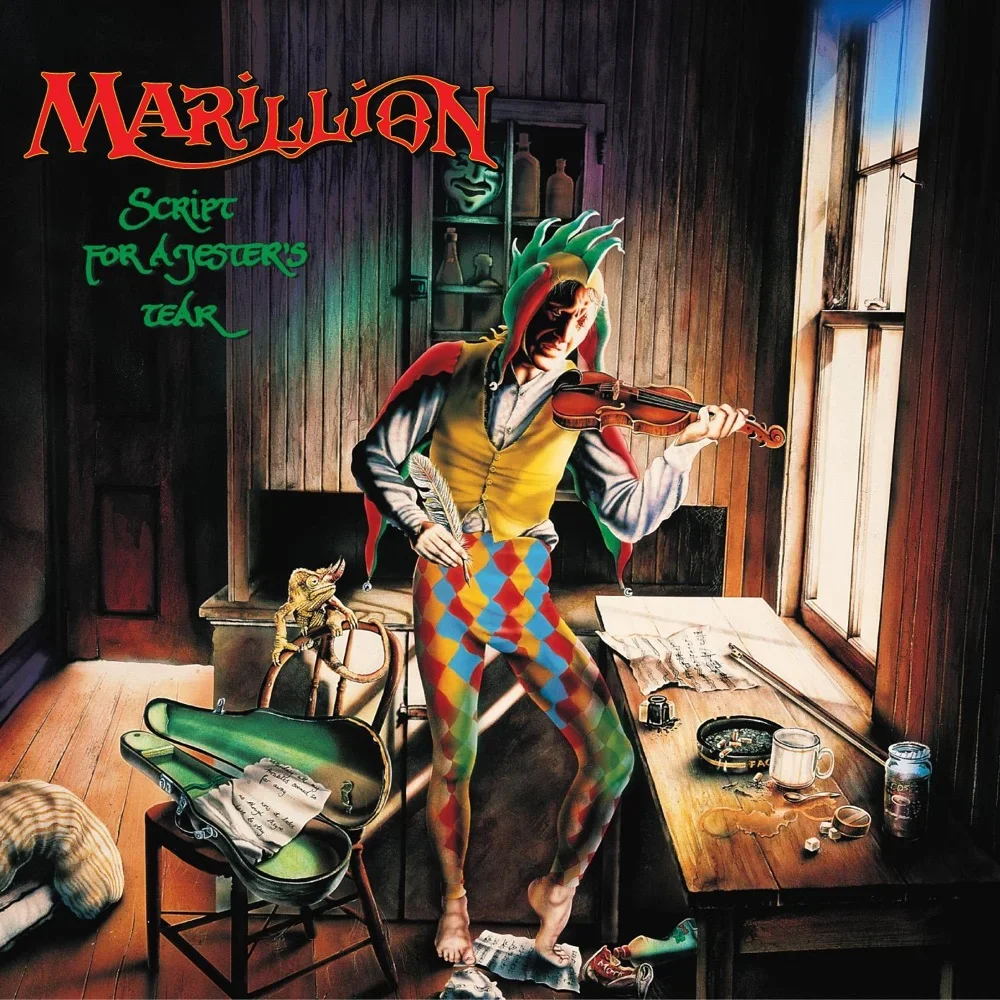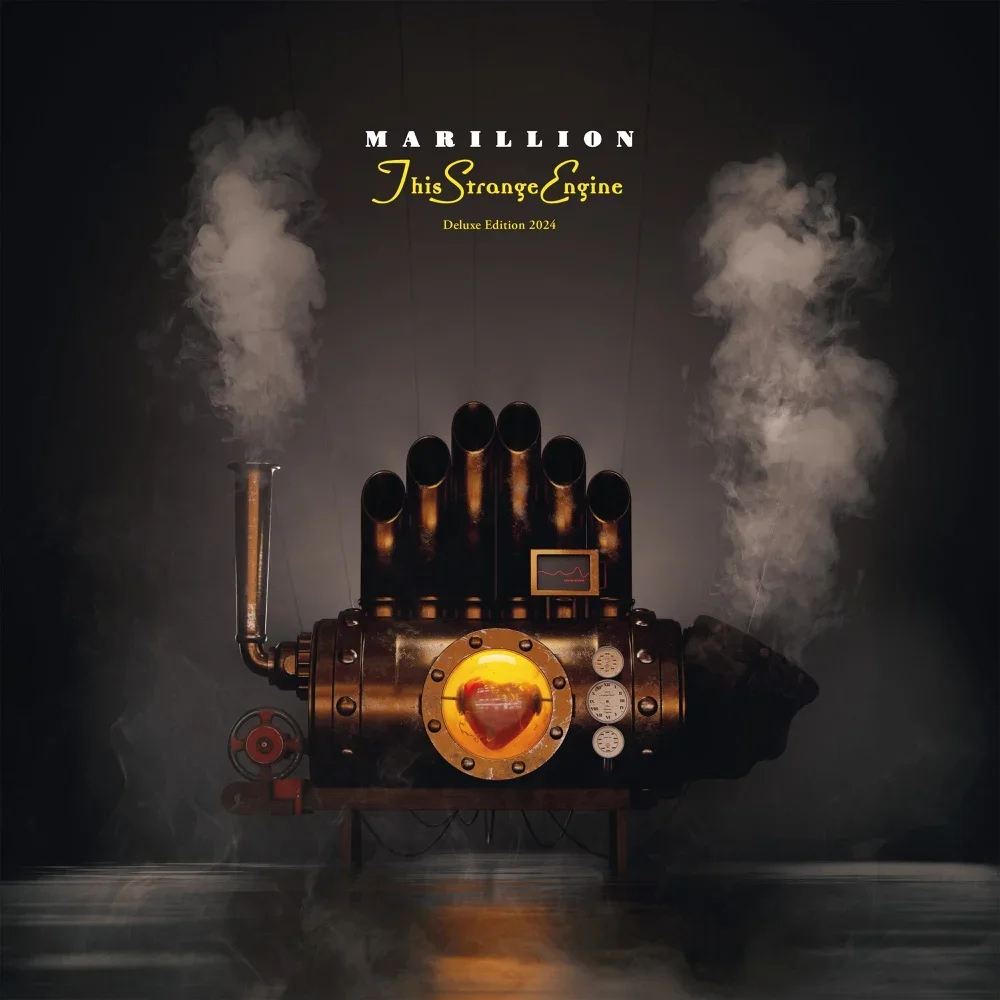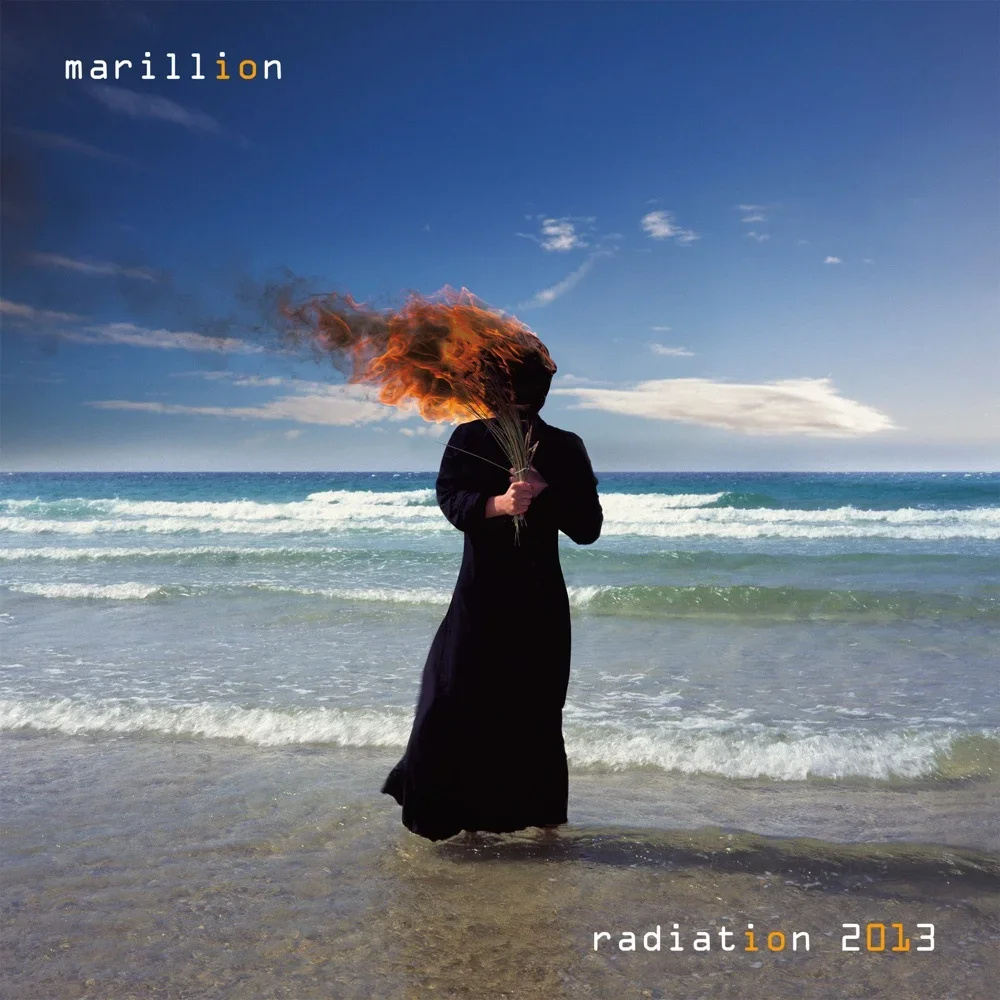
The debut, dense with wordy, theatrical songs and Fish's confessional lyrics, staking out the band's neo-progressive ground.

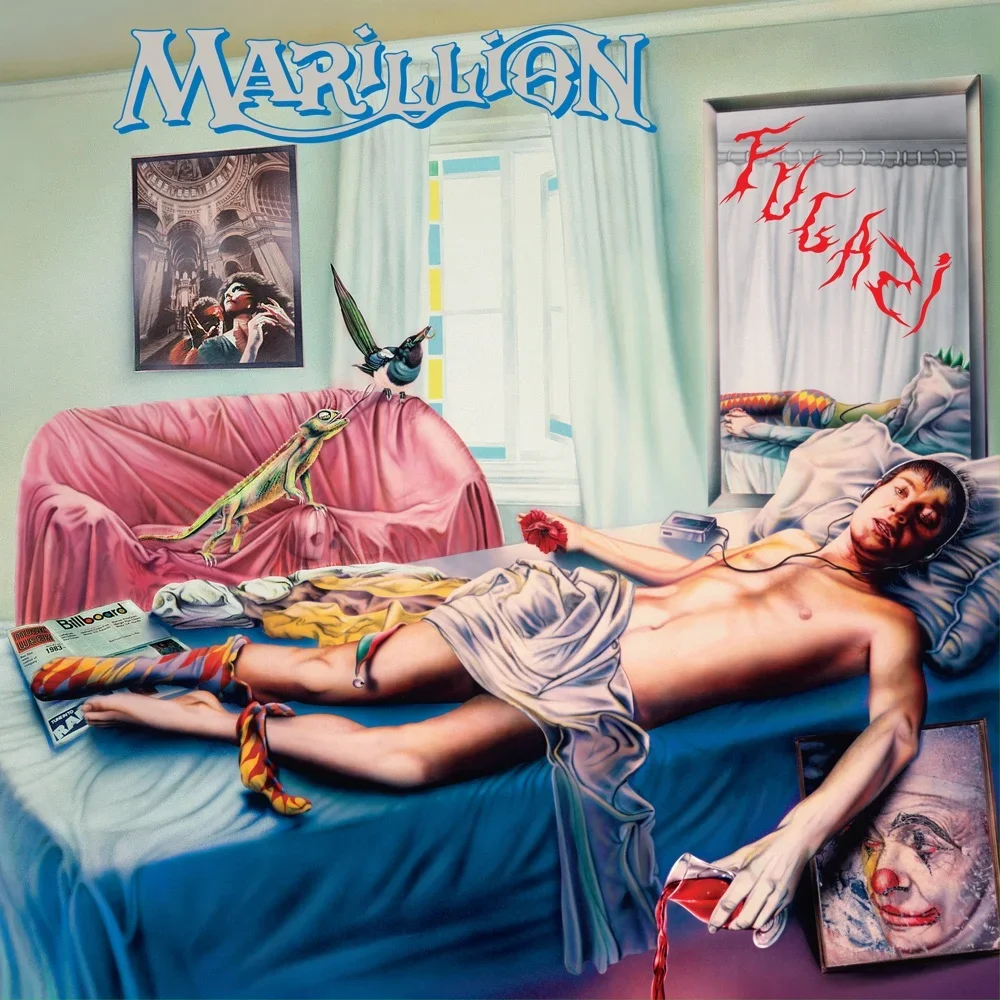
A harder, more troubled second album recorded amid line-up strain, with tighter songs and a darker mood.

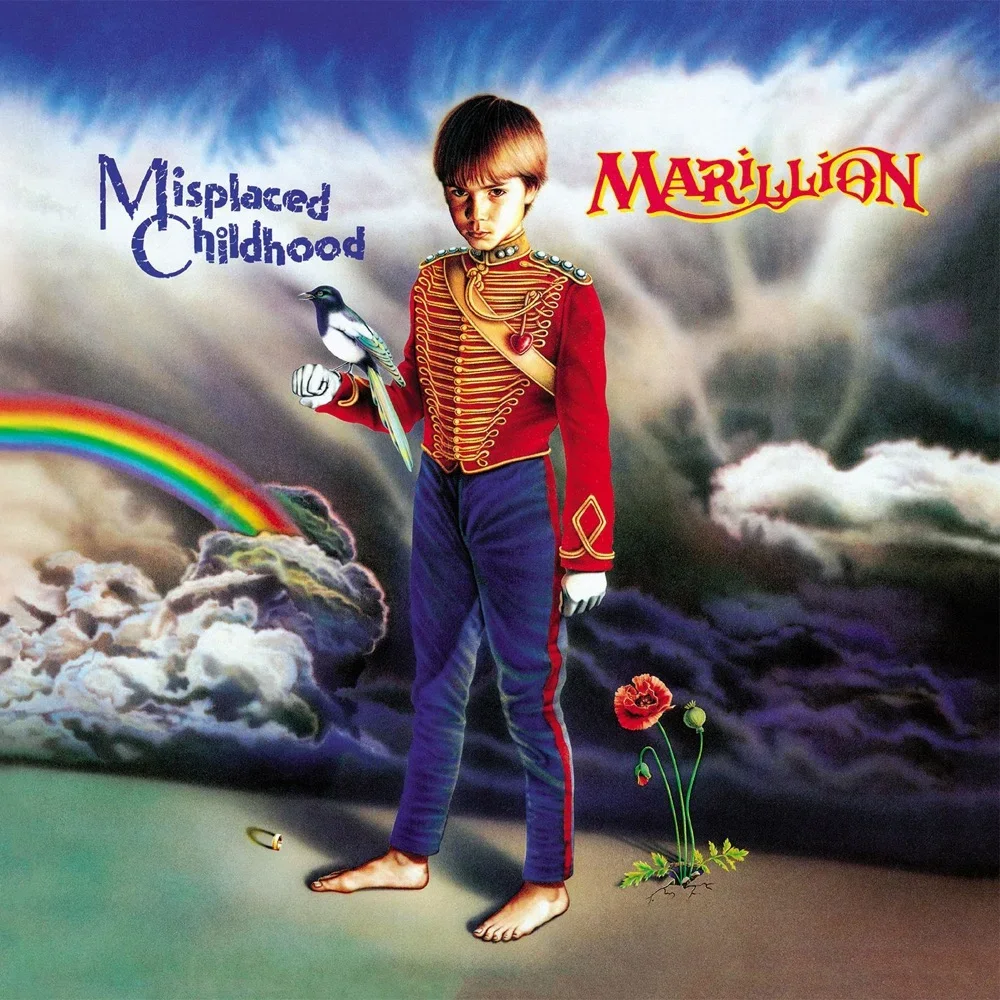
The breakthrough: an almost continuous concept suite that carried the hit singles "Kayleigh" and "Lavender" to a wide audience.

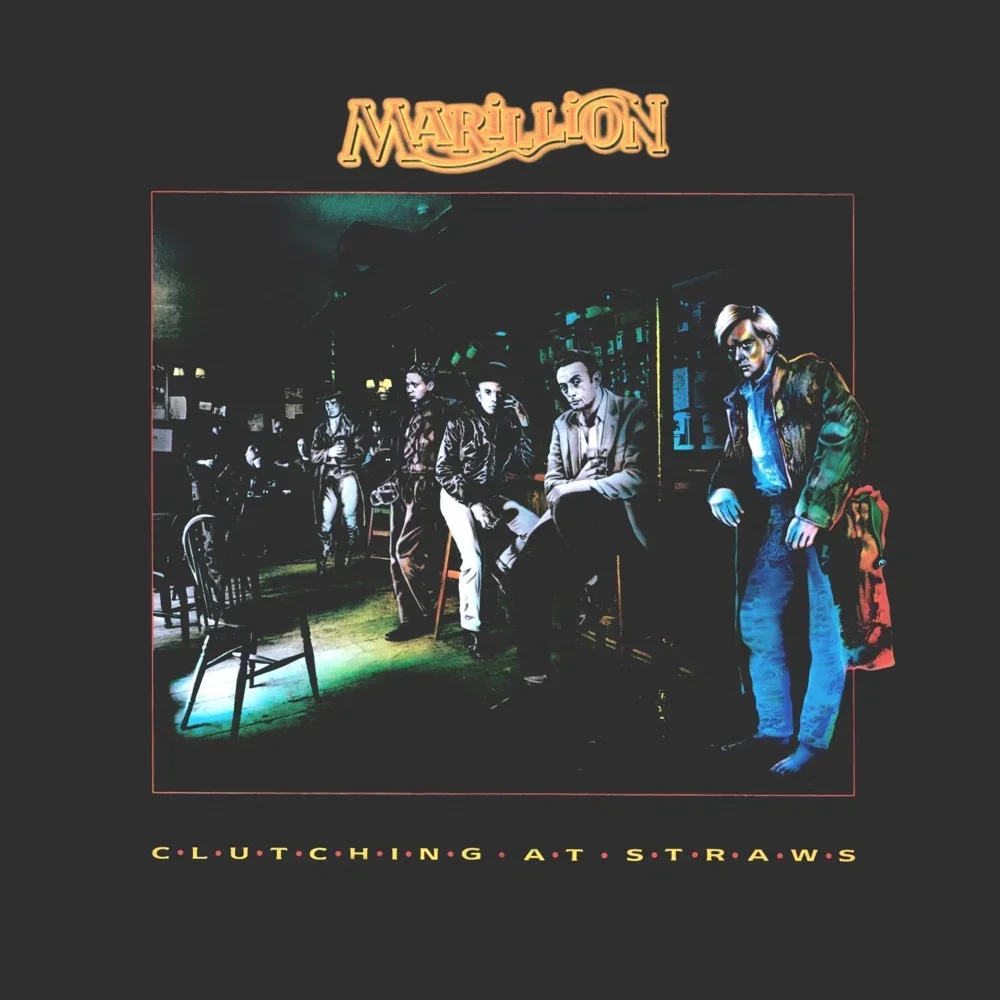
The last album with Fish, a bleak look at addiction and burnout that many fans rate as his finest work with the band.

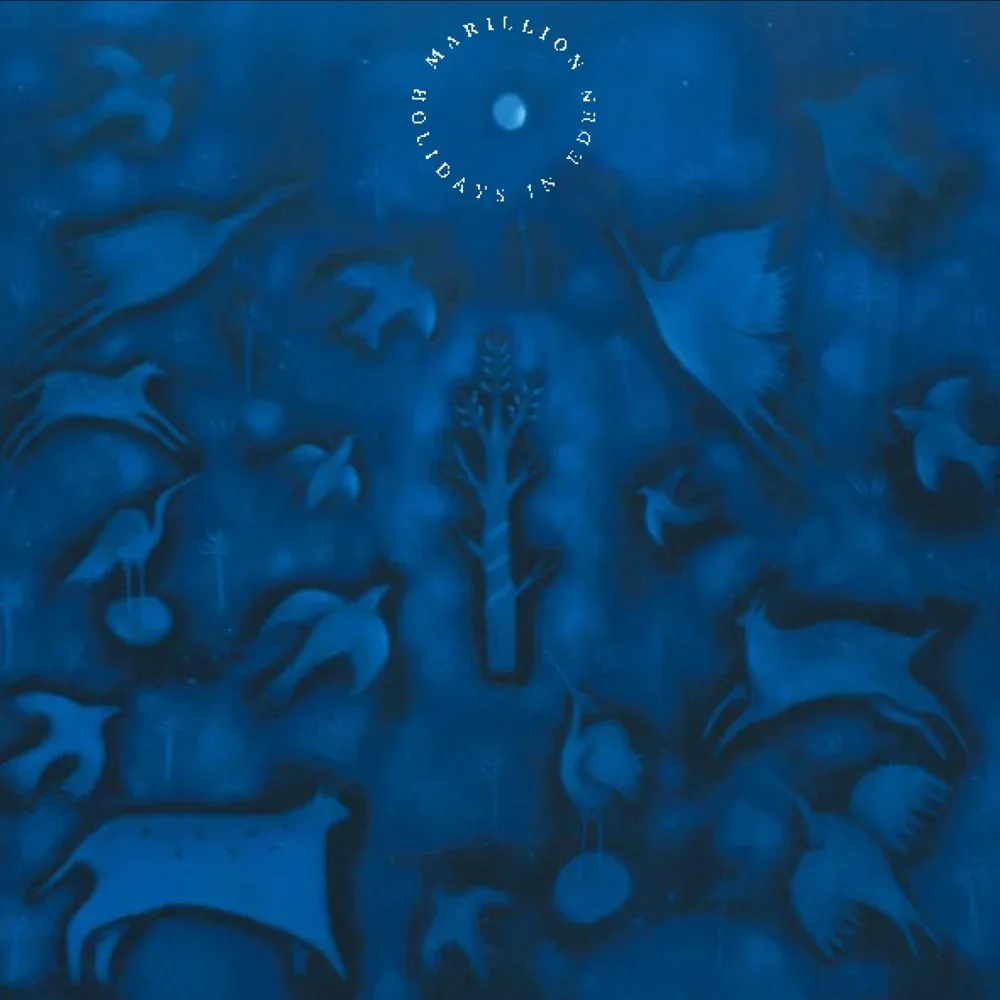
The first record with new singer Steve Hogarth, a confident reset that proved the band could go on after Fish.

Their most pop-leaning album, aiming for radio with polished, hook-driven songwriting.

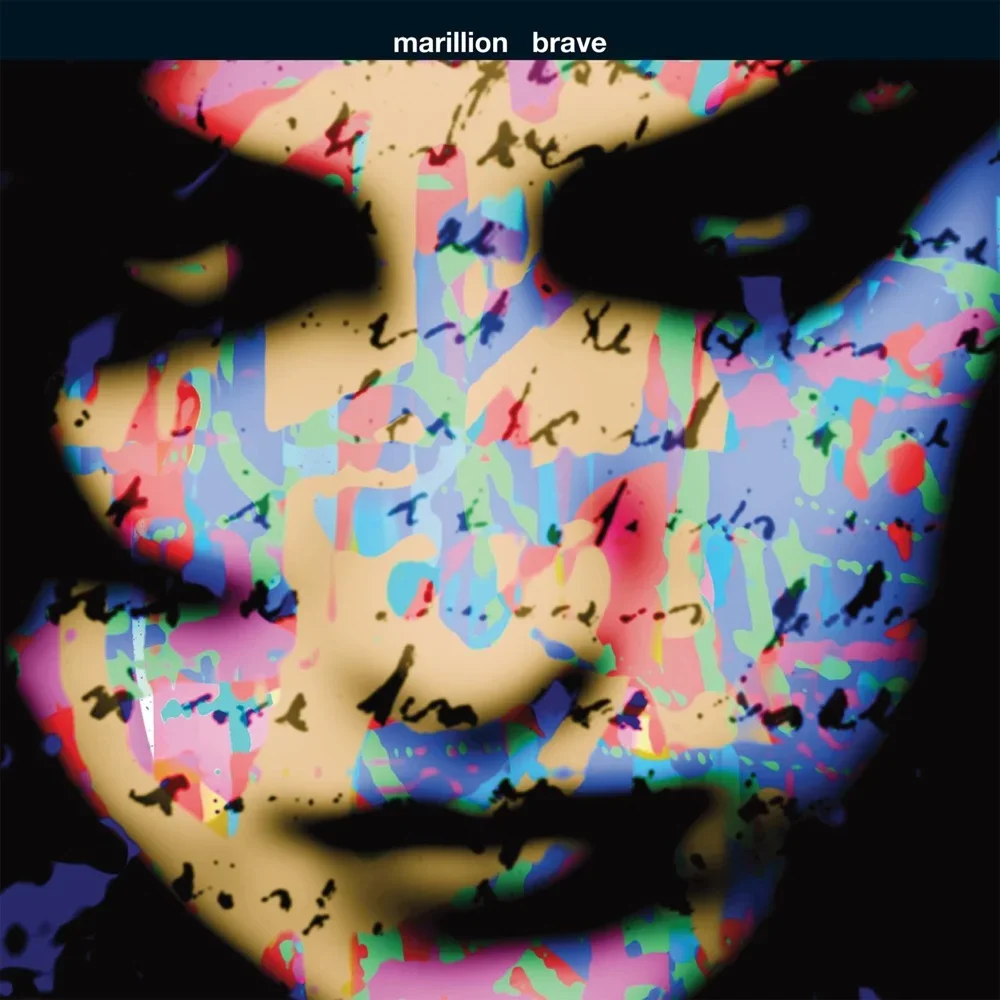
An ambitious concept album about a lost girl on the Severn Bridge, sprawling and cinematic in scope.

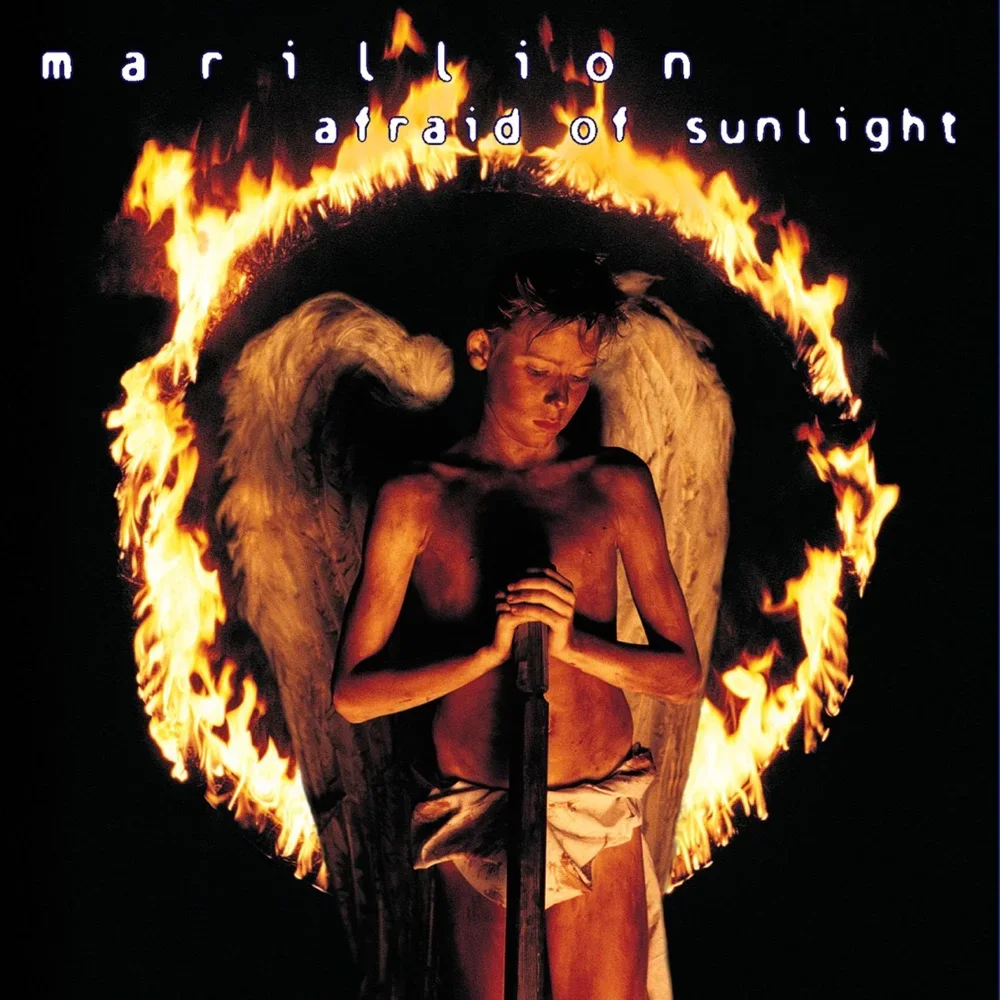
A reflective album on fame and its casualties, widely regarded as one of the strongest of the Hogarth era.

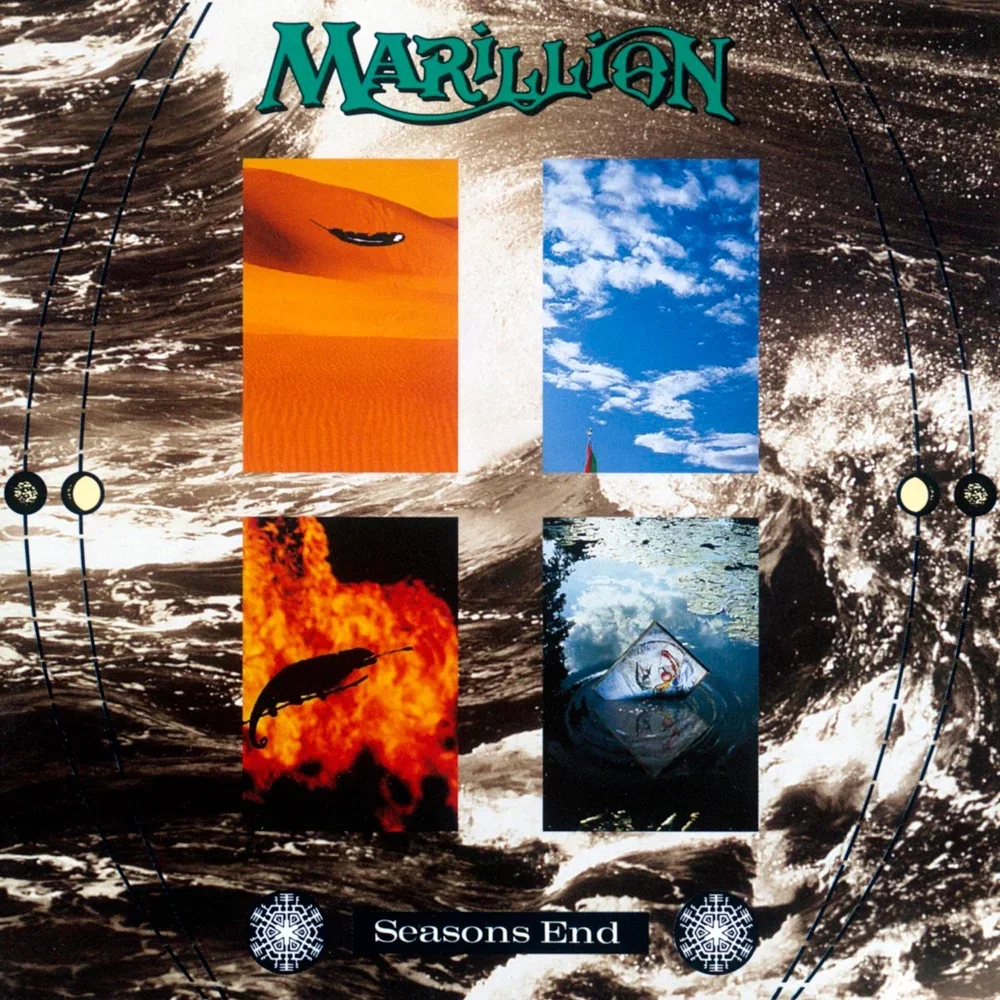
The first album for a new label, closing with a long, autobiographical title track from Hogarth.

A restless, experimental turn with a rawer sound, dividing fans as the band tried to move forward.

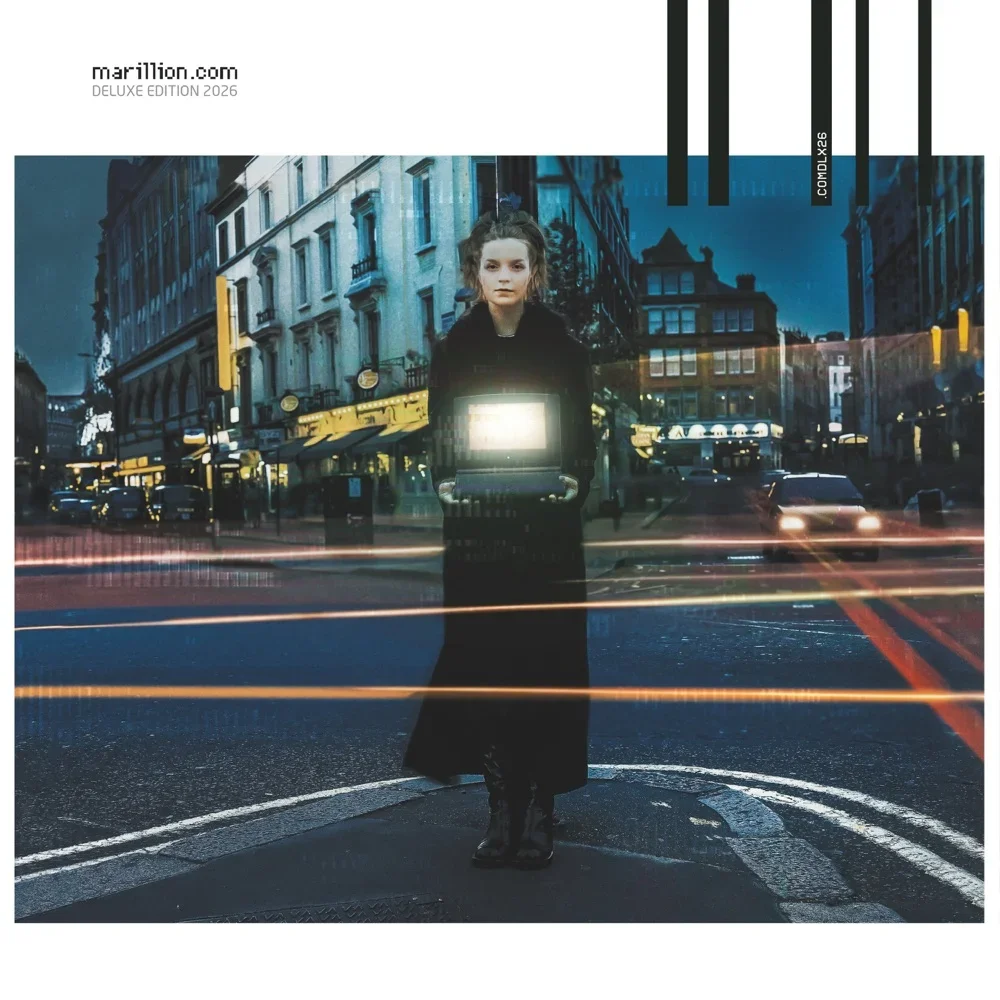
Named for the band's early embrace of the internet, blending accessible songs with longer, atmospheric pieces.

Funded in advance by fans, a landmark in crowd-funding that let the band follow a looser, groovier direction.

A double album widely hailed as a late-career peak, home to the fan favourite "Neverland".

A more concise, song-based album that returned the band to the UK charts.

A sprawling two-volume set pairing a reflective song cycle with a set of standalone tracks.

A politically charged album built around the 17-minute "Gaza", one of the band's boldest statements.

A dark, state-of-the-nation record framed by three long suites, and one of their most acclaimed later works.

A reflective album on mortality, community and the pandemic, reaching a career-high UK chart position.