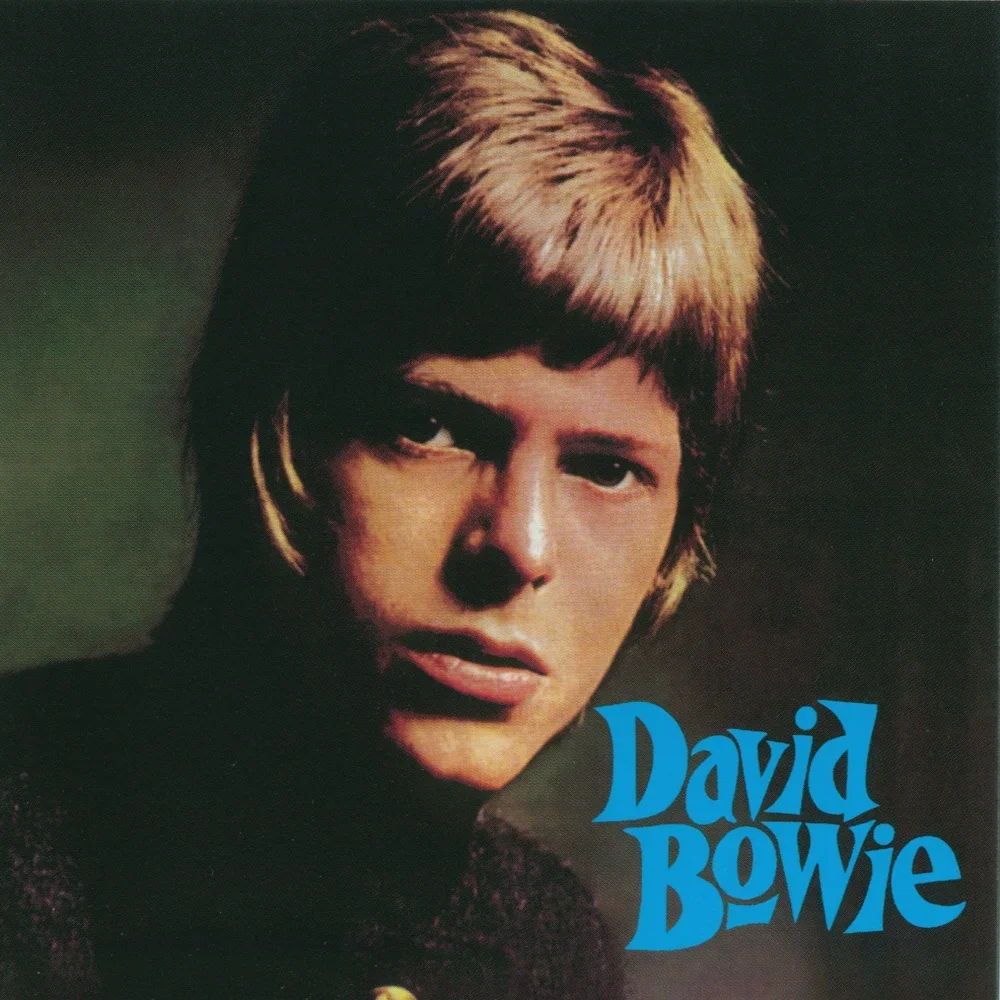
David Bowie · 1967
Baroque pop and music-hall songs shaped by Anthony Newley's theatrical style and produced by Mike Vernon; it drew notice but sold poorly.
Baroque pop and music-hall songs shaped by Anthony Newley's theatrical style and produced by Mike Vernon; it drew notice but sold poorly.
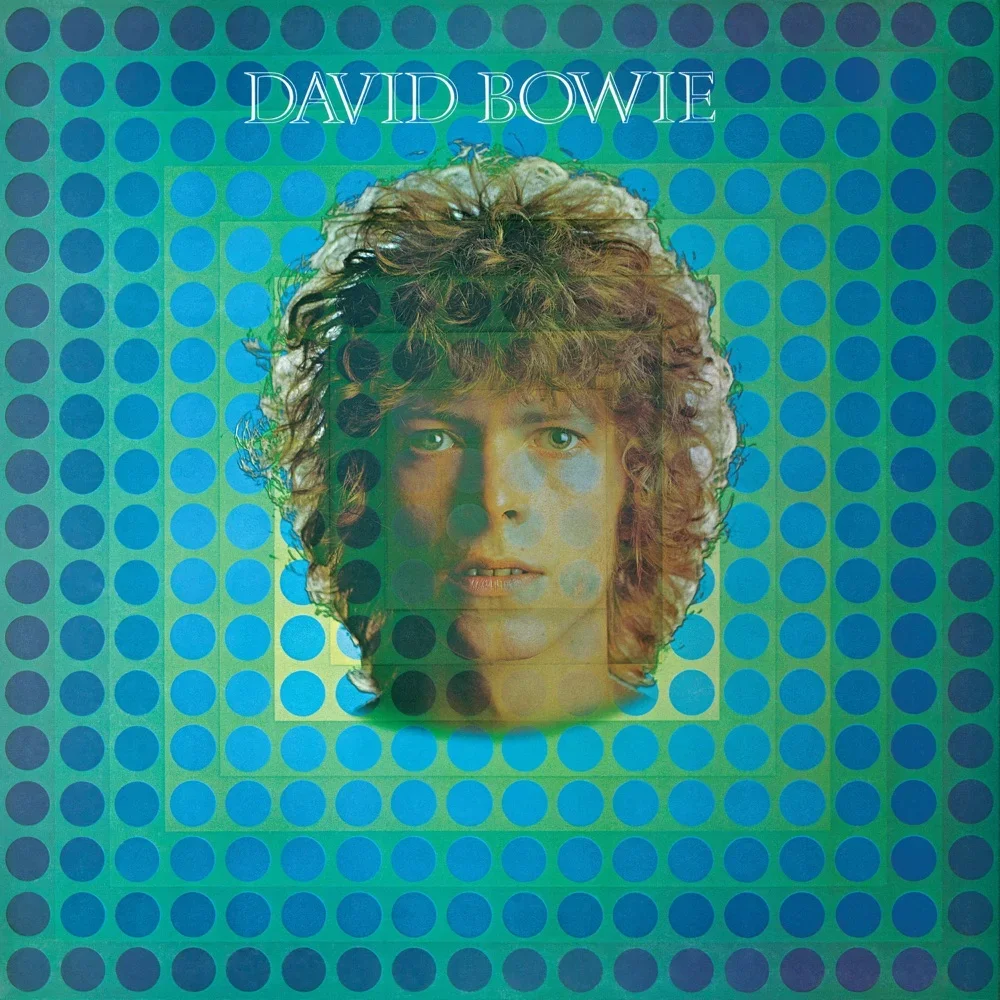
Folk-rock and psychedelia mostly produced by Tony Visconti, carried by the single 'Space Oddity' - Bowie's first hit and the debut of astronaut Major Tom.
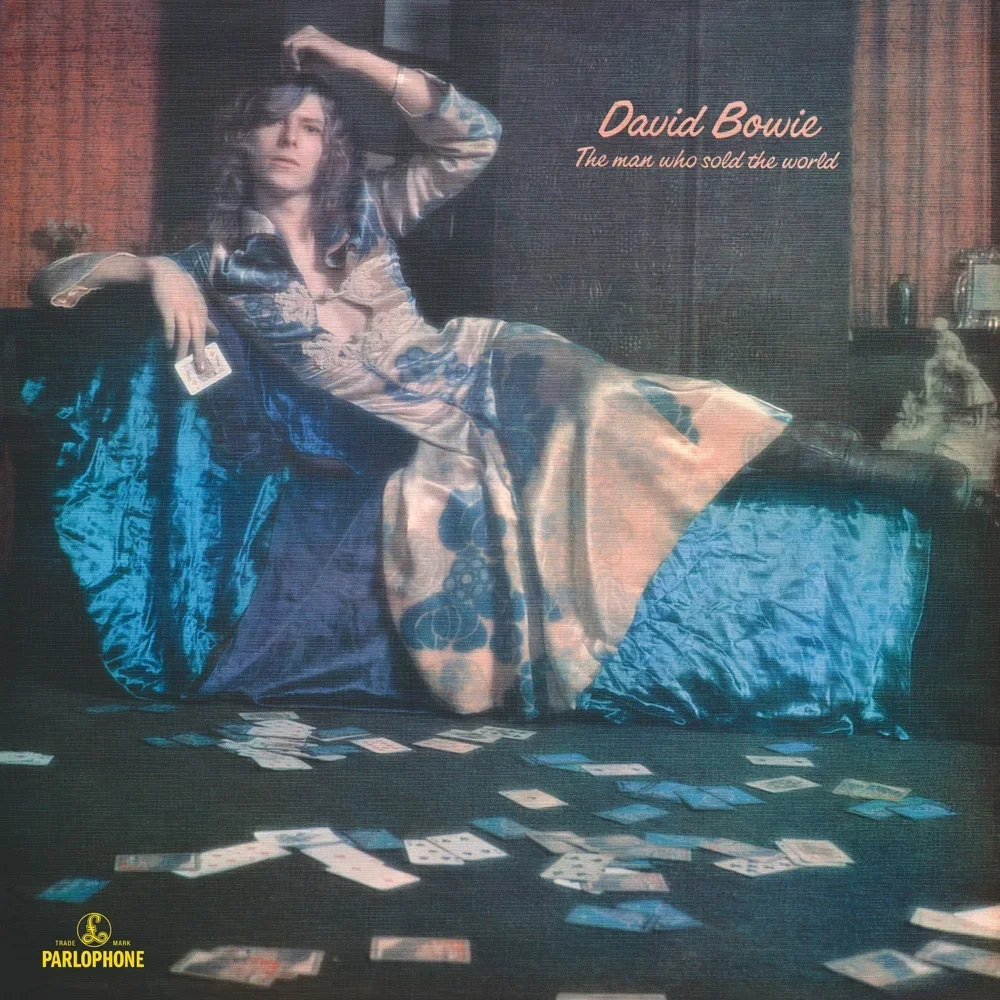
A heavy blues-rock turn built on Mick Ronson's guitar and produced by Tony Visconti, with a haunting title track and early traces of goth.
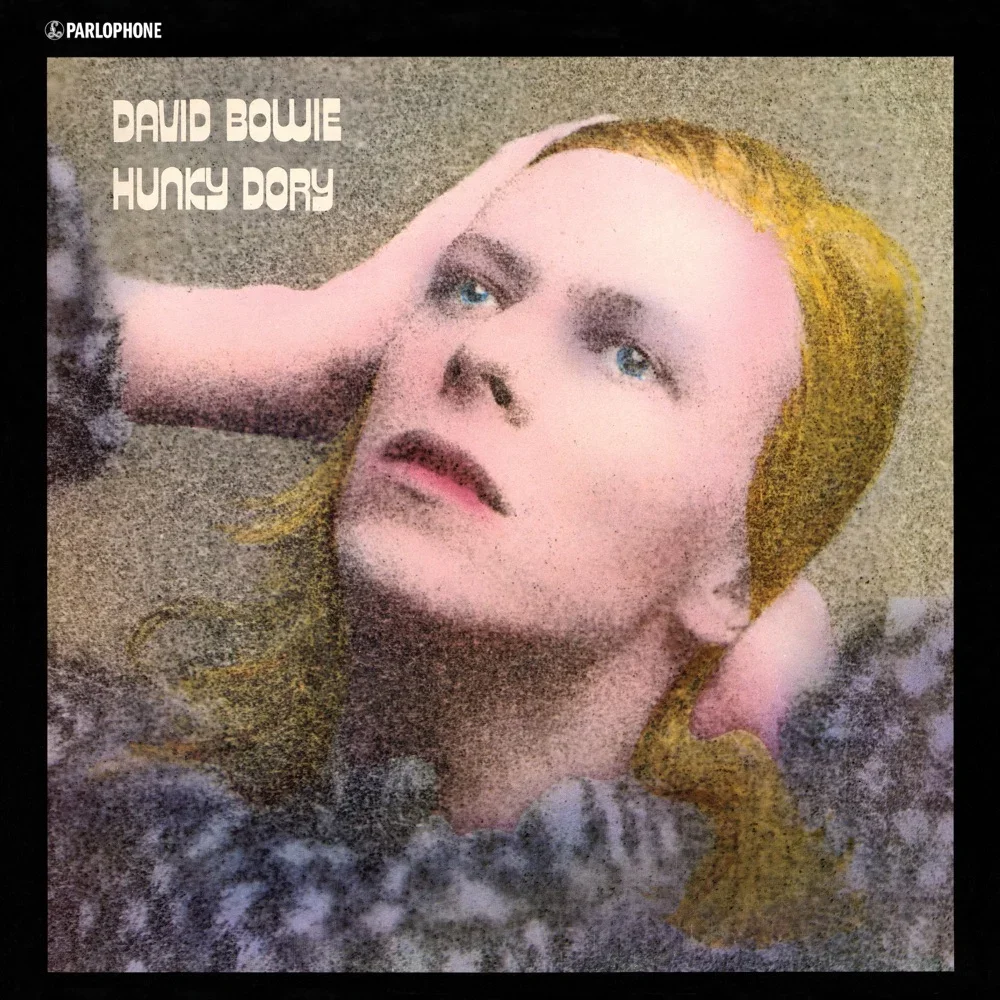
Piano-led art pop made with Ken Scott, home to 'Changes', 'Life on Mars?' and 'Oh! You Pretty Things' - where Bowie became Bowie.
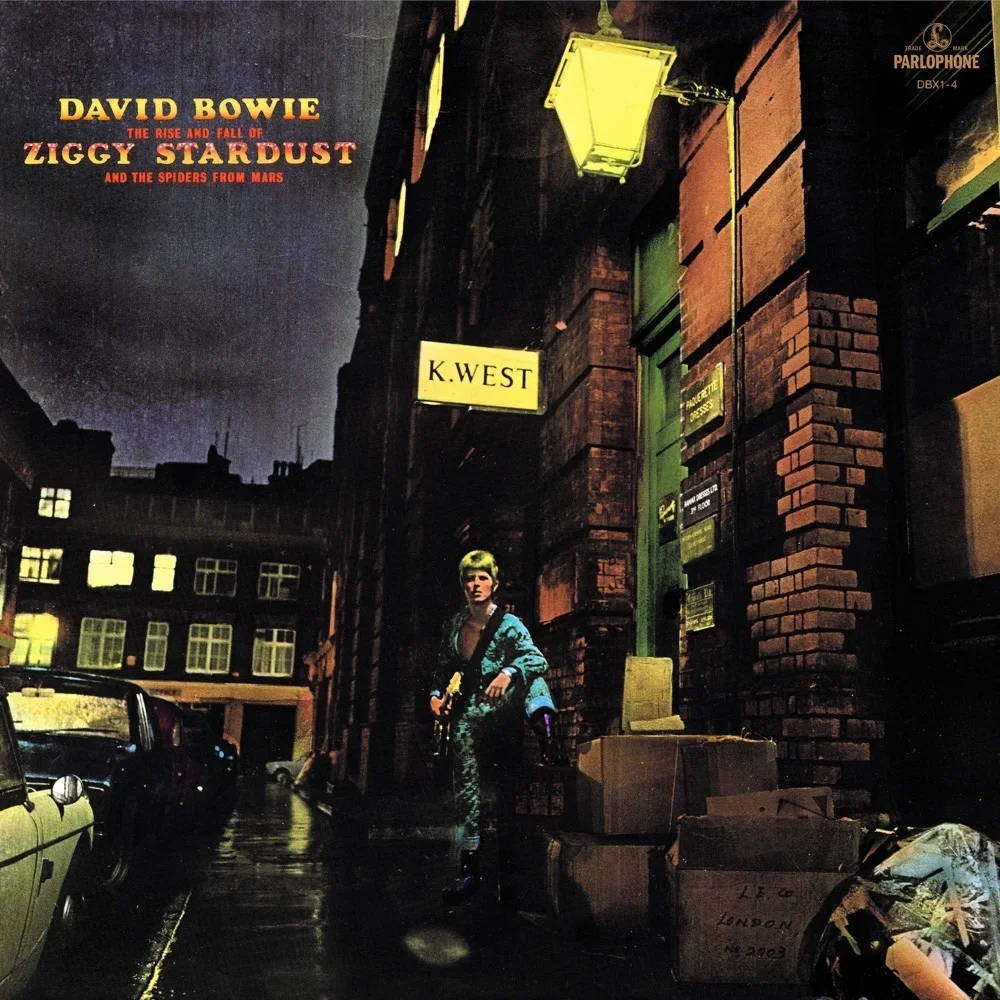
The glam-rock concept album about doomed alien rock star Ziggy Stardust, featuring 'Starman' and 'Suffragette City' and a cornerstone of the genre.
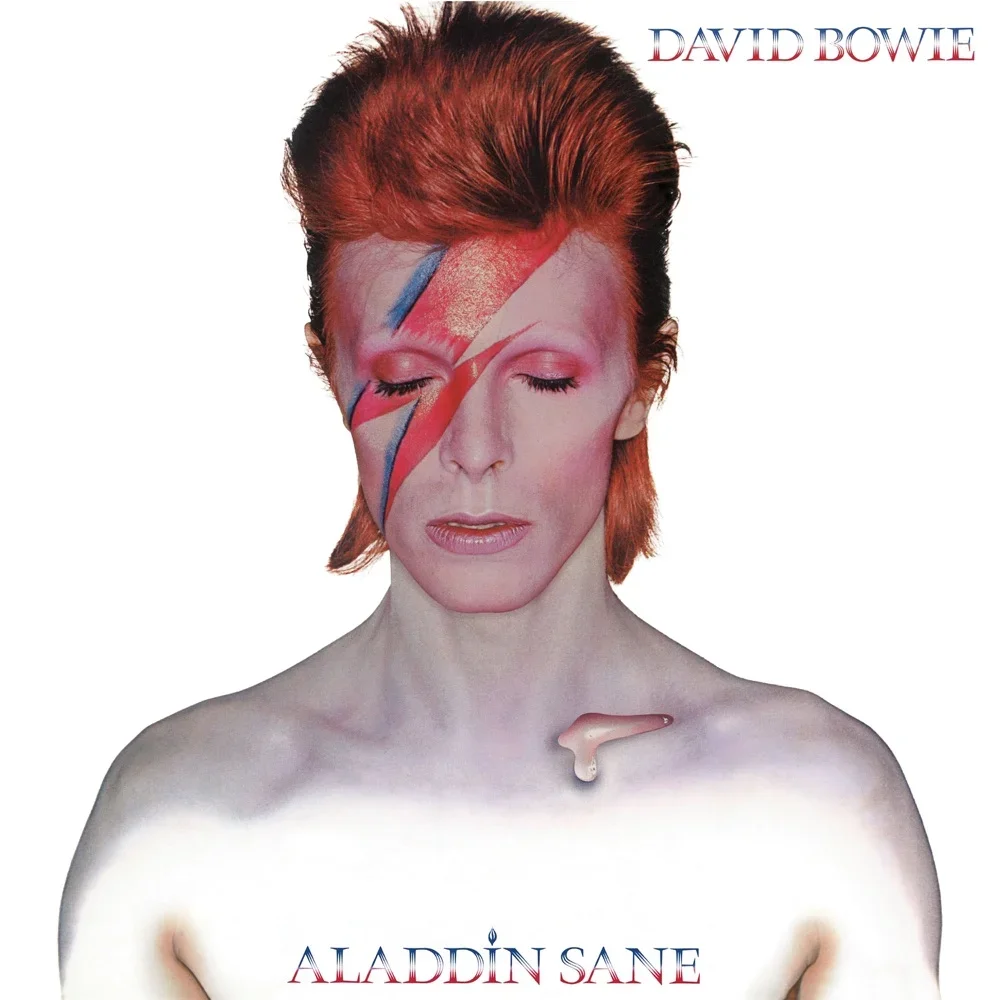
Rawer, Stones-influenced glam rock defined by Mike Garson's avant-garde piano, carrying the singles 'The Jean Genie' and 'Drive-In Saturday'.
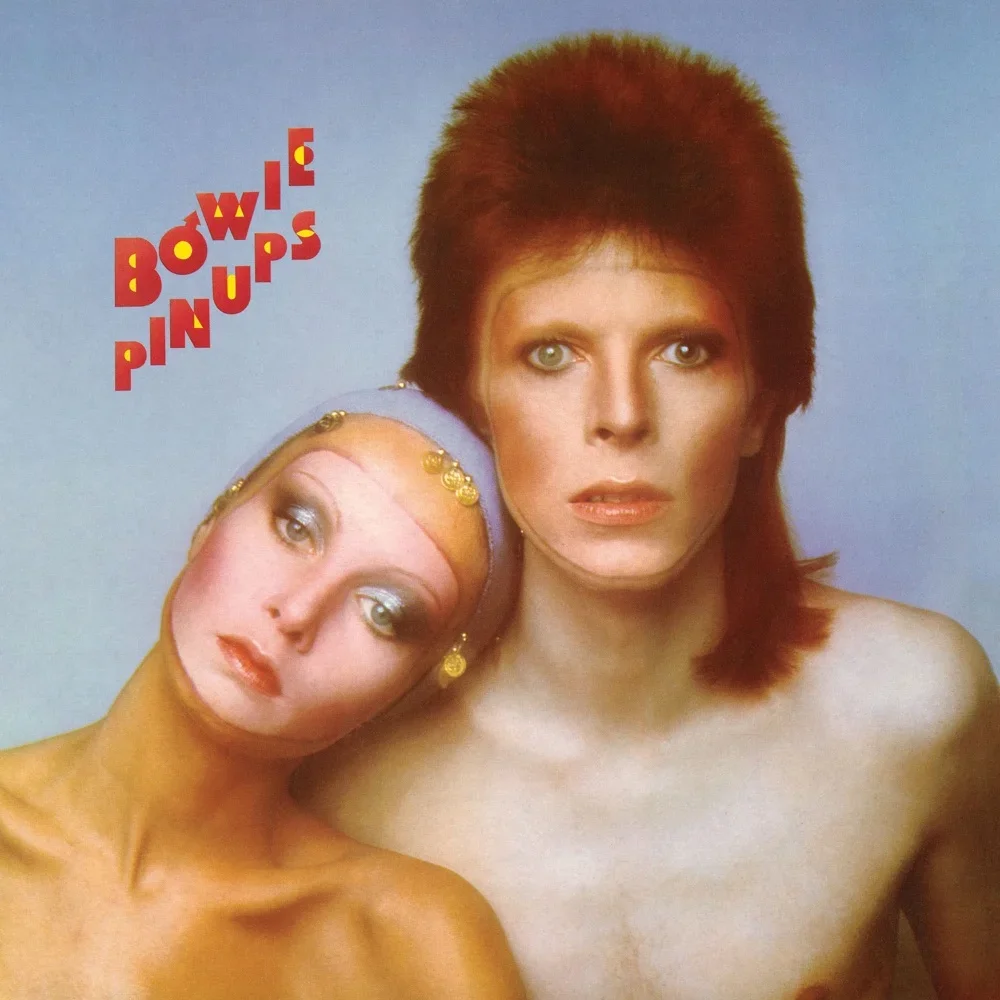
A covers album of 1960s British songs by the Who, Pink Floyd, the Kinks and others; his final record with producer Ken Scott.
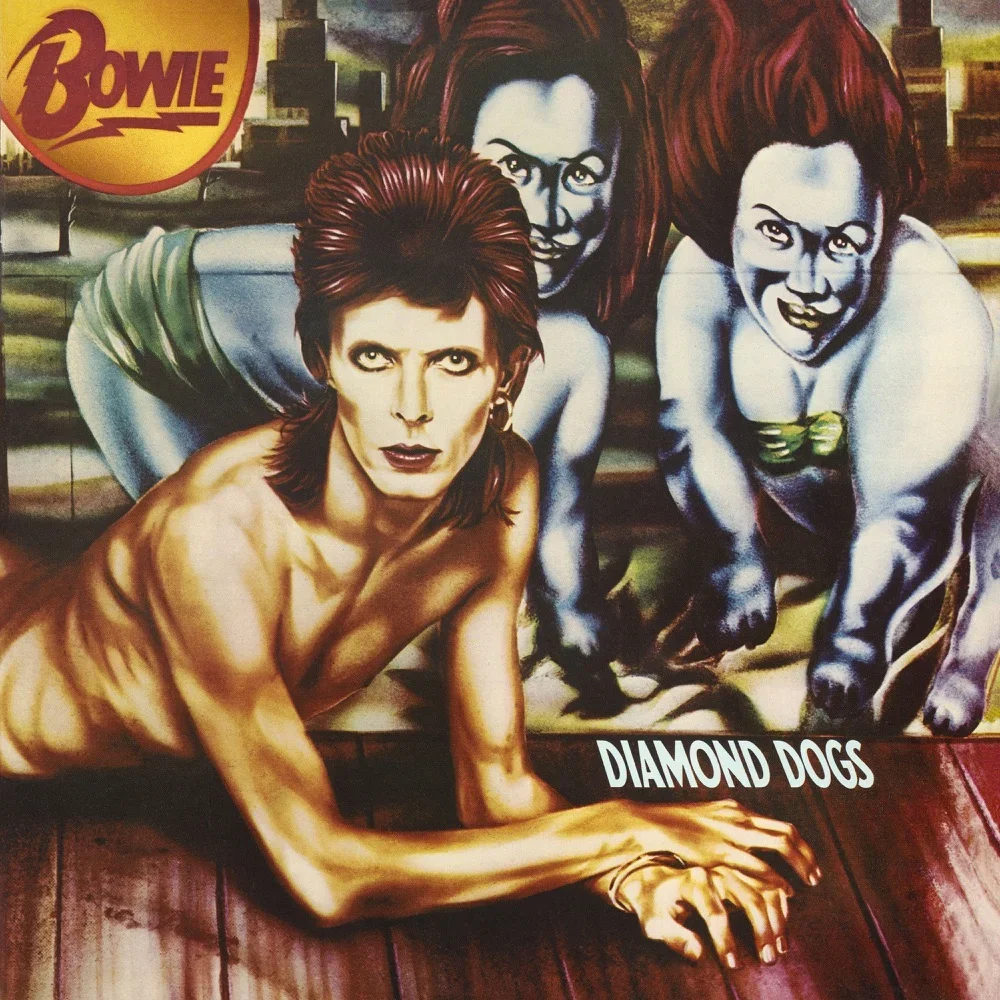
A dystopian glam and proto-punk record self-produced by Bowie, drawing on Orwell and Burroughs and led by the single 'Rebel Rebel'.
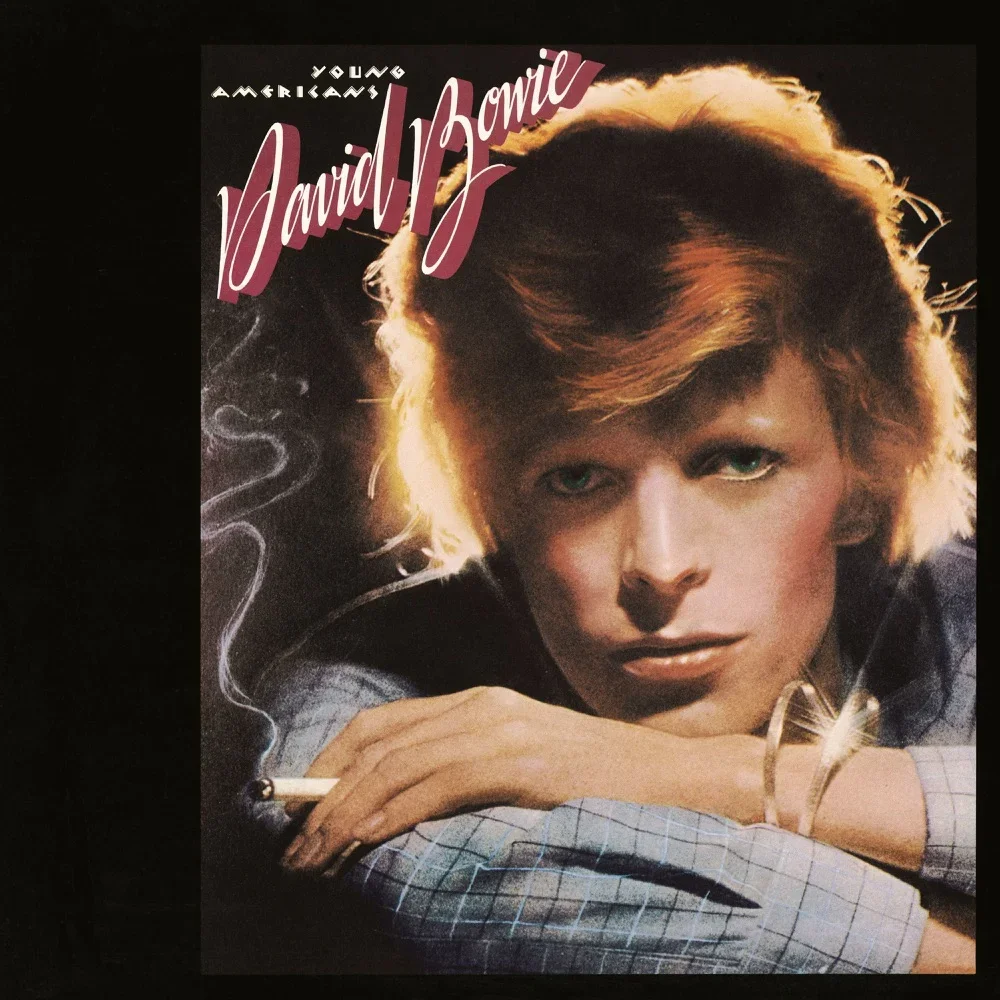
Bowie's 'plastic soul' plunge into Philadelphia R&B, yielding 'Fame' - co-written with John Lennon and his first US number one - and the title track.
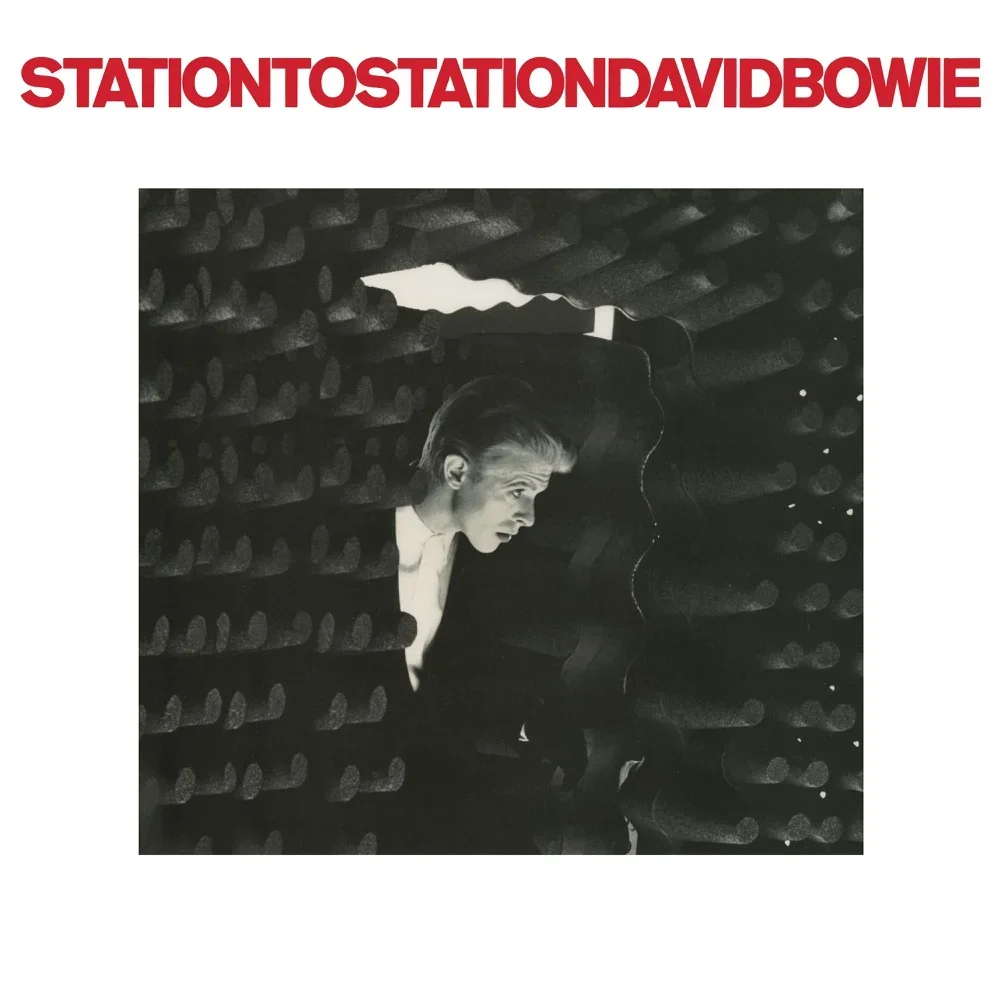
The Thin White Duke era: icy art-funk touched by krautrock, with 'Golden Years', 'TVC 15' and a ten-minute title track.
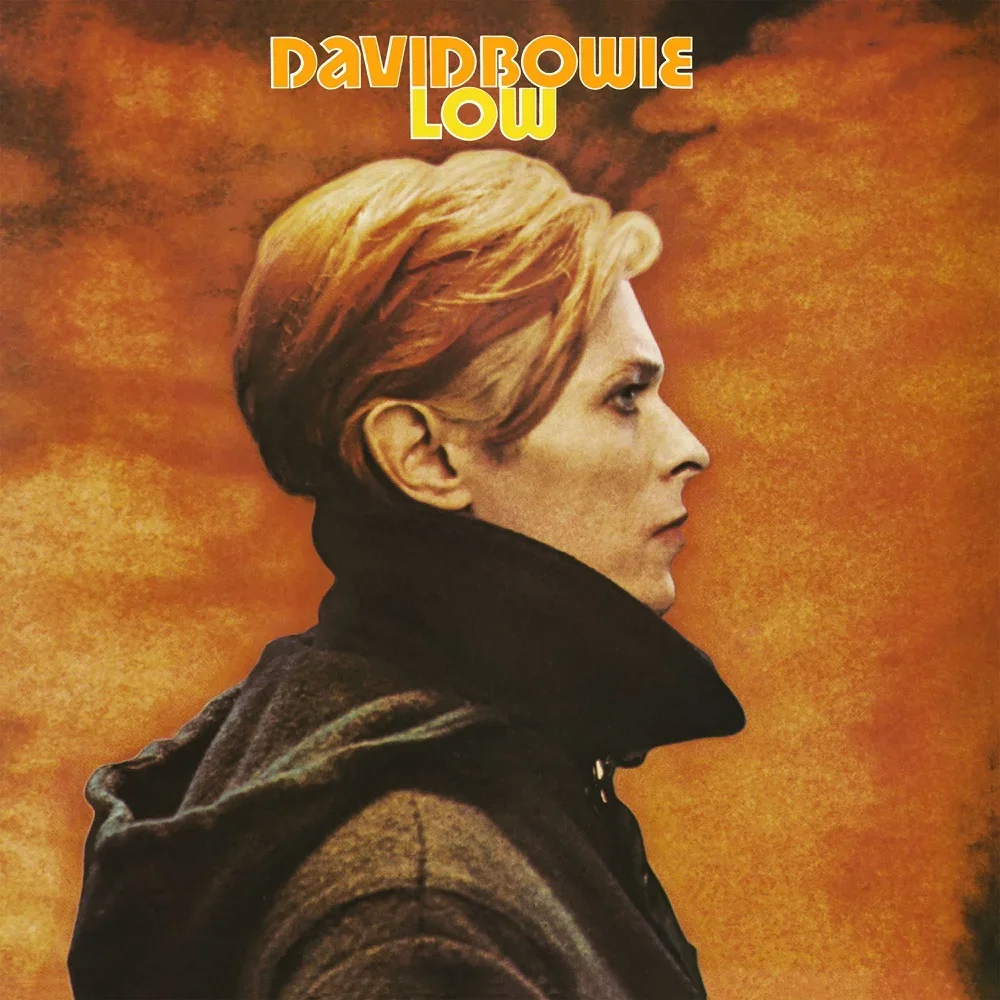
First of the Berlin Trilogy: fractured art-pop and ambient instrumentals made with Brian Eno and Tony Visconti, led by 'Sound and Vision'.
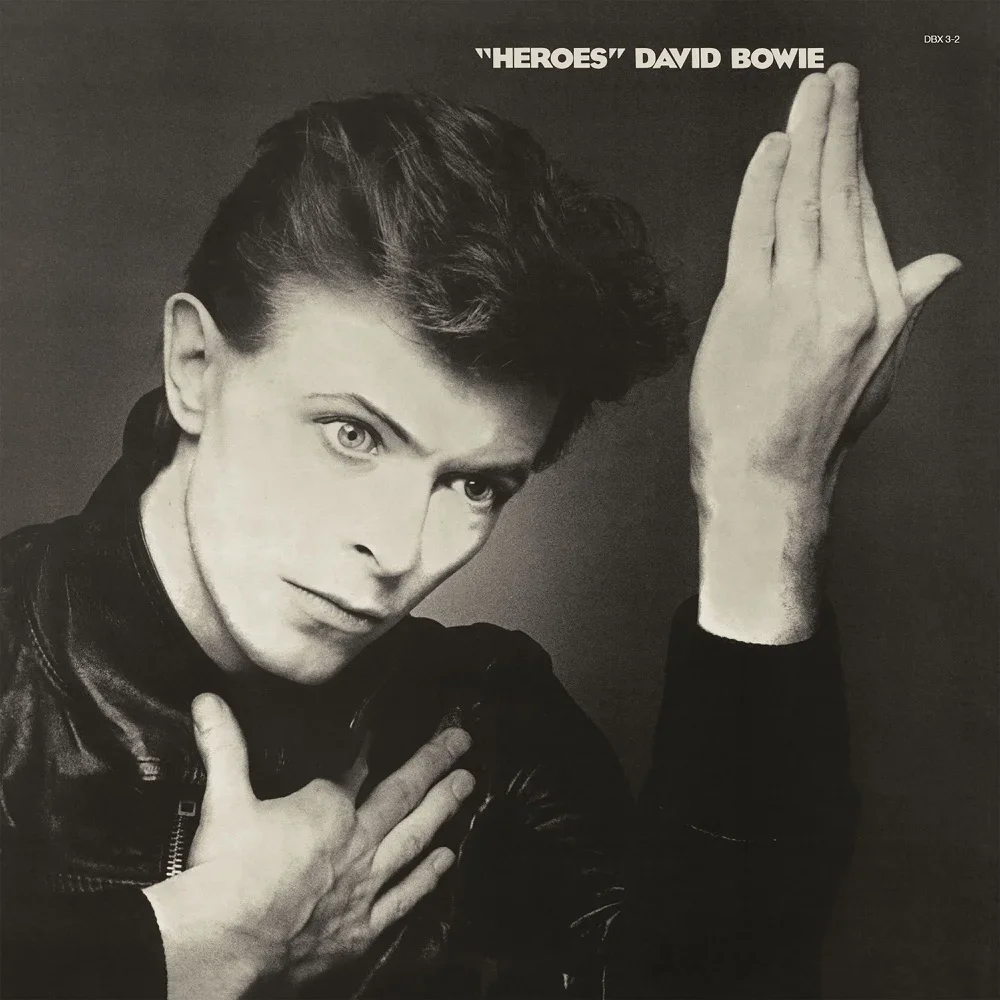
The Berlin Trilogy's centrepiece, recorded by the Wall with Brian Eno and Robert Fripp's soaring guitar on the celebrated title track.
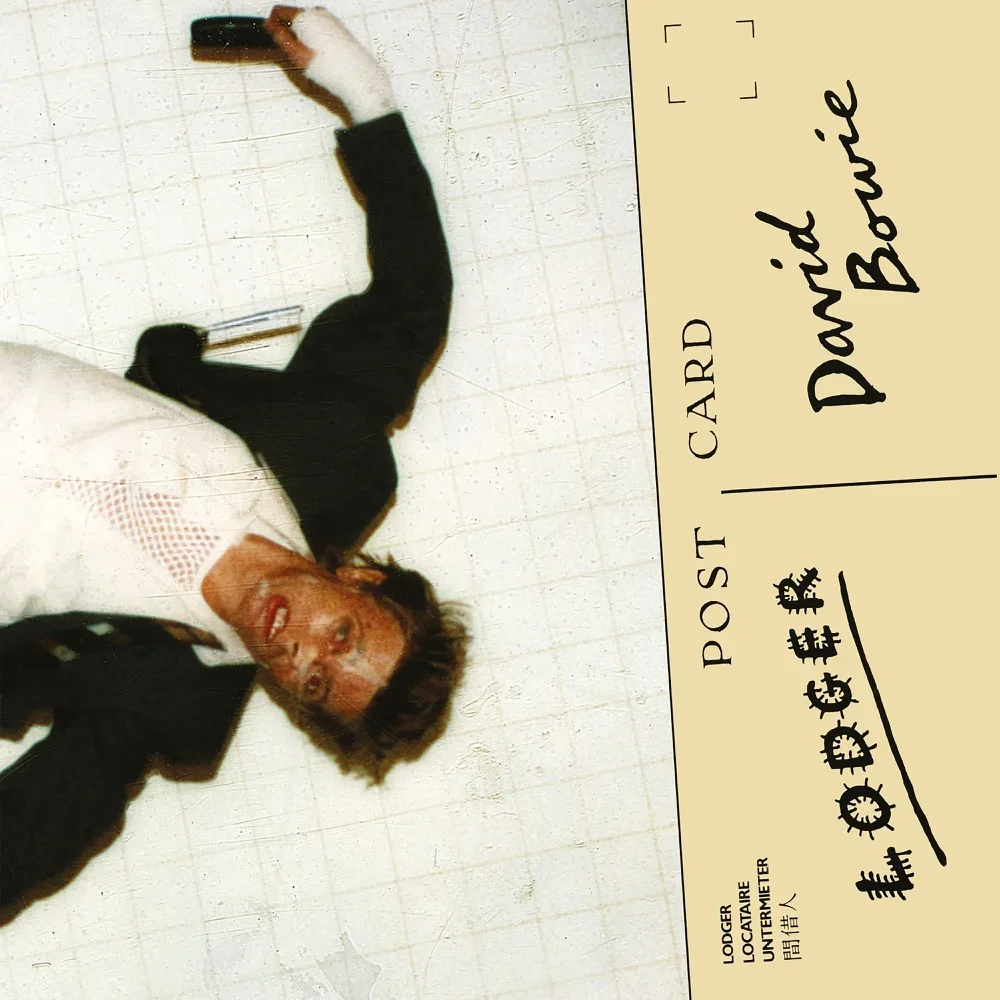
The trilogy's most song-based finale, mixing new wave and world music with Eno and Adrian Belew; singles include 'Boys Keep Swinging' and 'D.J.'
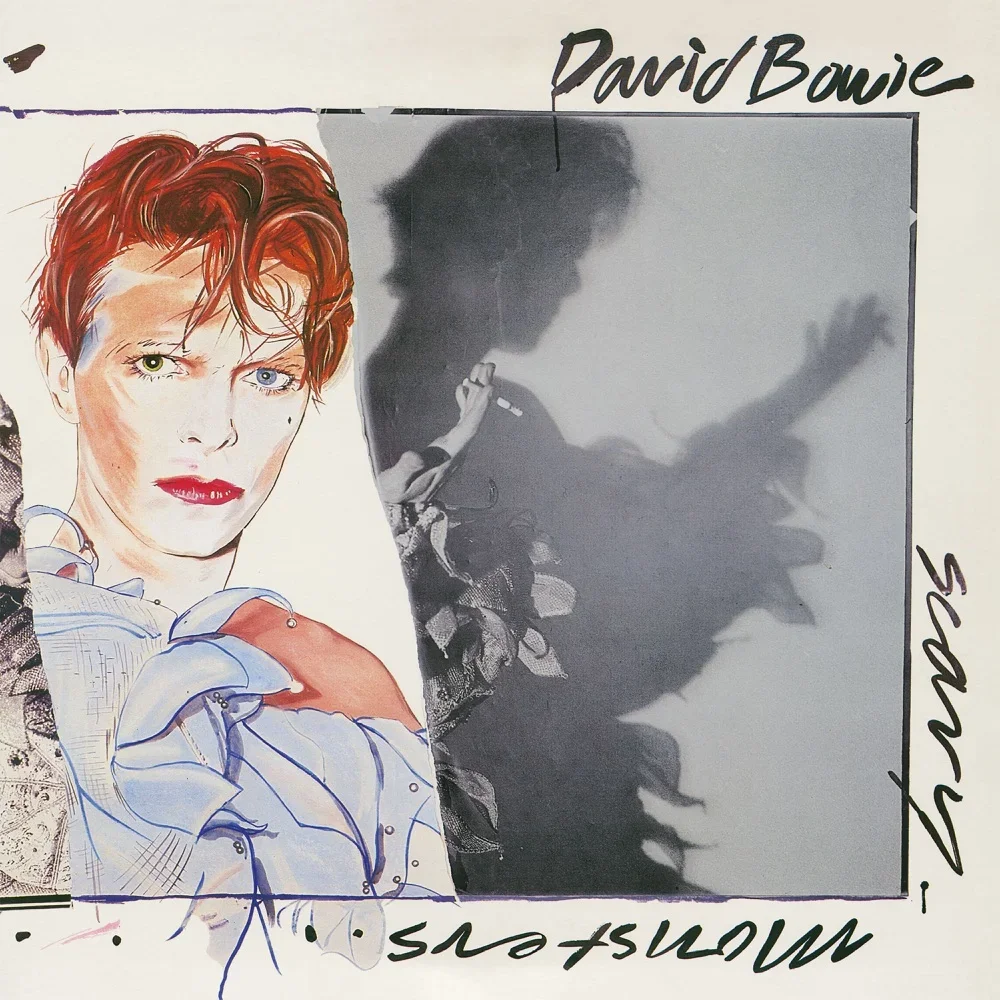
Art rock meeting new wave and post-punk, produced with Tony Visconti; 'Ashes to Ashes' revisits Major Tom and 'Fashion' adds funk bite.
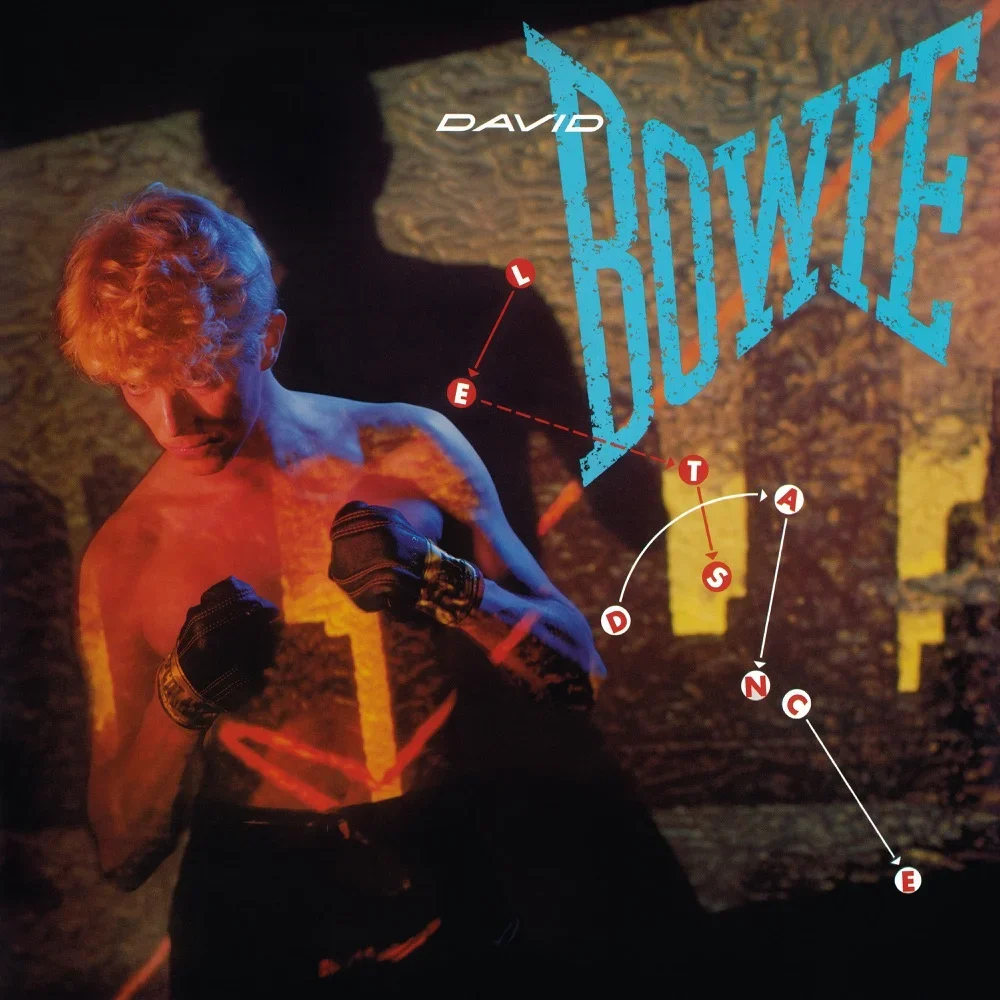
Bowie's blockbuster dance-pop produced by Nile Rodgers with Stevie Ray Vaughan on guitar; 'Let's Dance', 'China Girl' and 'Modern Love' made him a superstar.
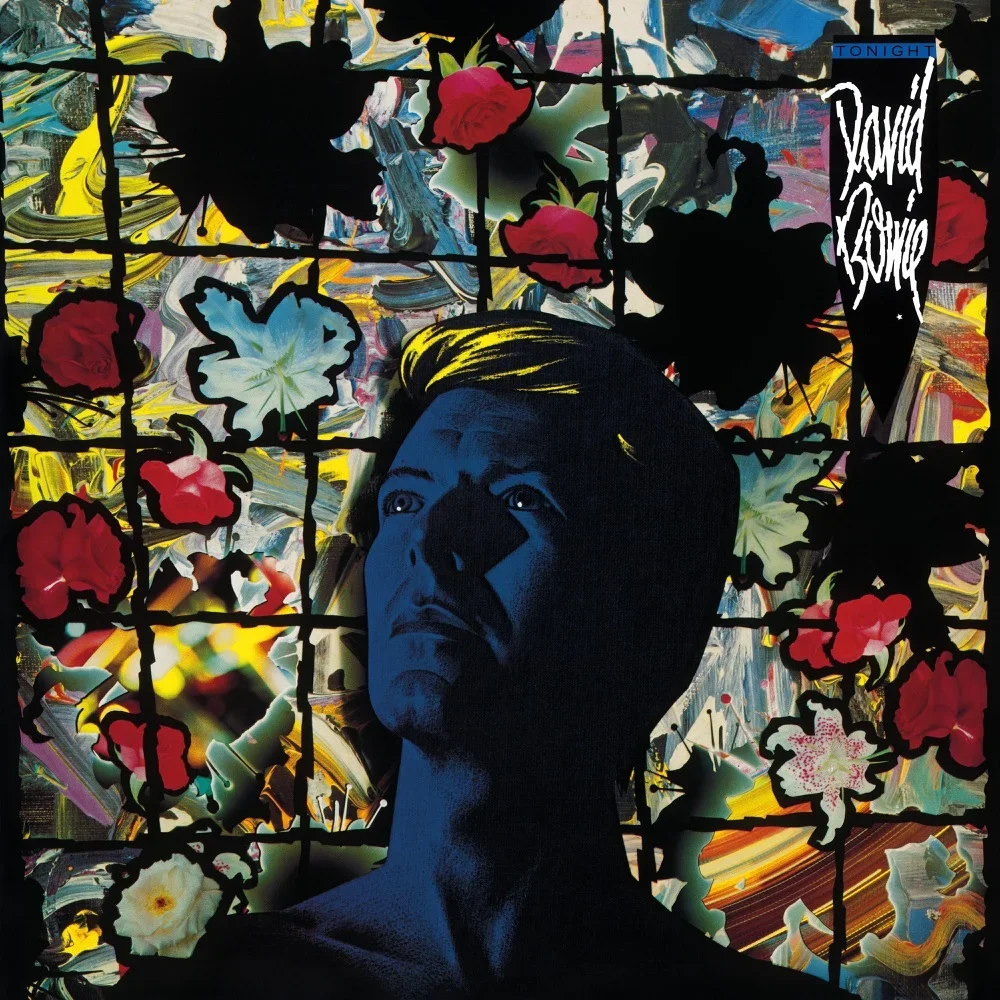
A quick follow-up leaning on Iggy Pop covers and co-writes; the single 'Blue Jean' is the standout on an album widely seen as slight.
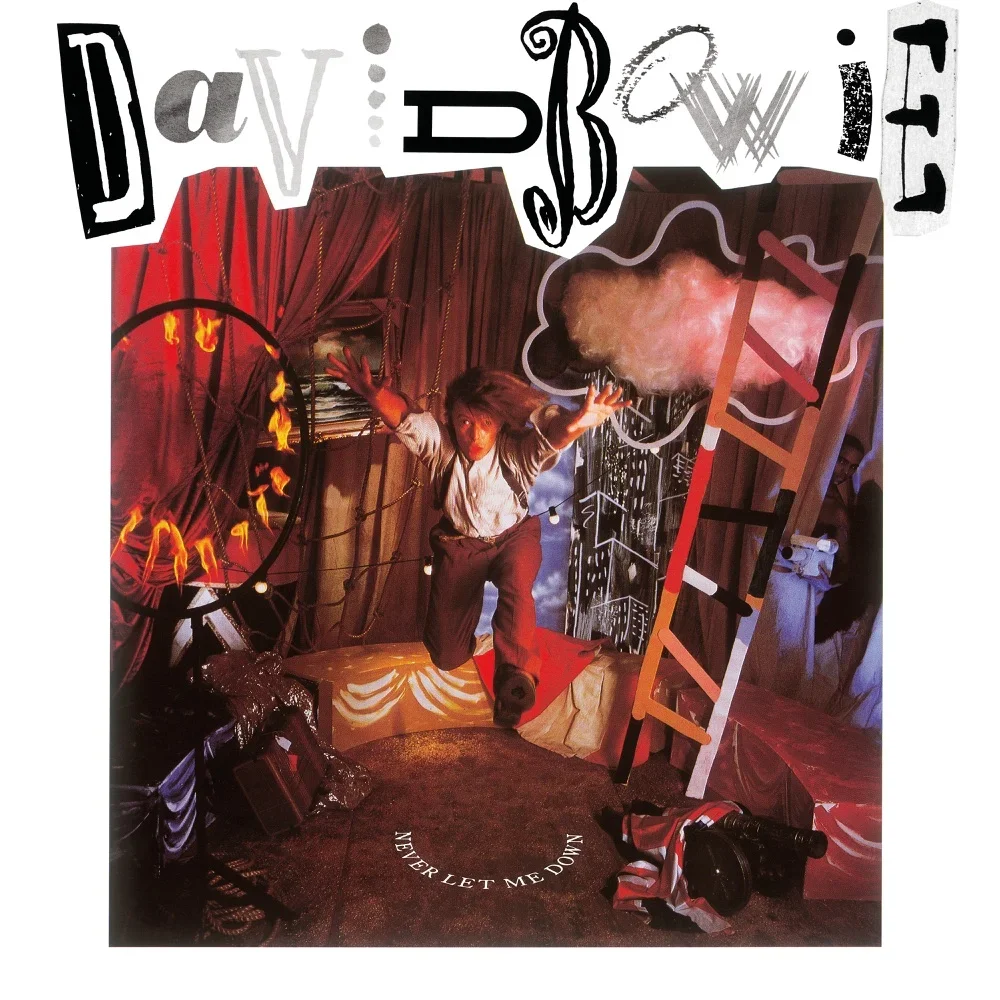
An overblown pop-rock record tied to the theatrical Glass Spider Tour; Bowie himself called it a disappointment despite songs like 'Time Will Crawl'.
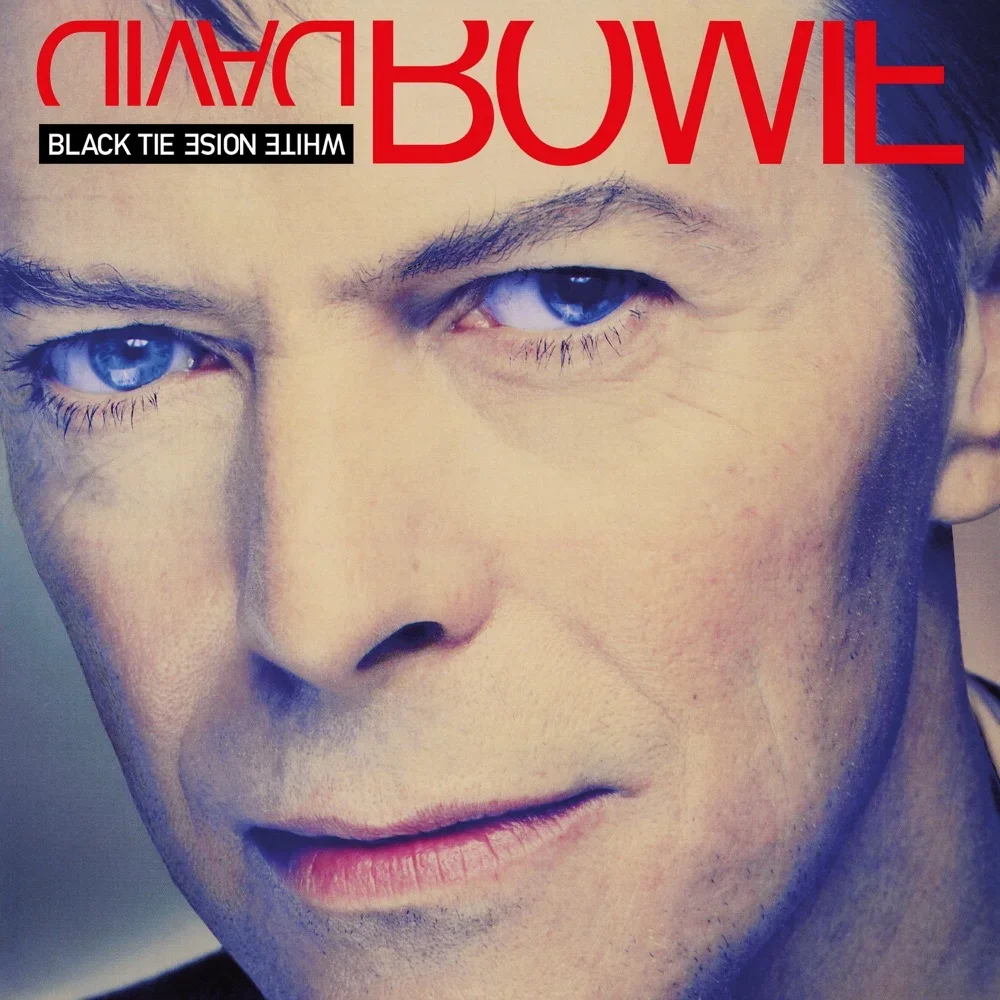
A solo comeback after Tin Machine, reuniting with Nile Rodgers; the single 'Jump They Say' addresses his half-brother's suicide.
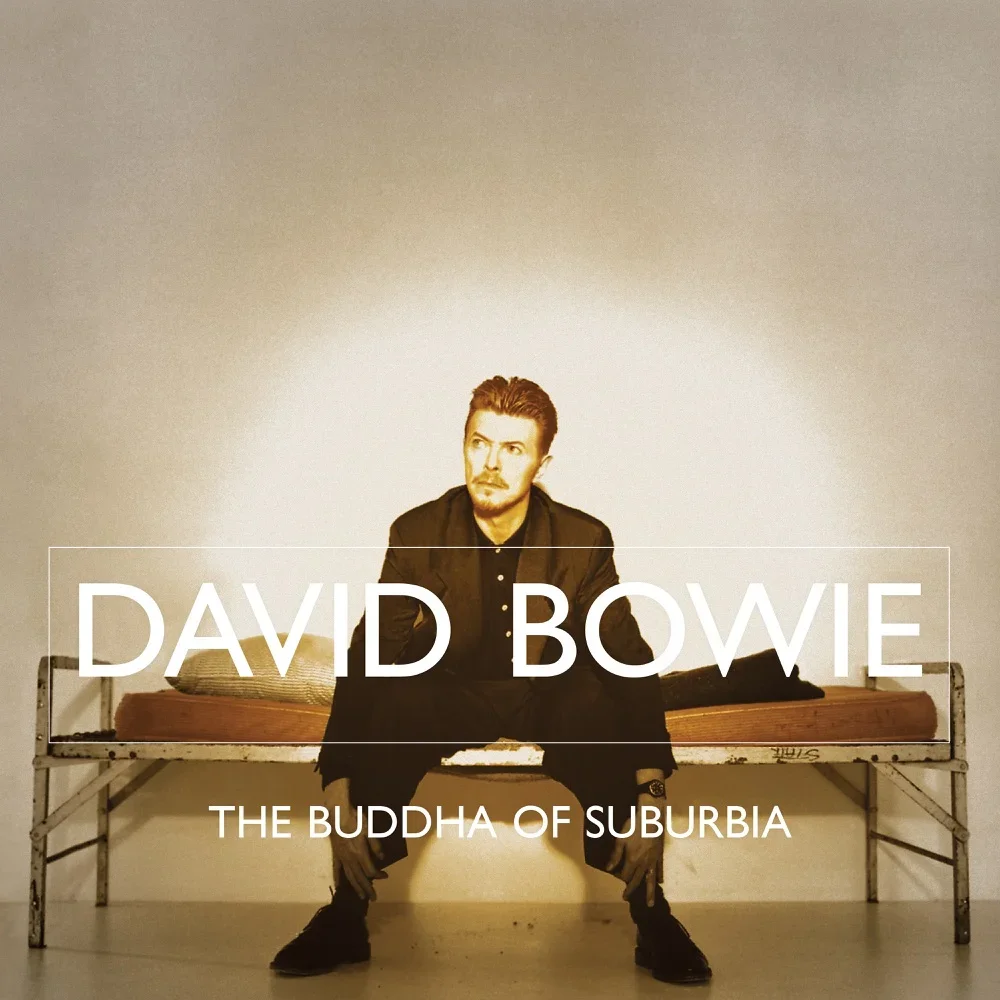
Loosely sparked by a BBC drama, this overlooked, experimental set blends rock, ambient and jazz - Bowie once named it his own favourite.
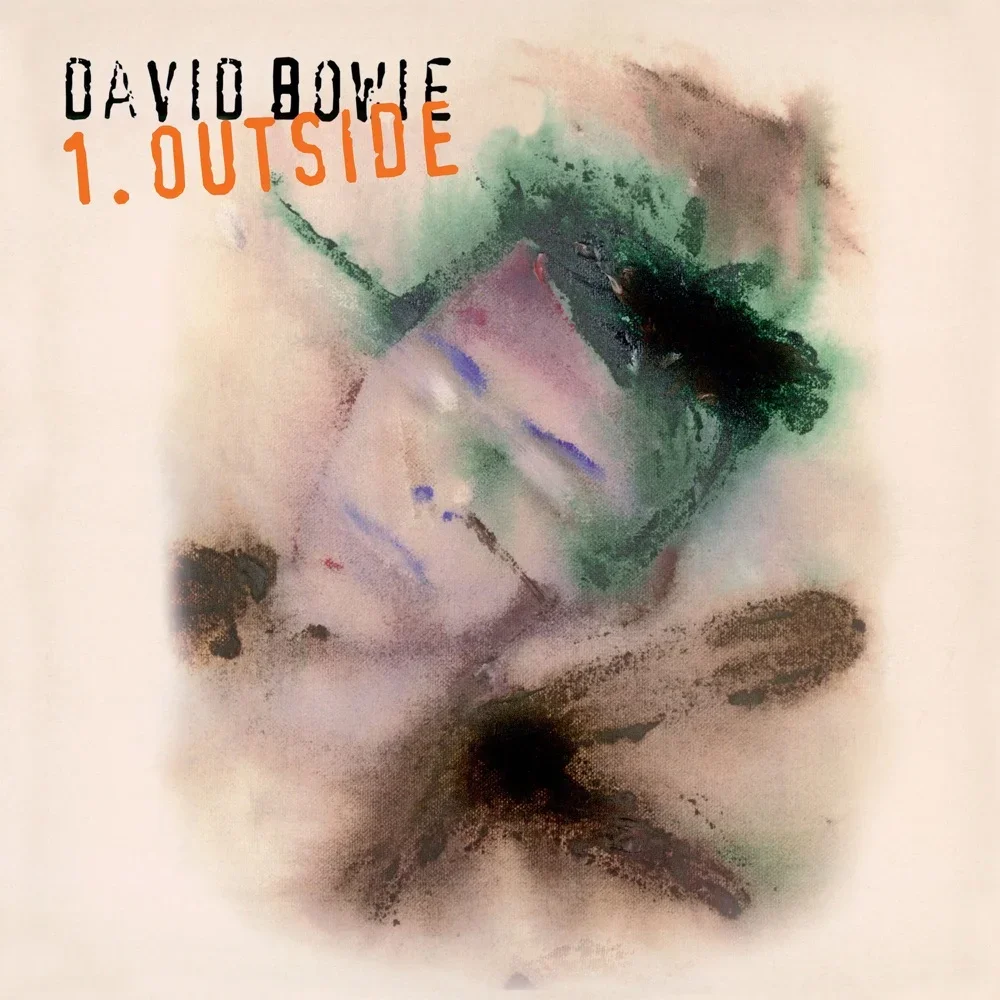
A dark, nonlinear concept album reuniting Bowie with Brian Eno in art rock and industrial mode, with 'The Hearts Filthy Lesson' and 'Hallo Spaceboy'.
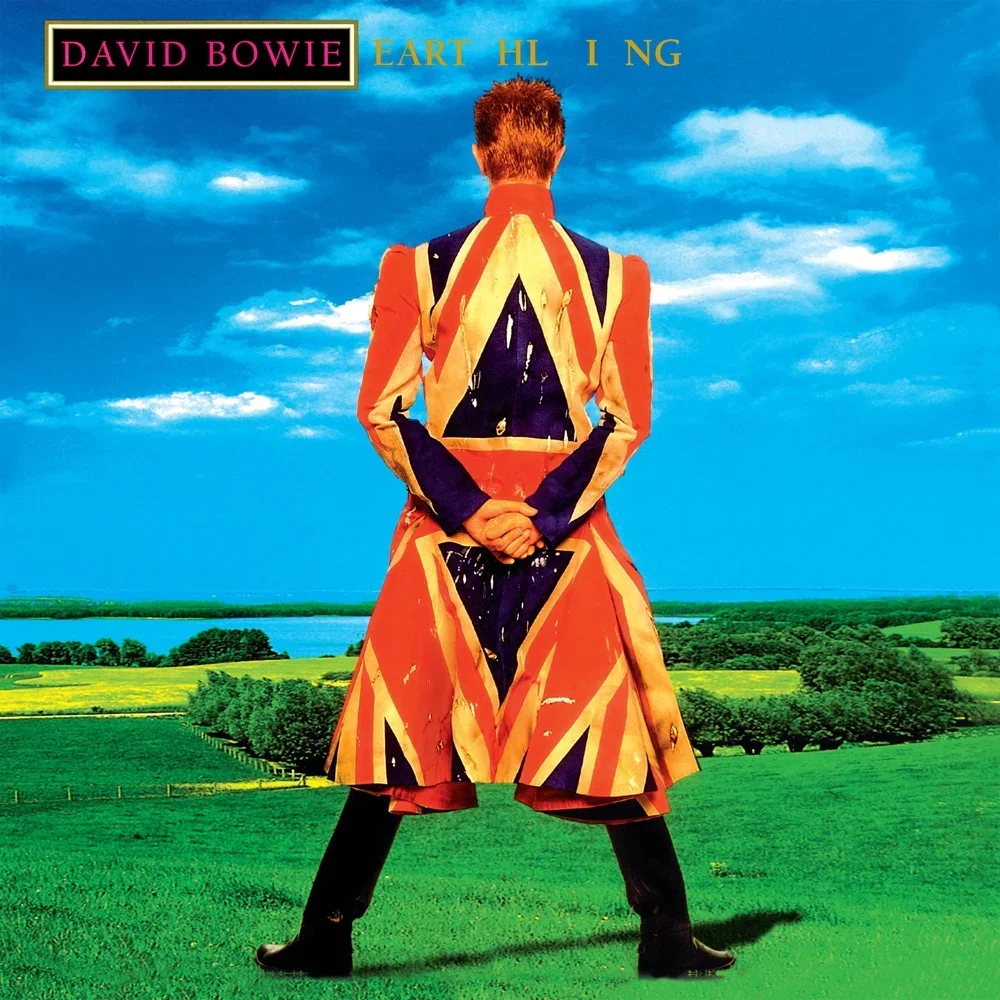
Bowie diving into drum and bass and jungle, with 'Little Wonder' and 'I'm Afraid of Americans', remixed by Nine Inch Nails' Trent Reznor.
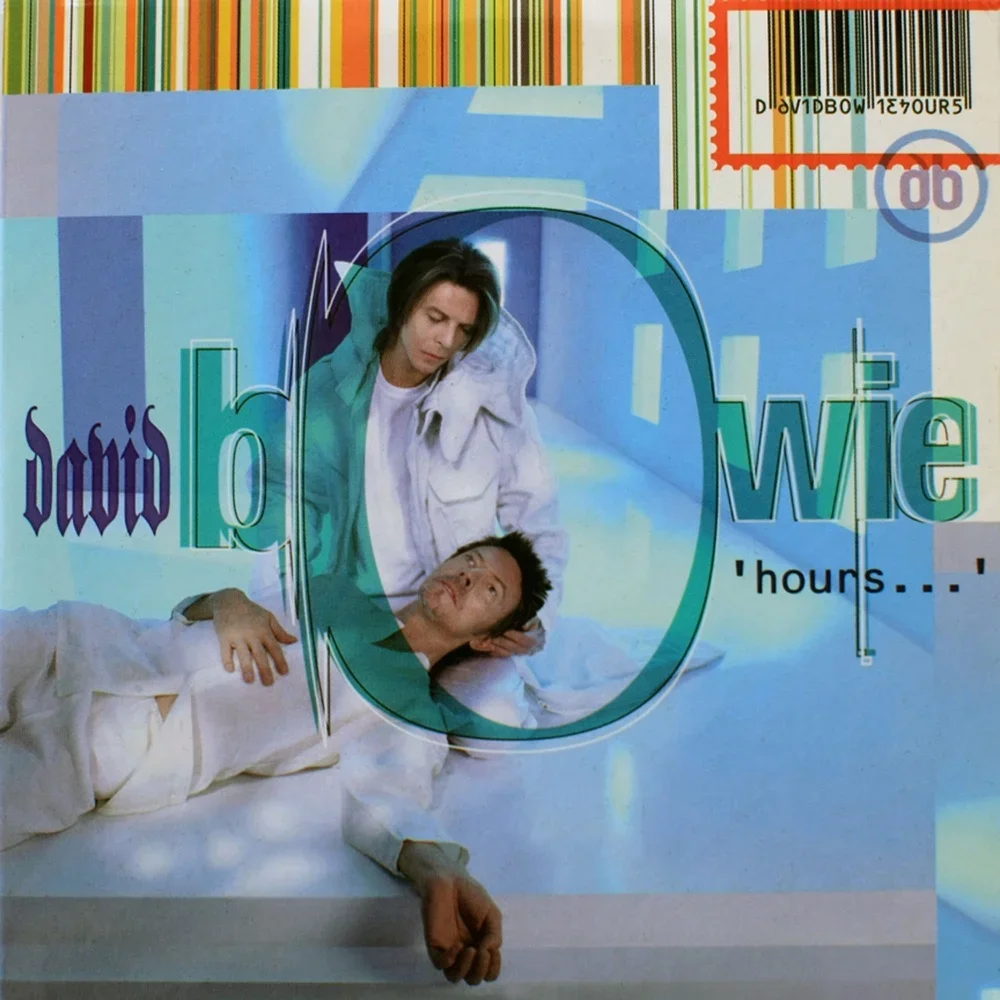
A calmer pop-rock return with Reeves Gabrels, led by 'Thursday's Child' and notable as the first album by a major artist sold as a download.
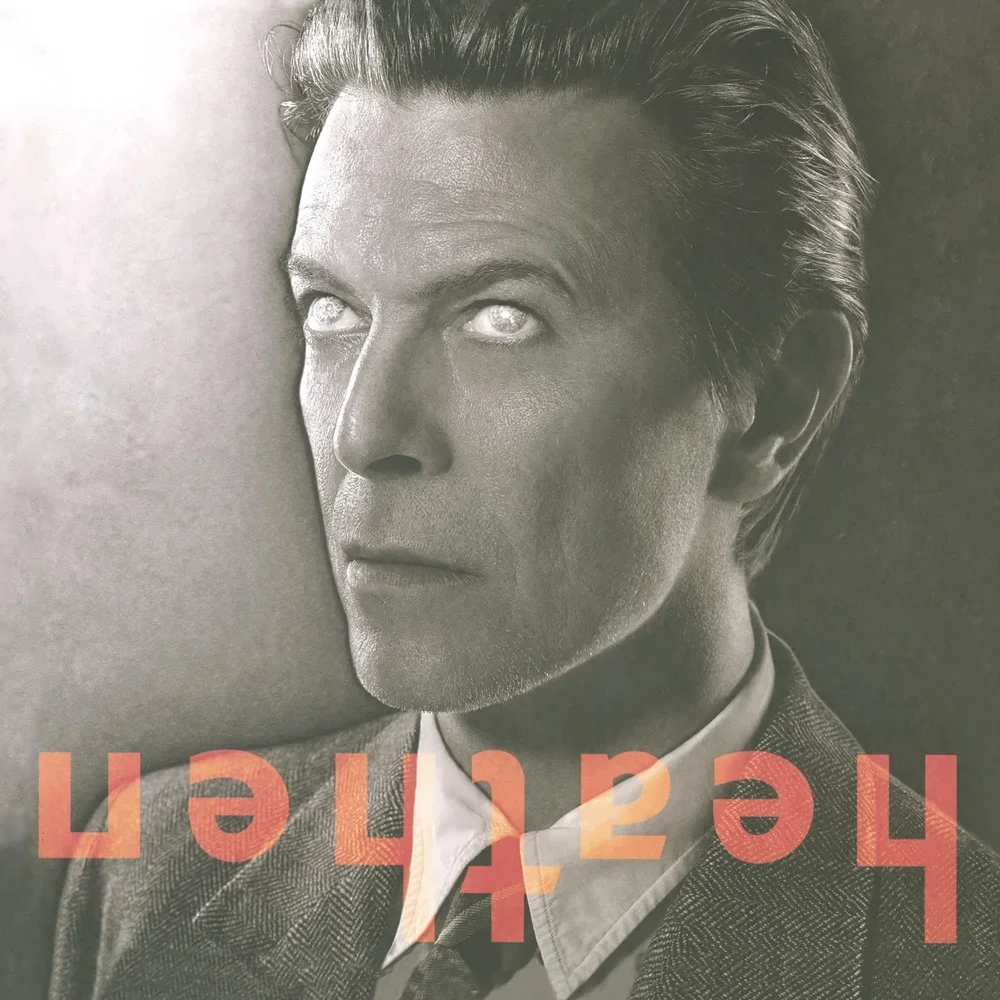
His first full album with Tony Visconti since 1980, a reflective art-rock set with 'Slow Burn' and 'Everyone Says Hi', hailed as his best in years.
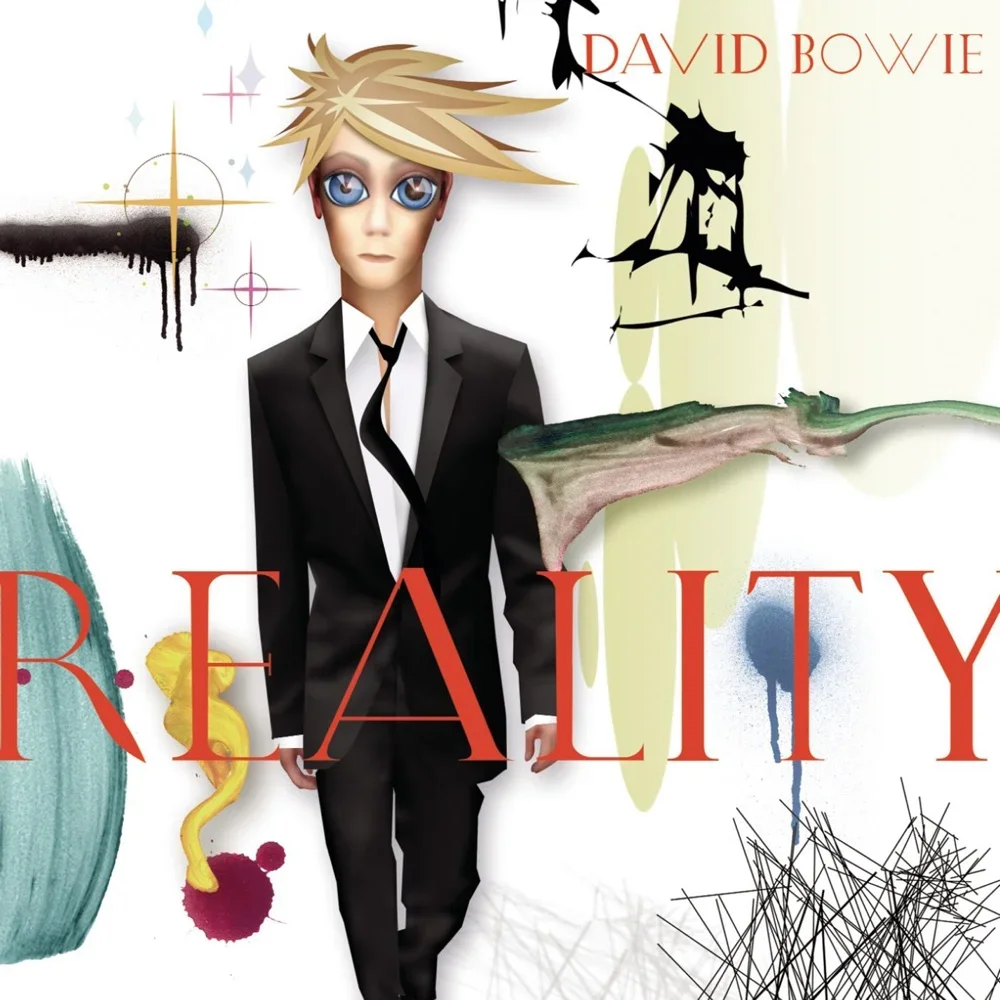
A direct, guitar-forward rock album with Tony Visconti, led by 'New Killer Star' and followed by A Reality Tour, Bowie's last.
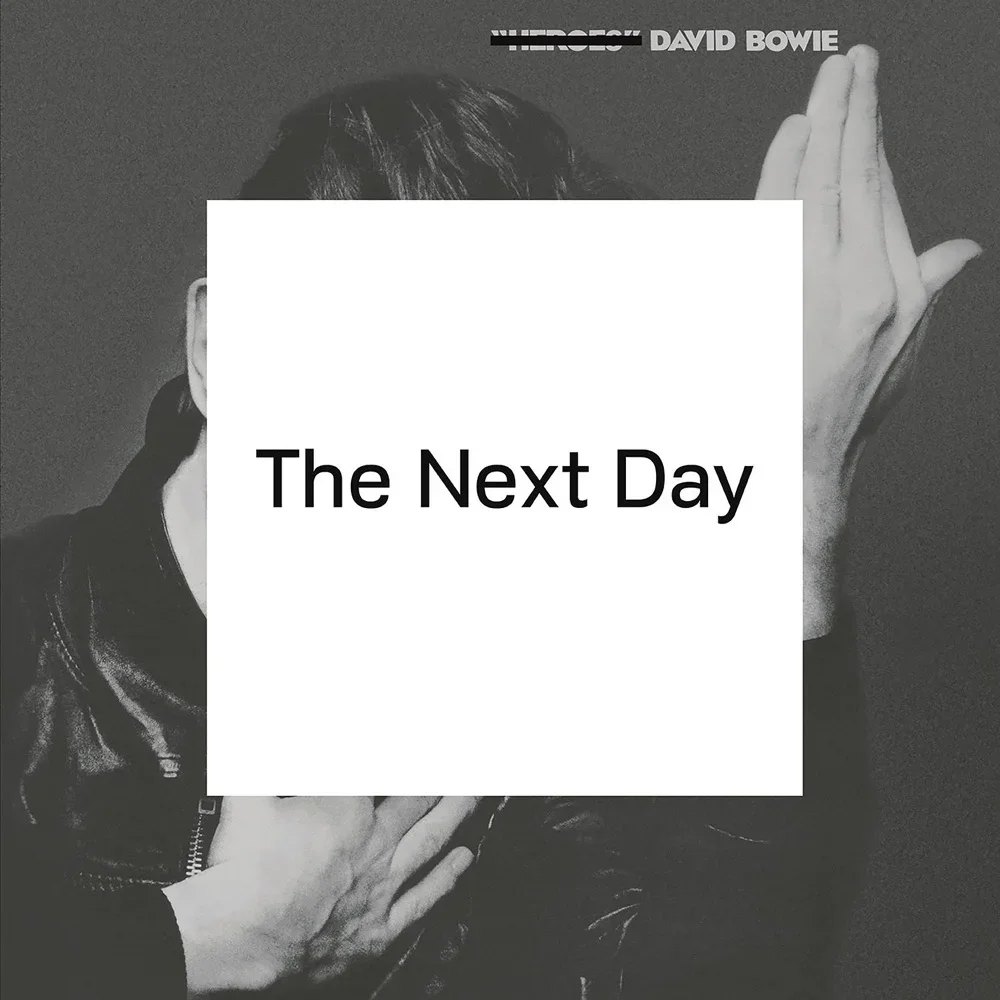
A surprise comeback after a decade of silence, art rock made with Visconti, announced by 'Where Are We Now?' under a defaced 'Heroes' cover.
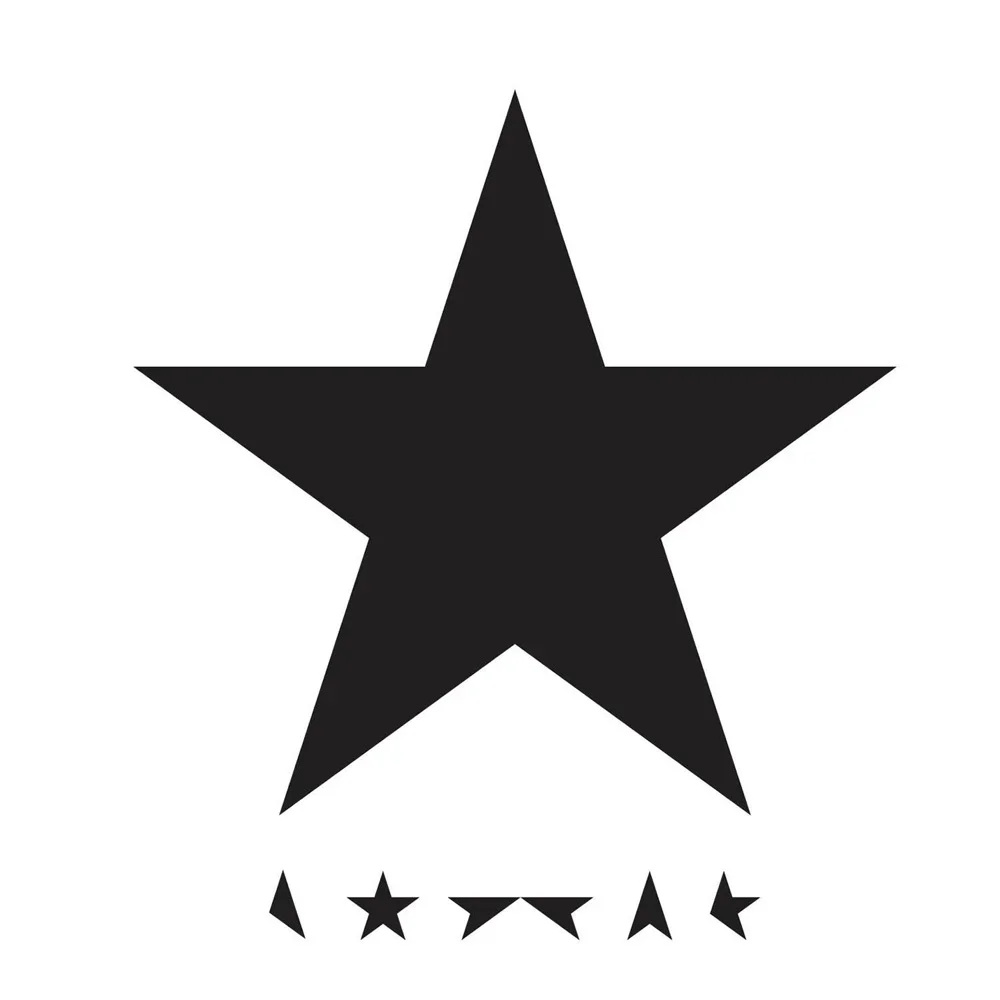
His jazz-inflected art-rock farewell with Donny McCaslin's quartet, released two days before his death; 'Lazarus' reads as a parting message.