The band's debut, mixing original songs with rock covers, where their taste for extended, harmony-rich arrangements is already audible.

The second album, recorded with an orchestra alongside the band and the last to feature original guitarist Peter Banks.

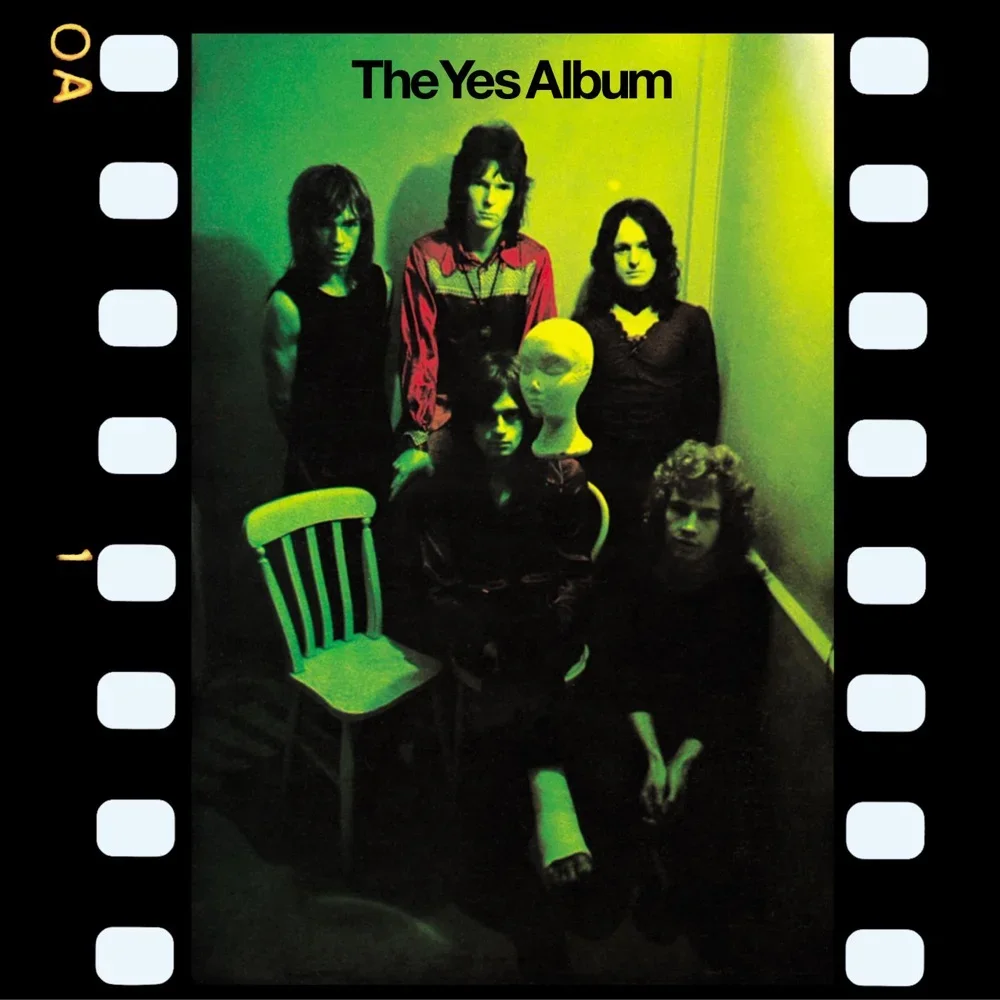
The commercial breakthrough and Steve Howe's first album with the band, home to 'Yours Is No Disgrace' and 'Starship Trooper'.

The first album with keyboardist Rick Wakeman, opening with the hit 'Roundabout' and pairing full-band pieces with solo showcases.

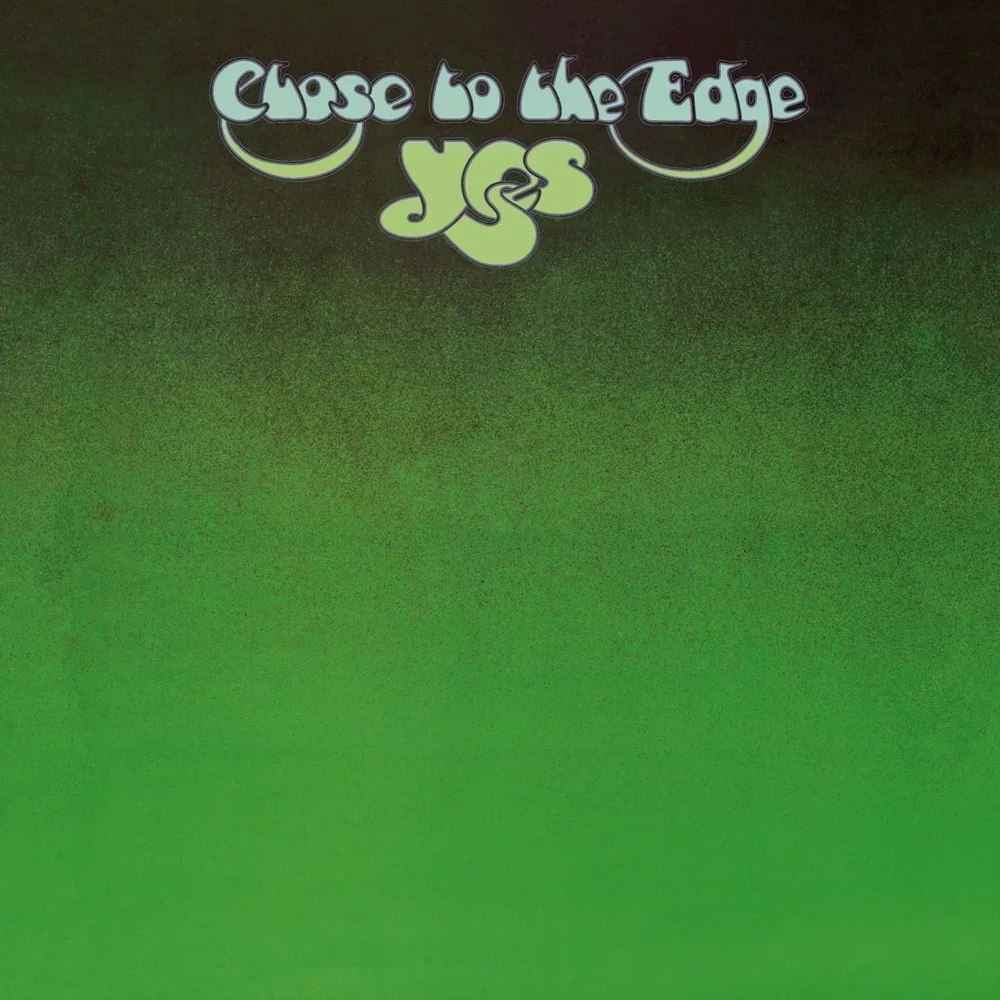
Widely regarded as their finest work, built around a side-long title suite and often held up as a high point of progressive rock.

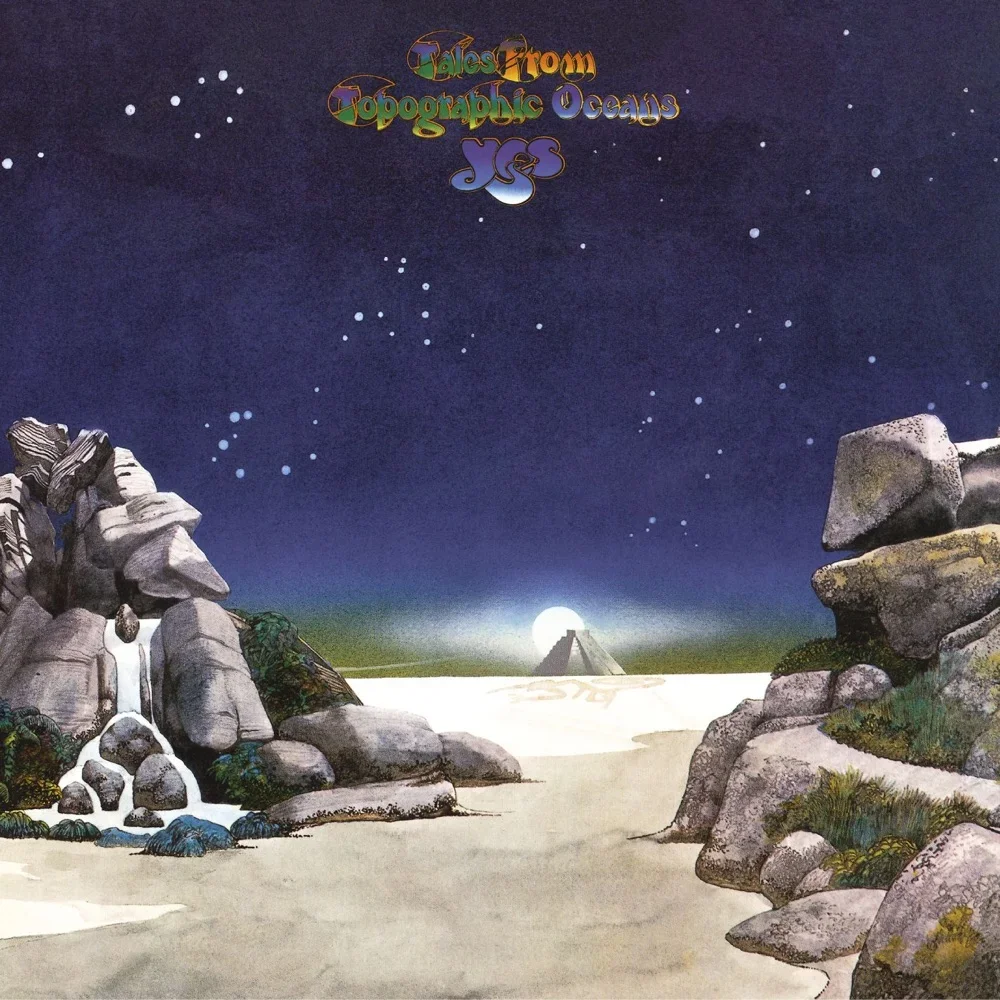
An ambitious double album of just four long pieces, inspired by Hindu scriptures and among the most divisive records of its era.

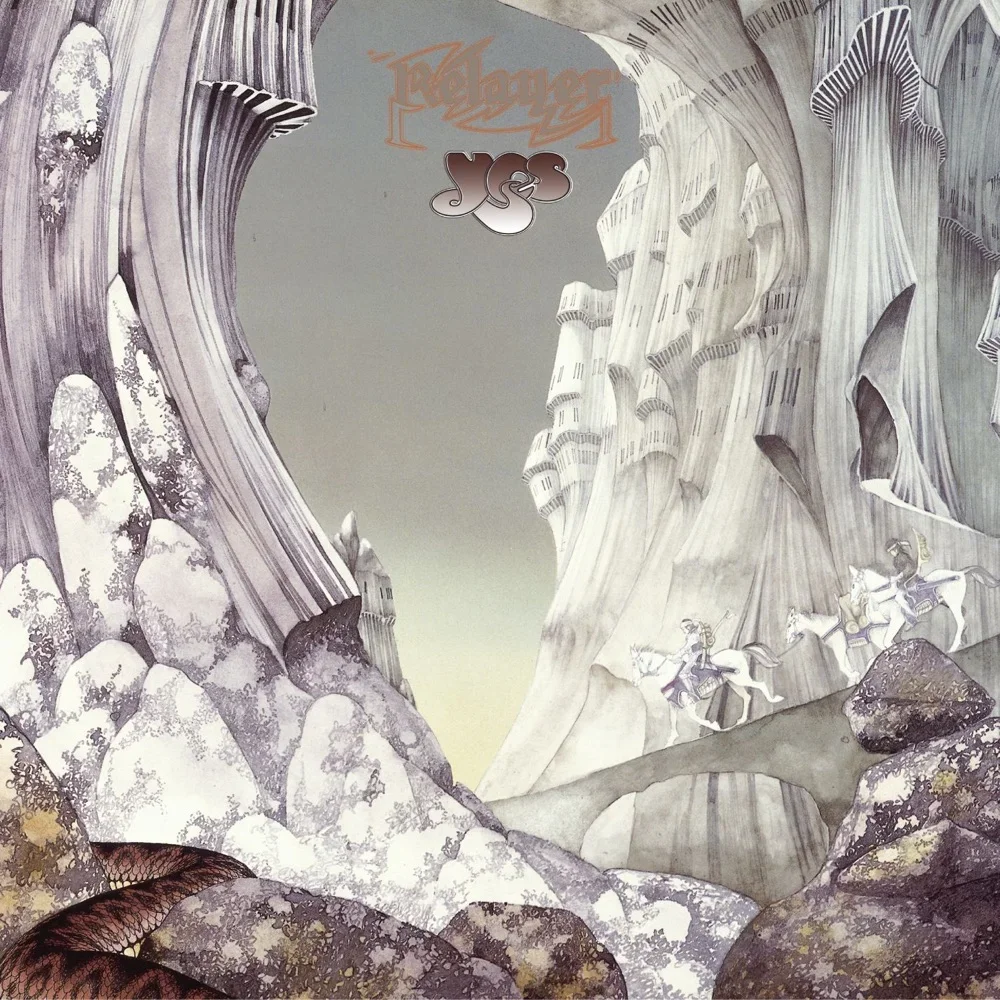
Recorded with keyboardist Patrick Moraz, a harder and more jazz-tinged album led by the side-long 'The Gates of Delirium'.

A leaner, brighter album that brought Rick Wakeman back to the band, closing with the epic 'Awaken'.

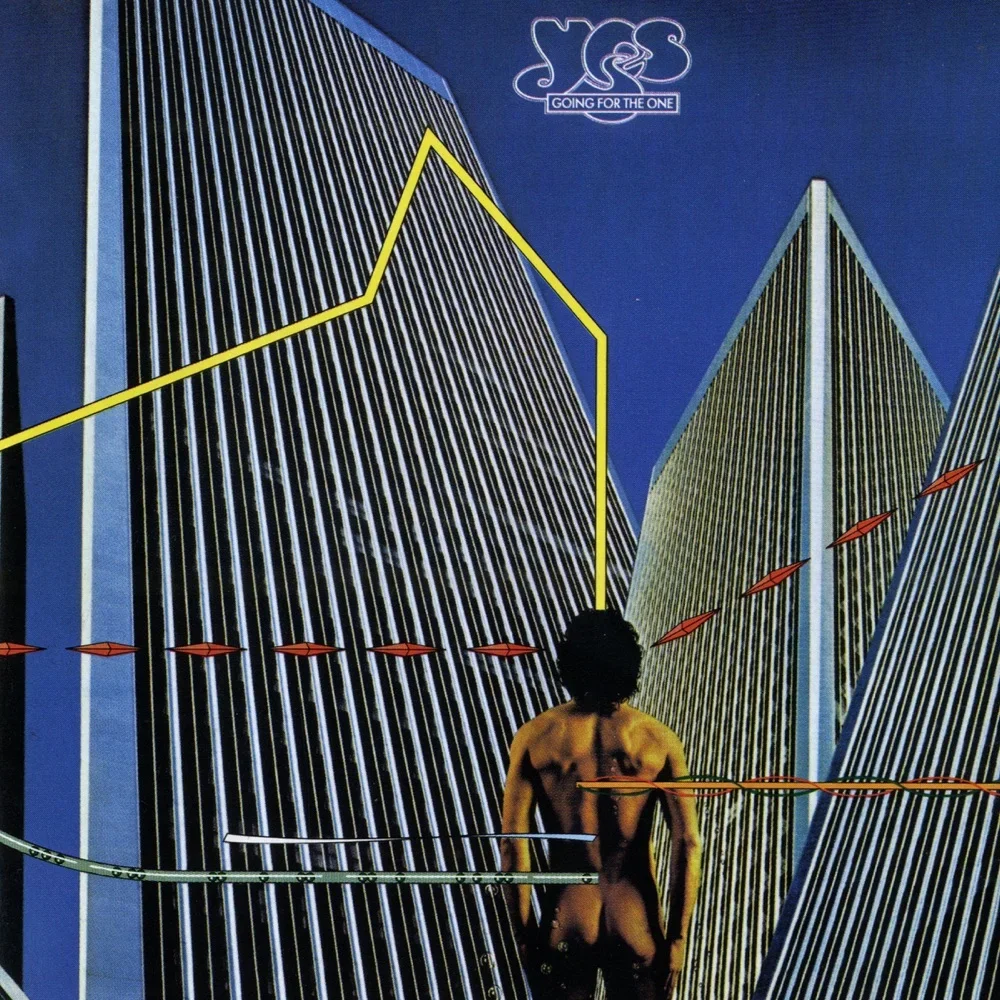
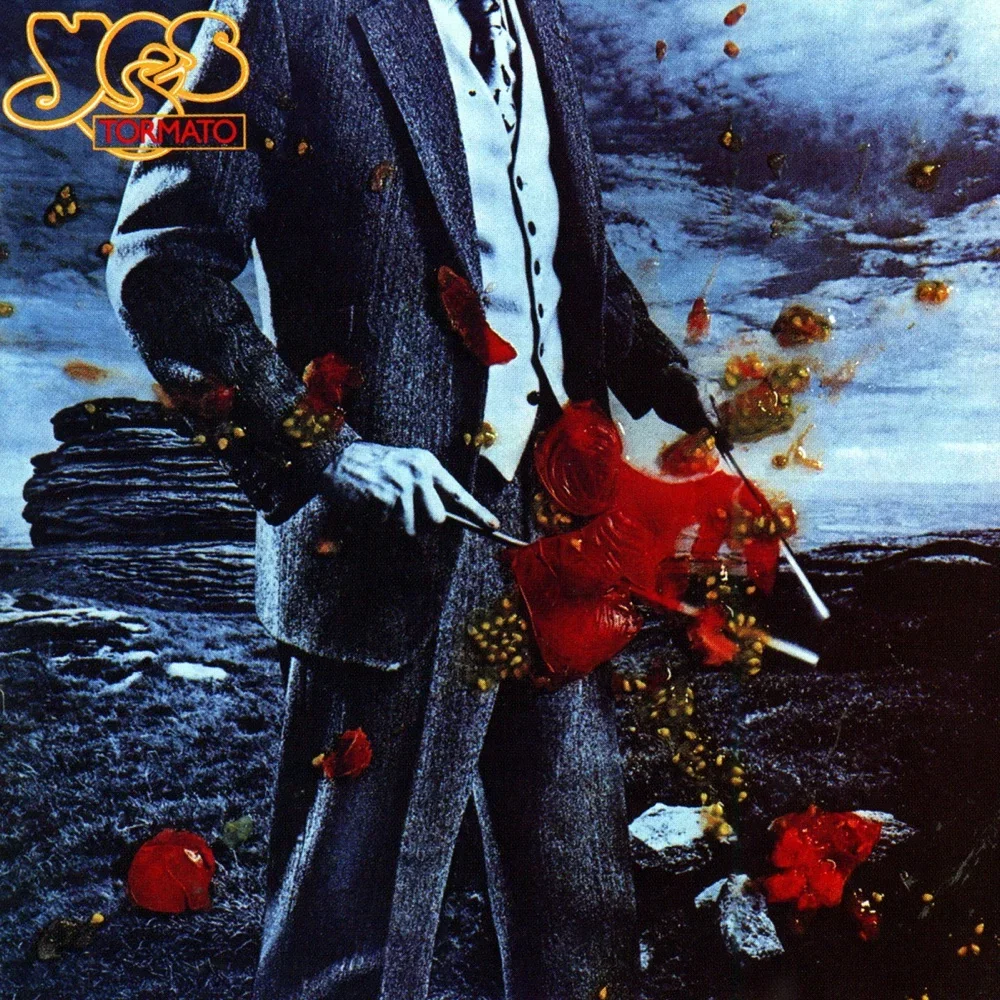
A shorter, more song-based album that closed the band's seventies run before a major line-up upheaval.

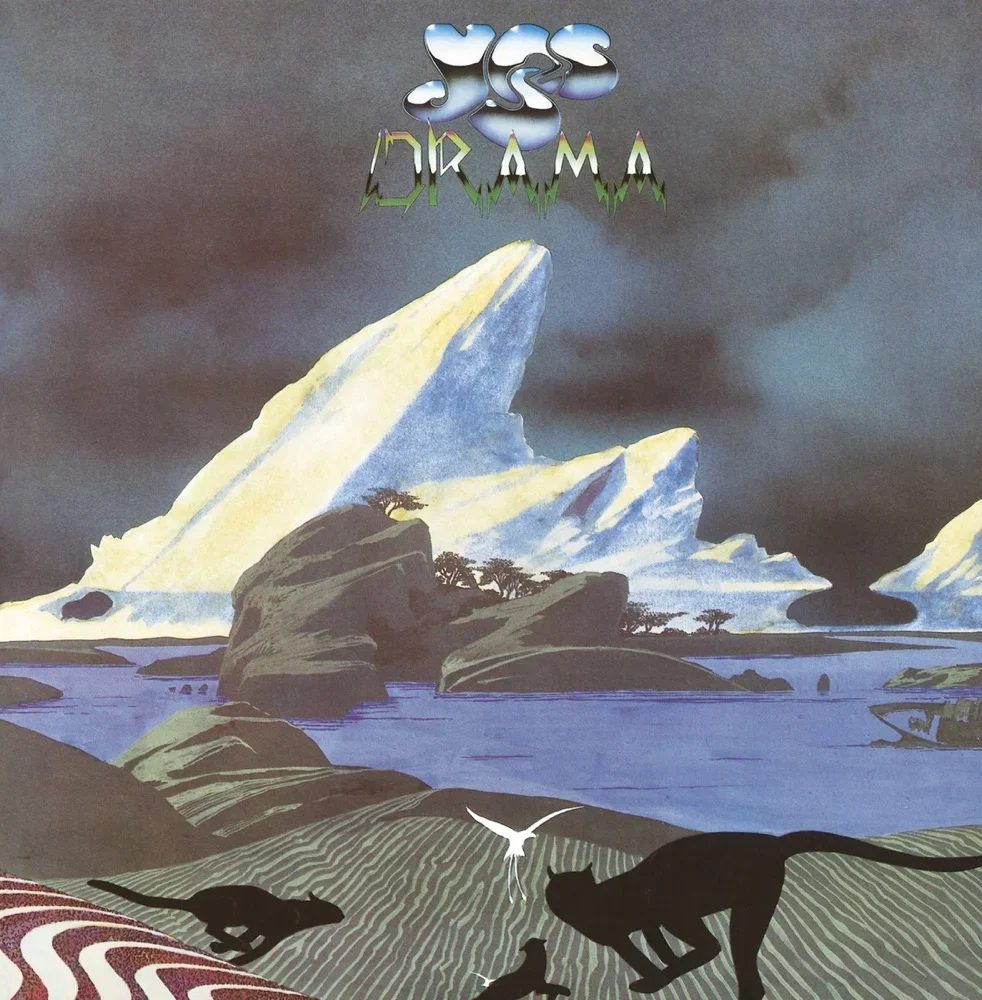
A harder-edged album made after Anderson and Wakeman left, with Trevor Horn and Geoff Downes of the Buggles stepping in.

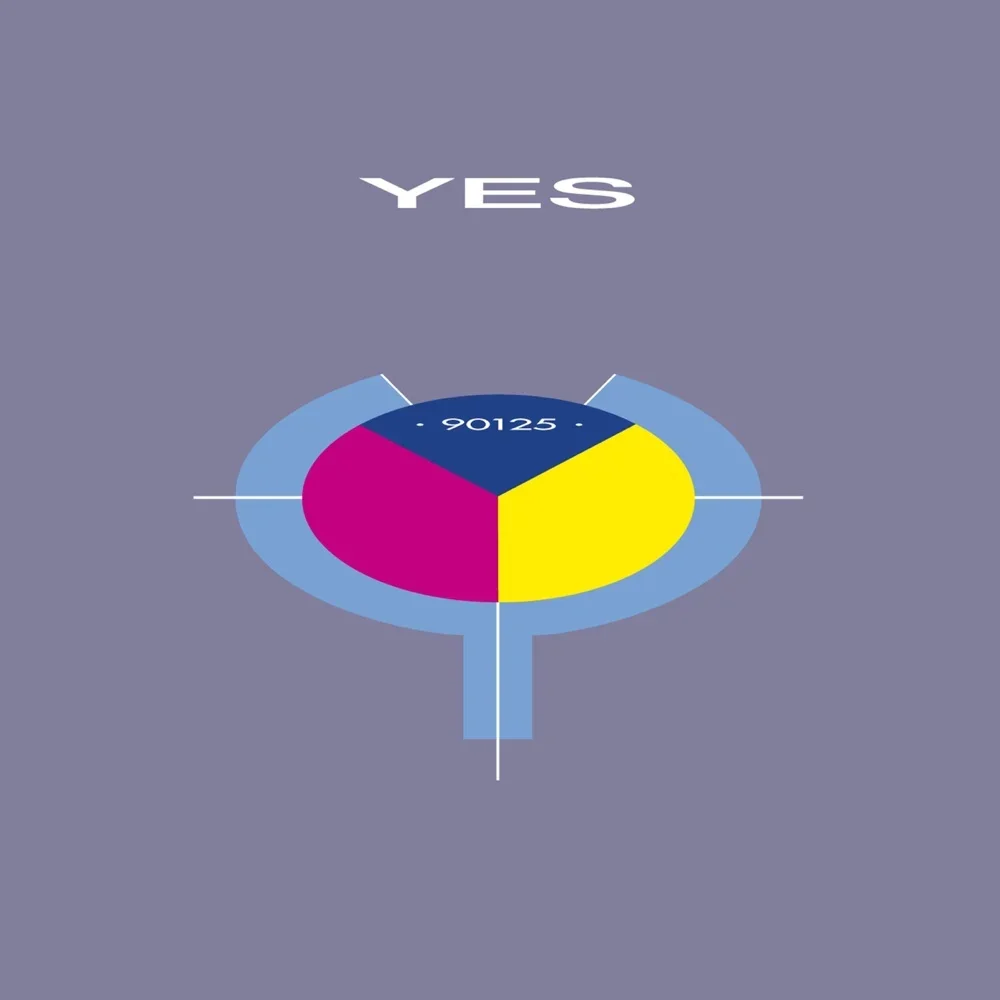
A pop-oriented reinvention and their best-selling album, driven by the number-one single 'Owner of a Lonely Heart'.

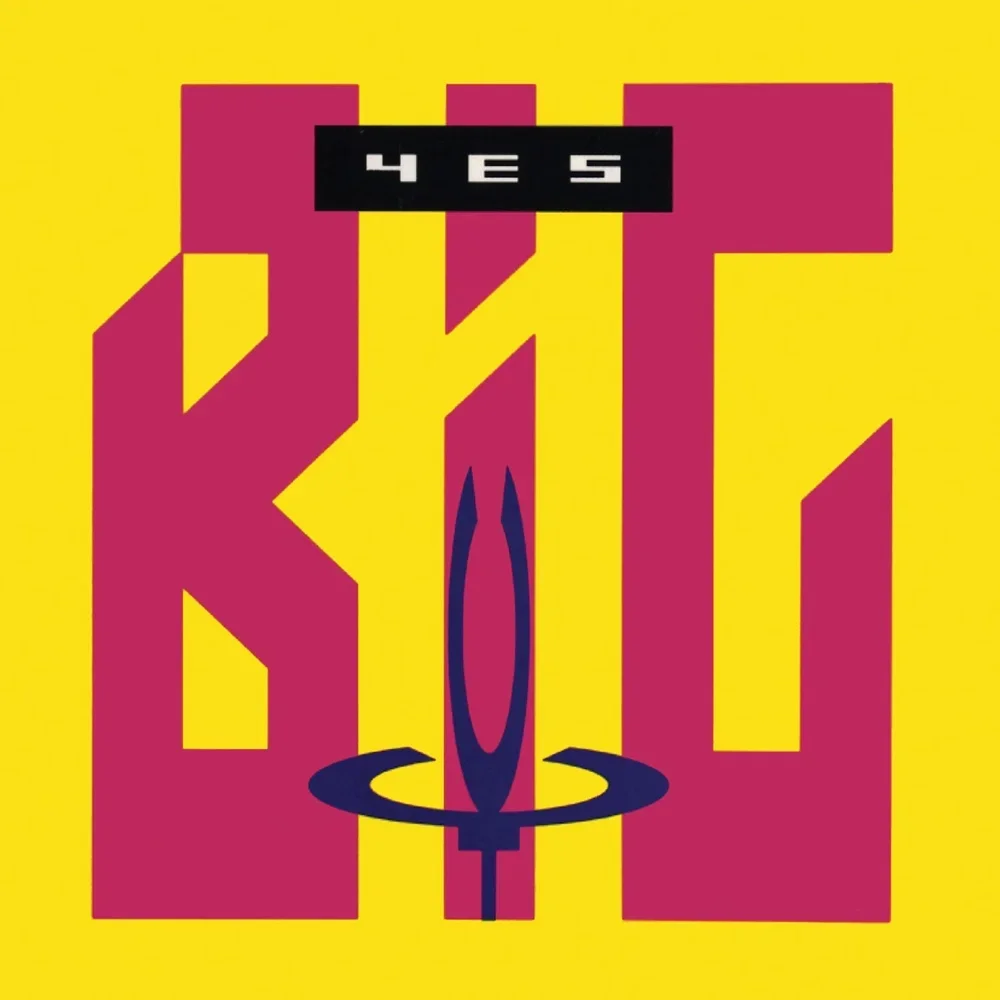
A polished follow-up to 90125 in the same commercial vein, including 'Rhythm of Love' and 'Love Will Find a Way'.

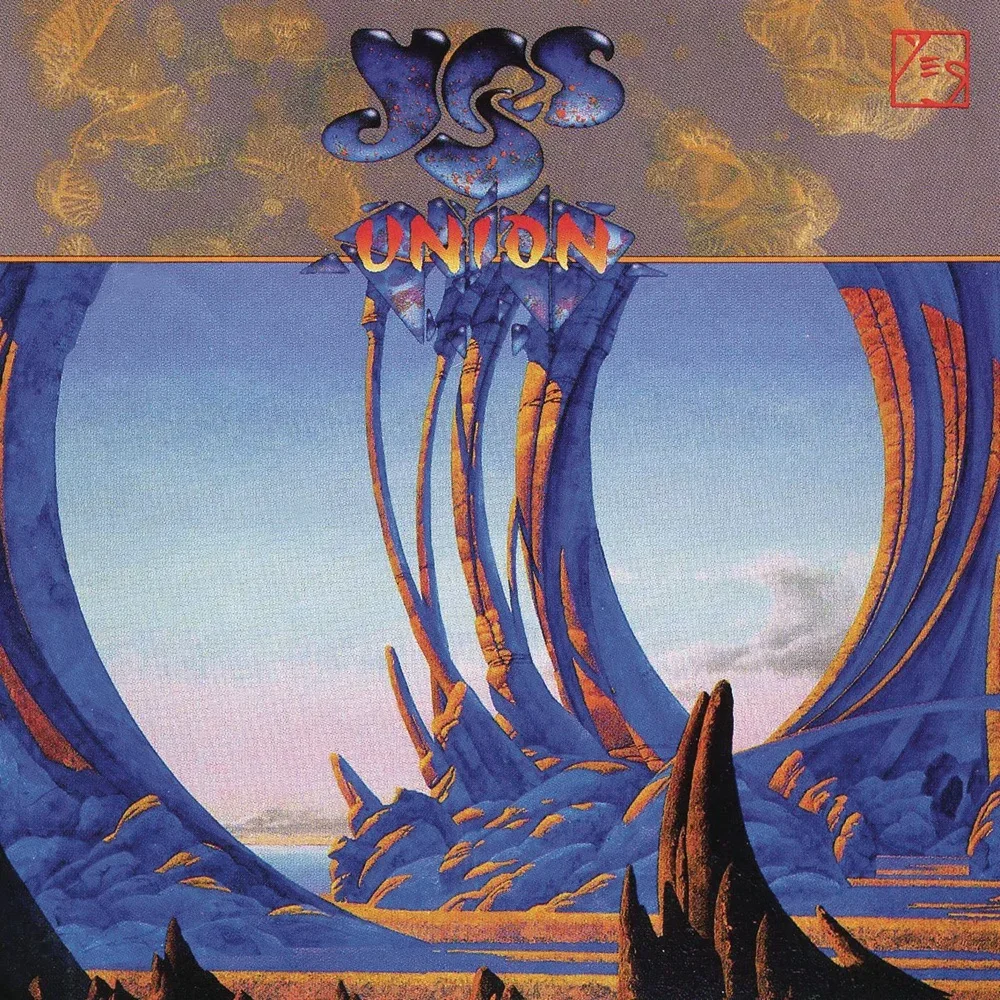
An album that briefly reunited two rival Yes camps, bringing eight musicians together on record.

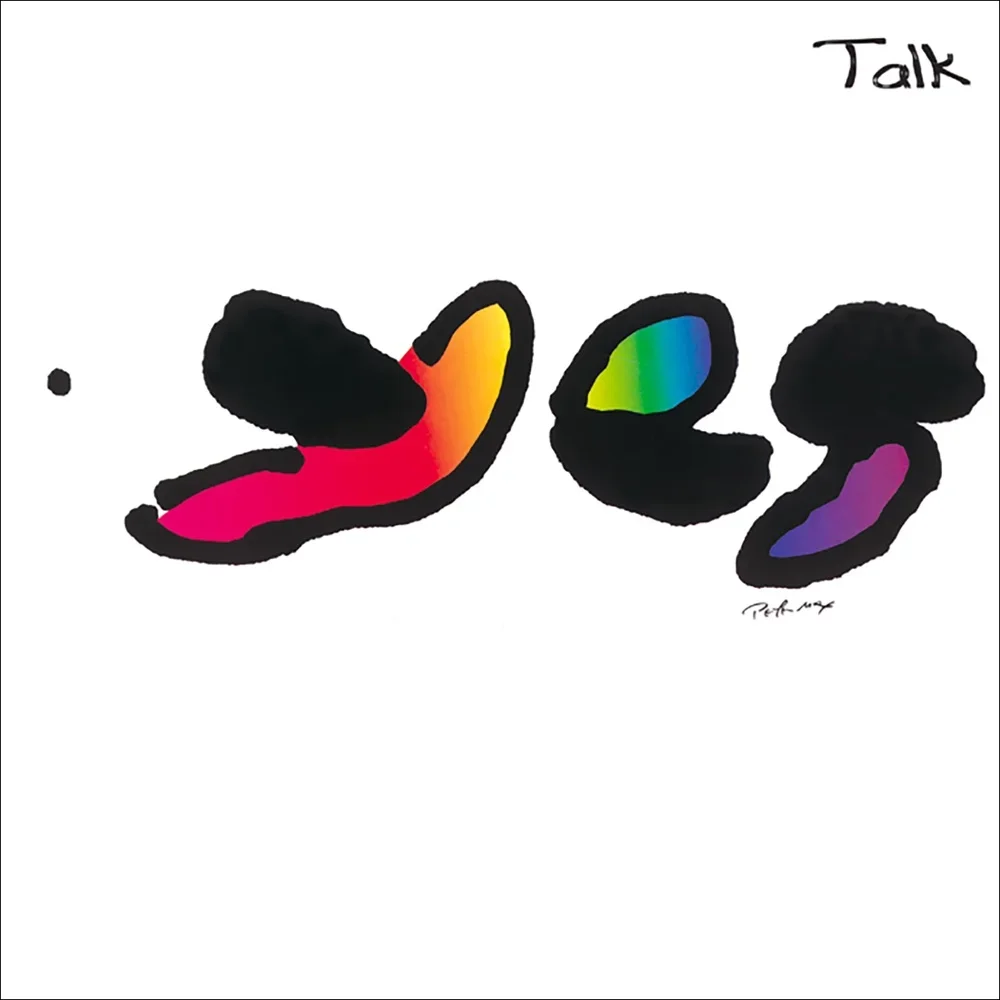
A largely digital album shaped by guitarist Trevor Rabin, the last of the band's Rabin-era records.

An album from the reunited classic-era core, recorded quickly as the band returned to touring.

A warmer, more accessible album produced by Bruce Fairbairn, ranging from concise songs to longer pieces.

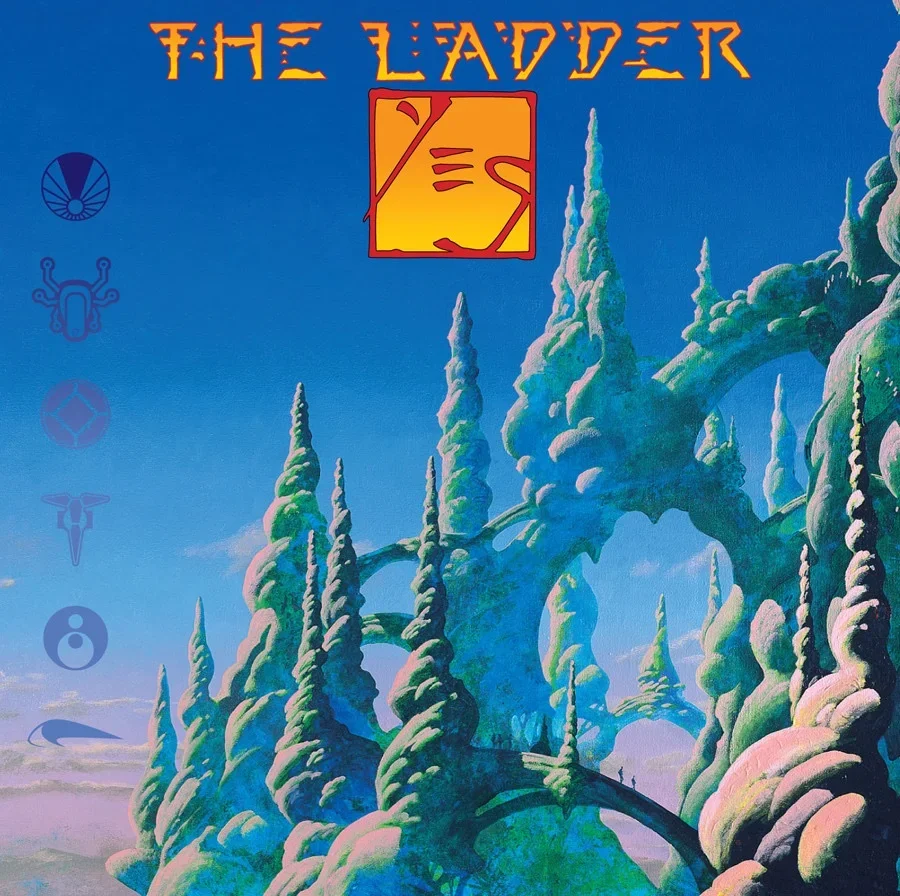
Recorded with a full orchestra in place of a keyboardist, a lush late-period album.

The first studio album in a decade, produced by Trevor Horn and built around the multi-part title suite.

The first album with singer Jon Davison, a softer and melodic set, and the band's last studio record with bassist Chris Squire.

A late-career album led by Steve Howe, the first Yes record without any founding member.

A long, expansive album again produced by Steve Howe, with an orchestra featured on several tracks.

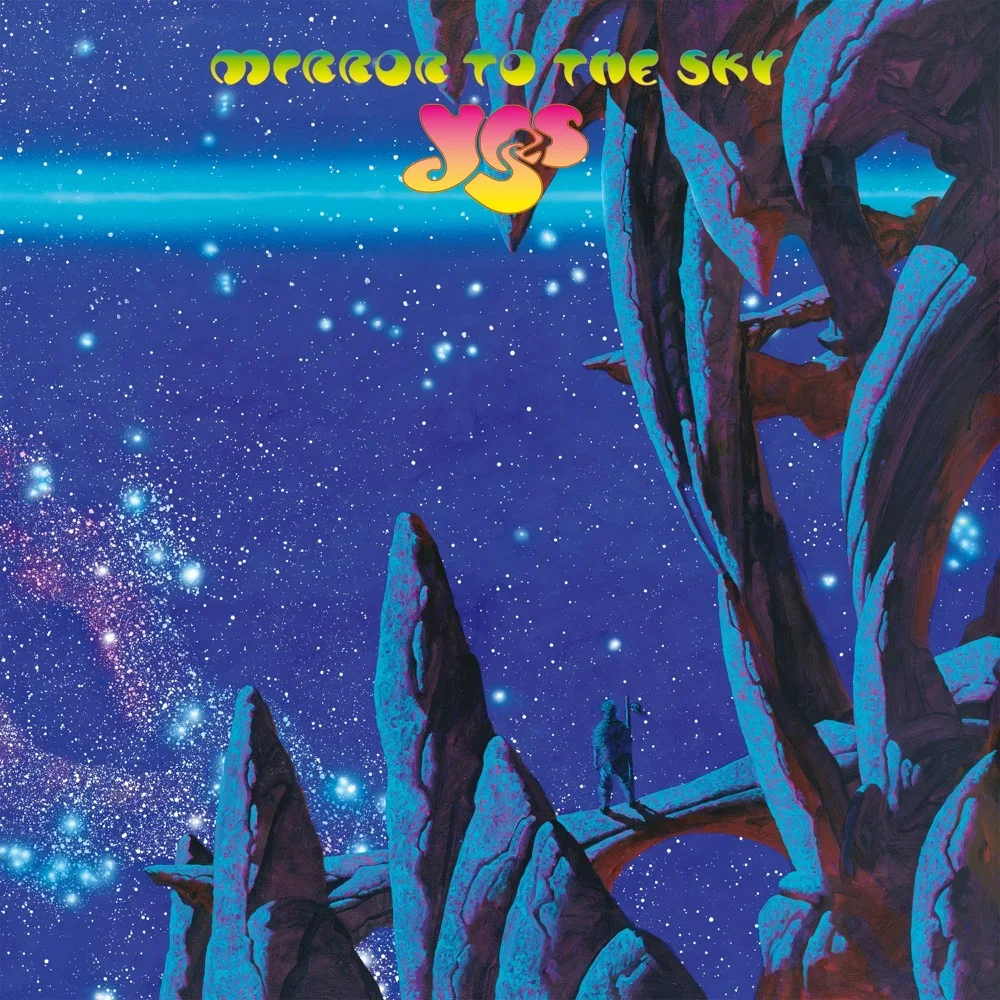
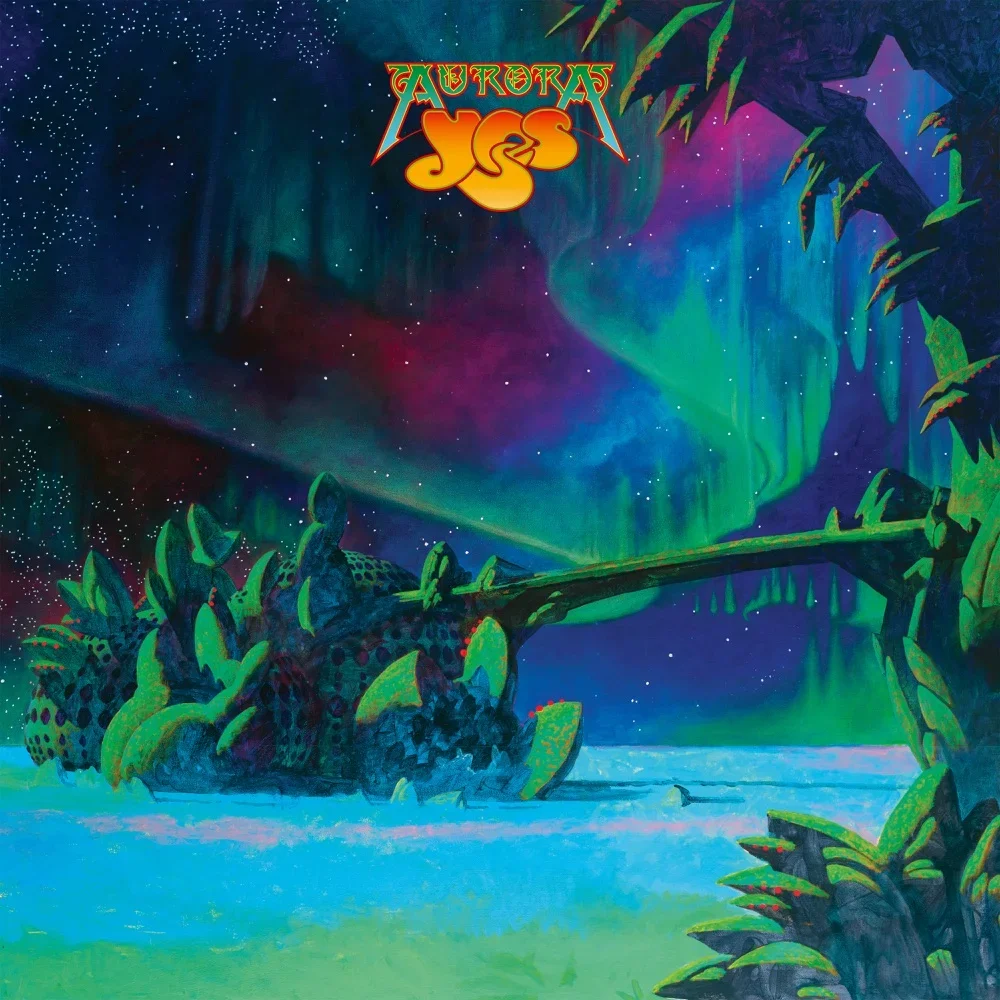
A recent studio album that continues the band's late-period run under Steve Howe.