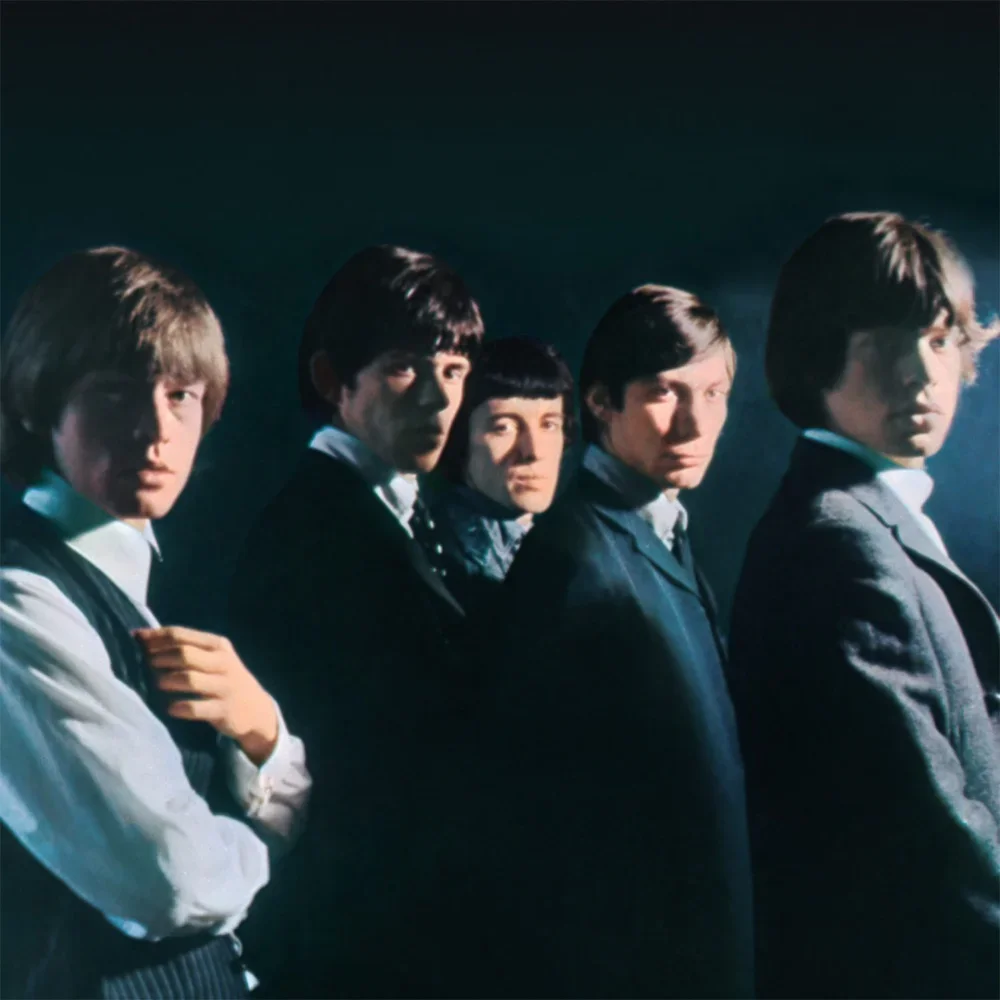
The debut album, made up mostly of rhythm and blues and Chuck Berry covers, catching the young band's club sound.

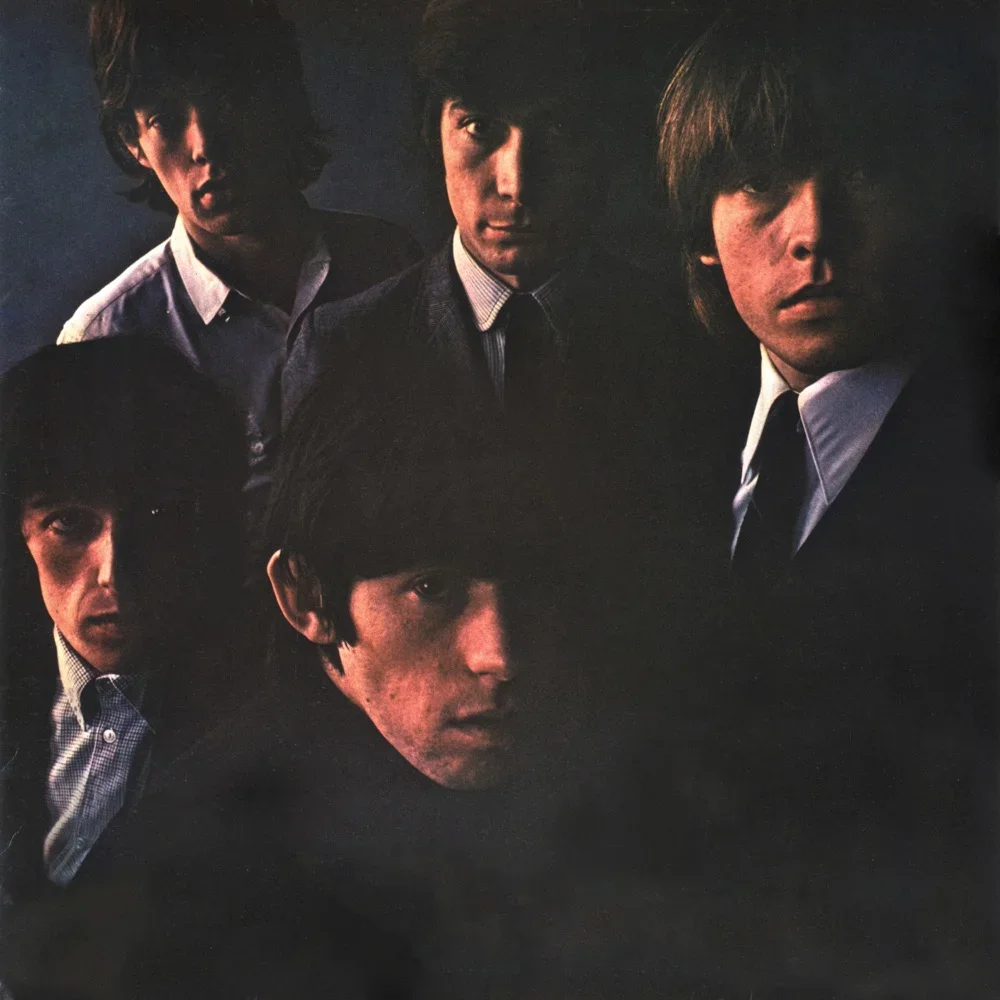
The second UK album, still built on blues and soul covers but with a few early Jagger-Richards originals.

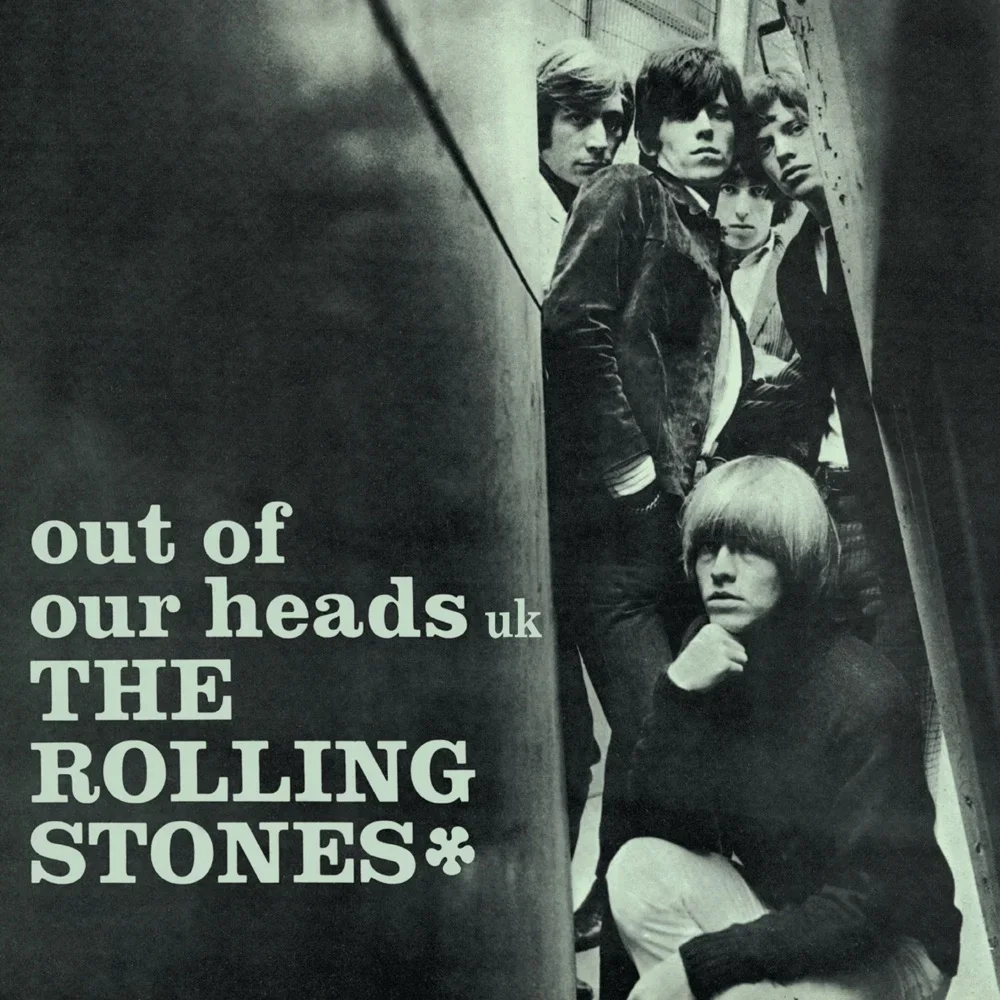
A soul-leaning set of covers and originals from the band's transitional year, released in a different form in the US.

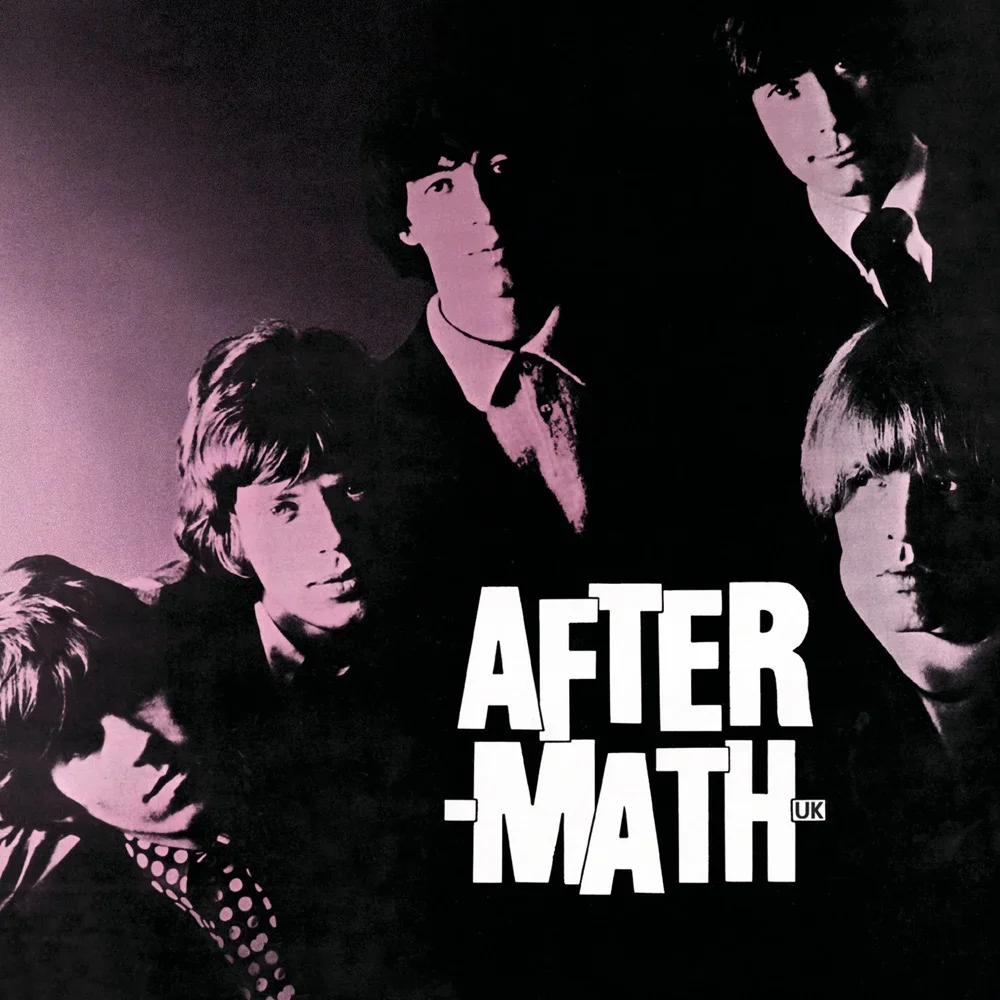
Their first album written entirely by Jagger and Richards, from 'Mother's Little Helper' to the long closer 'Goin' Home'.

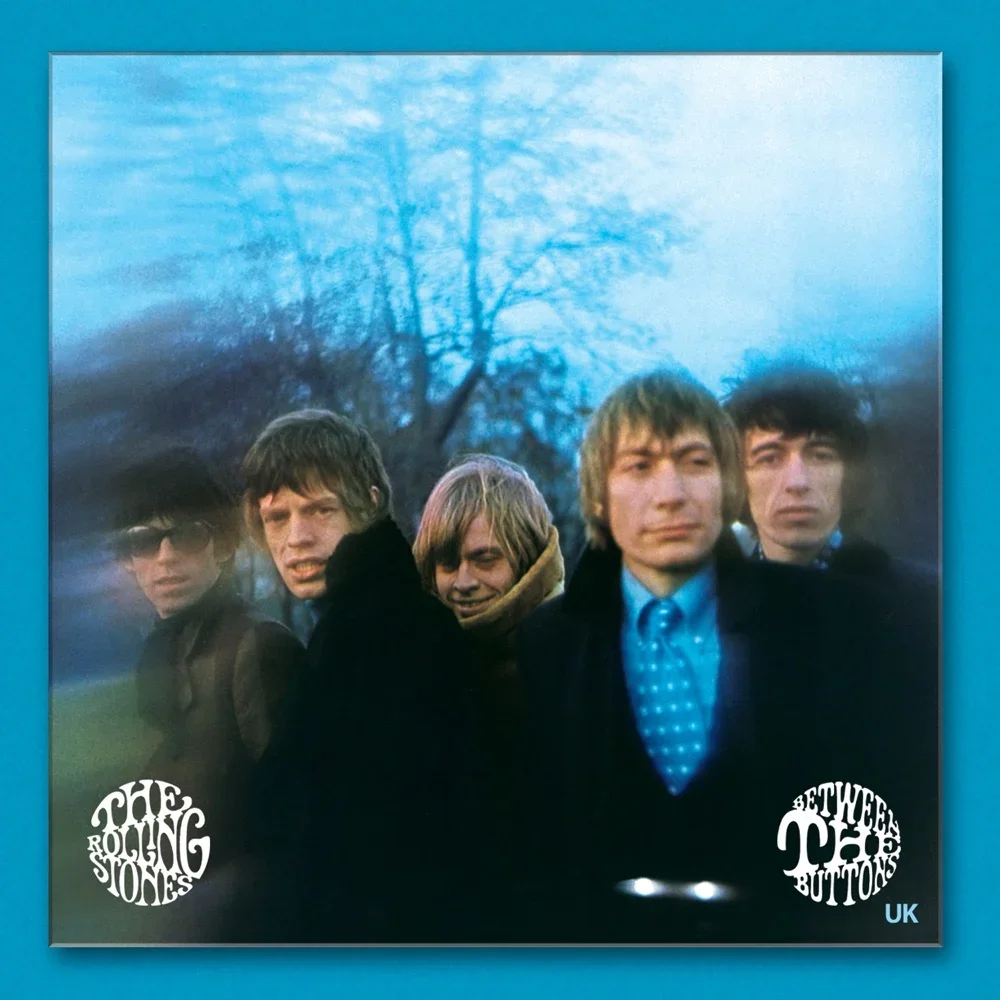
A poppier record touched by music hall and psychedelia, with 'Yesterday's Papers' and 'Back Street Girl'.

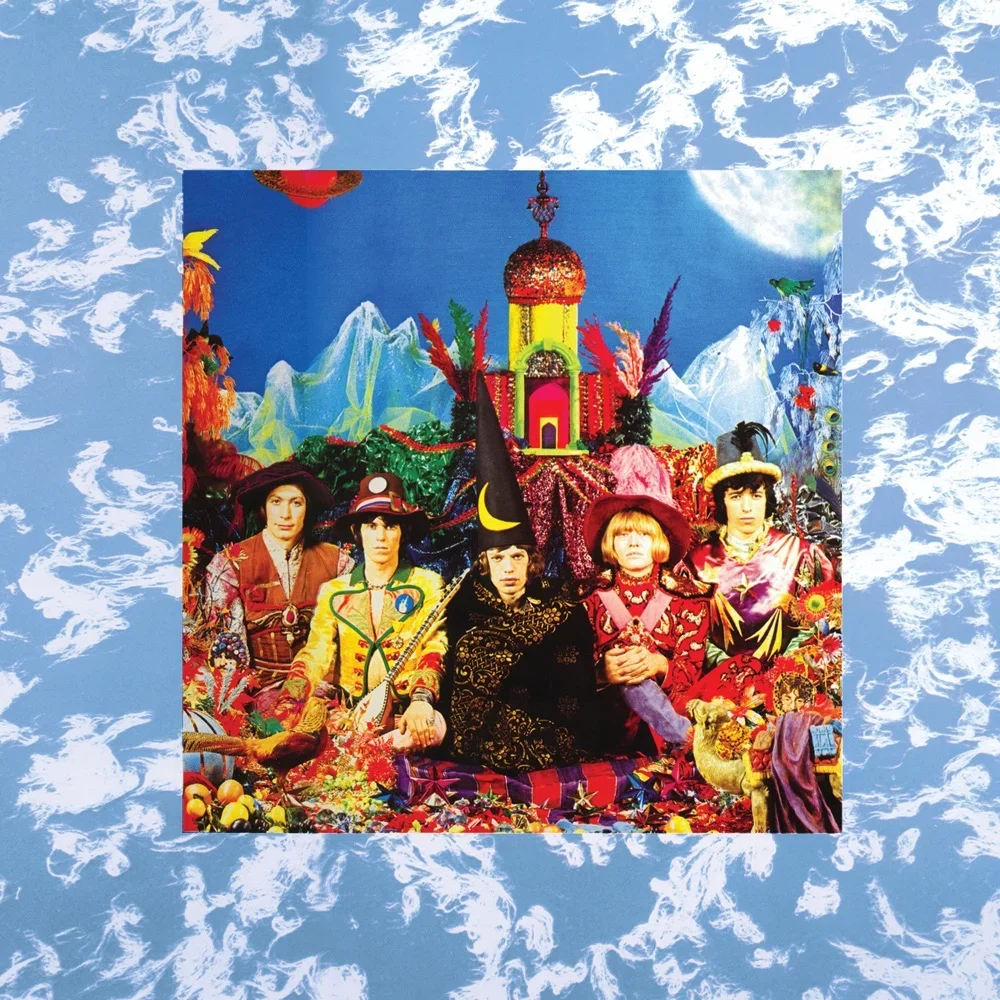
The band's psychedelic album, elaborate and experimental, made in the wake of Sgt. Pepper.

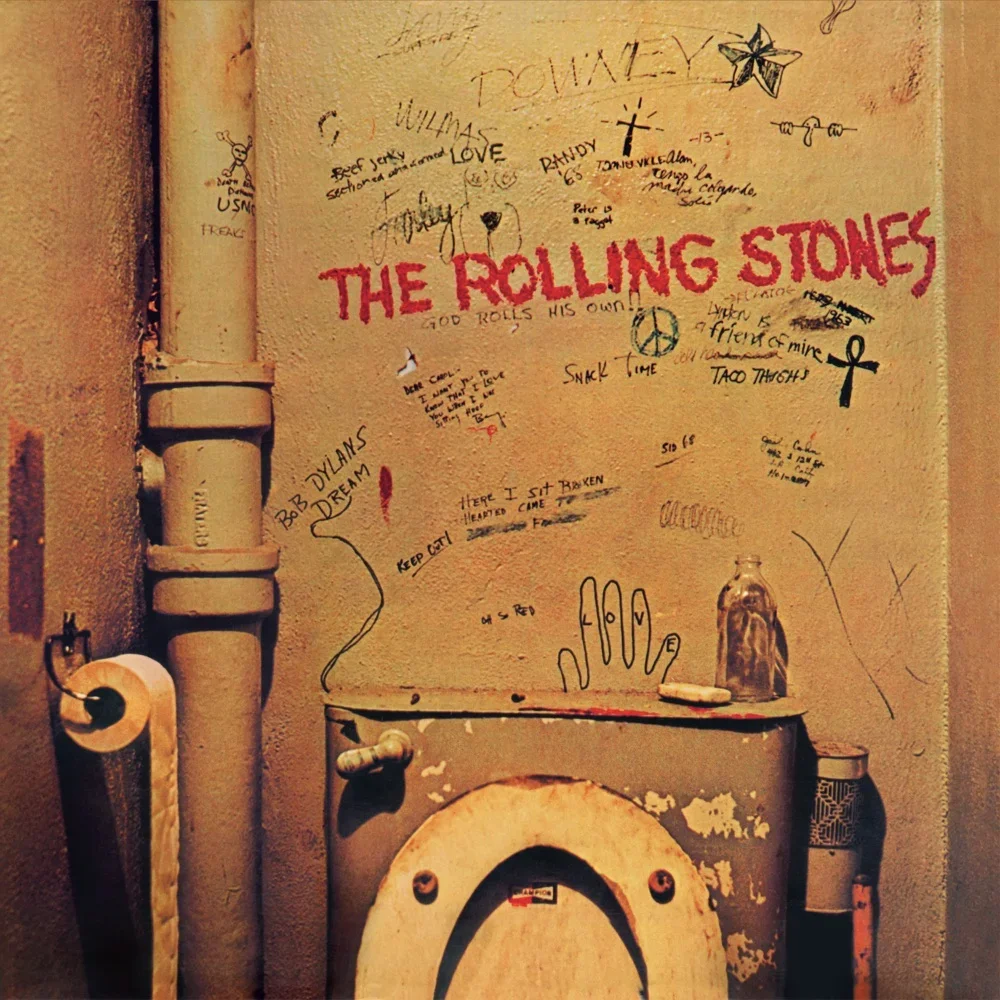
A return to blues and country roots, opening with 'Sympathy for the Devil' and 'Street Fighting Man'.

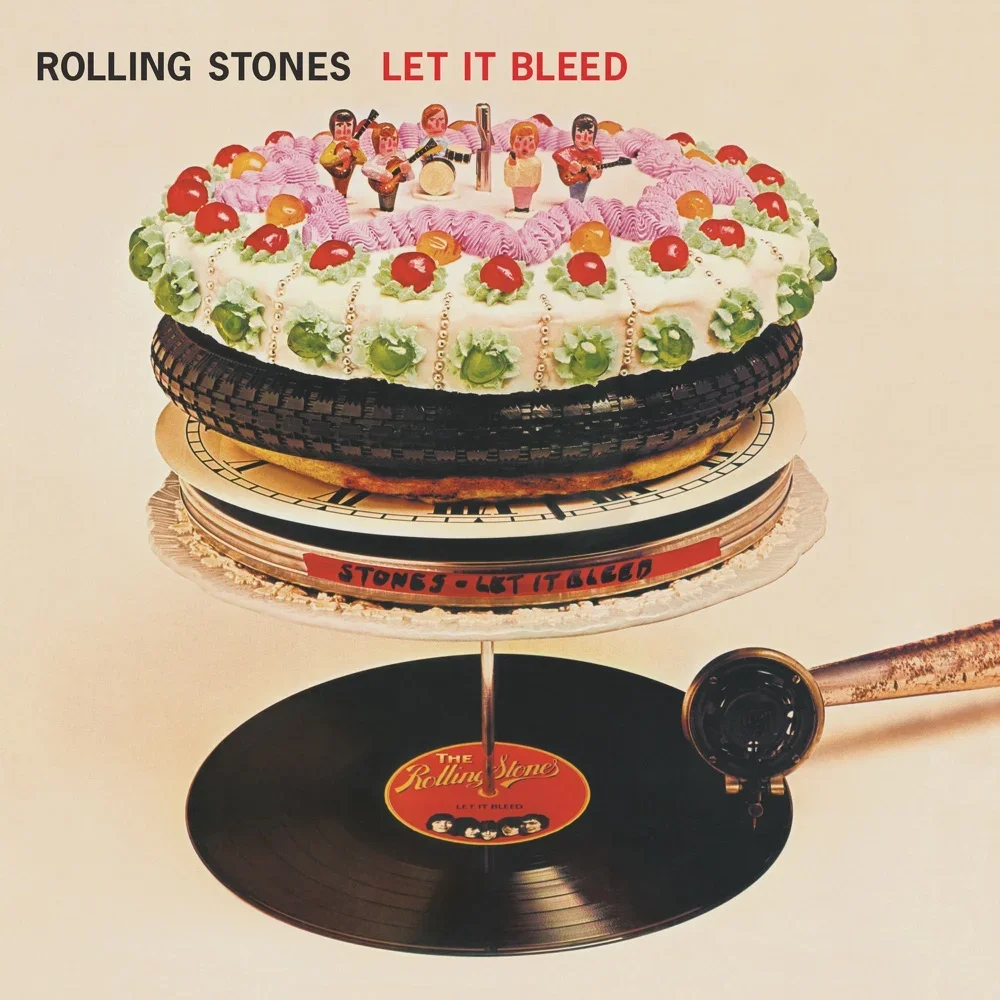
A dark record spanning country, blues and gospel, from 'Gimme Shelter' to 'You Can't Always Get What You Want'.

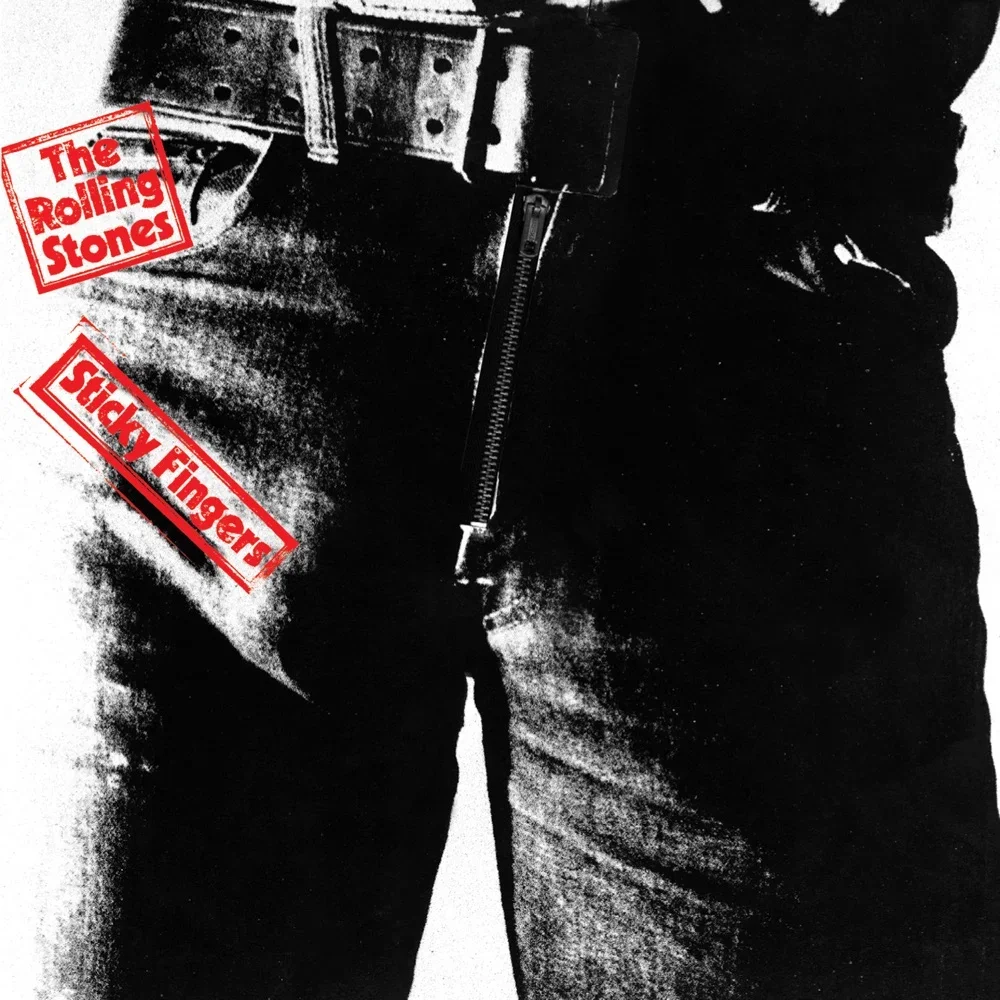
The first album on their own label, mixing rock, country and blues, with 'Brown Sugar' and 'Wild Horses'.

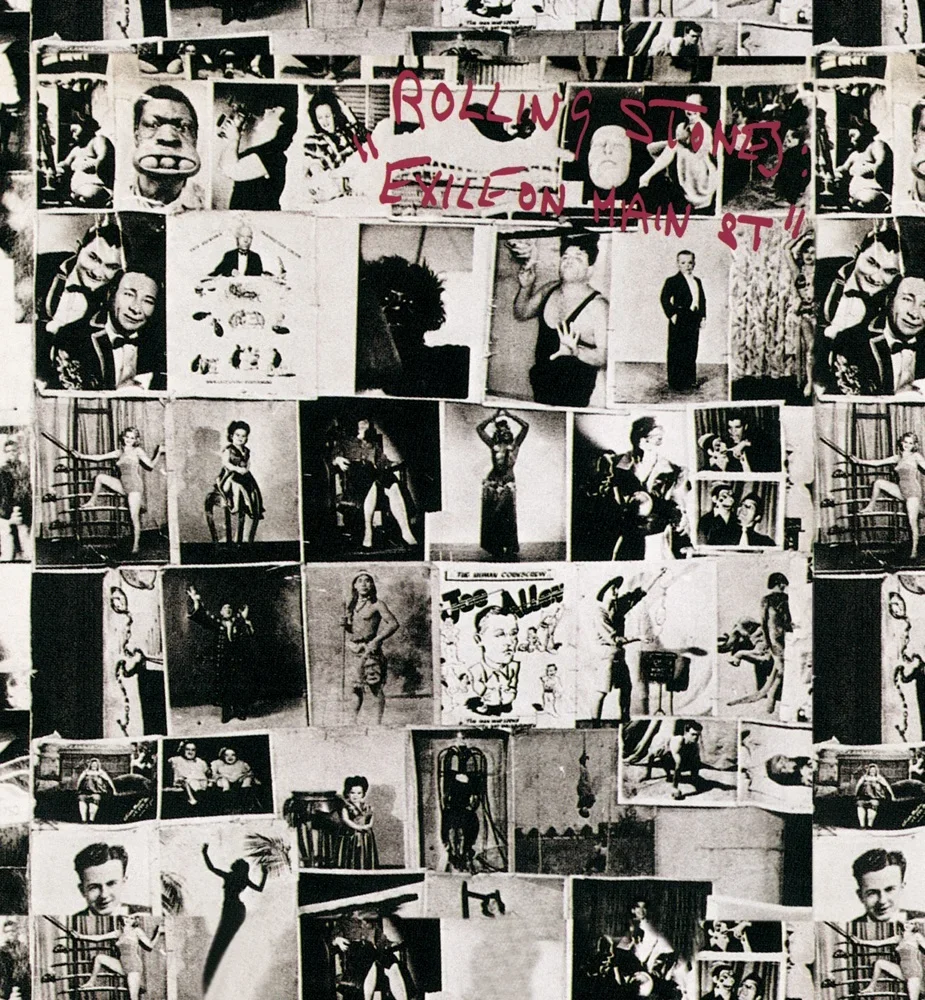
A sprawling double album recorded largely in a French villa, loose and rootsy across rock, blues and gospel.

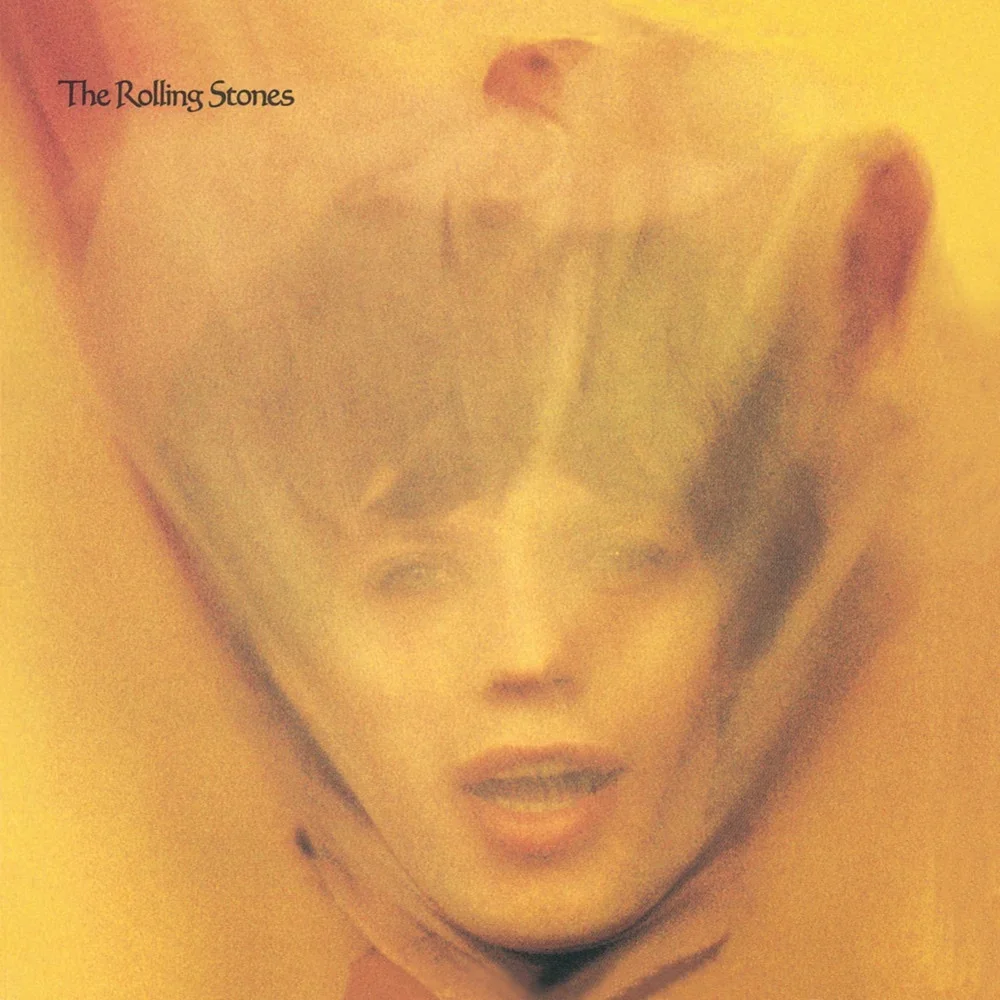
A looser follow-up recorded partly in Jamaica, carrying the ballad 'Angie'.

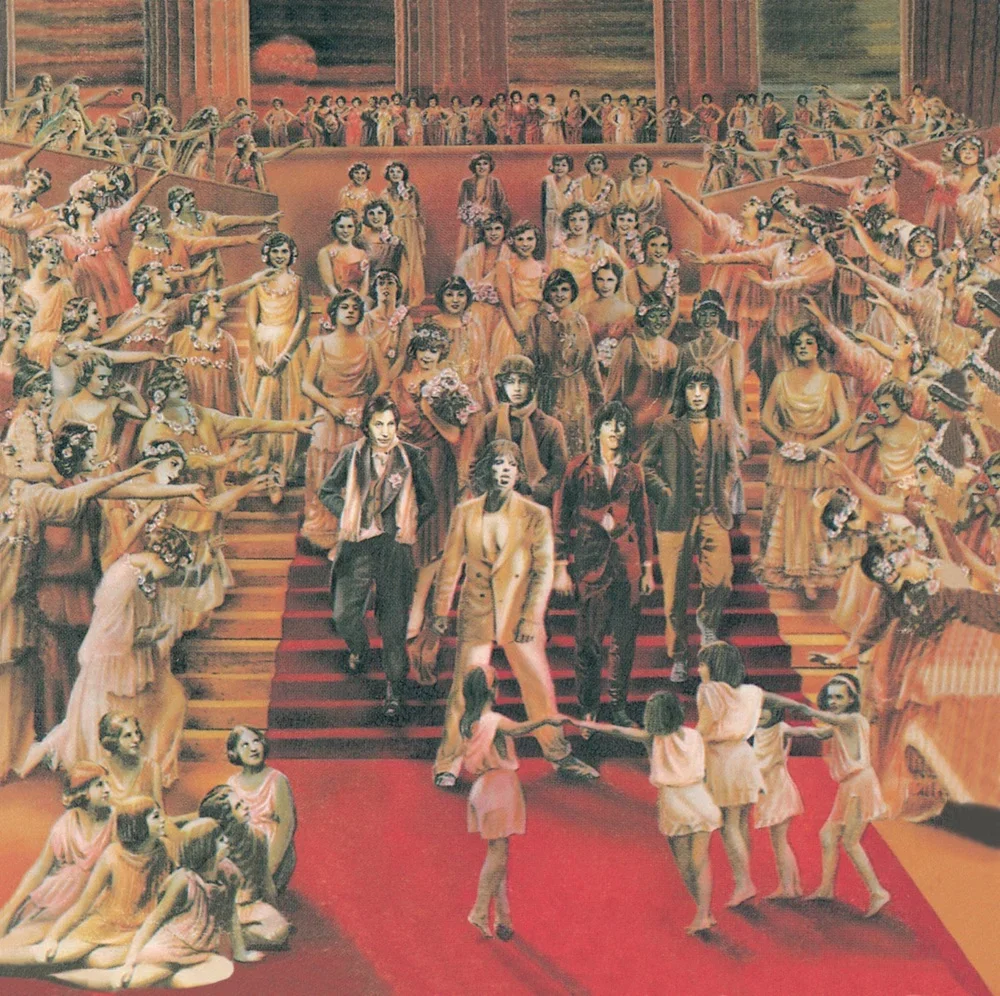
The last album with Mick Taylor, with the title track and a cover of 'Ain't Too Proud to Beg'.

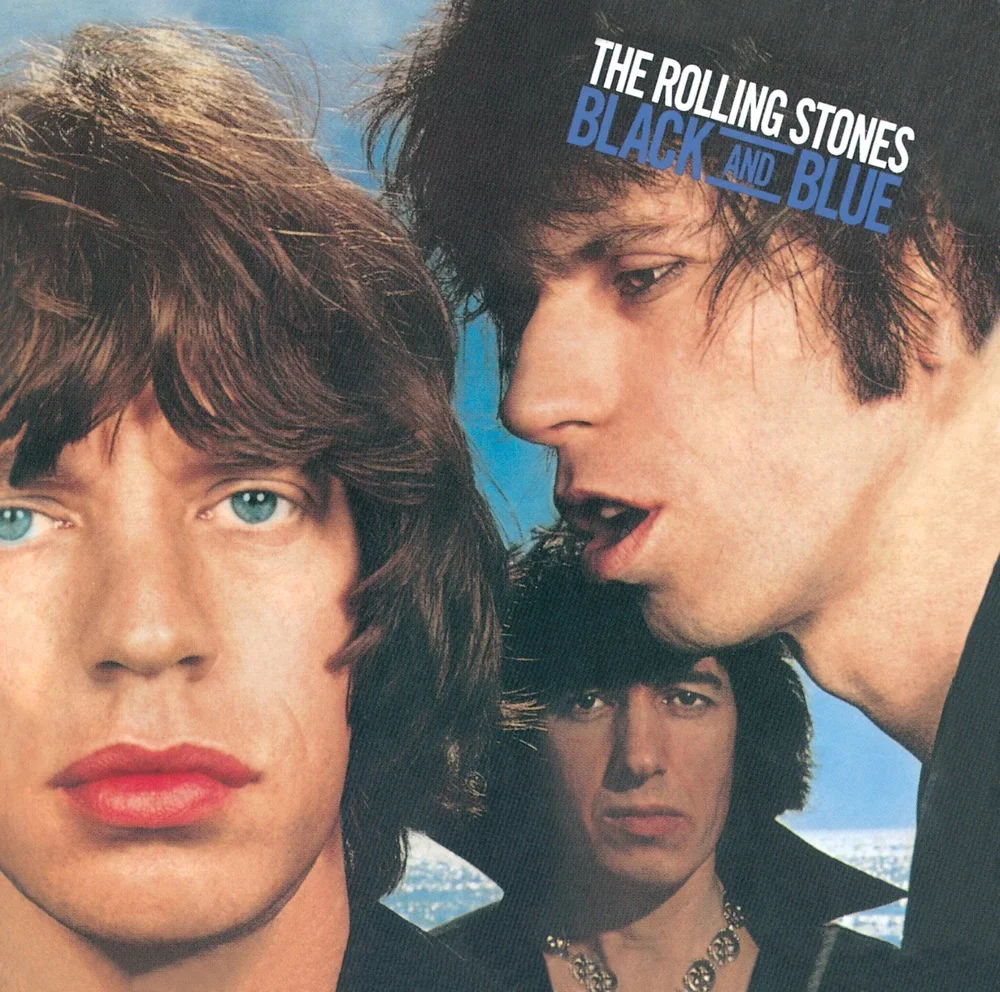
Recorded while auditioning guitarists, it leans into funk and reggae and marks Ronnie Wood's arrival.

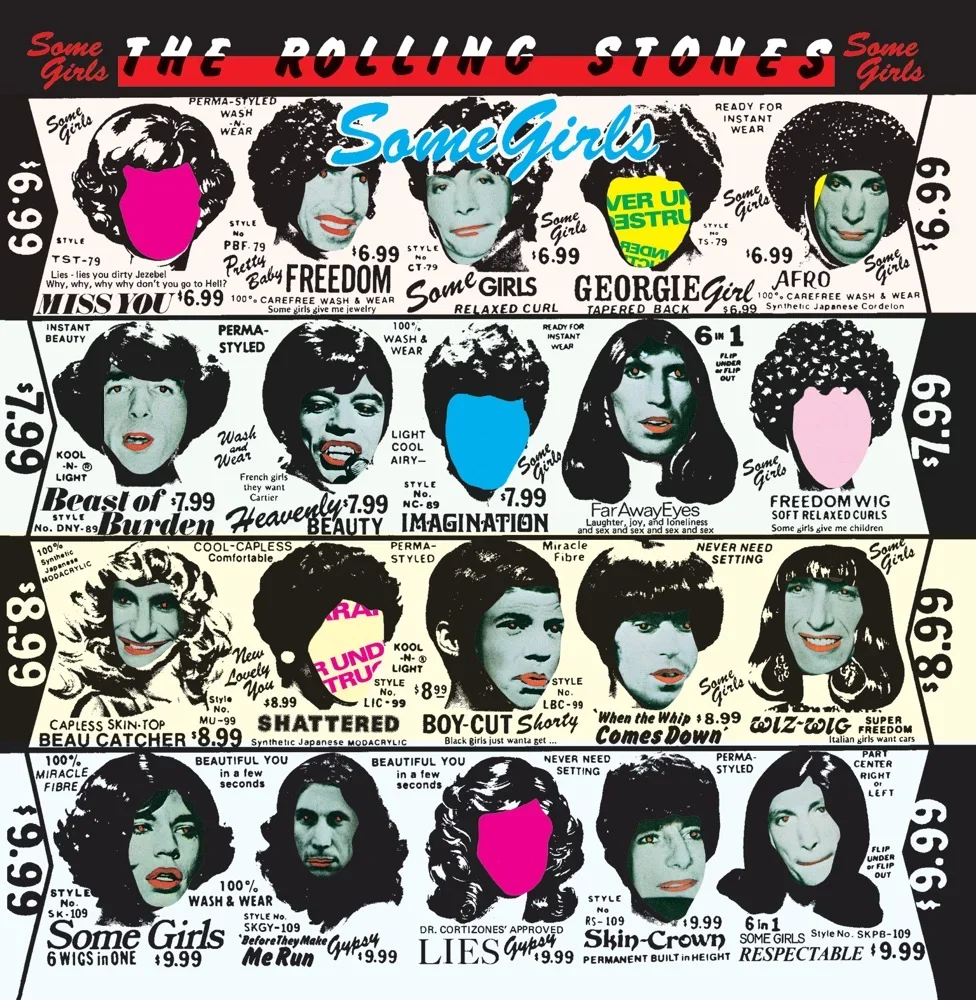
A sharp, New York-inspired album touched by disco and punk, with 'Miss You' and 'Beast of Burden'.

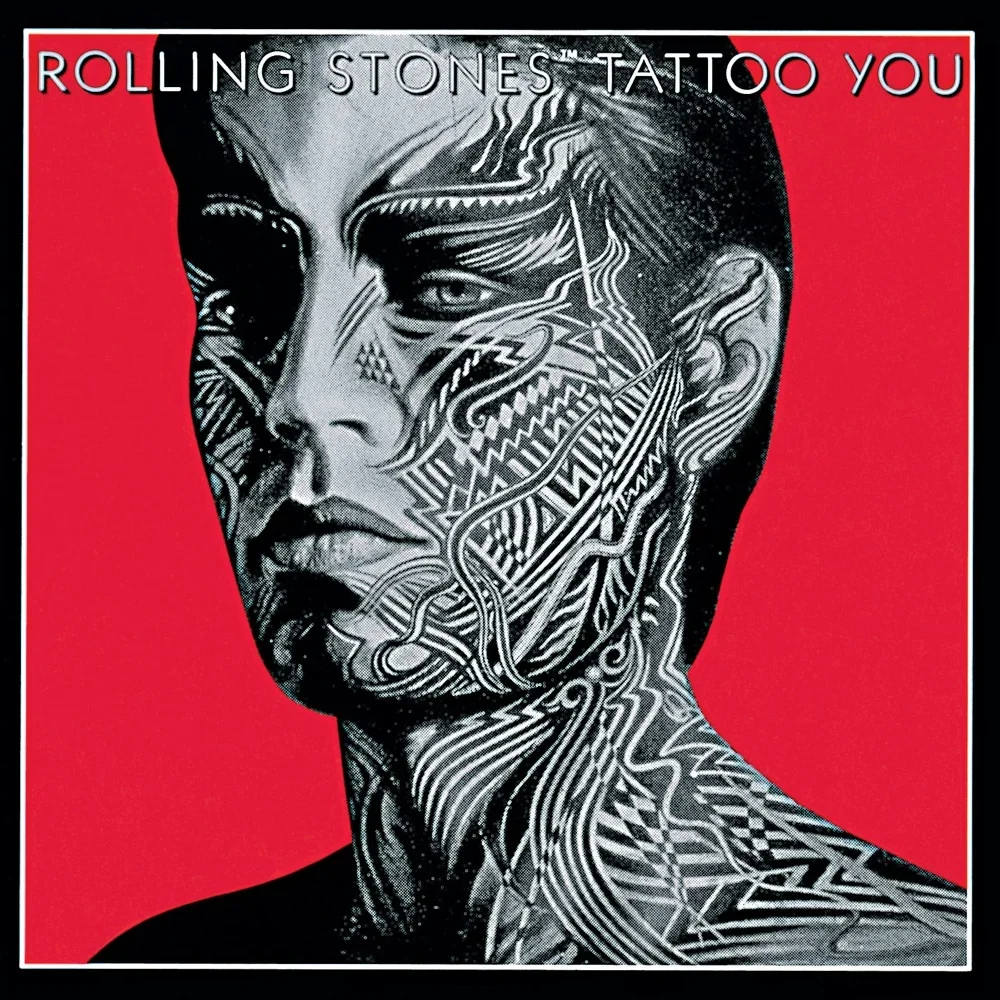
A groove-driven follow-up to Some Girls, built on dance rhythms and the falsetto title track.

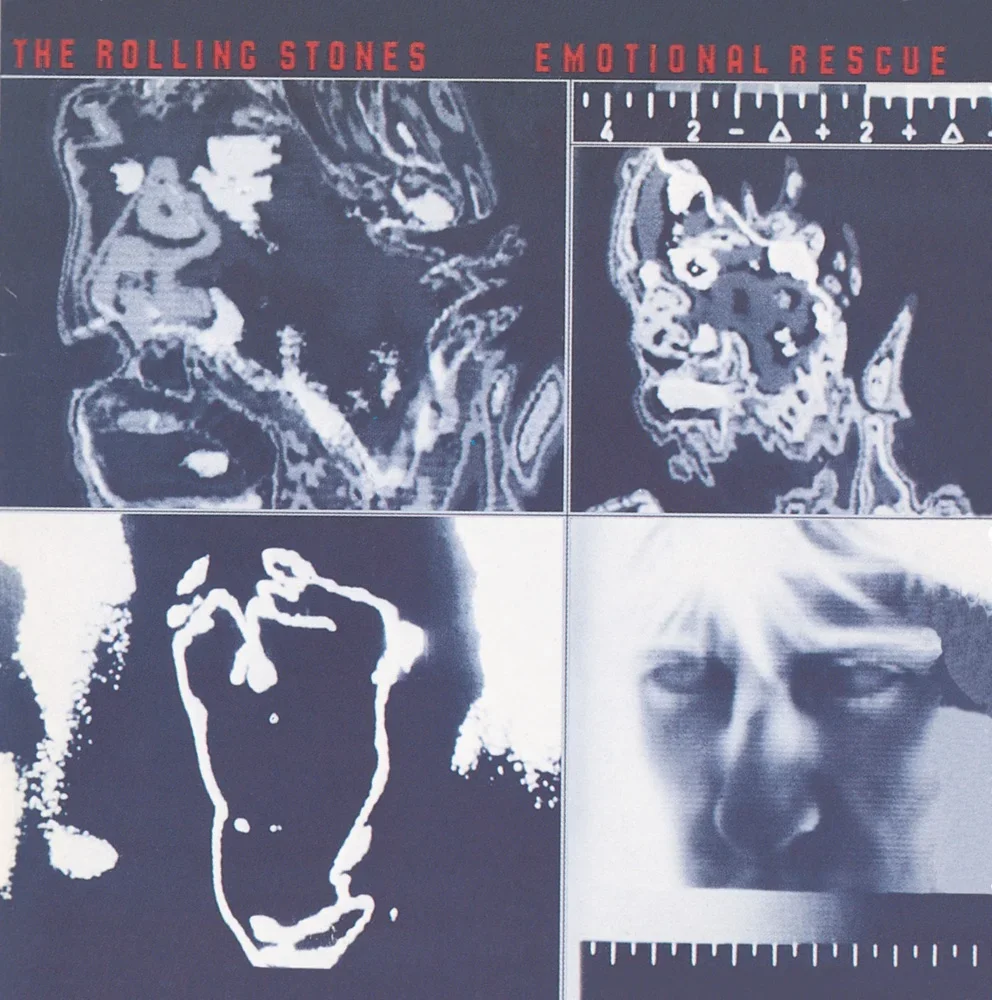
Assembled largely from earlier outtakes, split into a rock side and a ballad side, opening with 'Start Me Up'.

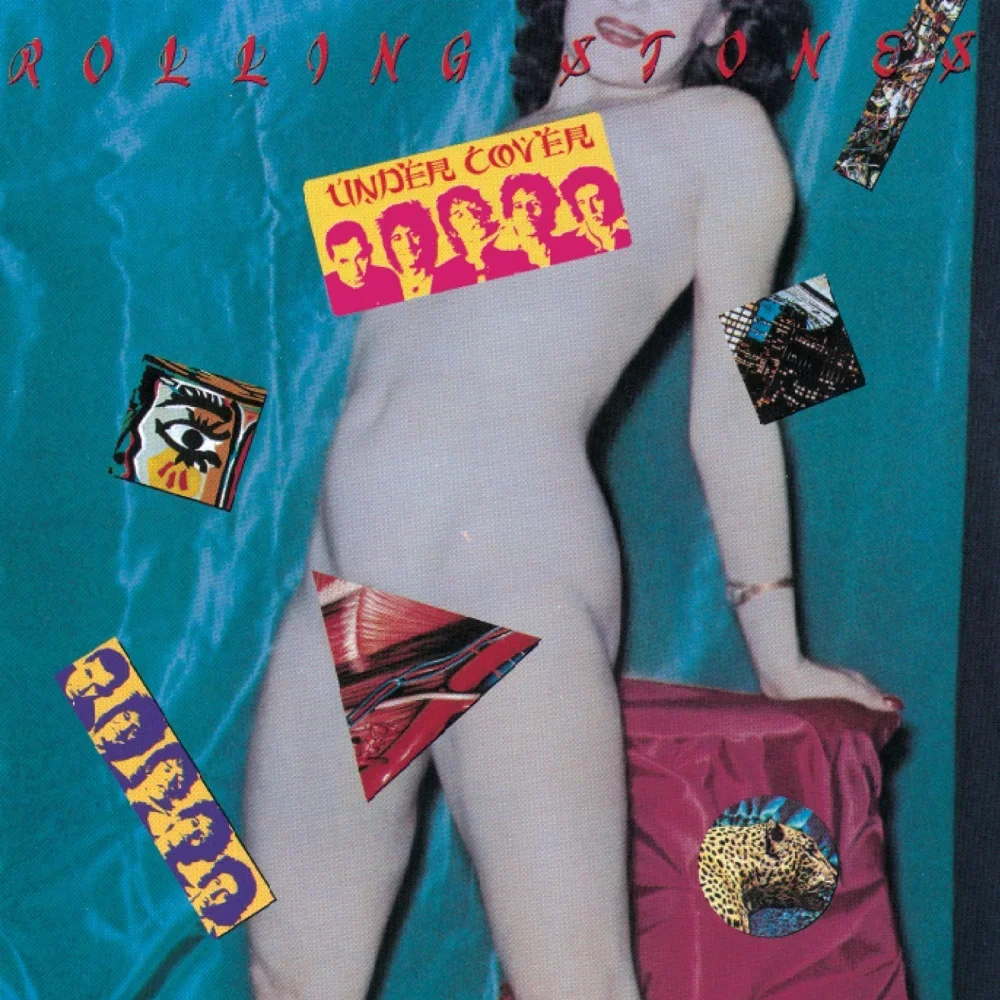
A harder, politically tinged album of the early eighties, led by 'Undercover of the Night'.

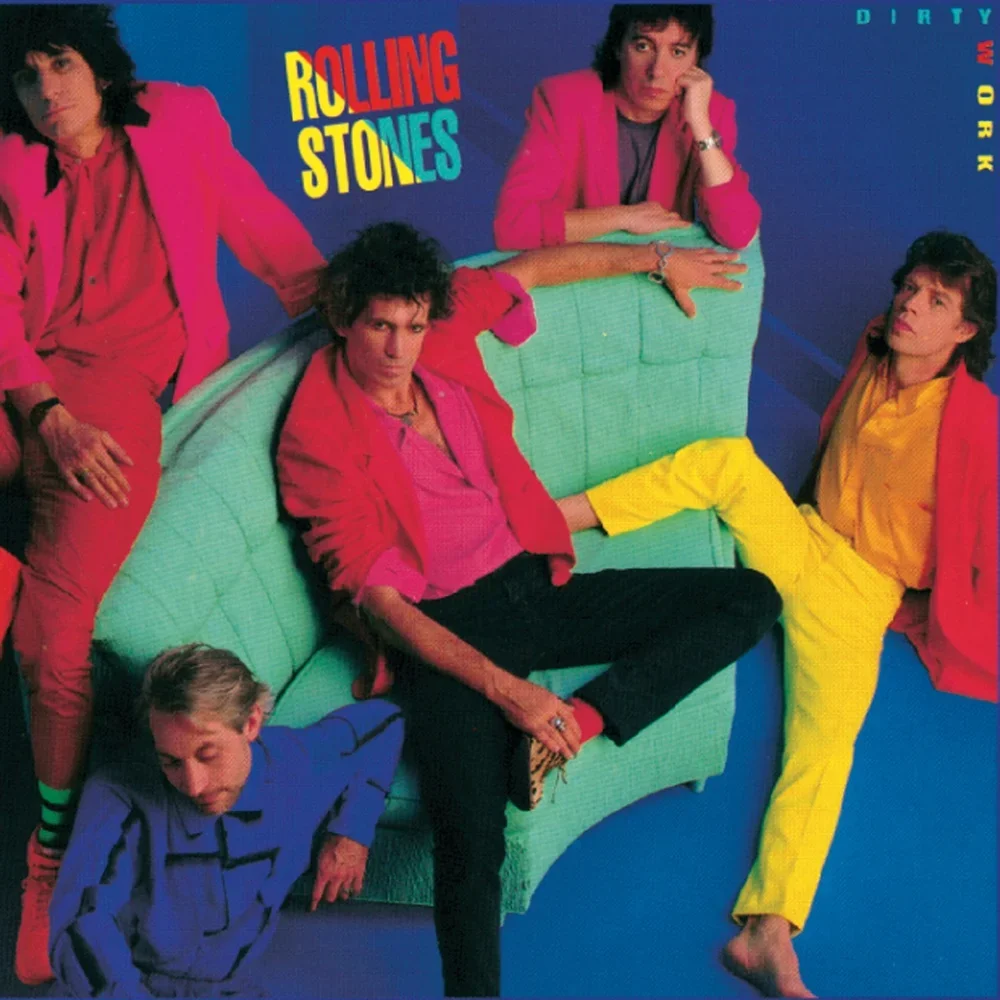
A tense, guitar-heavy album made during a rift between Jagger and Richards, with a cover of 'Harlem Shuffle'.

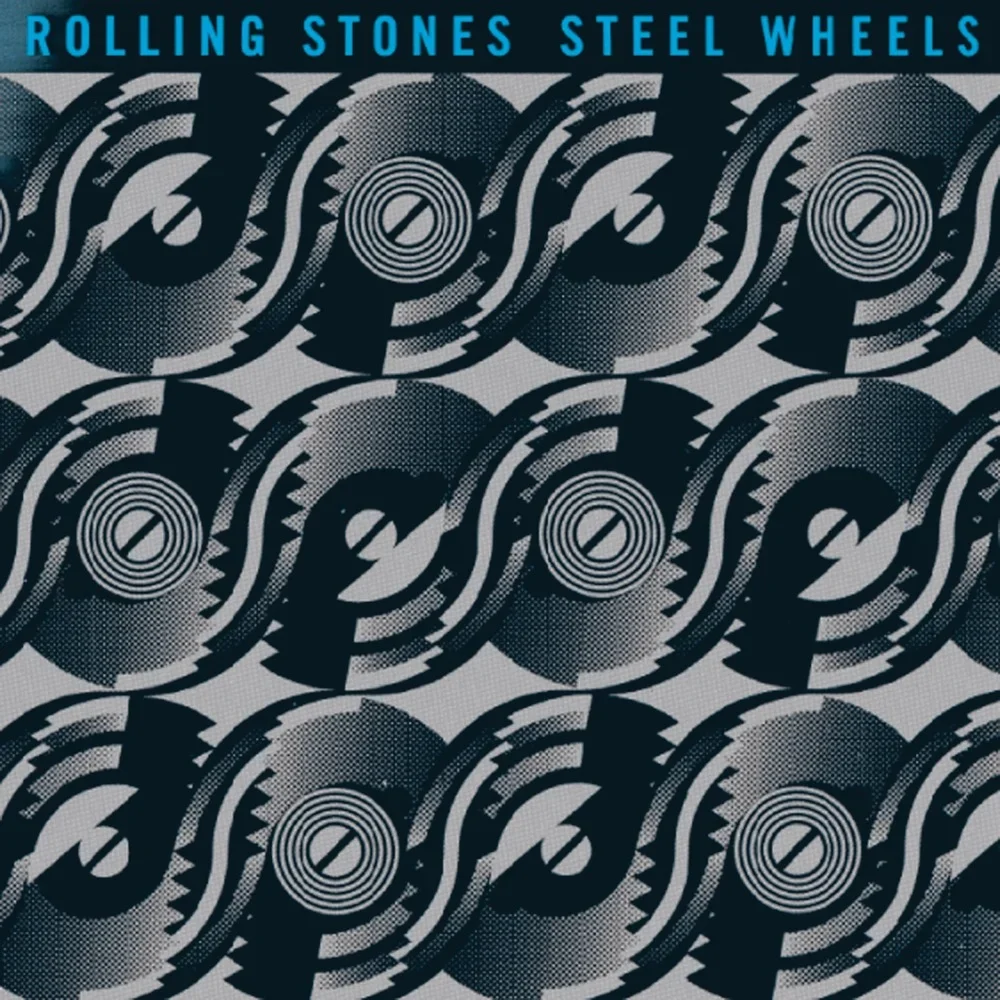
A comeback album that reunited the band after their eighties feud and launched a huge world tour.

The first album after Bill Wyman left, a long, varied record that won a Grammy for best rock album.

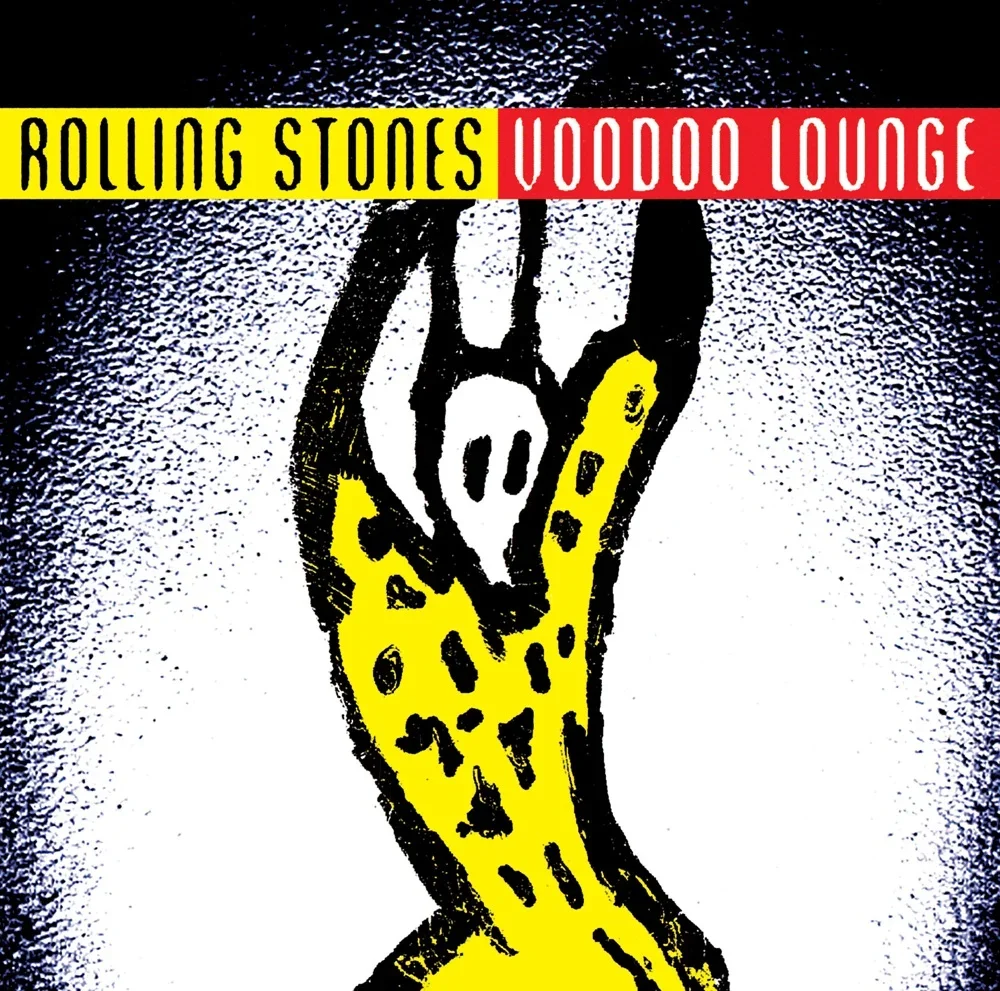
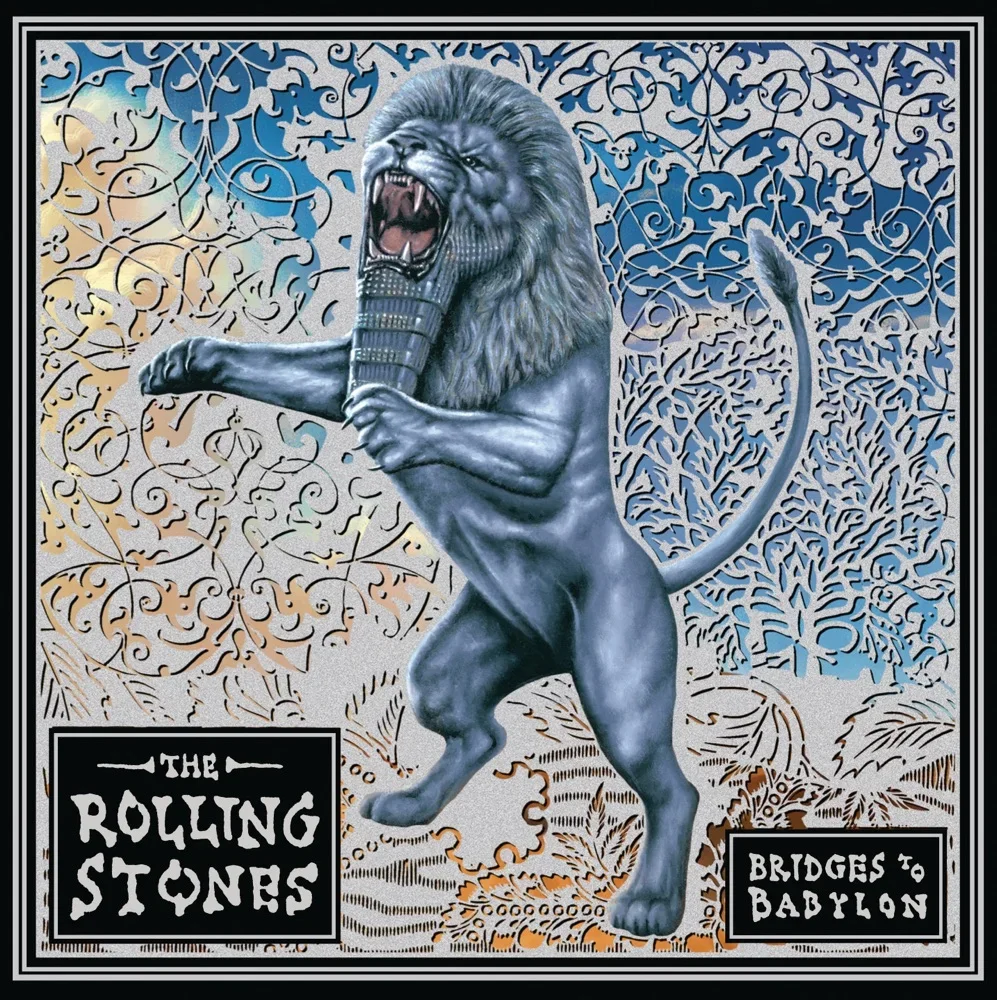
A late-nineties album with contemporary production and outside collaborators, ranging from rockers to ballads.

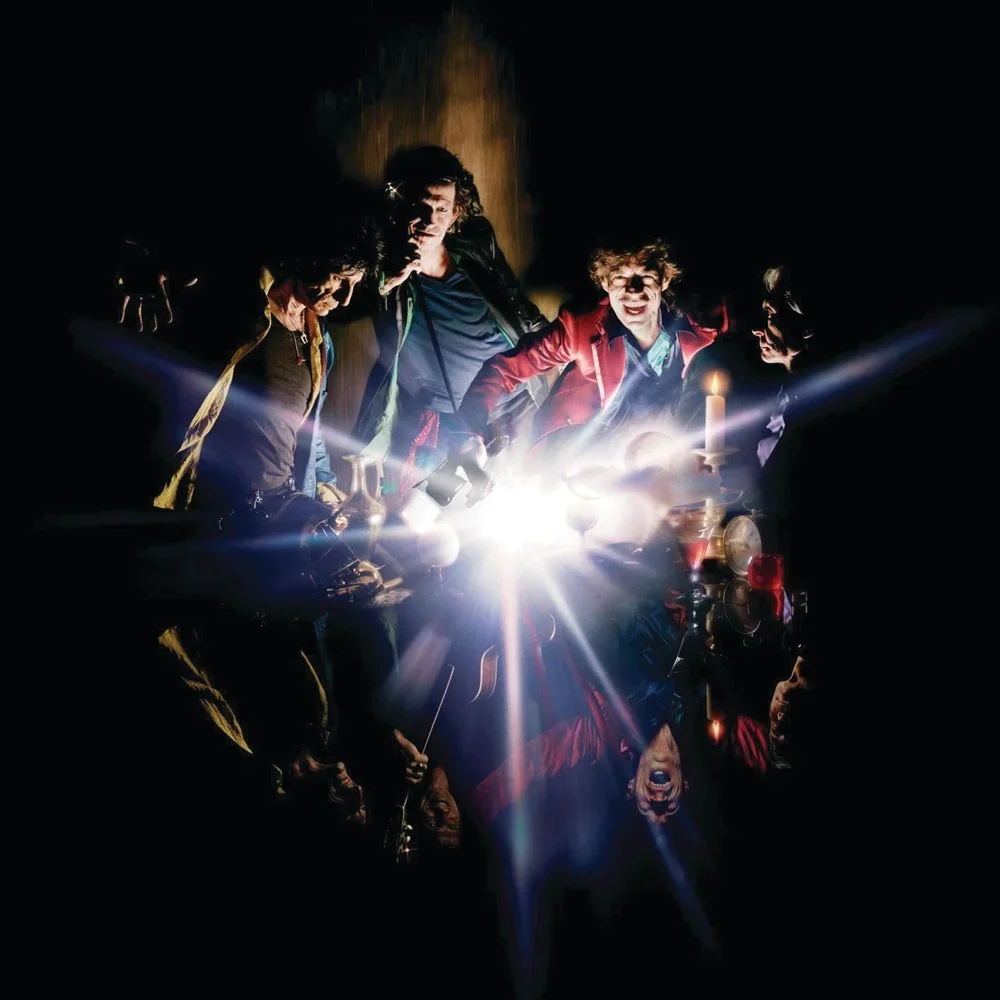
A stripped-down, guitar-driven album, their last of original material for eighteen years.

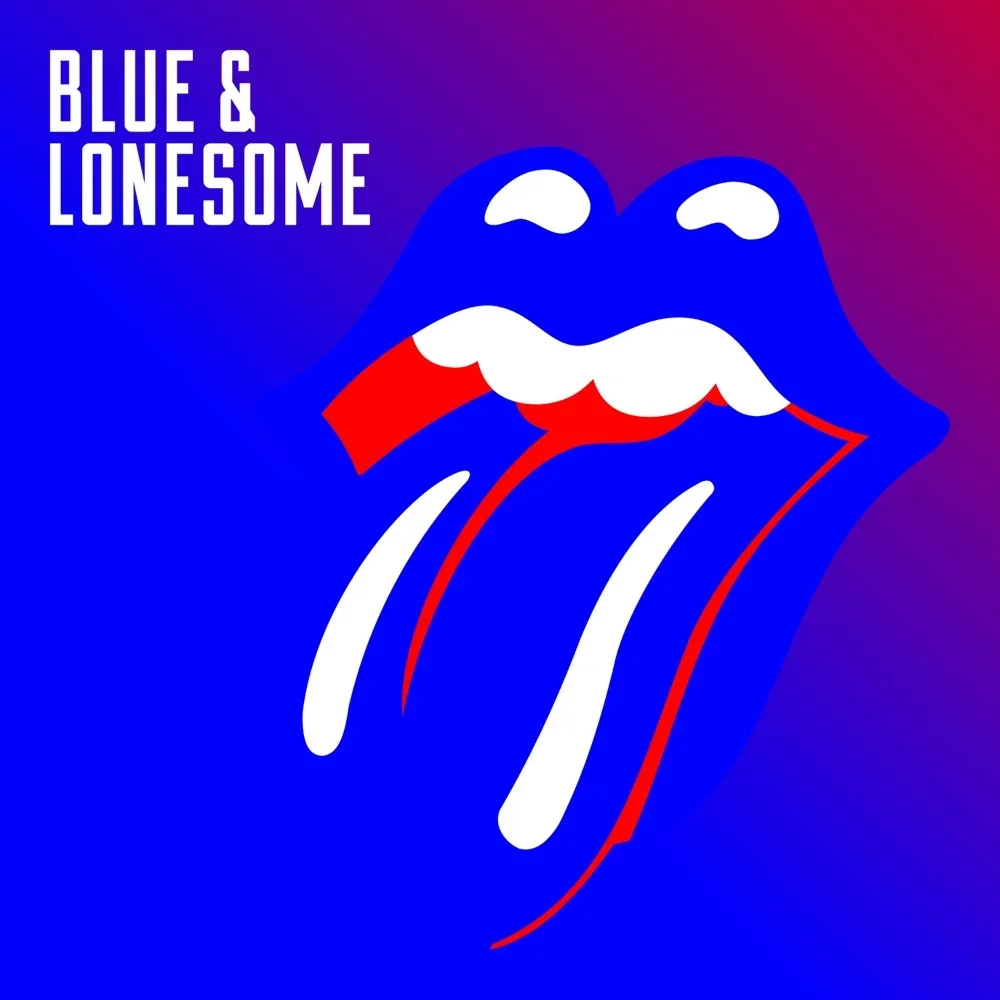
A quick, live-in-the-studio album of Chicago blues covers, returning the band to its roots.

Their first album of new songs since 2005, made after Charlie Watts's death, produced by Andrew Watt.

Their twenty-fifth studio album, again produced by Andrew Watt, following Hackney Diamonds.