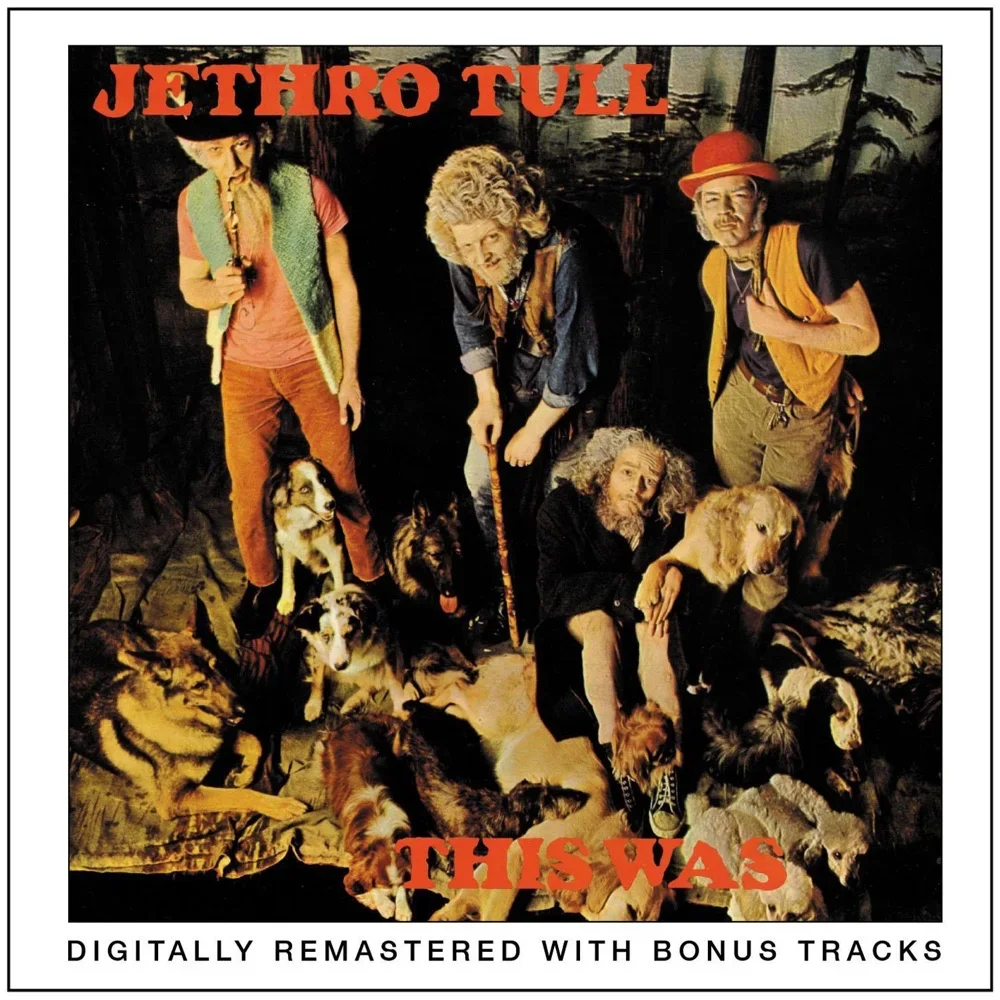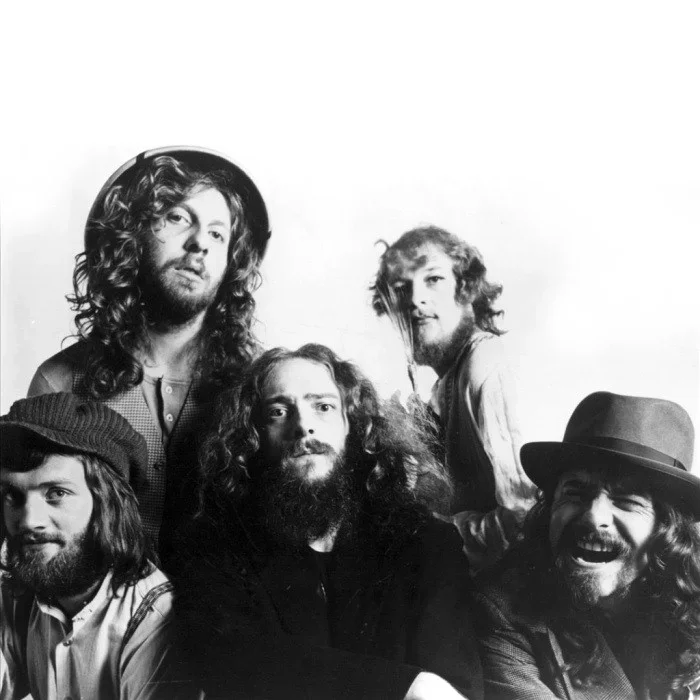
The blues-rock debut, made while guitarist Mick Abrahams shared the writing; its jazz-tinged flute already set the band apart from its peers.

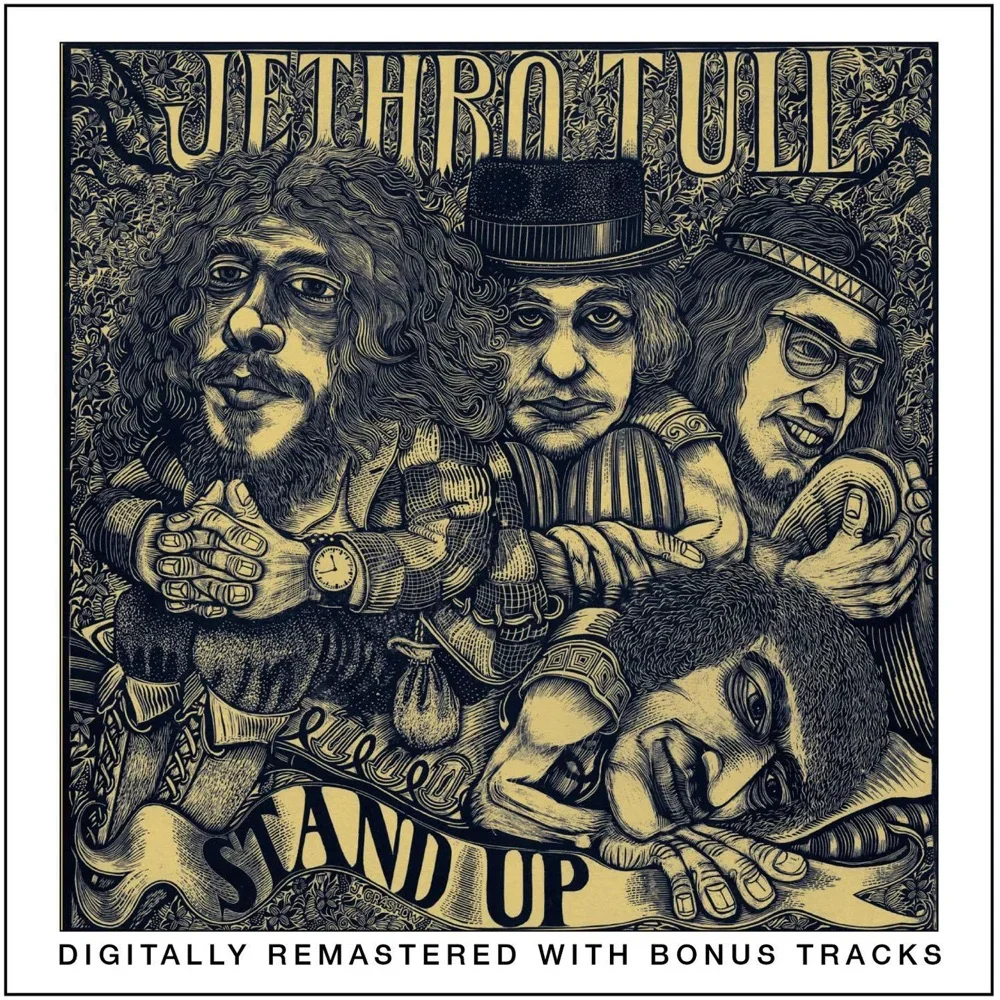
The first album fully led by Ian Anderson, moving from blues toward folk and heavier textures, with the instrumental take on Bach's Bourree a highlight.

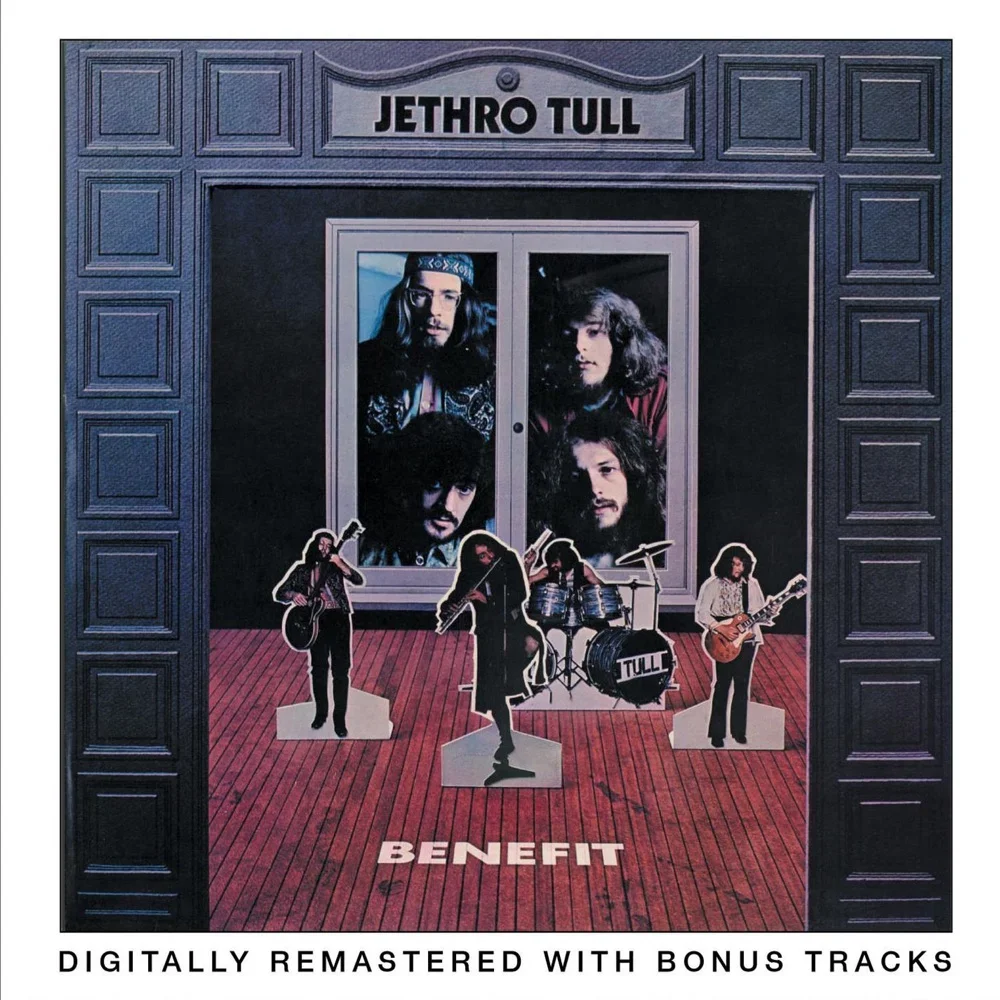
A darker, guitar-heavy record marking the arrival of keyboardist John Evan and a step toward the band's progressive future.

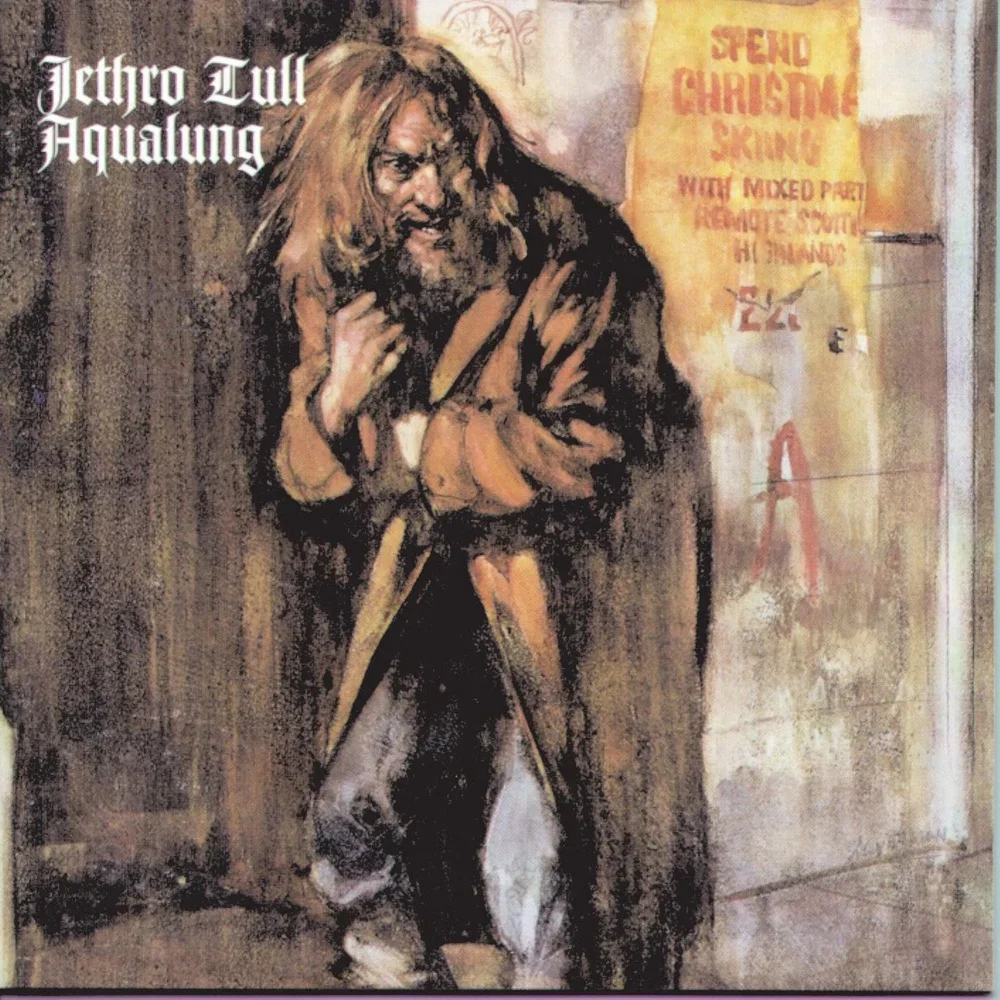
The breakthrough album, loosely themed around faith and the down-and-out, carrying the classics 'Aqualung' and 'Locomotive Breath'.

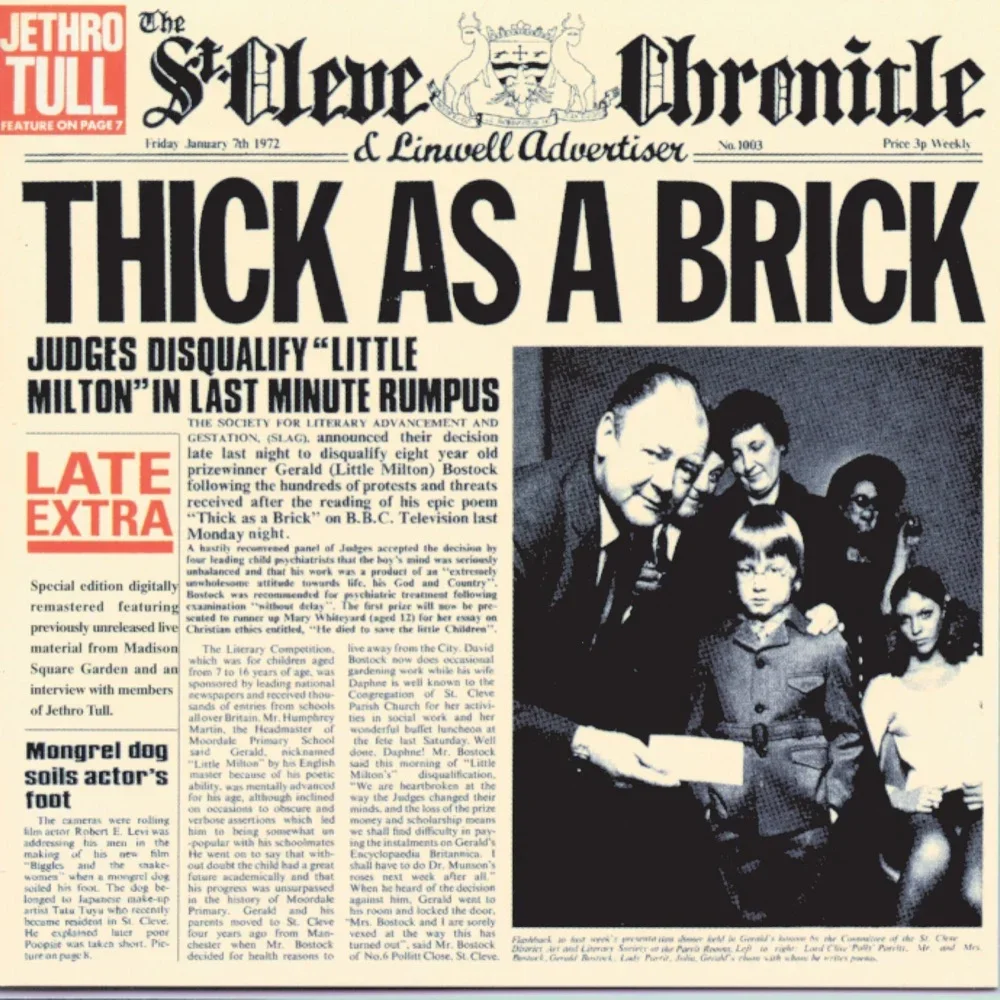
A single continuous composition spread across both sides, a witty send-up of concept albums that became one itself.

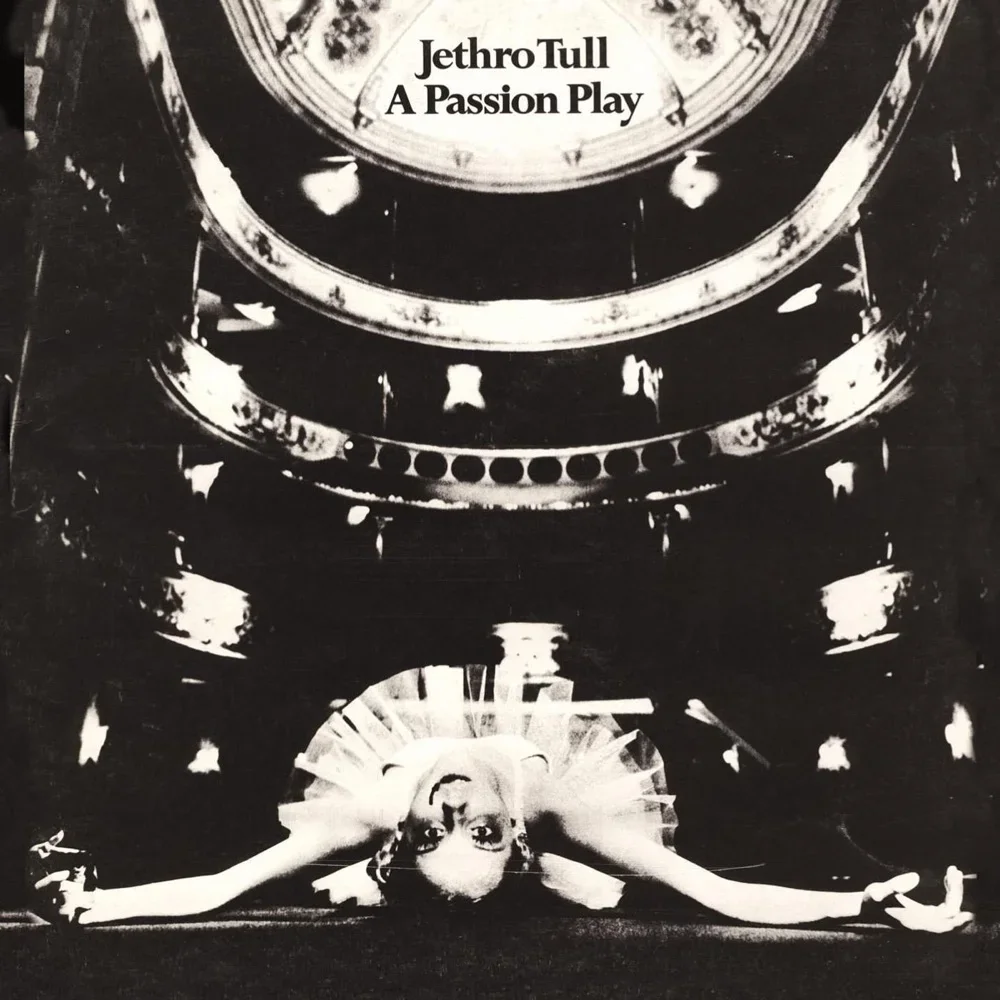
Another album-length piece, denser and more theatrical, following a soul's journey through the afterlife.

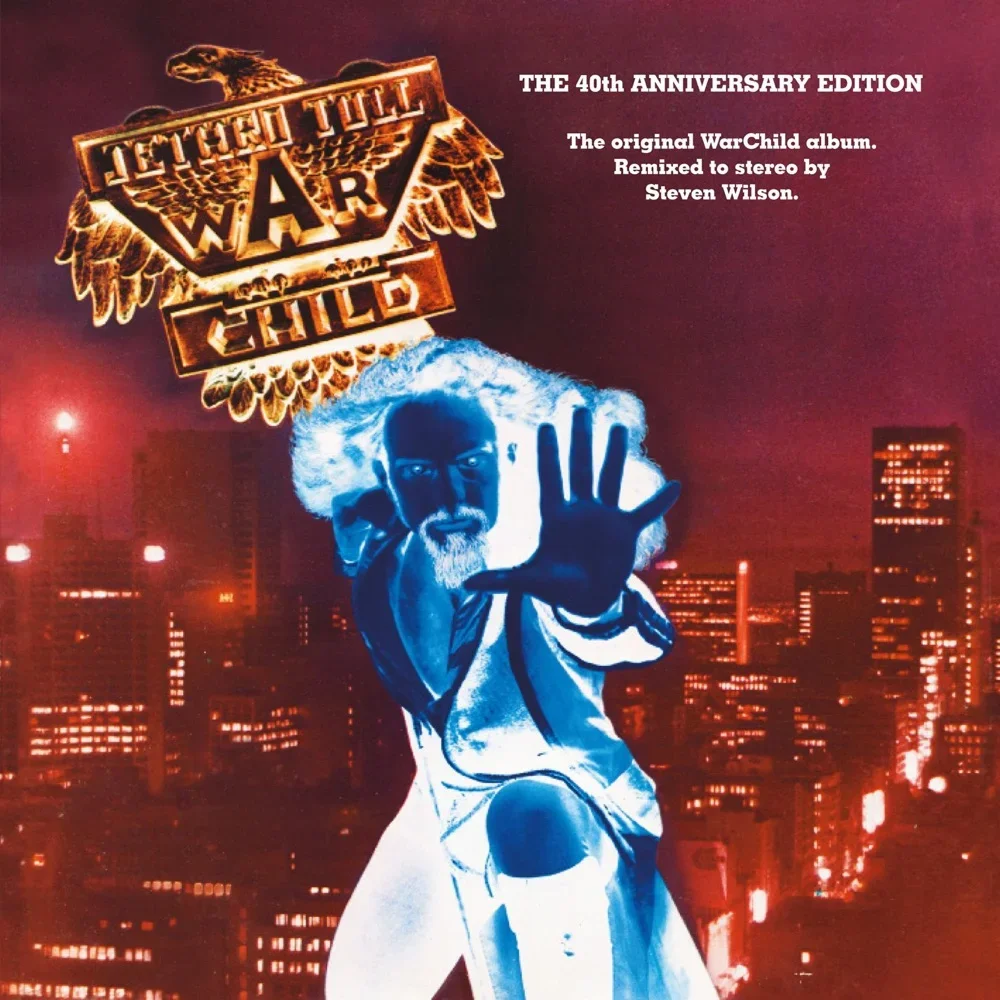
A return to shorter songs with orchestral colour, mixing hard rock and whimsy across a set once planned as a film project.

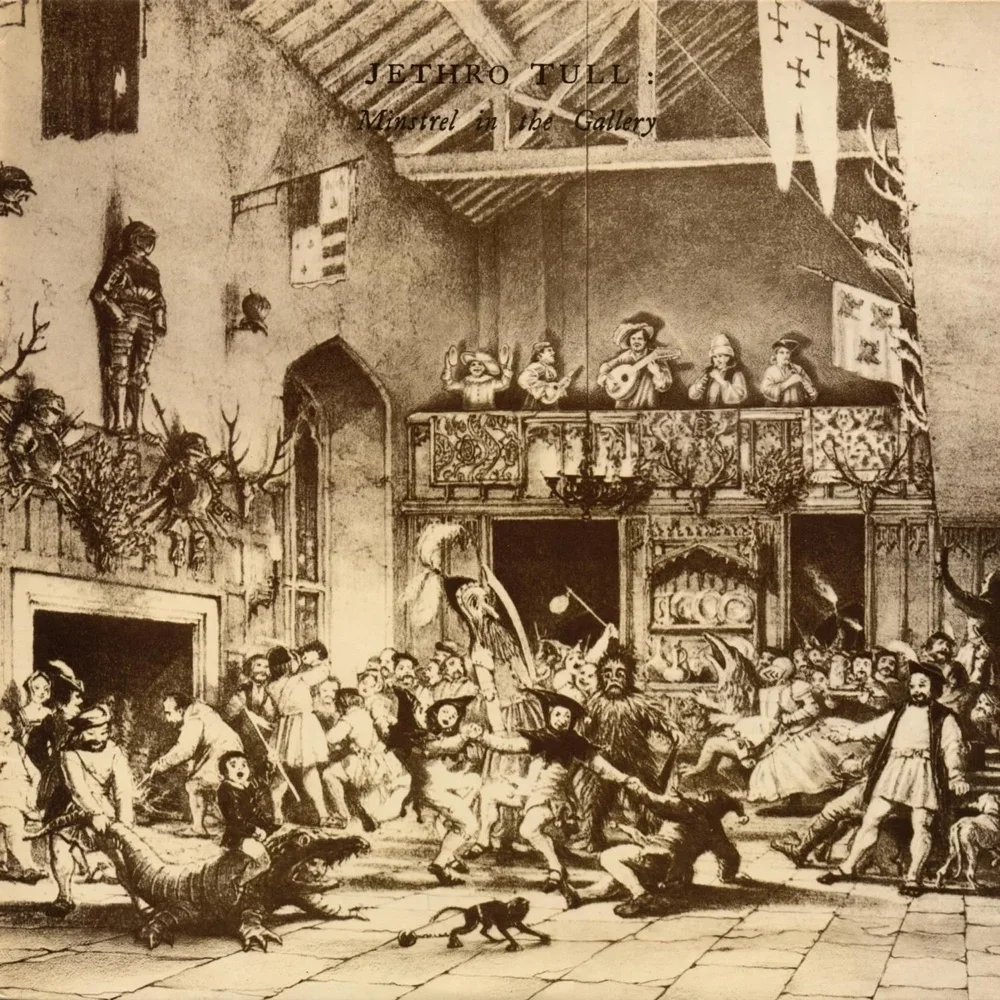
A record balancing acoustic introspection with fierce electric passages, built around its sprawling title suite.

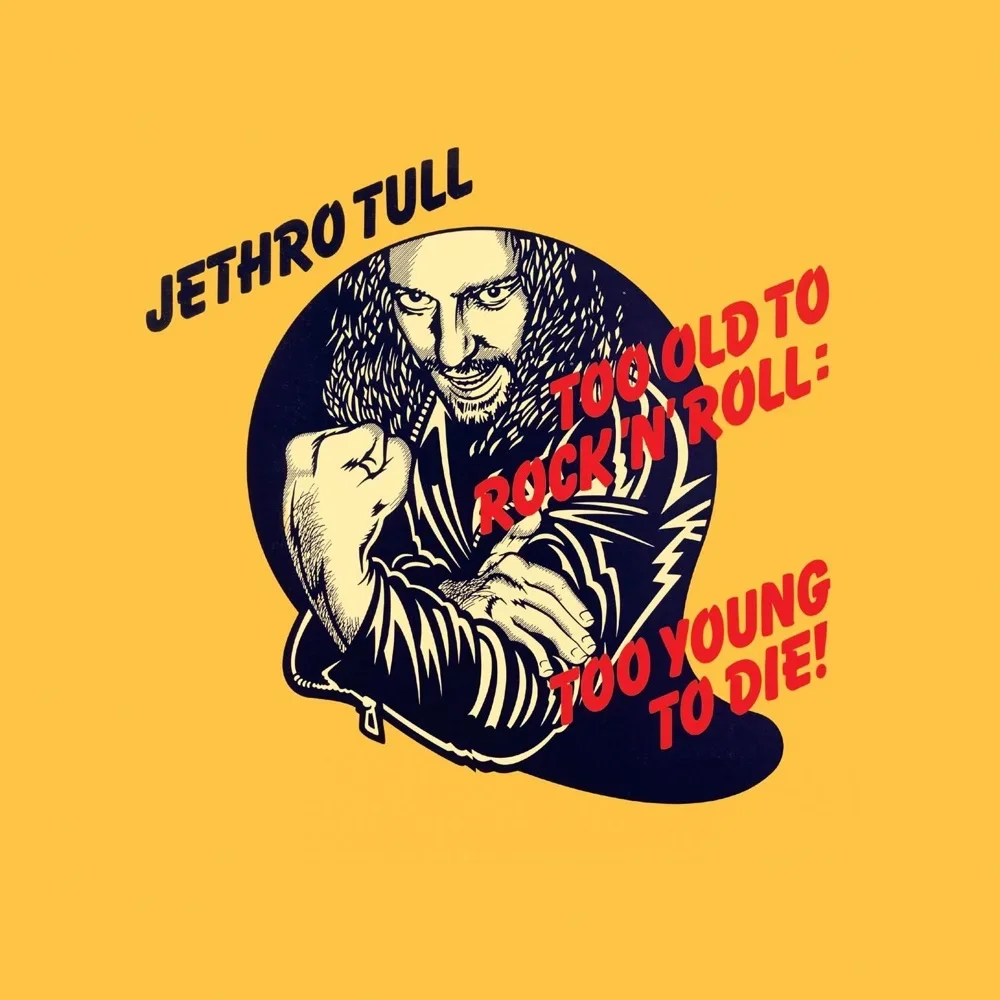
A loose concept album about an ageing rocker, lighter in tone and framed as a story with a would-be comic-strip hero.

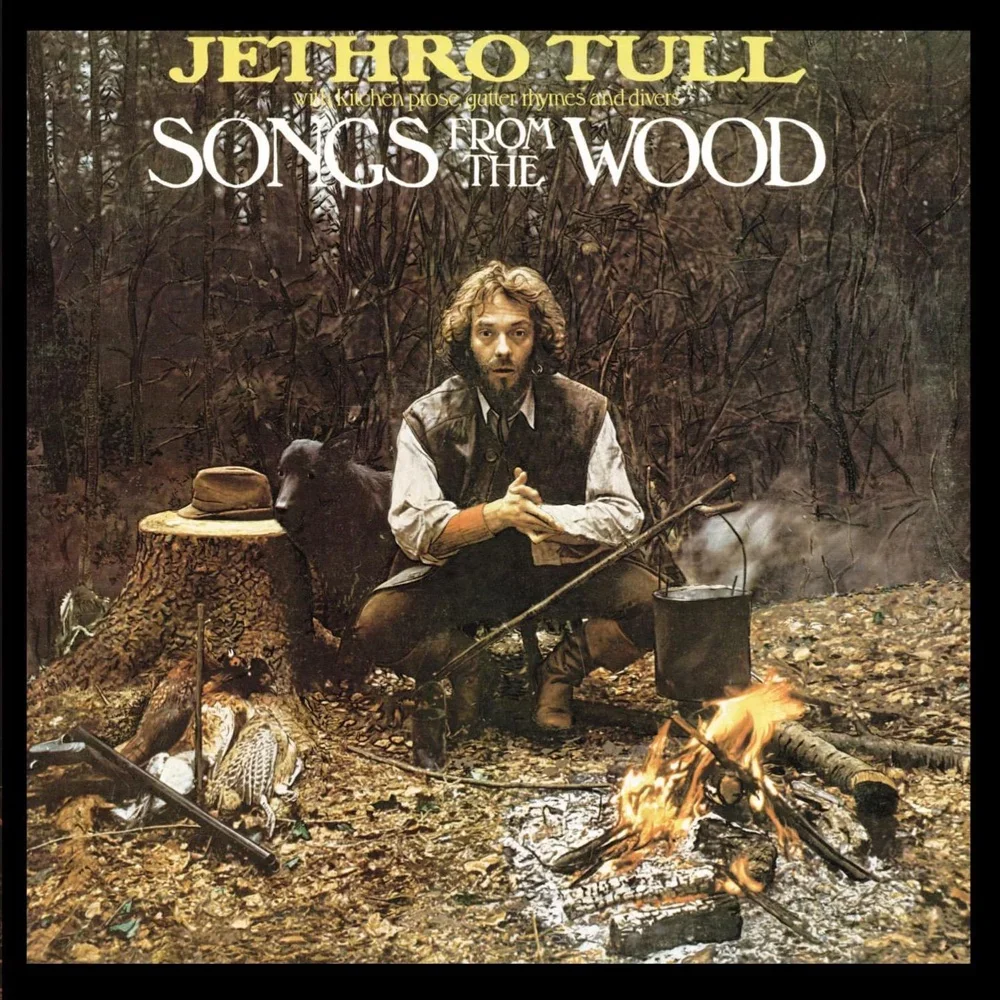
The start of the band's folk-rock trilogy, rich with pastoral imagery, intricate arrangements and English tradition.

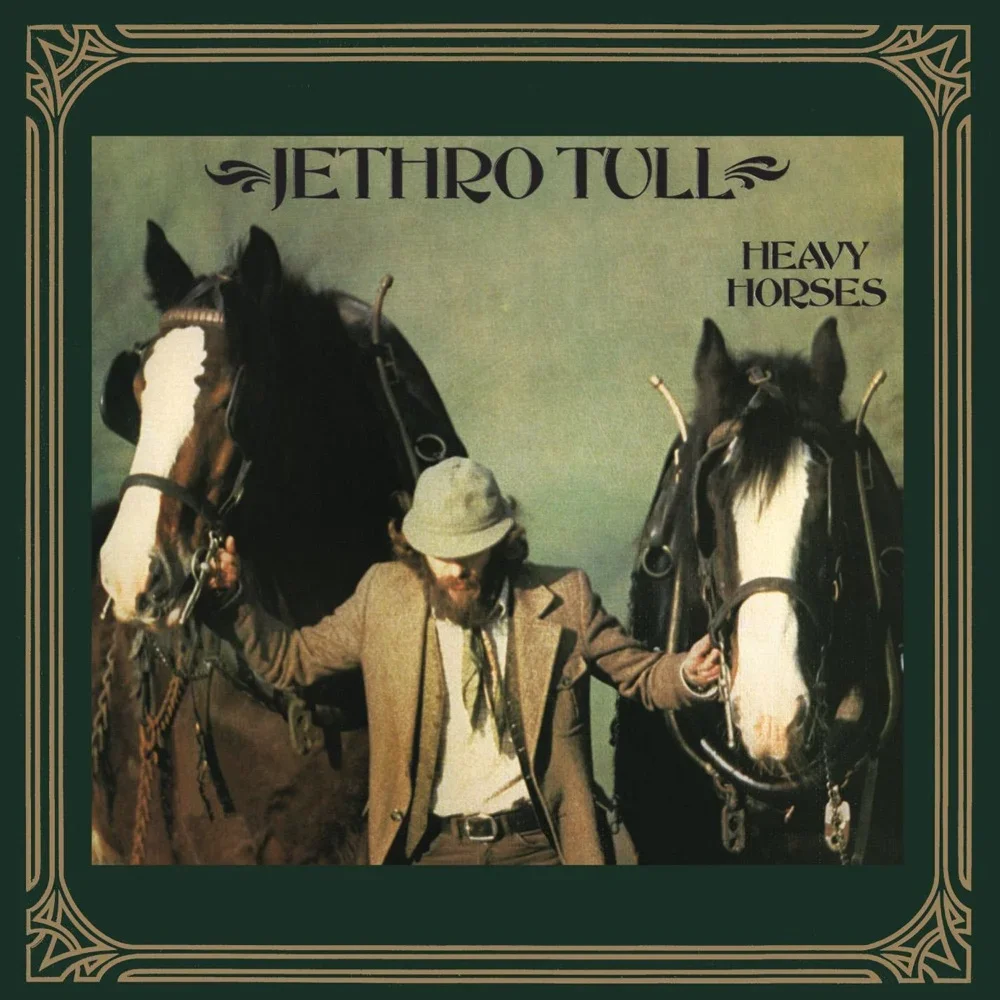
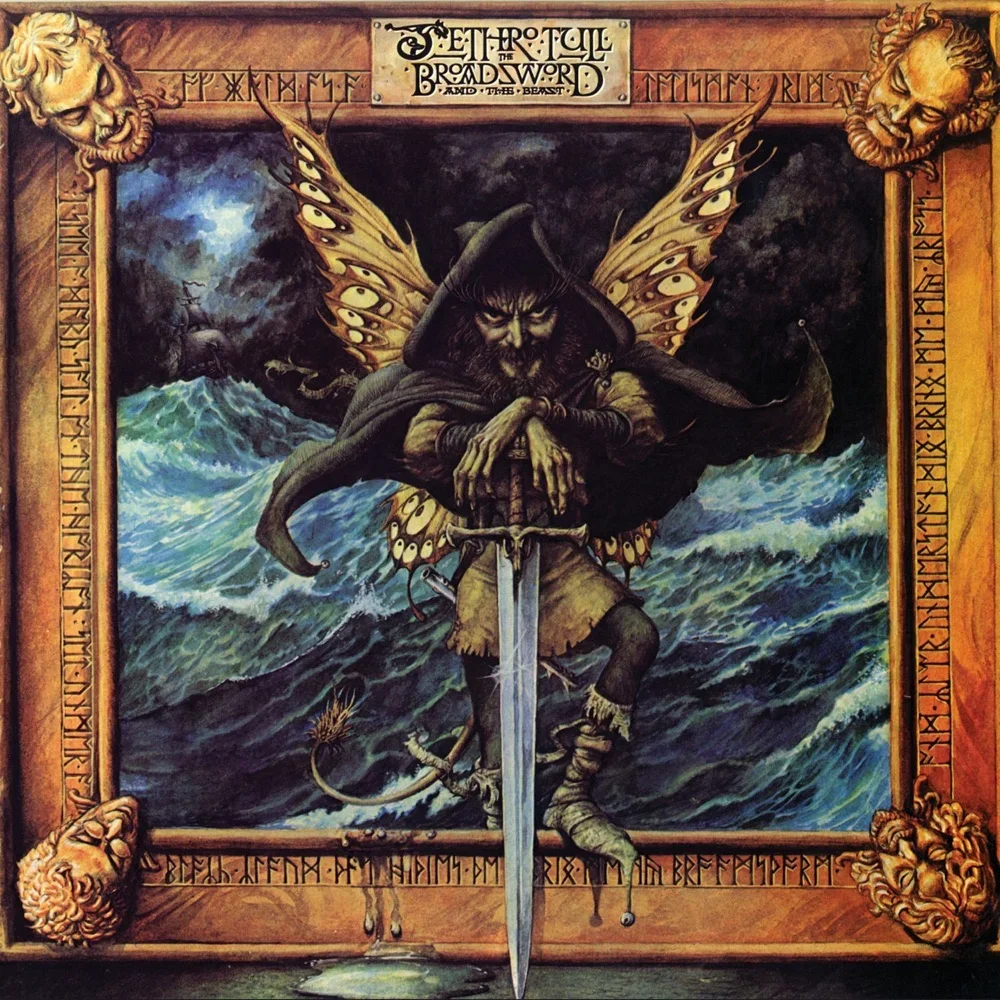
A warm, rustic album praising the countryside and its working animals, a high point of the folk-rock run.

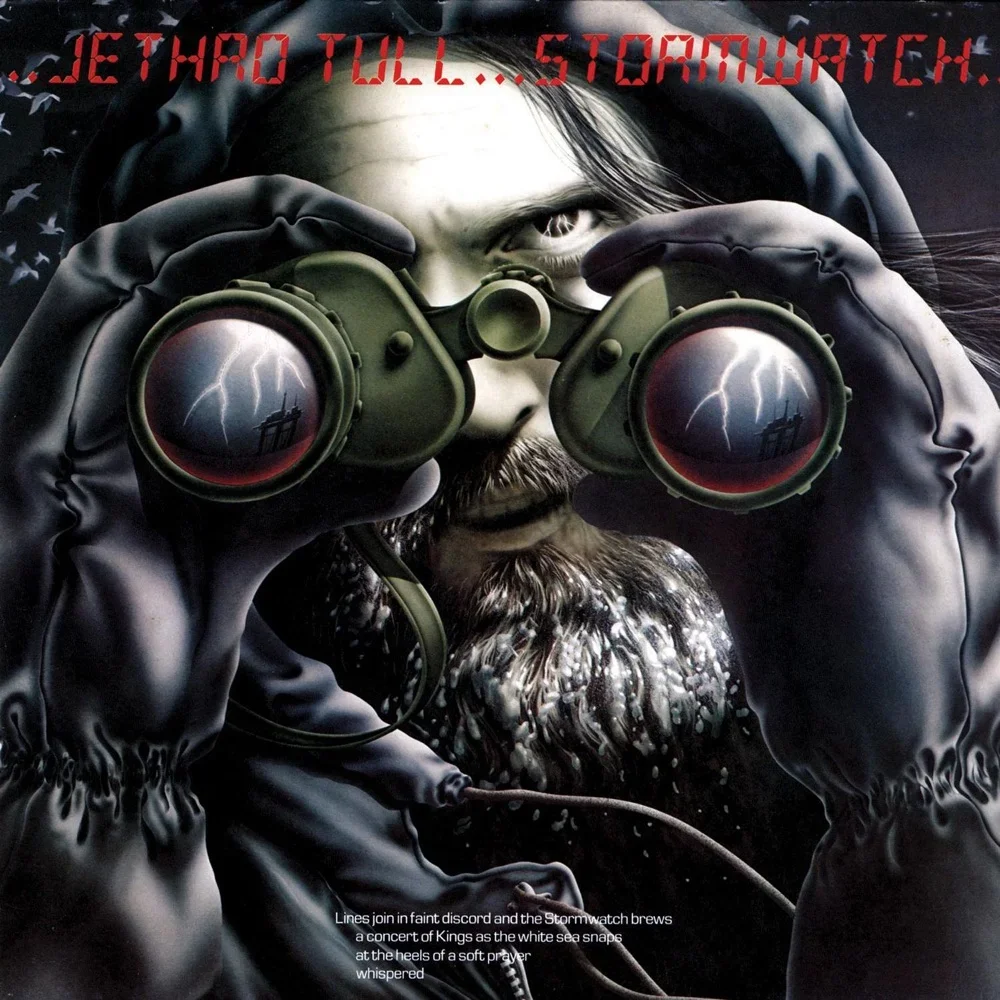
A darker, wintry record touching on nature and looming crisis, closing the folk-rock trilogy.

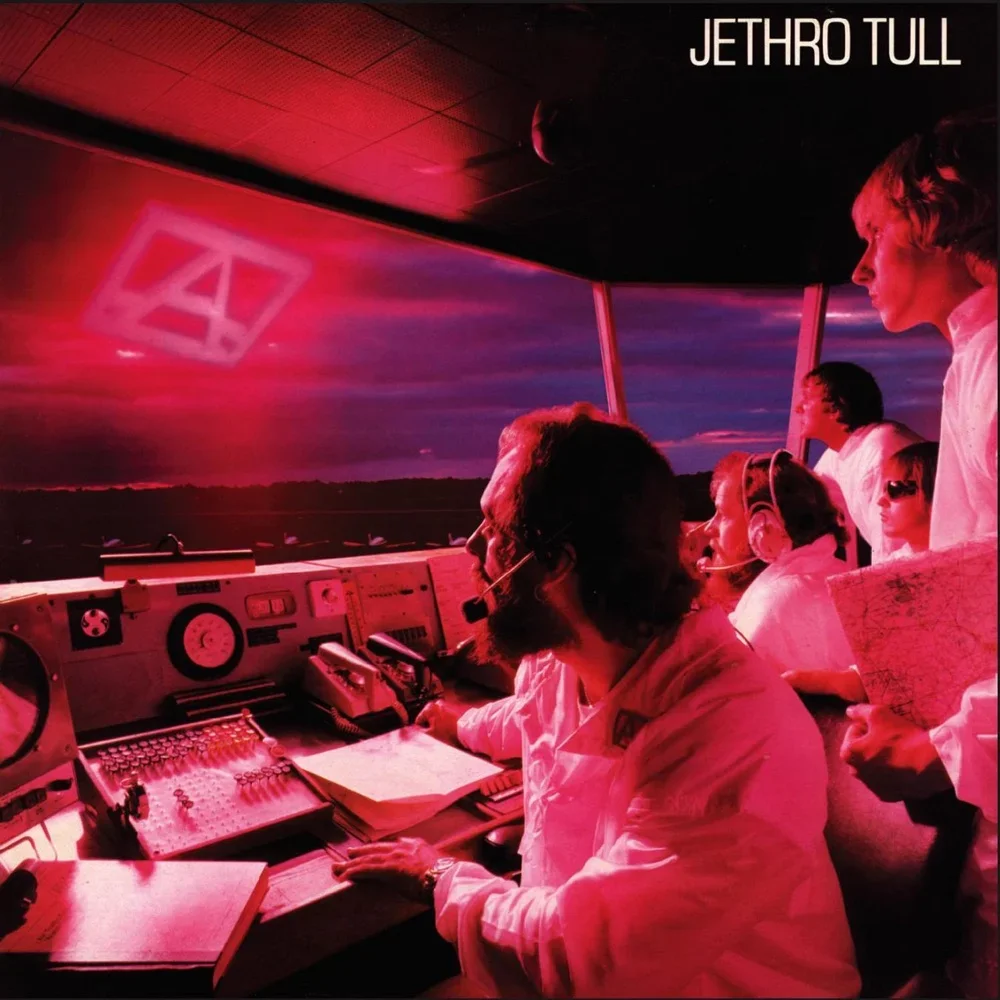
Originally planned as an Anderson solo album, it leans on synthesizers and a new-wave sheen with violinist Eddie Jobson aboard.

A blend of folk melody and early-eighties synth production, one of the band's most consistent later albums.

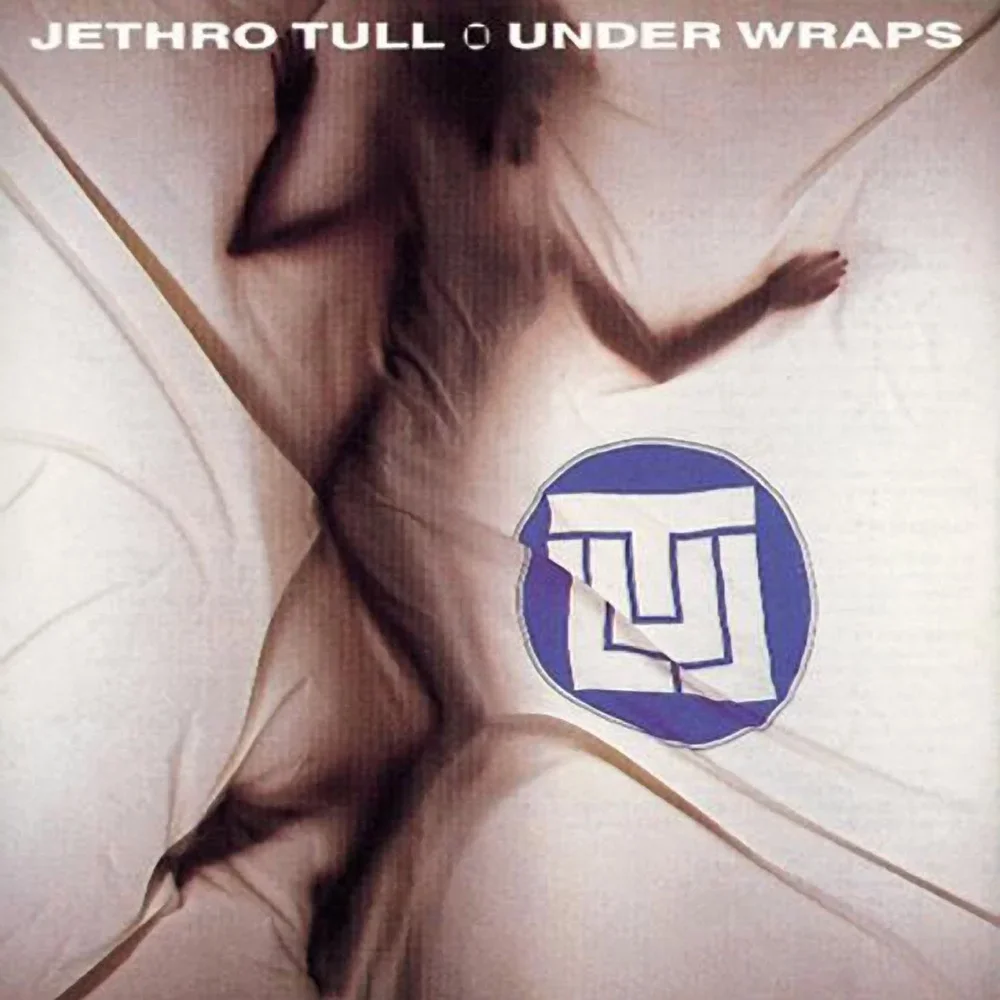
A largely electronic, drum-machine-driven album built around espionage themes, the band's most divisive stylistic turn.

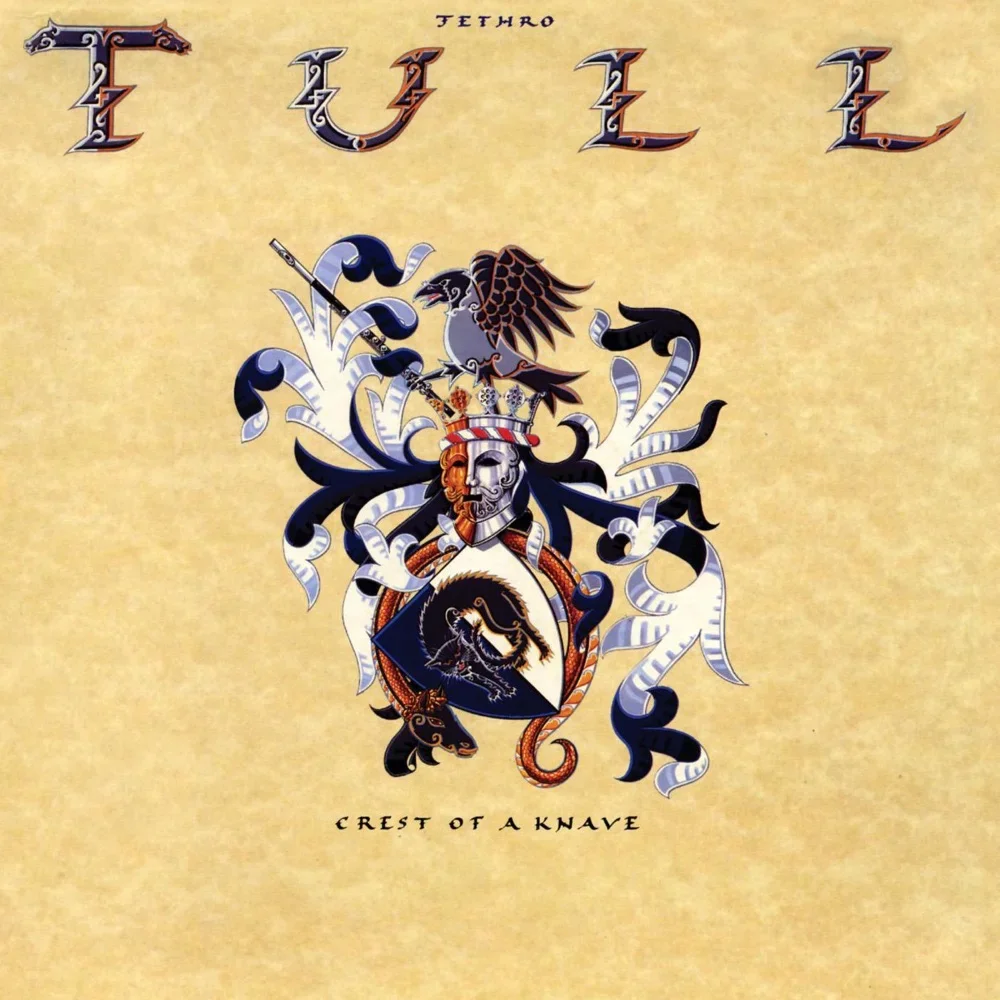
A harder-rocking comeback that unexpectedly won a Grammy, with guitar textures recalling classic Tull.

A guitar-forward album of story-songs, continuing the tougher direction of its predecessor.

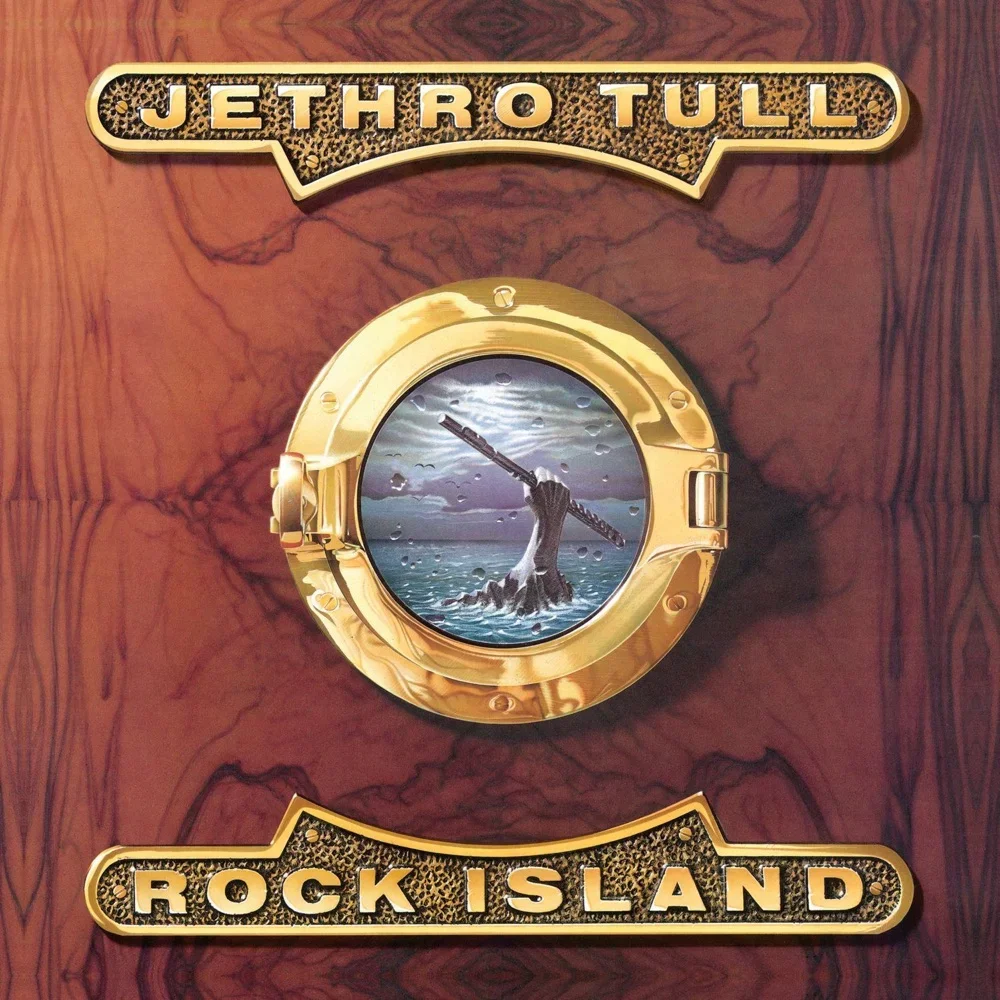
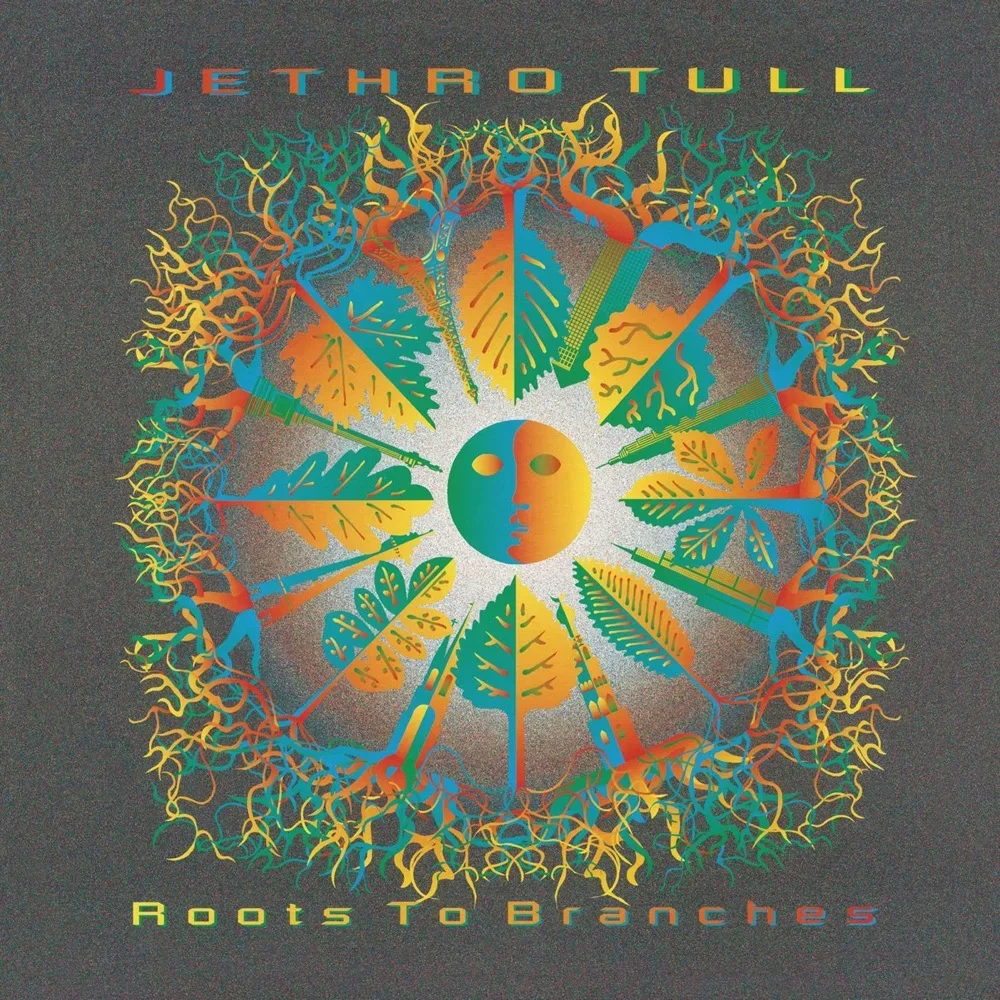
A return to bluesier roots, looser and more organic than the band's late-eighties records.

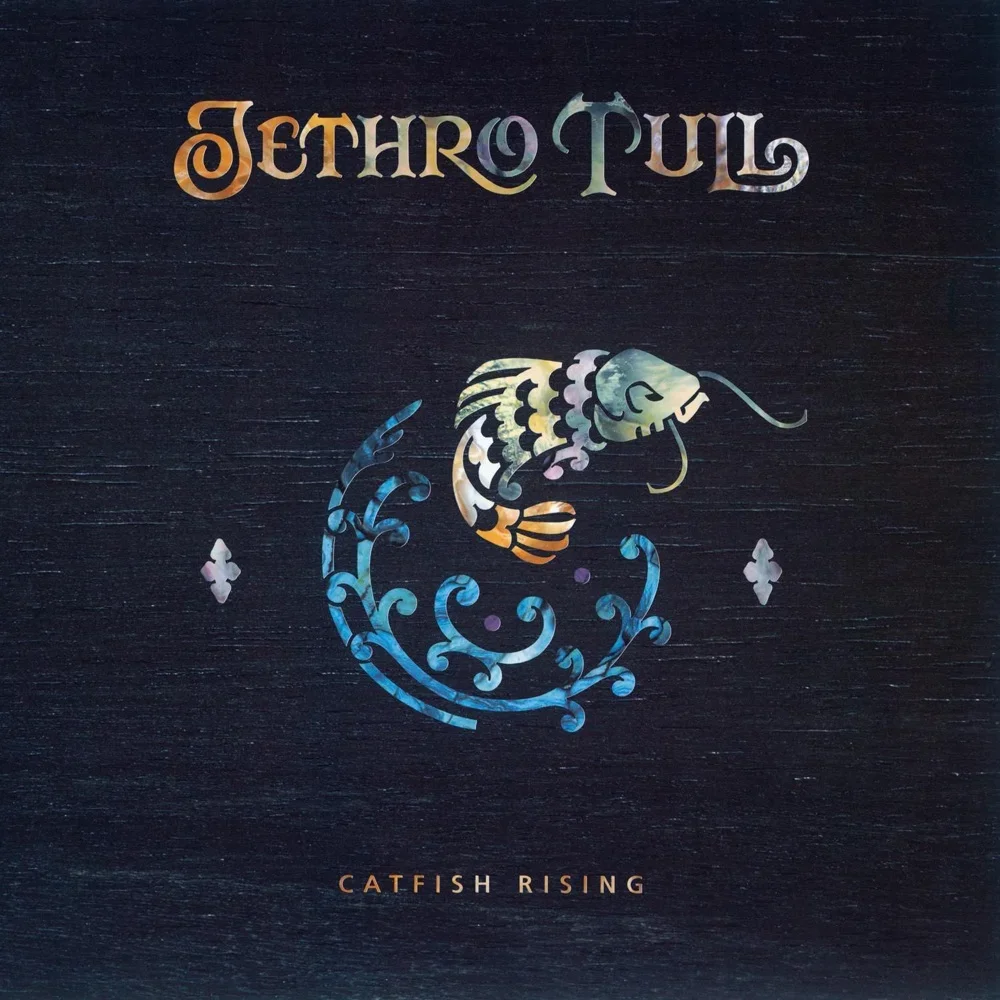
A mature, world-music-tinged album with intricate flute work and complex, jazzy arrangements.

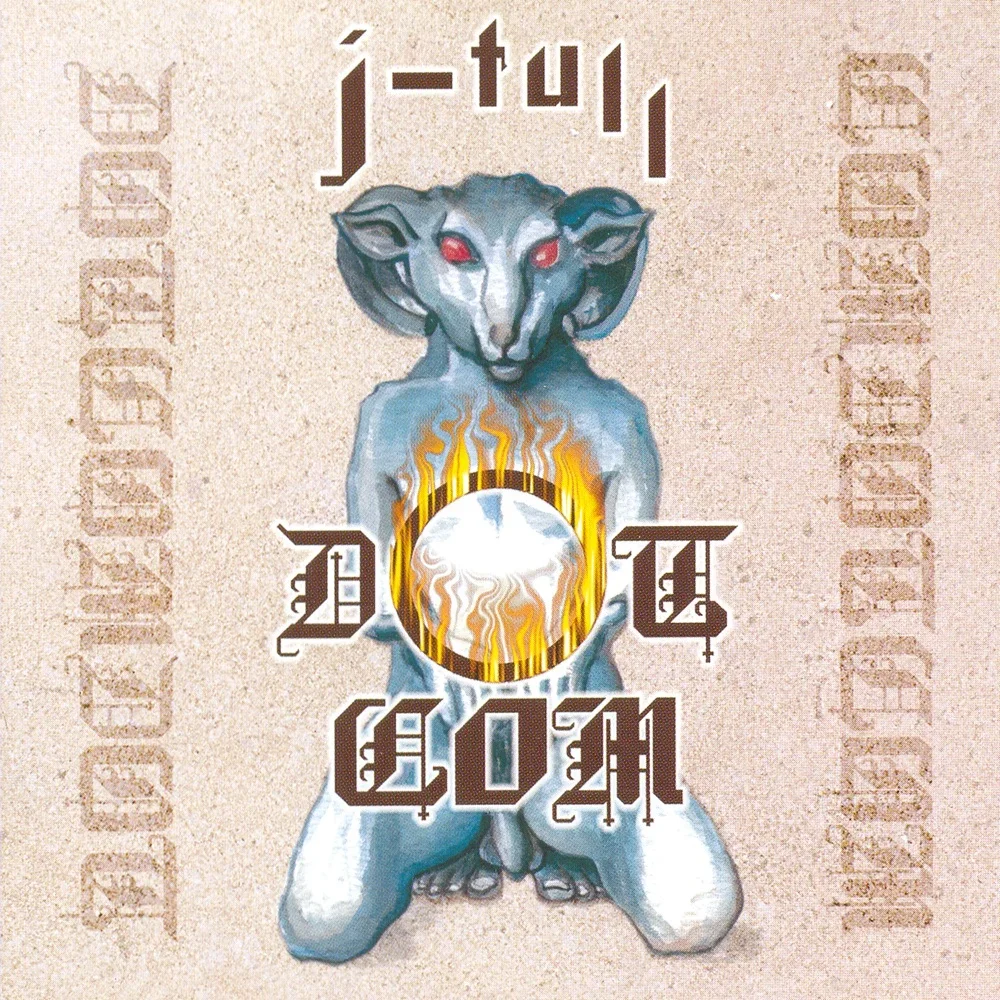
The band's final studio album of the century, mixing rock, folk and eastern colours with a nod to the internet age.

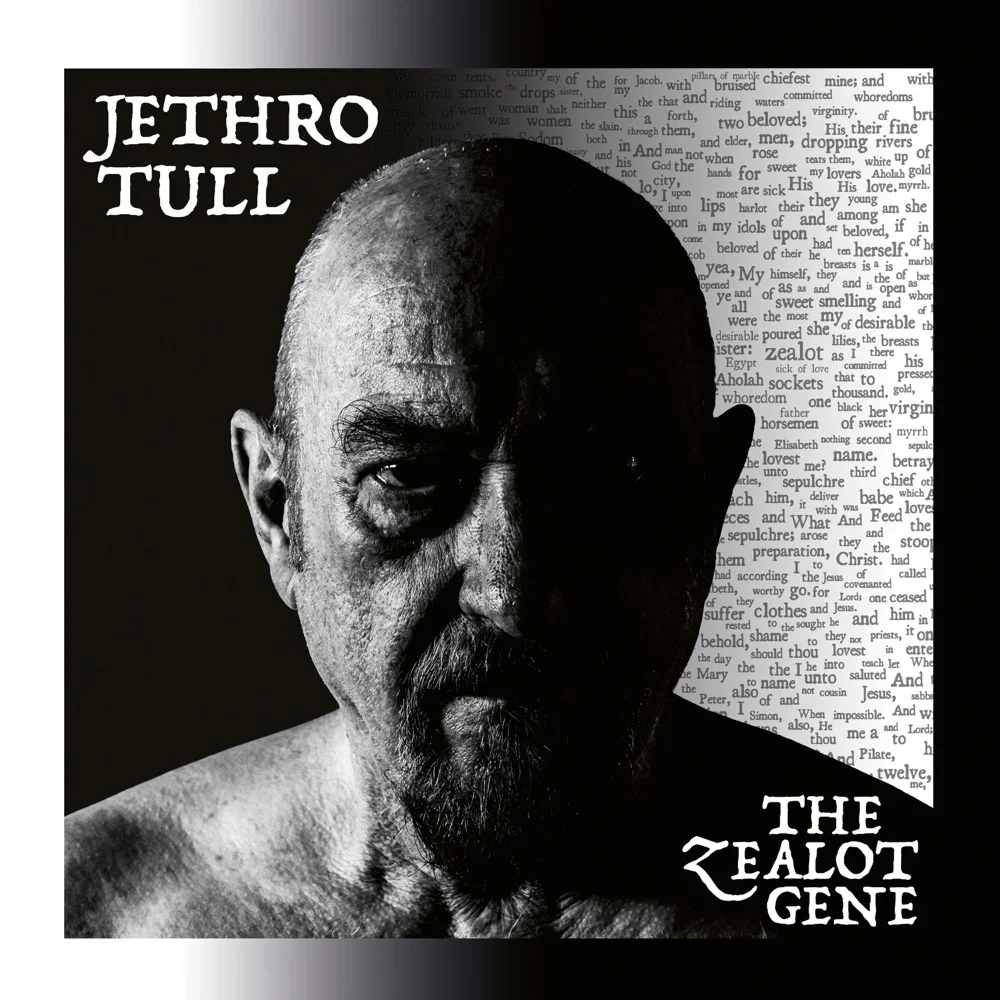
The first Jethro Tull studio album in nearly two decades, drawing loosely on biblical themes and human emotion.

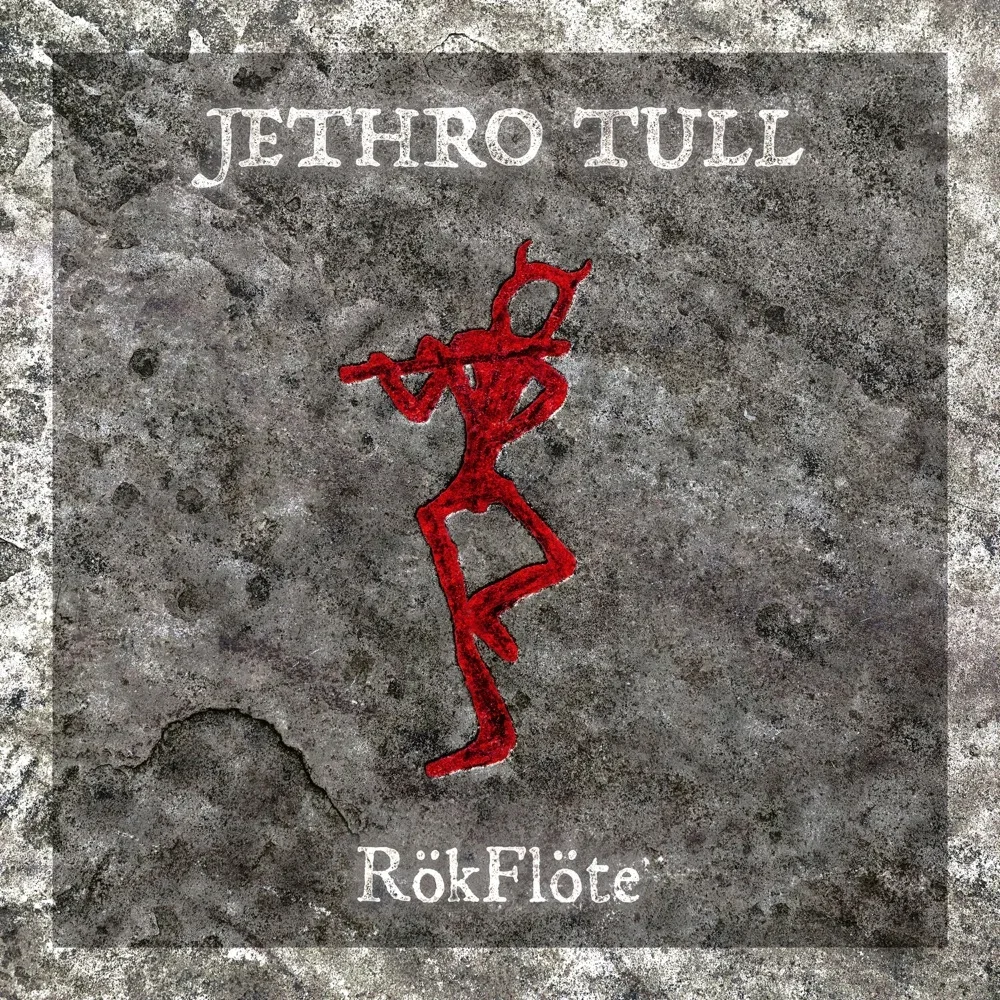
A concept album exploring figures of Norse mythology, foregrounding Anderson's flute across its instrumental core.