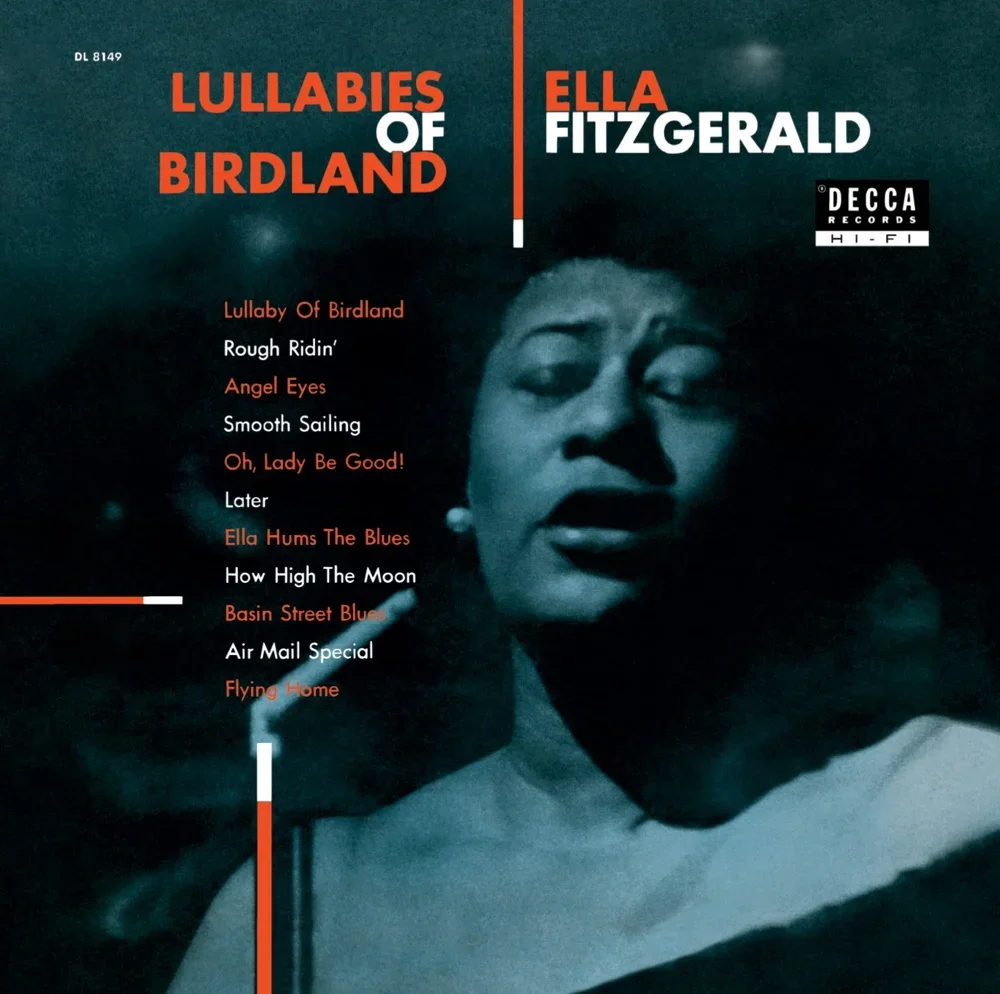
A Decca-era collection gathering her small-group sides, including the scat showcase that gave the record its name. Early Ella at her most swinging.

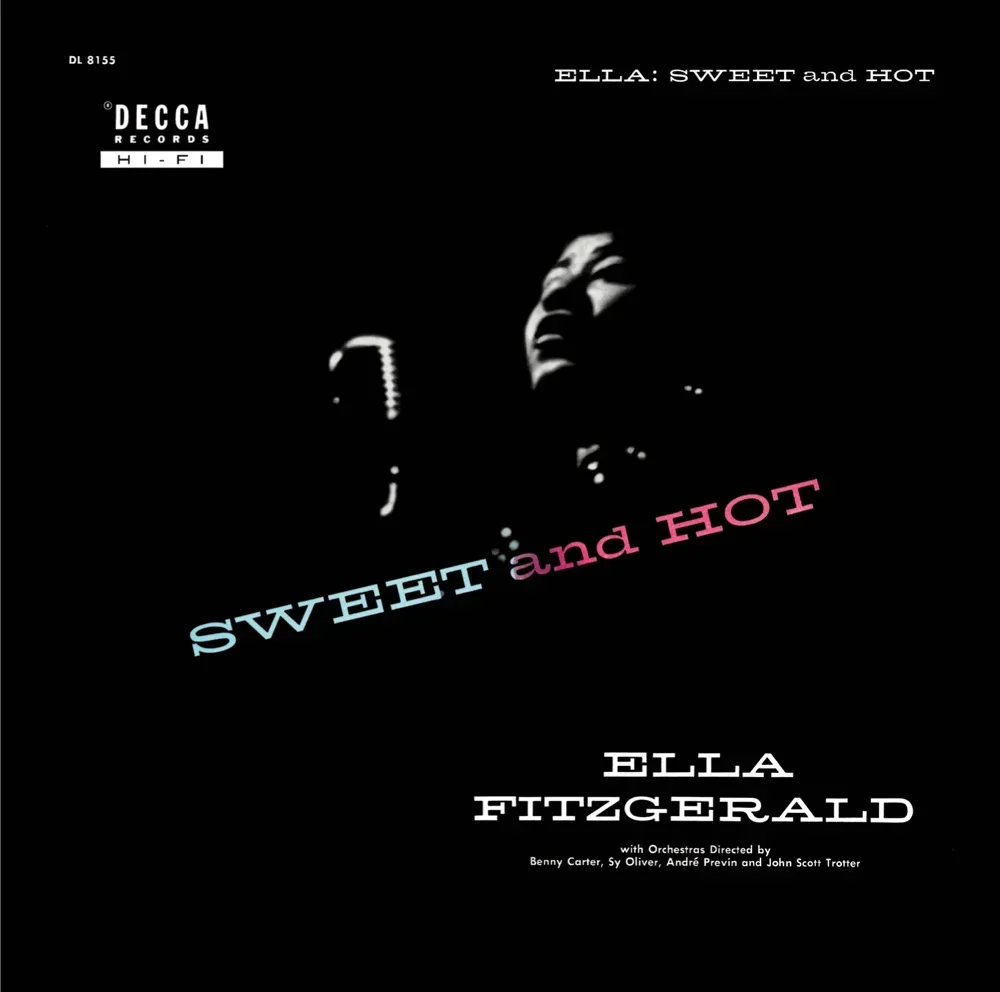
Another late-Decca set split between ballads and up-tempo swing, as the title promises. A snapshot just before the Verve years began.

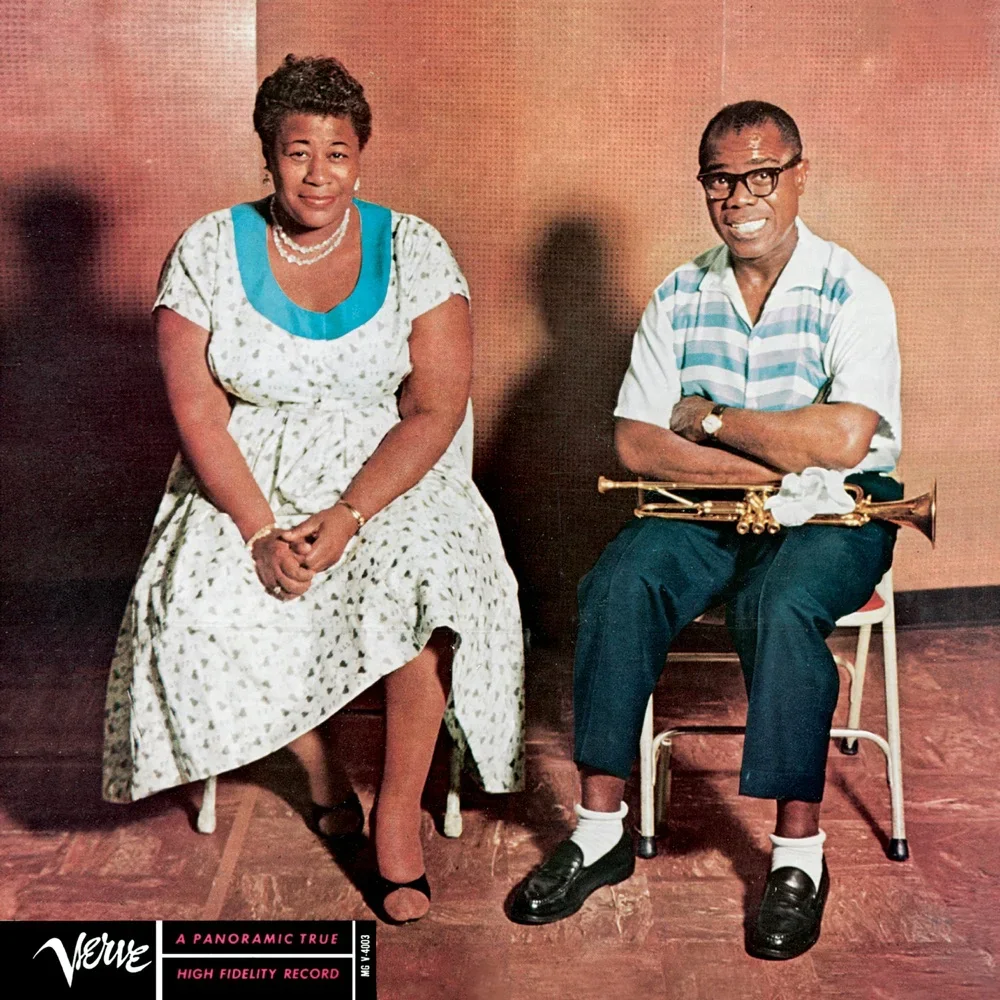
The first of her duet albums with Louis Armstrong, backed by the Oscar Peterson Trio. Standards sung with warmth and easy give-and-take between two very different voices.

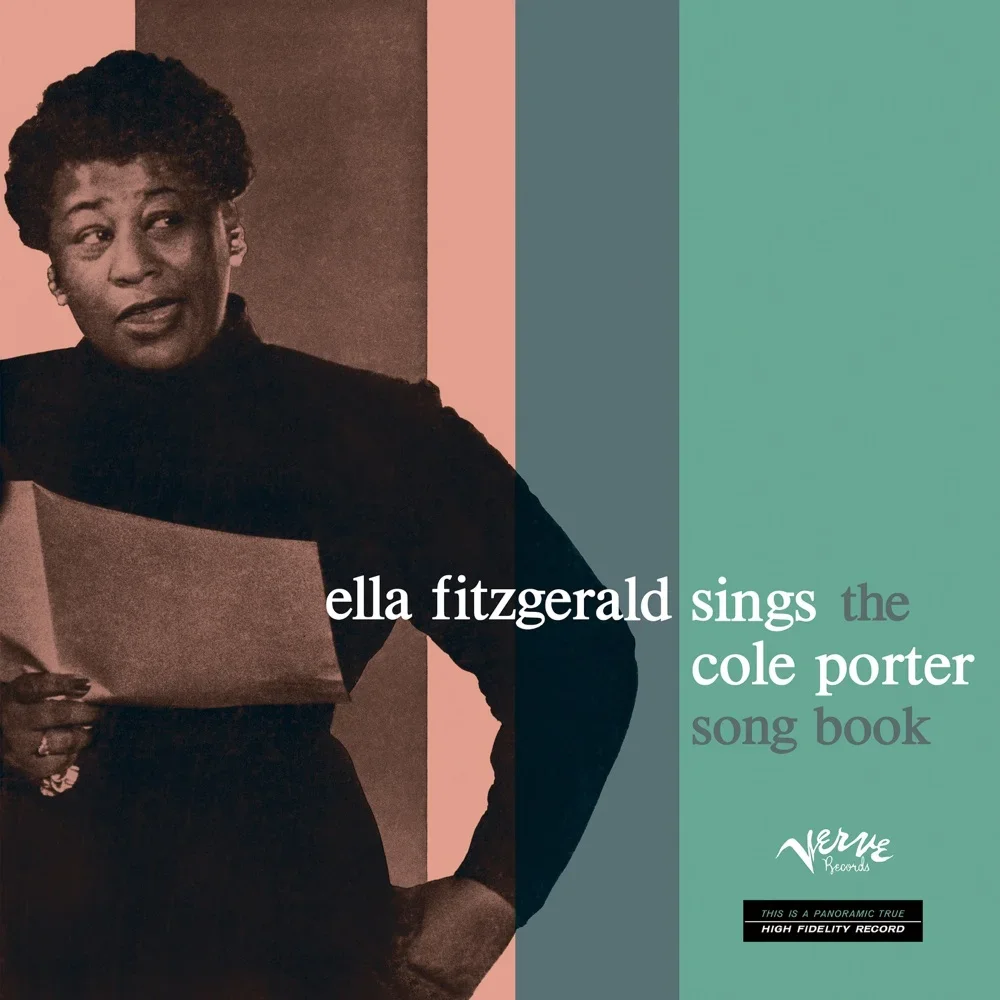
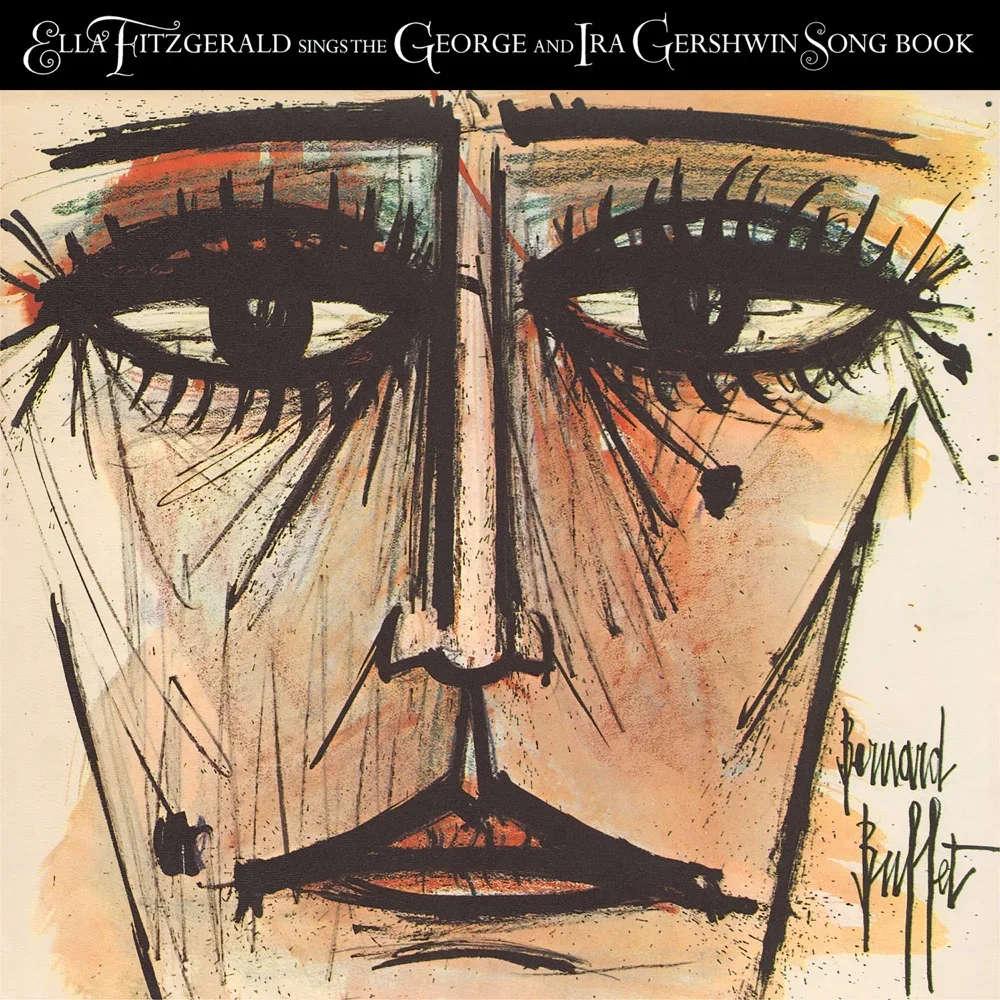
The album that launched the Song Book series for Verve and redefined the whole idea. A songwriter's catalogue treated as a serious body of work.

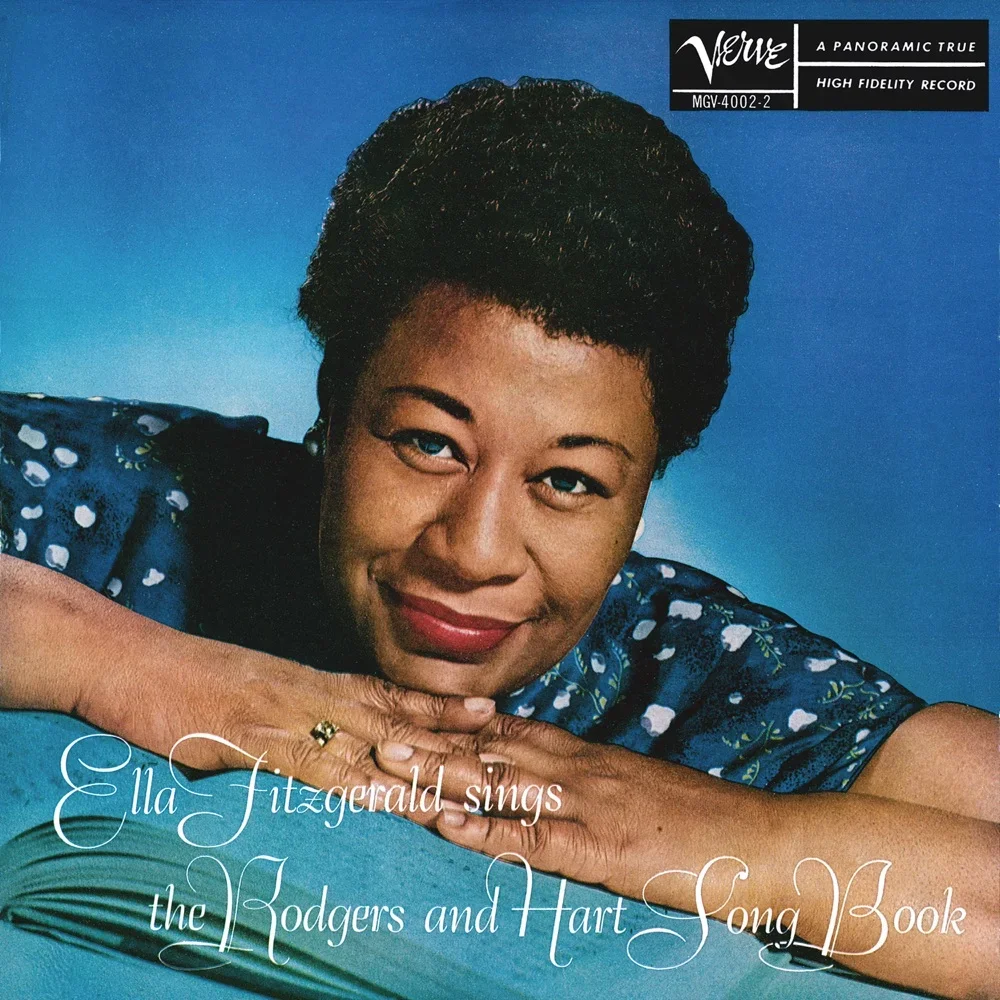
The second Song Book, devoted to the songs of Richard Rodgers and Lorenz Hart. Clear, unfussy readings that let the writing speak.

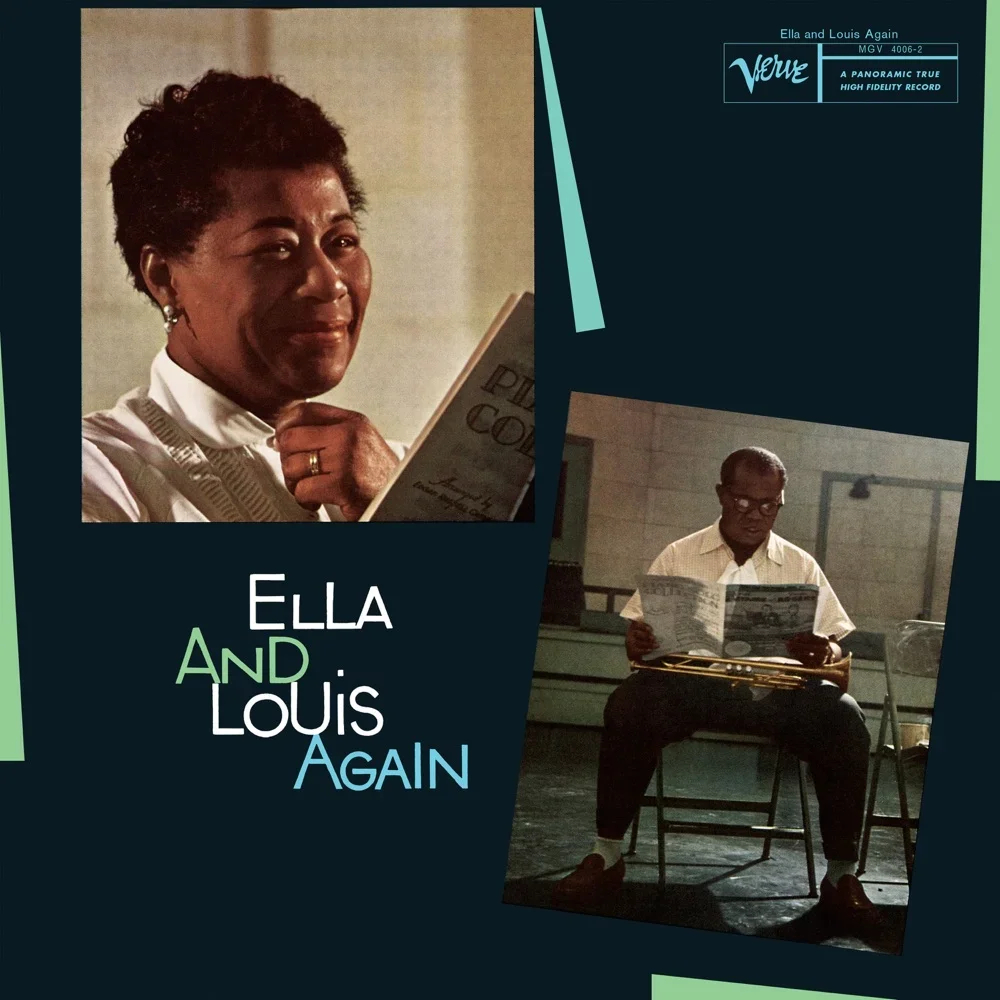
The second Armstrong duet album, again with the Oscar Peterson Trio and a few solo turns each. More standards, the same relaxed chemistry.

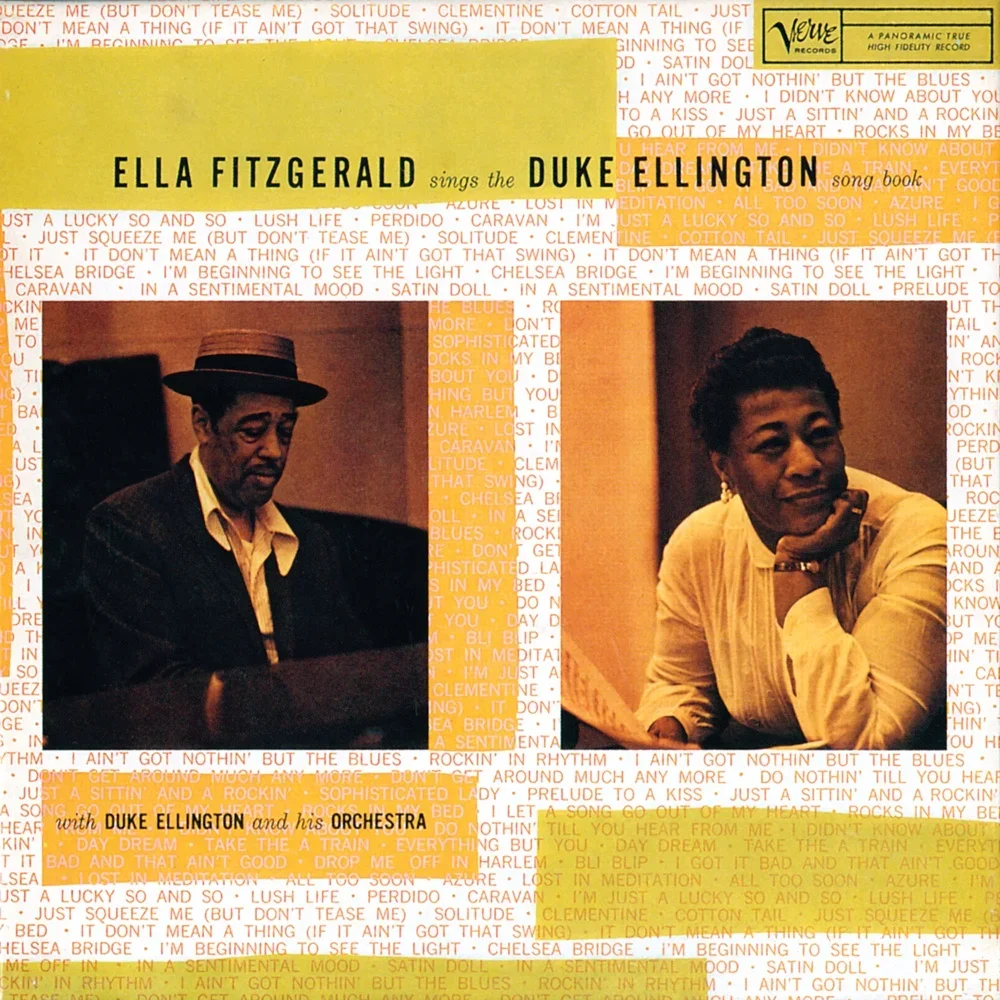
The only Song Book made with the composer himself: Duke Ellington and his orchestra play alongside her. A sprawling, ambitious high point of the series.

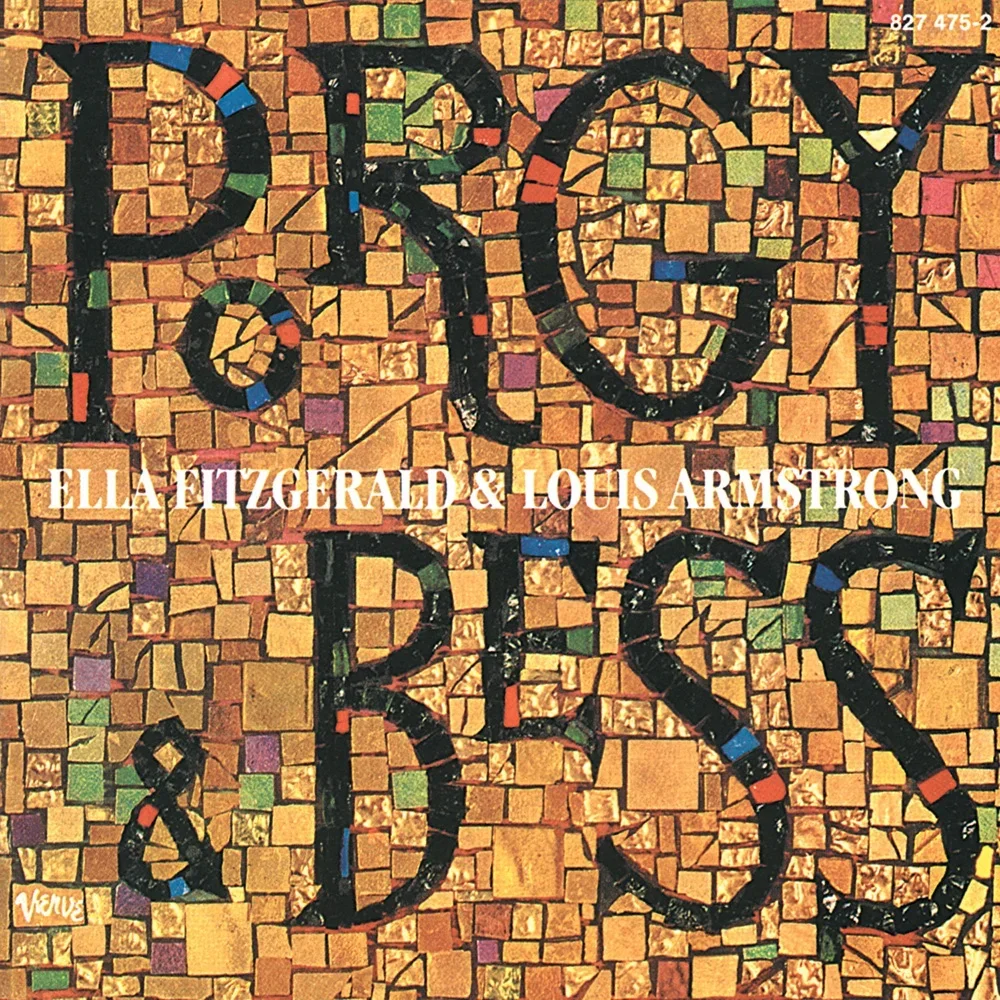
Ella and Louis Armstrong take on Gershwin's opera as a song cycle, with a full orchestra under Russell Garcia. Lush, dramatic and unlike their intimate duet records.

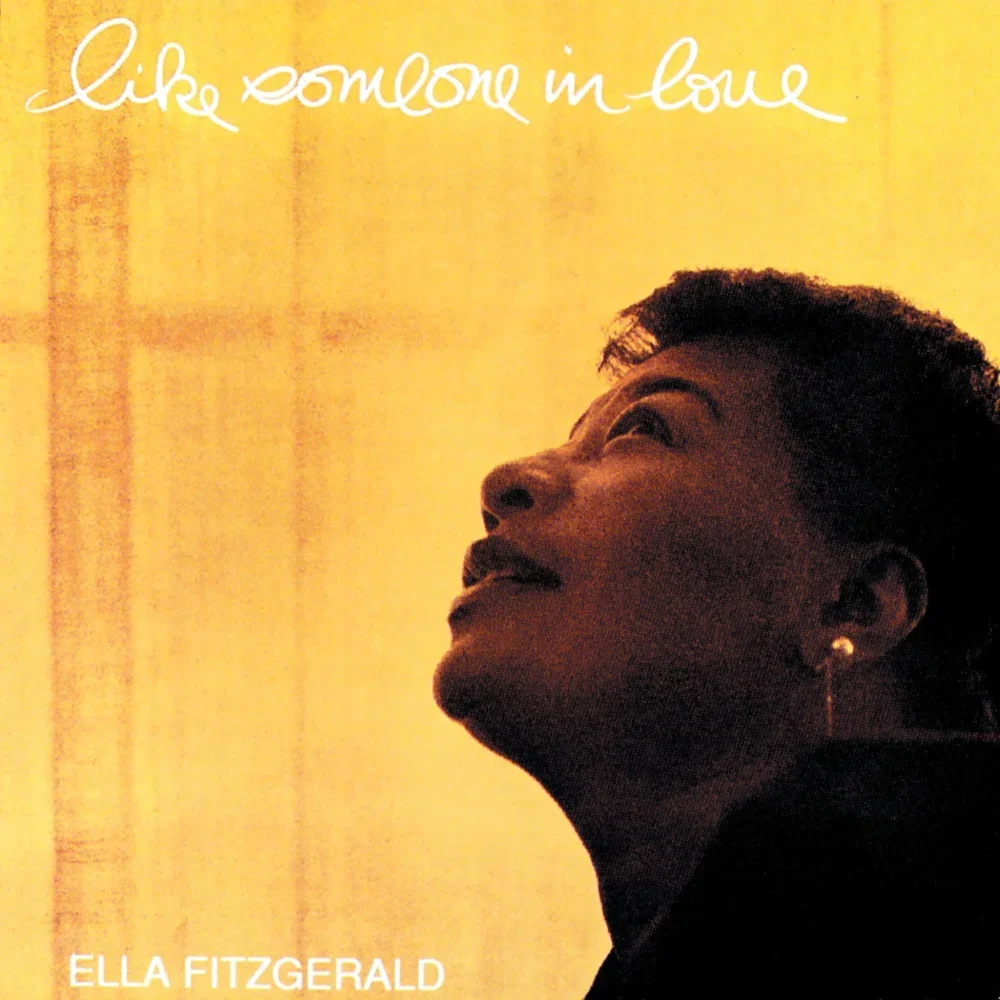
A quiet ballad album arranged by Frank DeVol, with Stan Getz guesting on tenor. One of her most intimate and unhurried records.

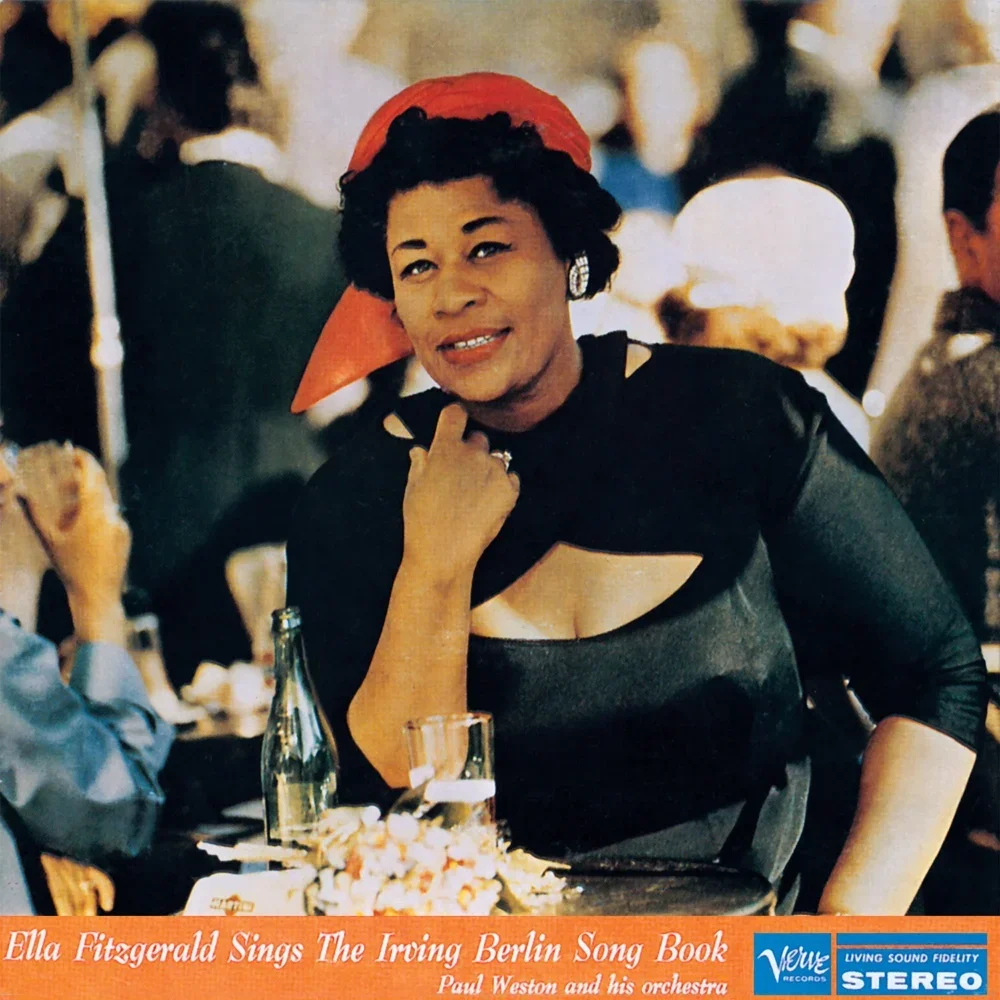
The Berlin volume, arranged and conducted by Paul Weston. A broad survey of an American songbook that runs from ragtime to standards.

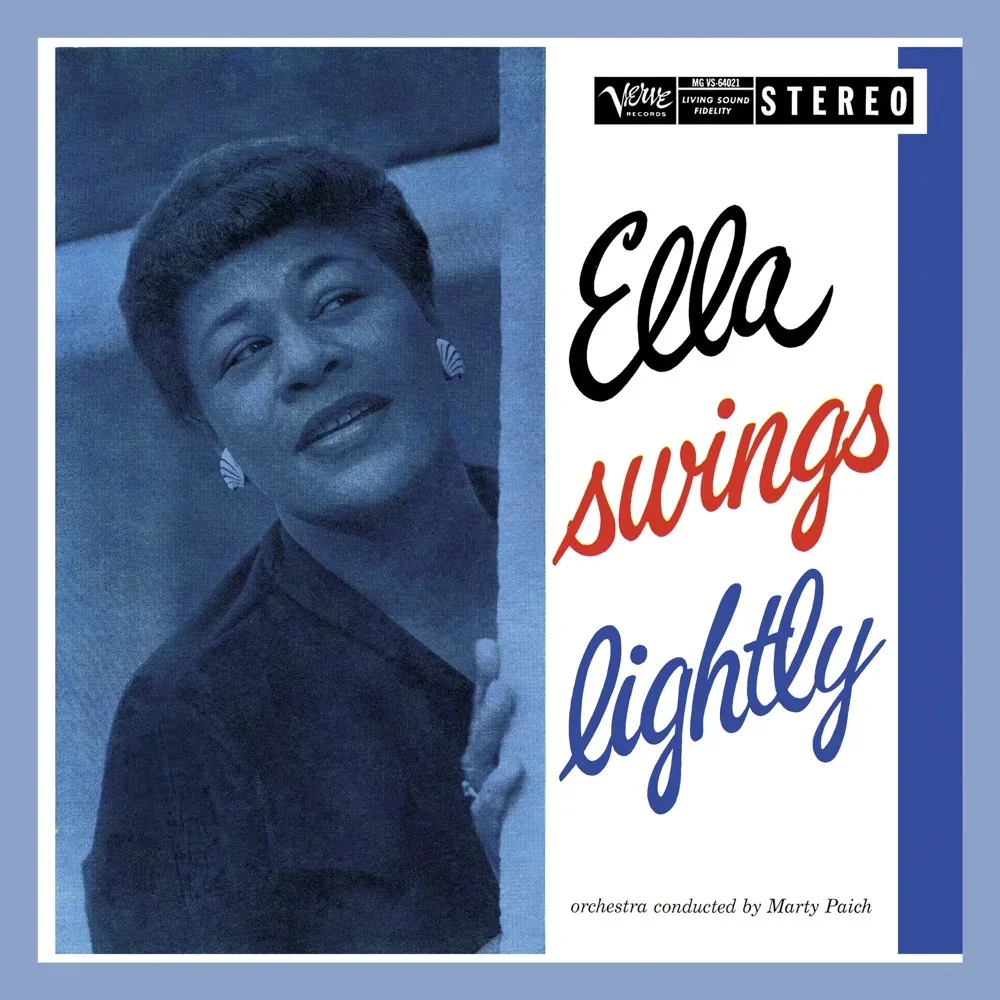
A brisk big-band date with the Marty Paich Dek-tette, all crisp arrangements and momentum. It won her a Grammy for best vocal performance.

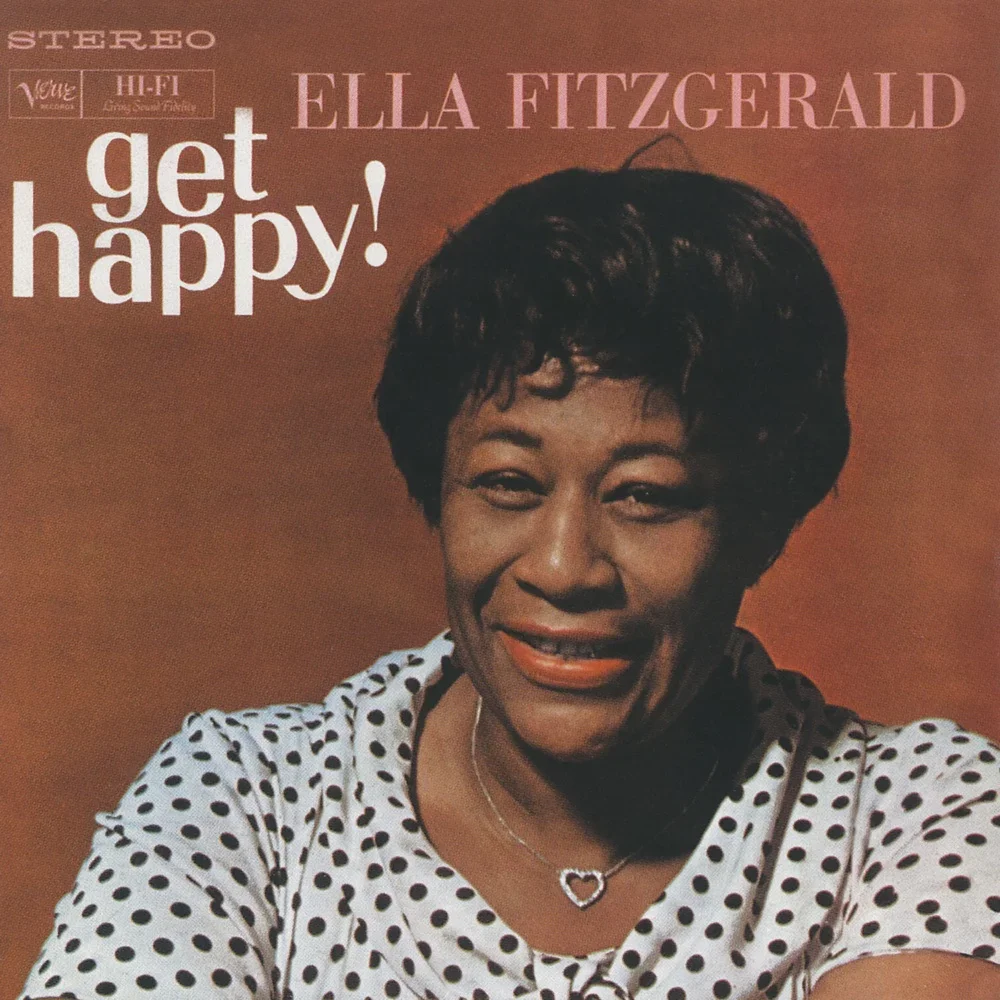
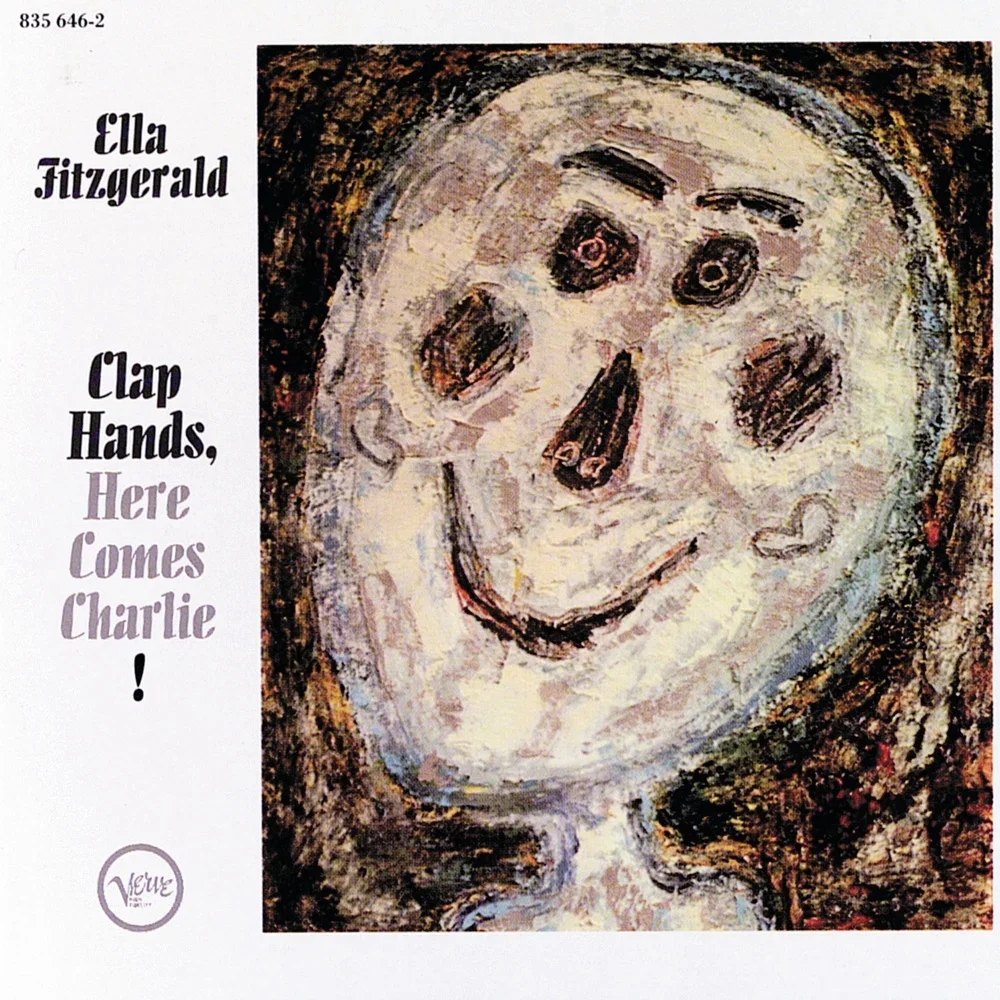
An upbeat set of standards arranged by Frank DeVol, leaning toward bright tempos and good cheer. A lighter counterpart to the Song Books.

The biggest Song Book of all, arranged by Nelson Riddle across dozens of Gershwin songs. Often named the finest of the series.

A small-group swing album with the Lou Levy quartet, loose and full of scat. Ella improvising with a working band rather than a big orchestra.

The Arlen volume, arranged by Billy May, covering a writer whose songs run from blues to Broadway. Two records' worth of range.

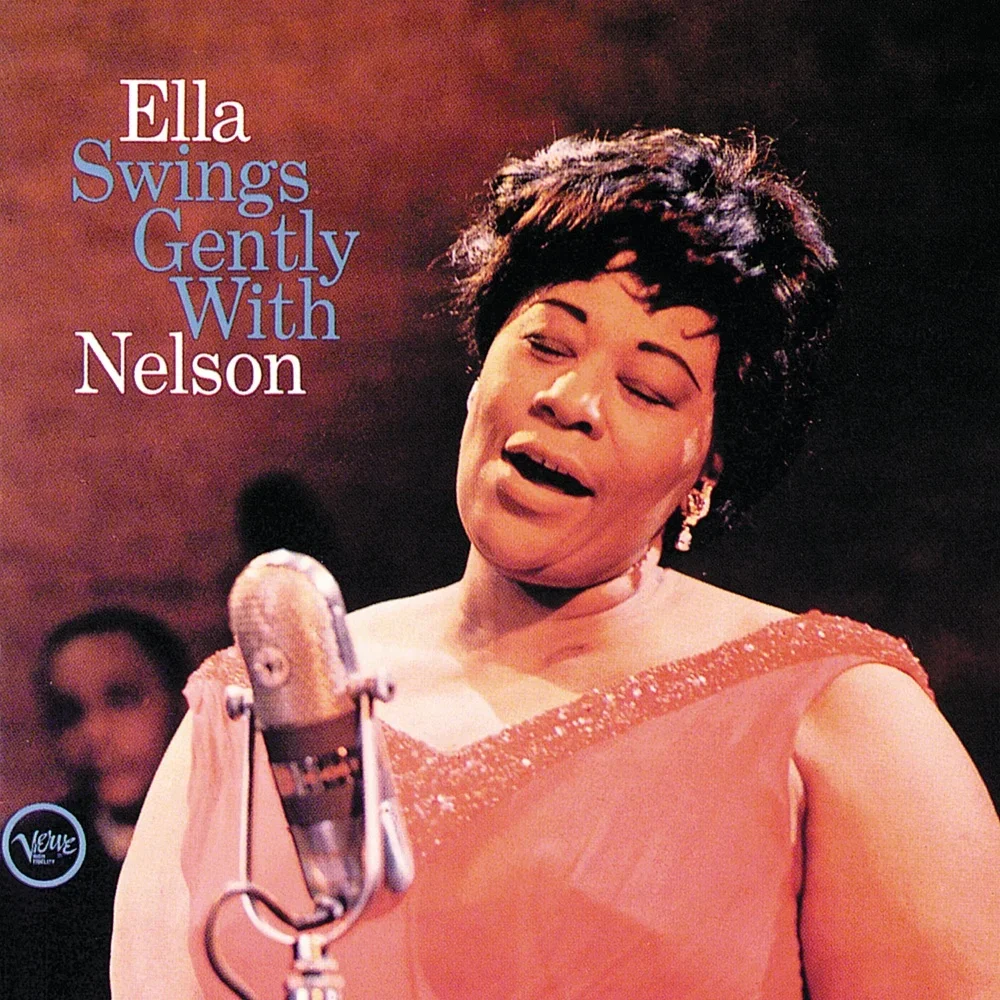
A soft, ballad-heavy album with Nelson Riddle's orchestra, the gentle side of their partnership. Warm strings and unhurried tempos throughout.

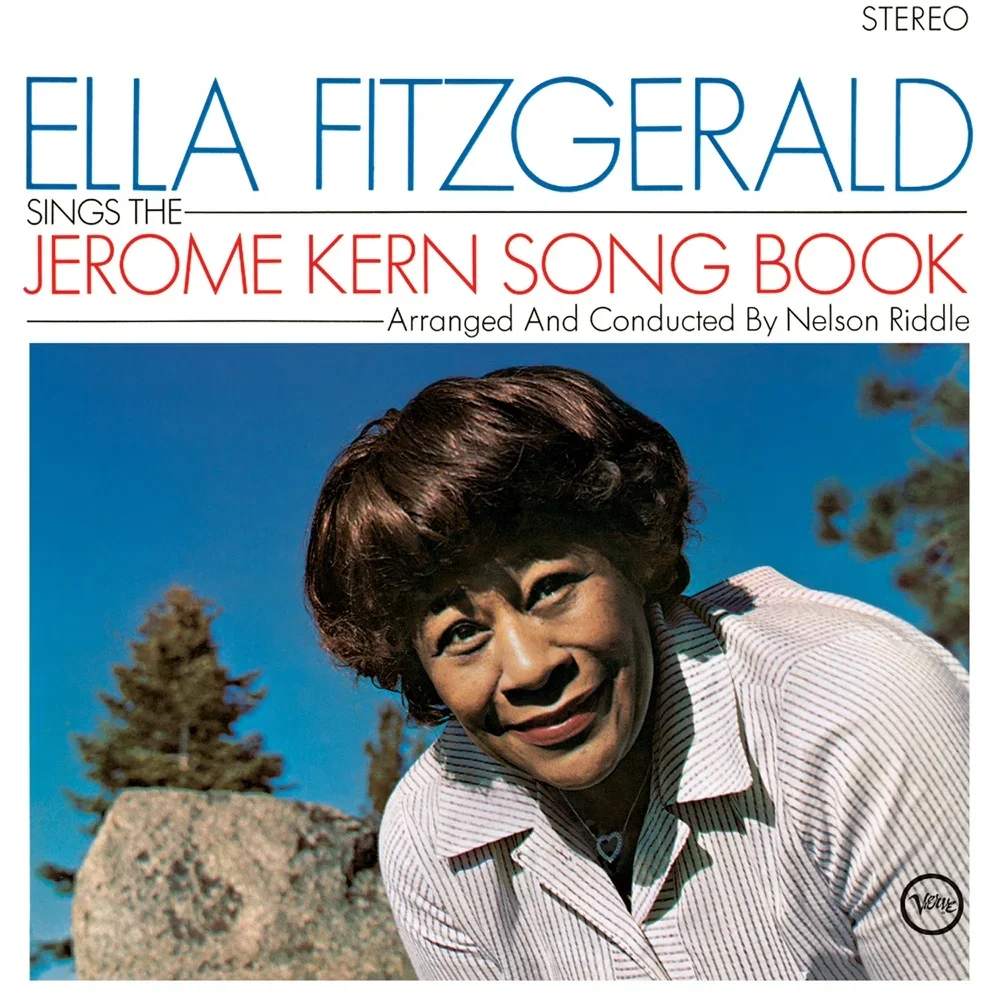
A later Song Book with Nelson Riddle, devoted to Jerome Kern. Lush orchestral settings for a composer of standards like 'The Way You Look Tonight'.

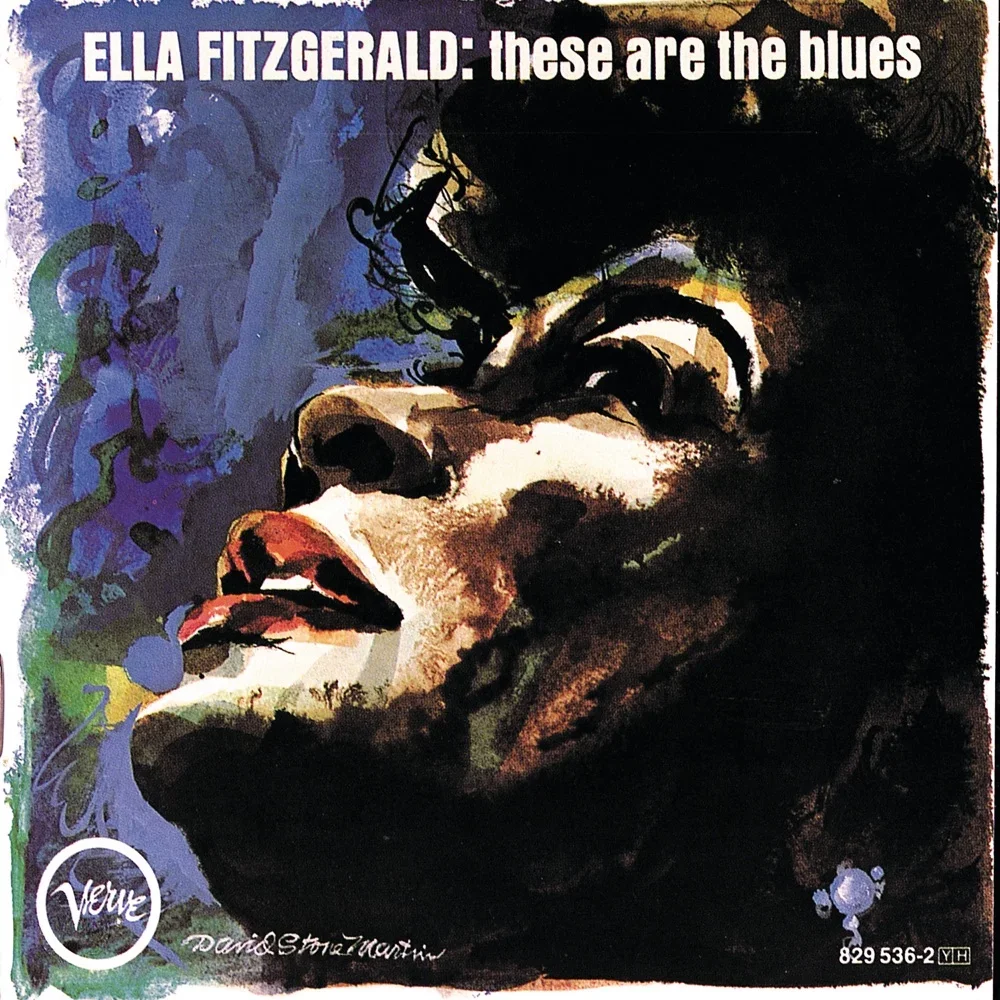
A straight blues album with Roy Eldridge on trumpet, stepping outside the standards repertoire. Earthier and grittier than her usual fare.

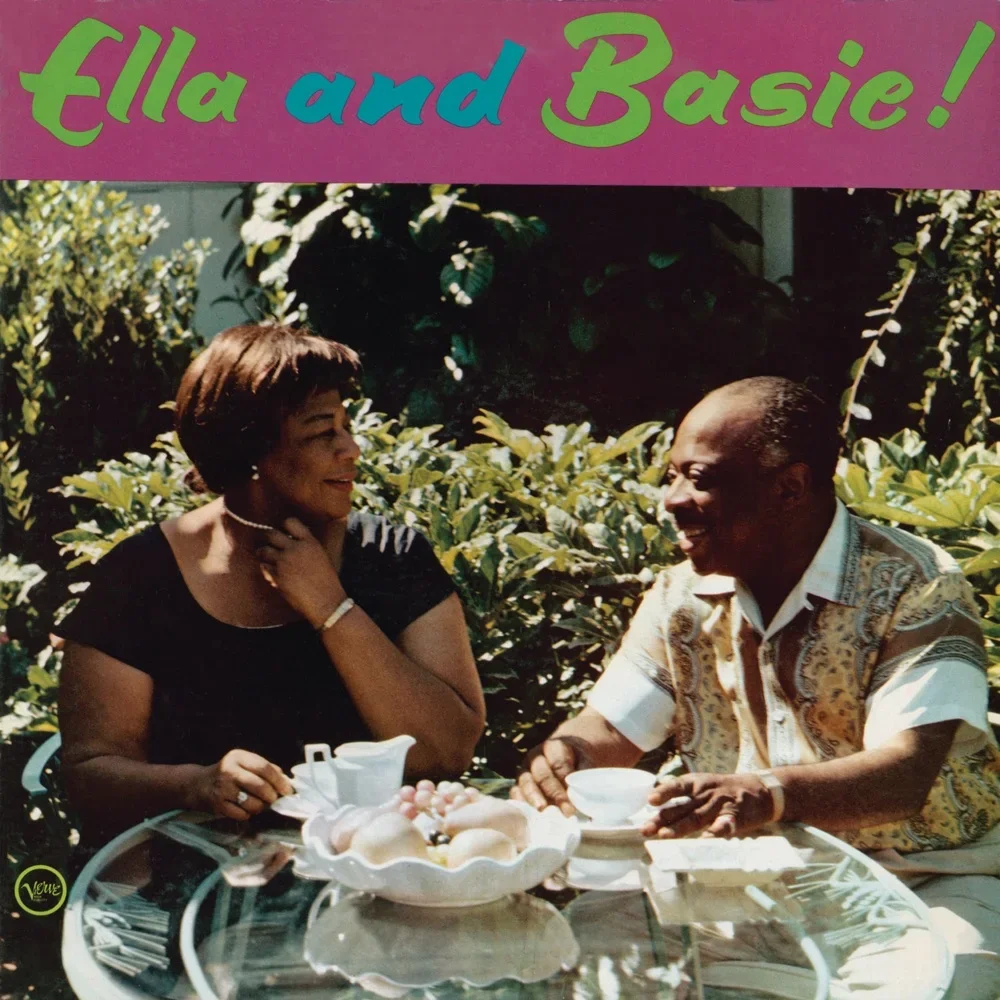
A hard-swinging meeting with the Count Basie Orchestra, arranged by Quincy Jones. One of her most driving big-band records.

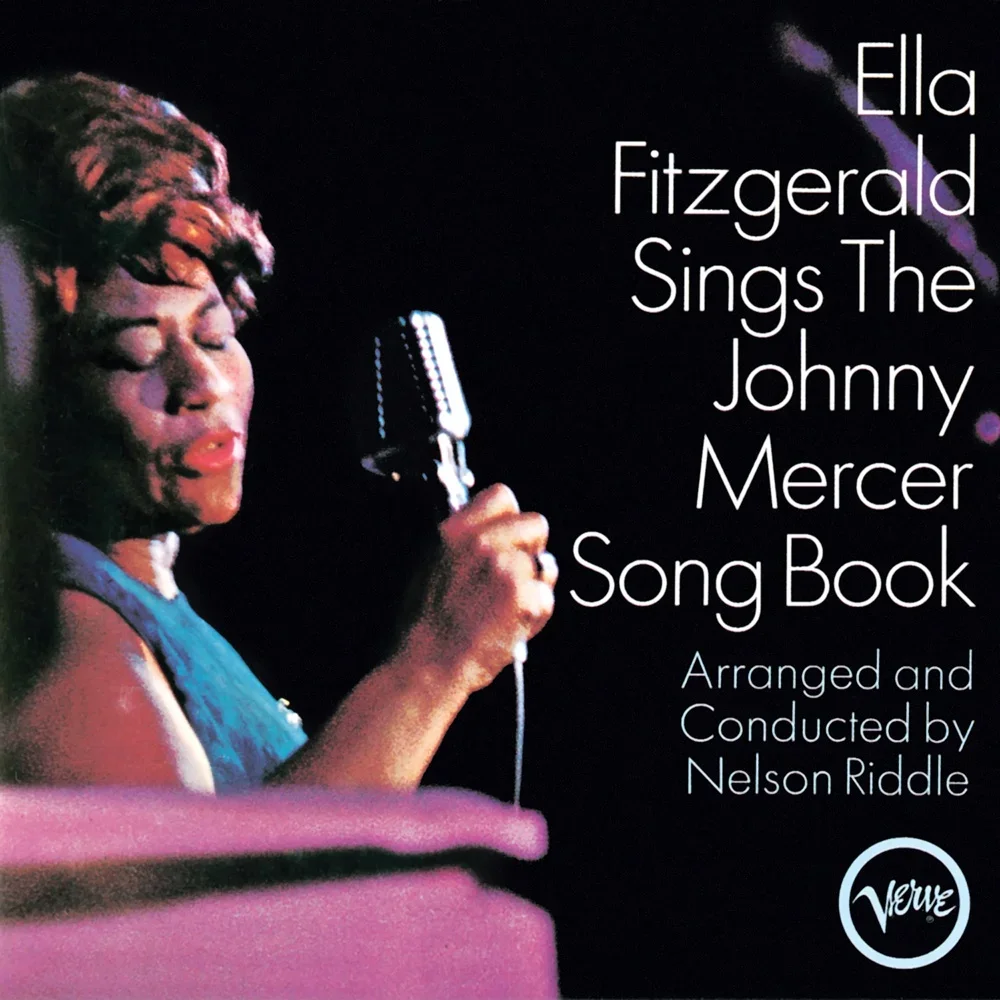
The last of the eight Song Books, arranged by Nelson Riddle around the lyricist Johnny Mercer. A graceful close to the landmark series.

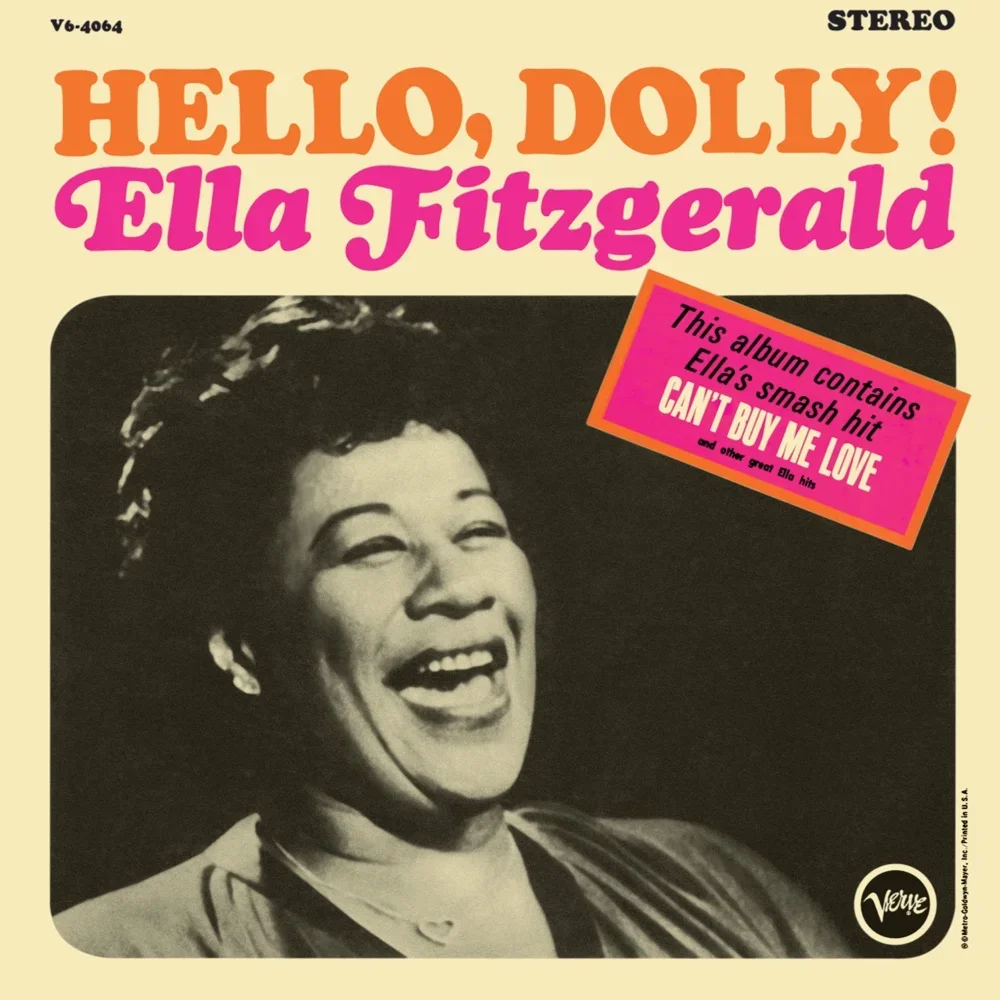
A set built around the title hit of the moment, mixing show tunes and standards. Ella keeping pace with the pop of the day.

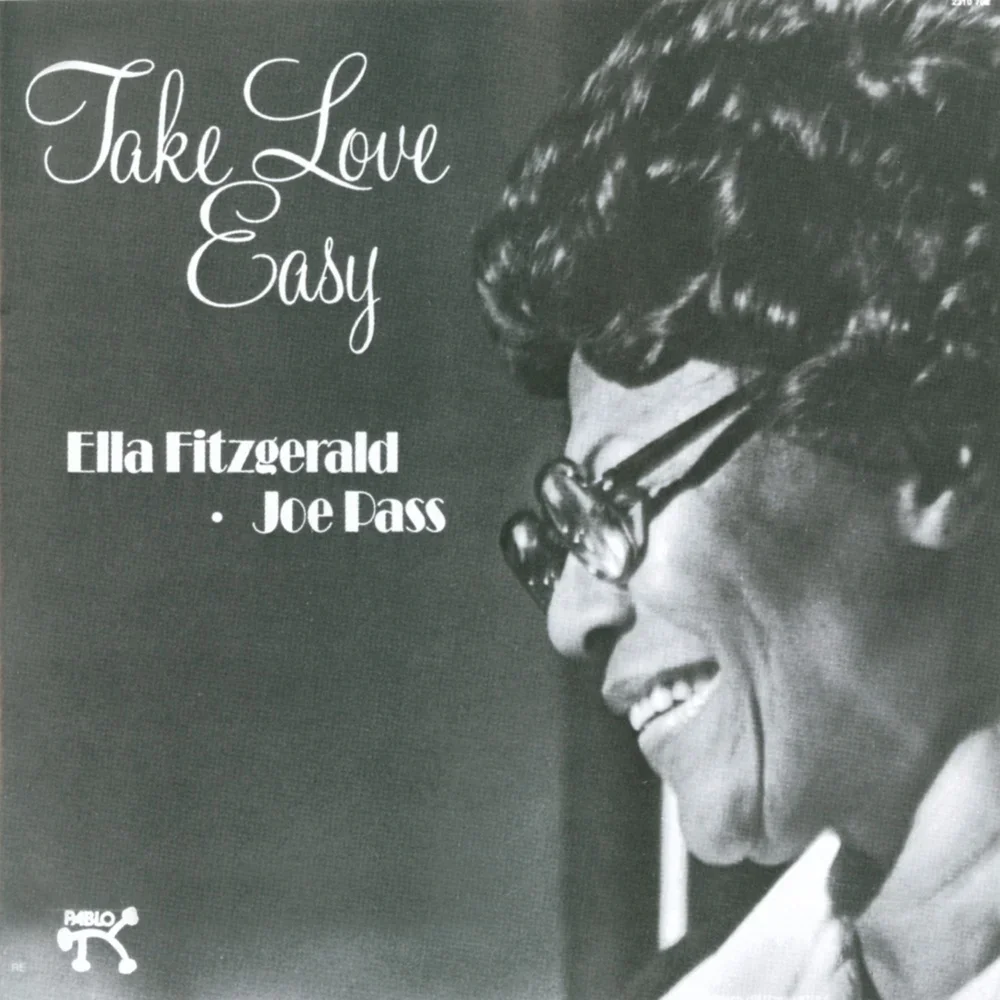
The first of her duet albums with guitarist Joe Pass for Pablo, just voice and guitar. Spare, intimate and quietly virtuosic.

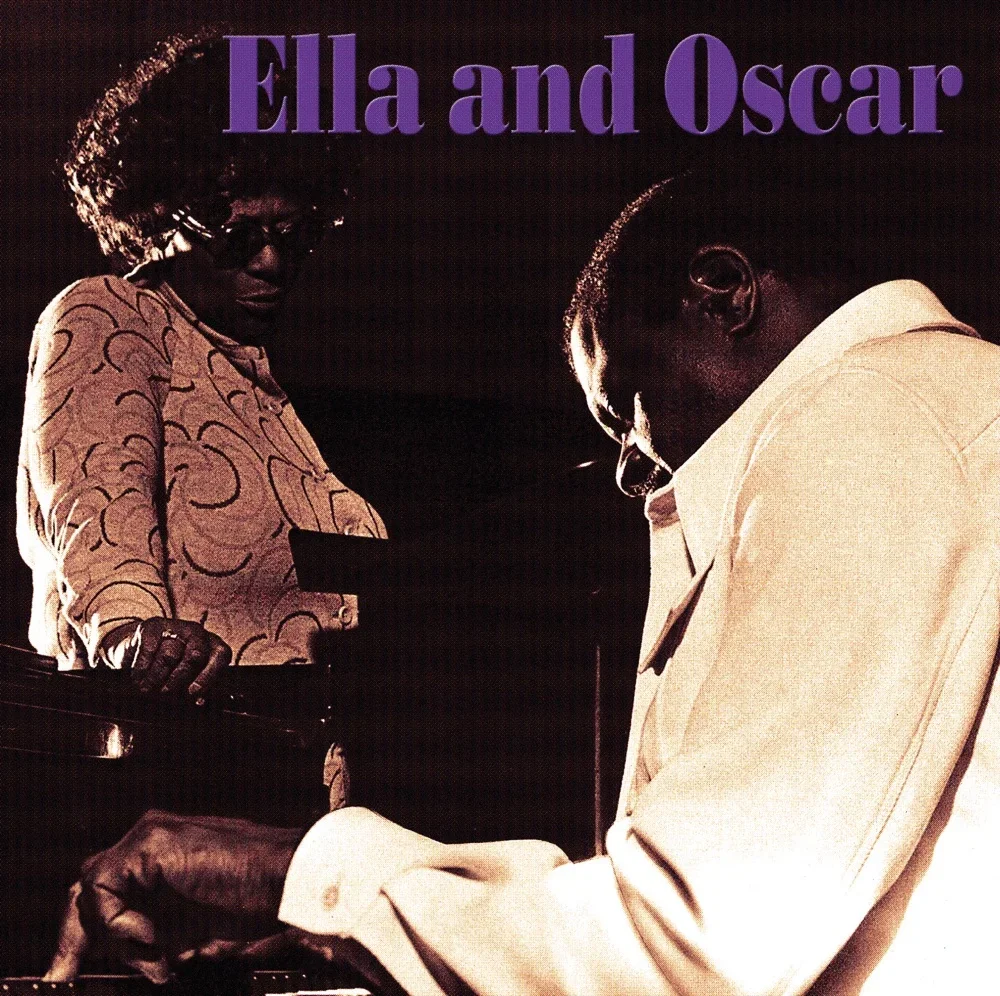
A late-career meeting with pianist Oscar Peterson on Pablo, mostly voice and piano. Unhurried, conversational readings of standards.

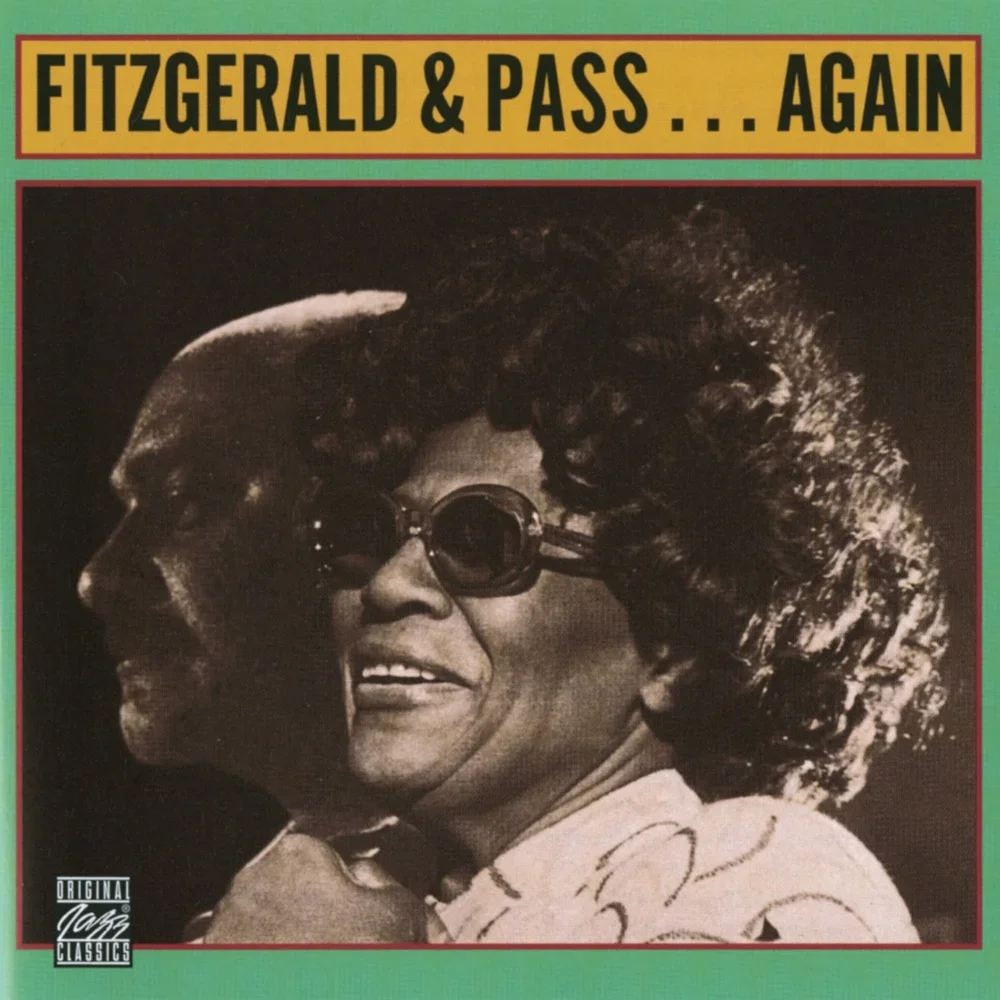
The second voice-and-guitar duet album with Joe Pass, expanding on the first. Two masters in close, unadorned dialogue.

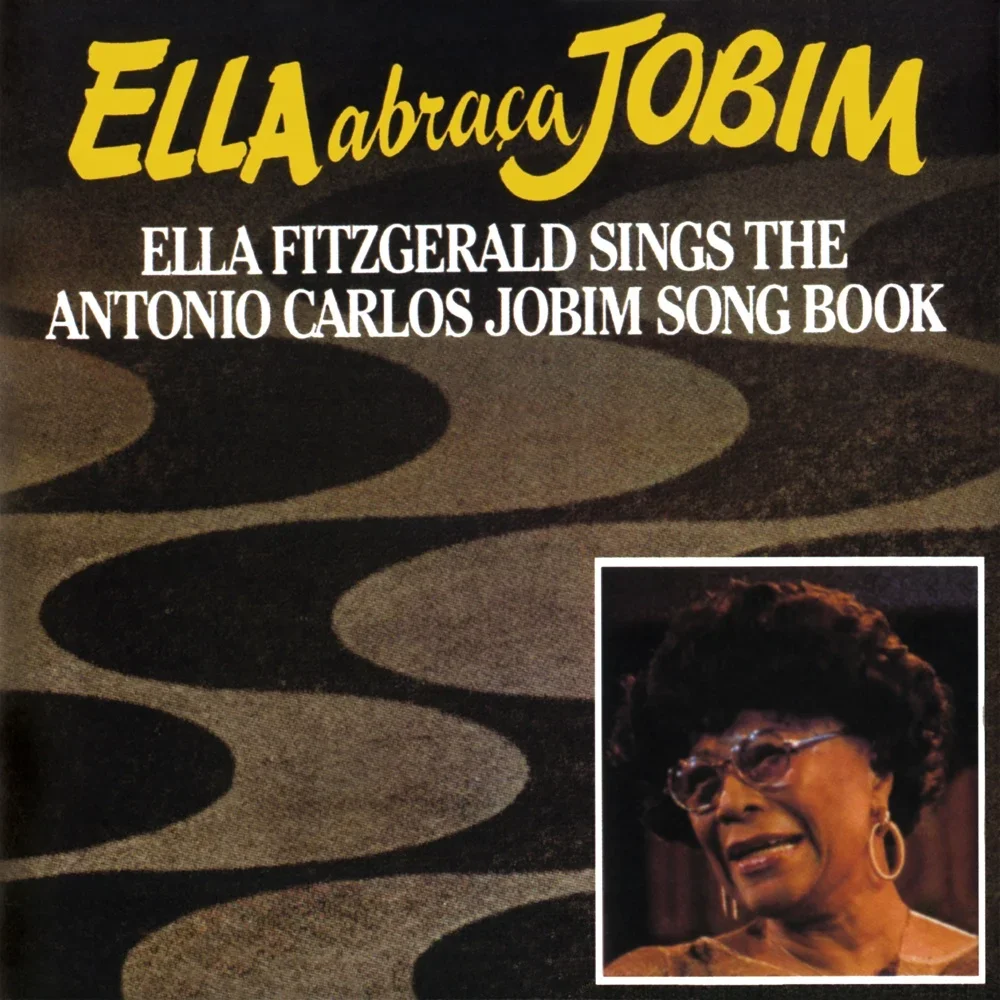
A late Pablo Song Book turning to the bossa nova of Antonio Carlos Jobim. A warm, unexpected coda to her songbook tradition.