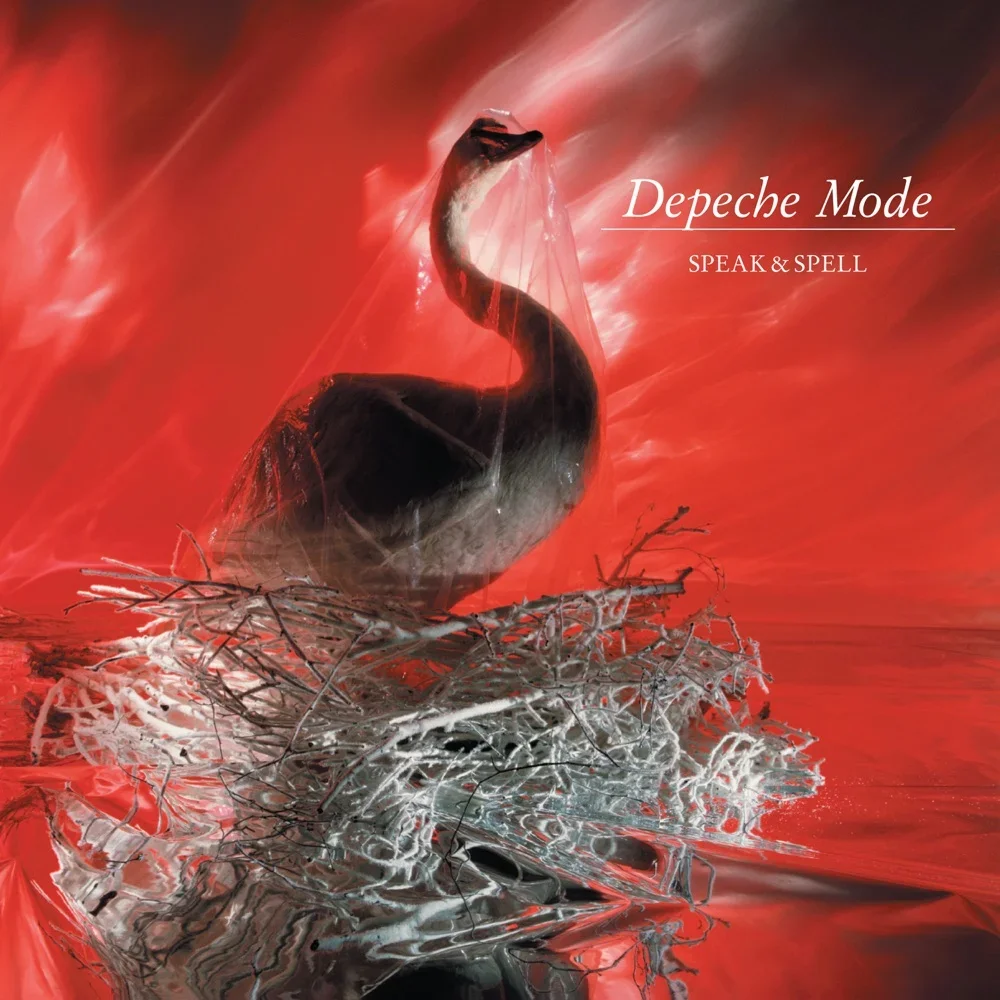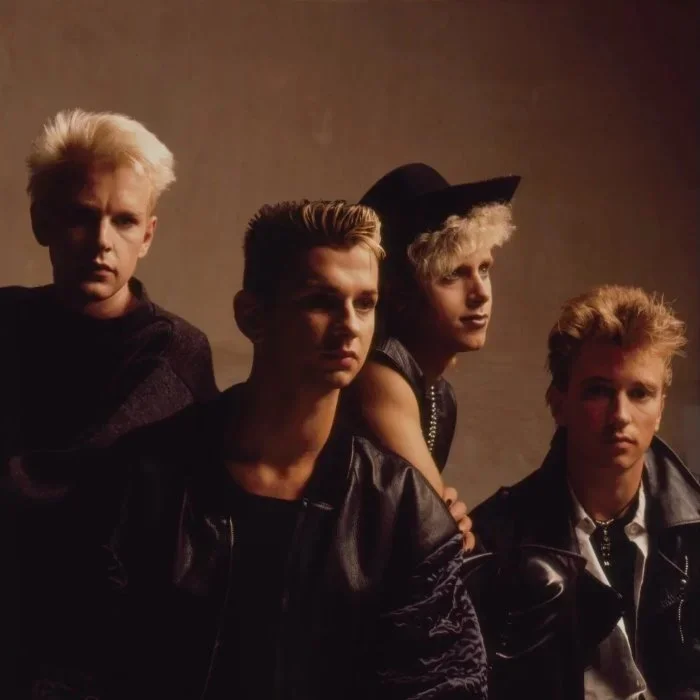
The bright synth-pop debut, still shaped by Vince Clarke, whose "Just Can't Get Enough" became an instant pop staple.

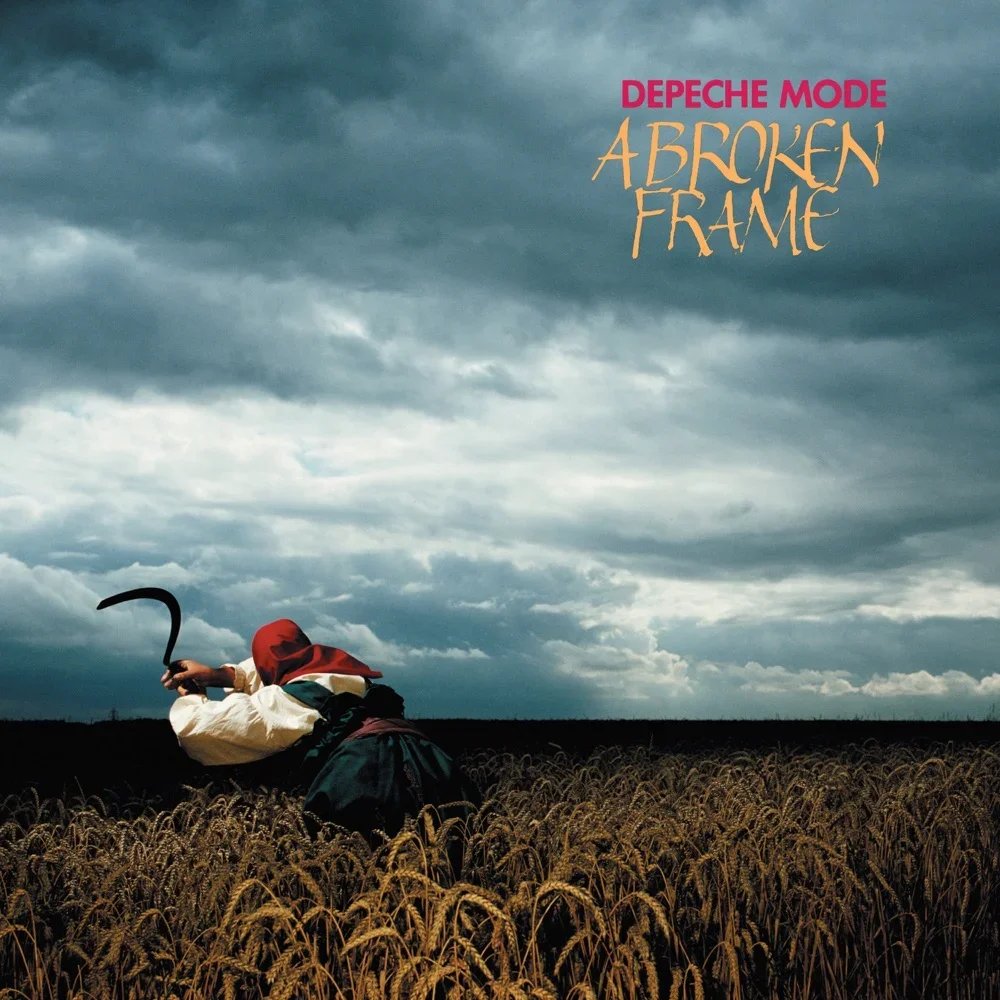
The first record after Clarke's exit, with Martin Gore stepping up as sole songwriter and the sound turning moodier.

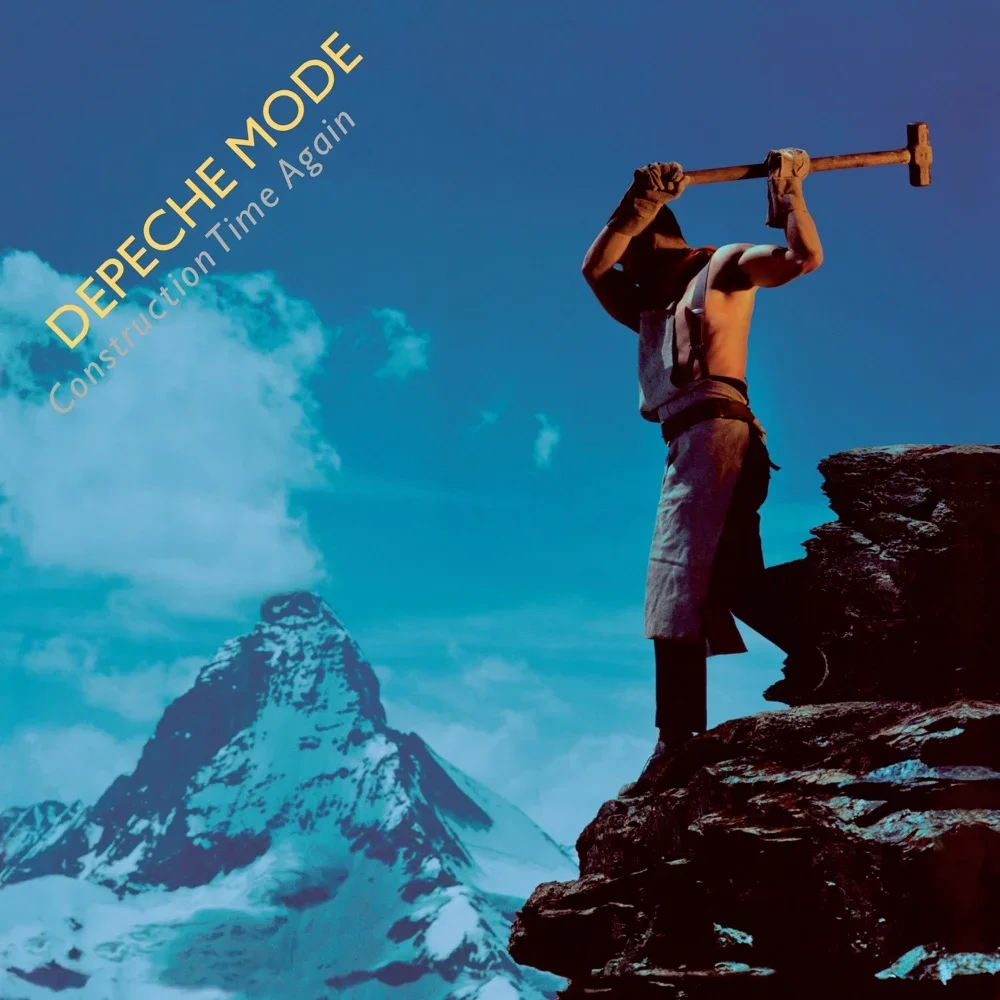
Sampling and industrial textures arrive with Alan Wilder, pulling the band toward a harder, socially charged sound.

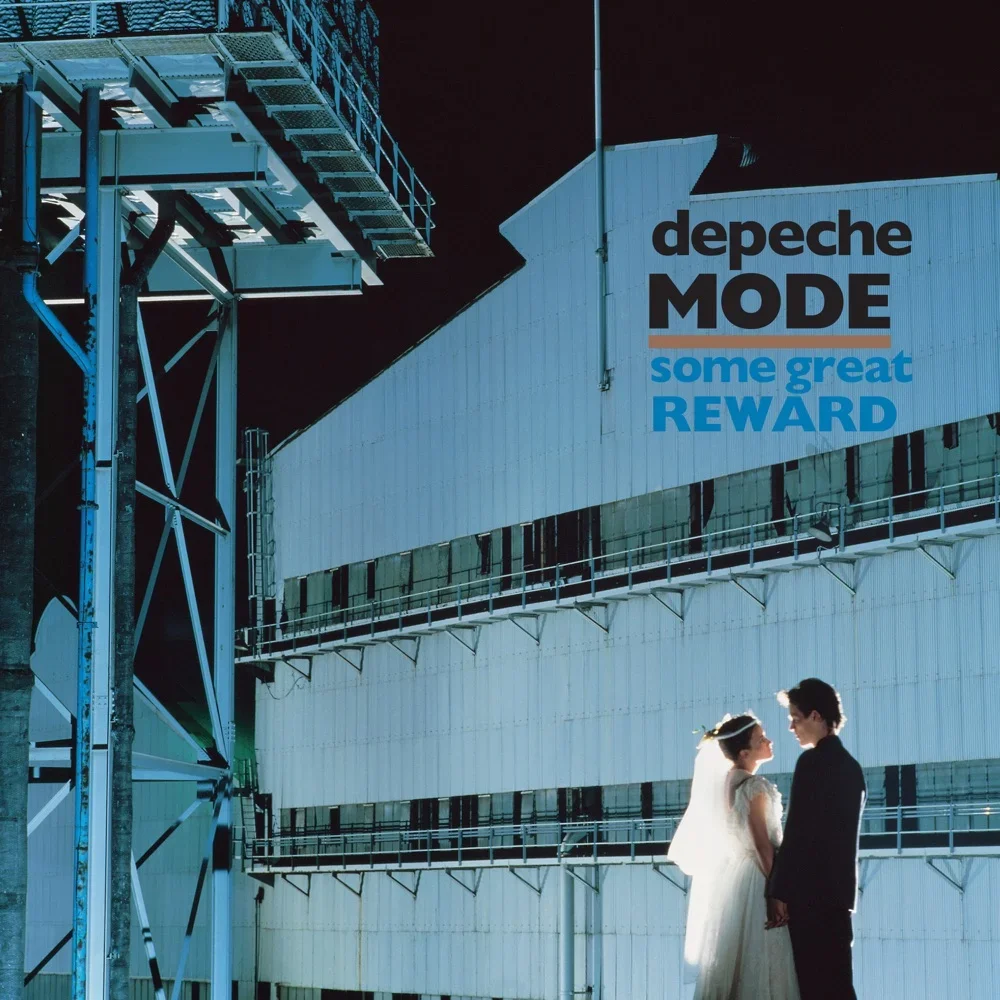
A breakthrough of dark, sensual pop carrying "People Are People" and the provocative "Master and Servant".

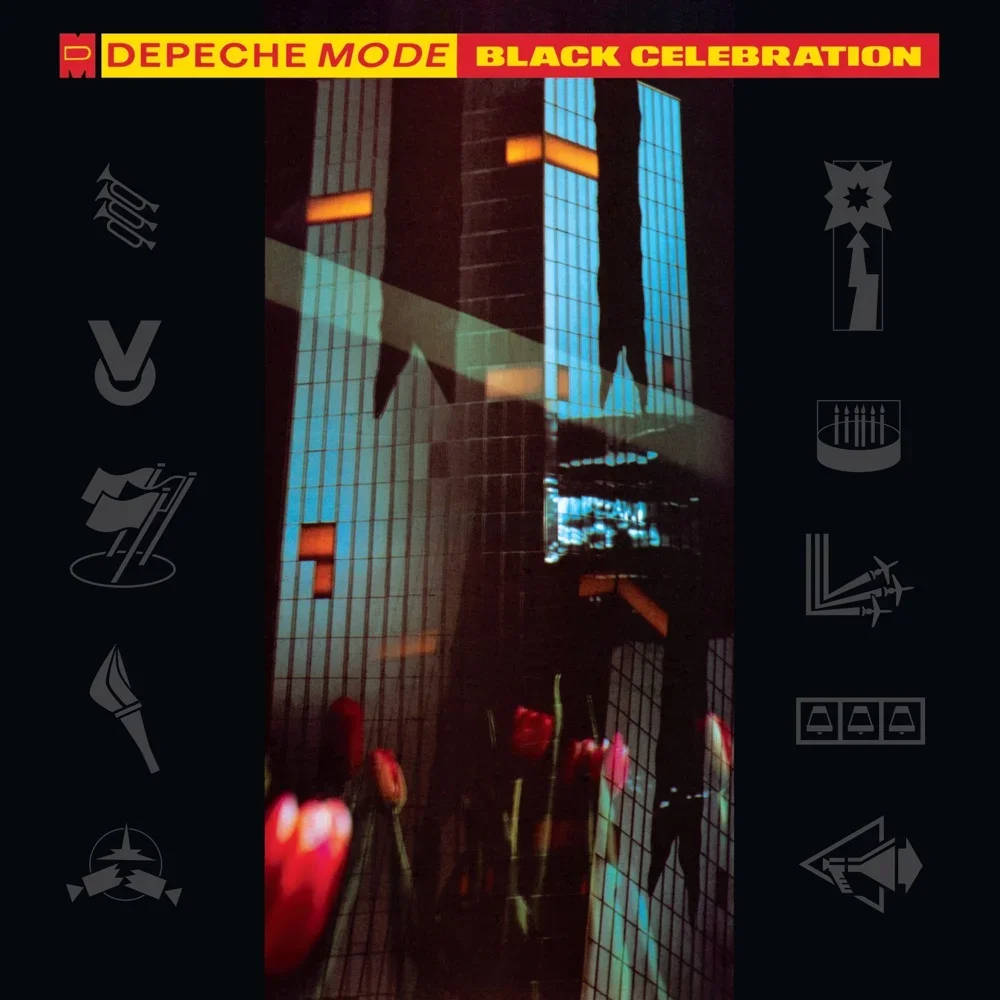
A brooding, atmospheric turn that cemented the band's gothic streak and its devoted following.

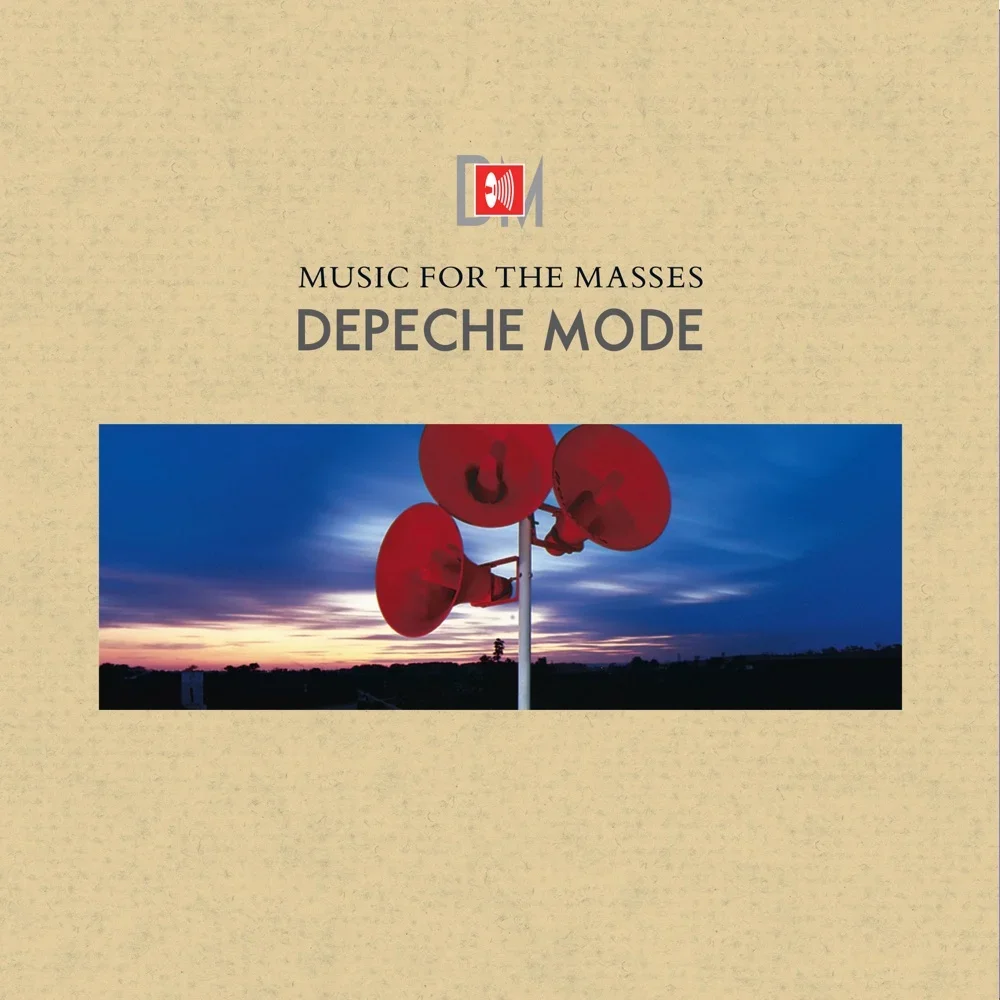
The album that took Depeche Mode to stadiums worldwide, driven by "Never Let Me Down Again" and "Strangelove".

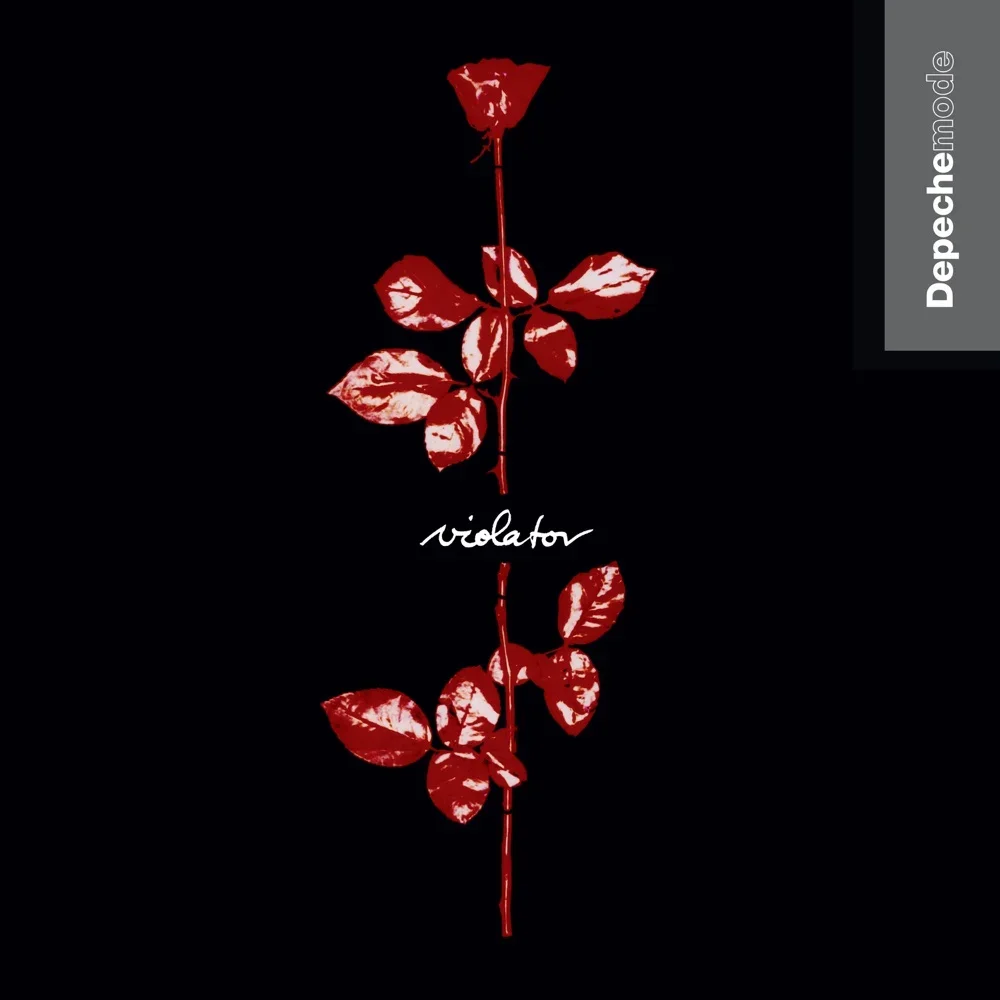
The commercial and artistic peak, home to "Personal Jesus" and "Enjoy the Silence" and one of the defining records of its era.

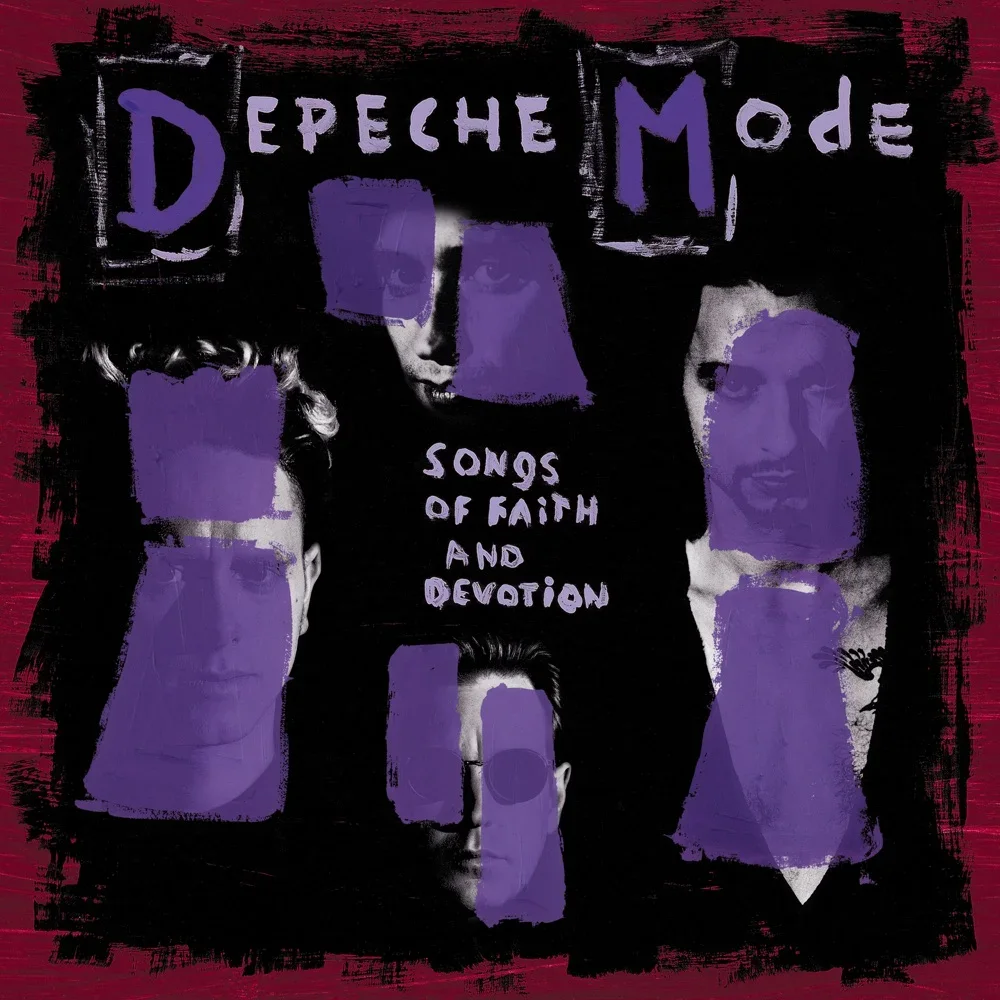
A rawer, gospel- and rock-tinged record that topped charts on both sides of the Atlantic amid the band's most turbulent years.

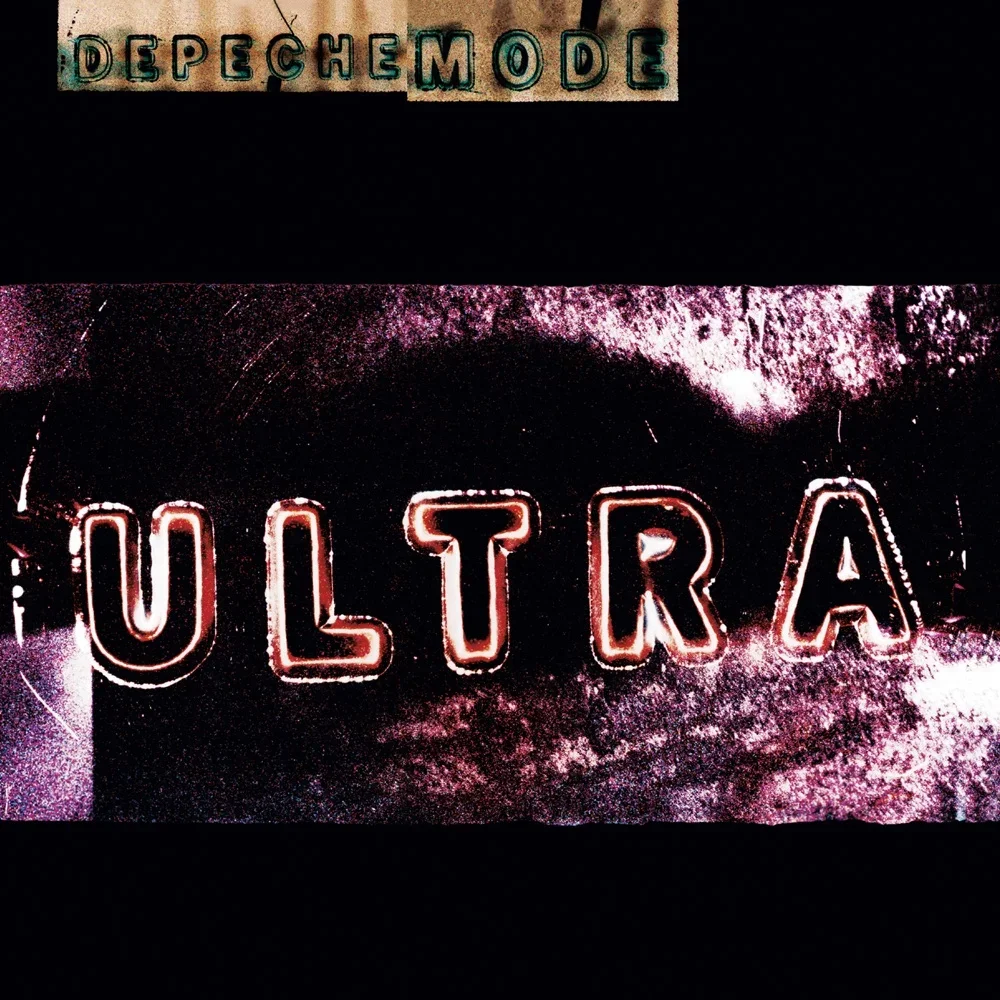
A comeback recorded after Alan Wilder's departure and Dave Gahan's near-fatal crisis, restrained yet richly textured.

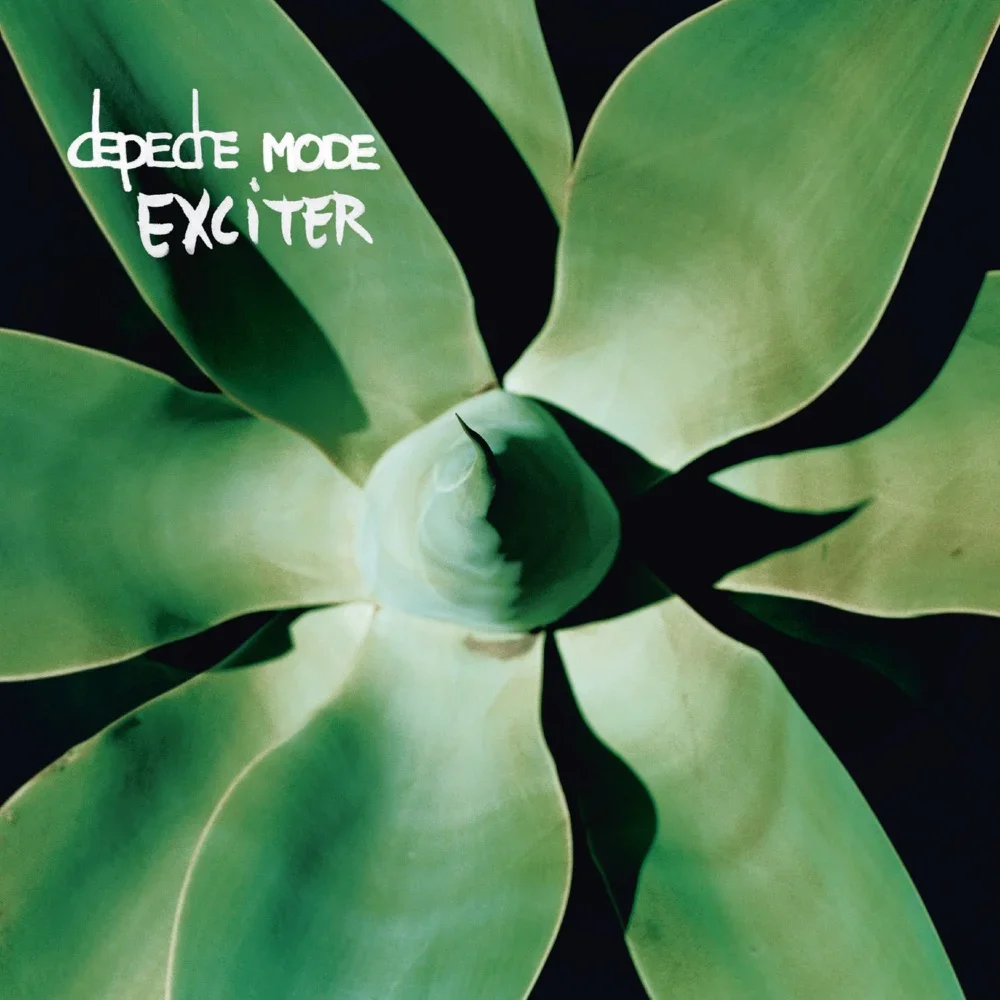
A quiet, electronic-minimalist album produced by Mark Bell, trading anthems for delicate, understated songs.

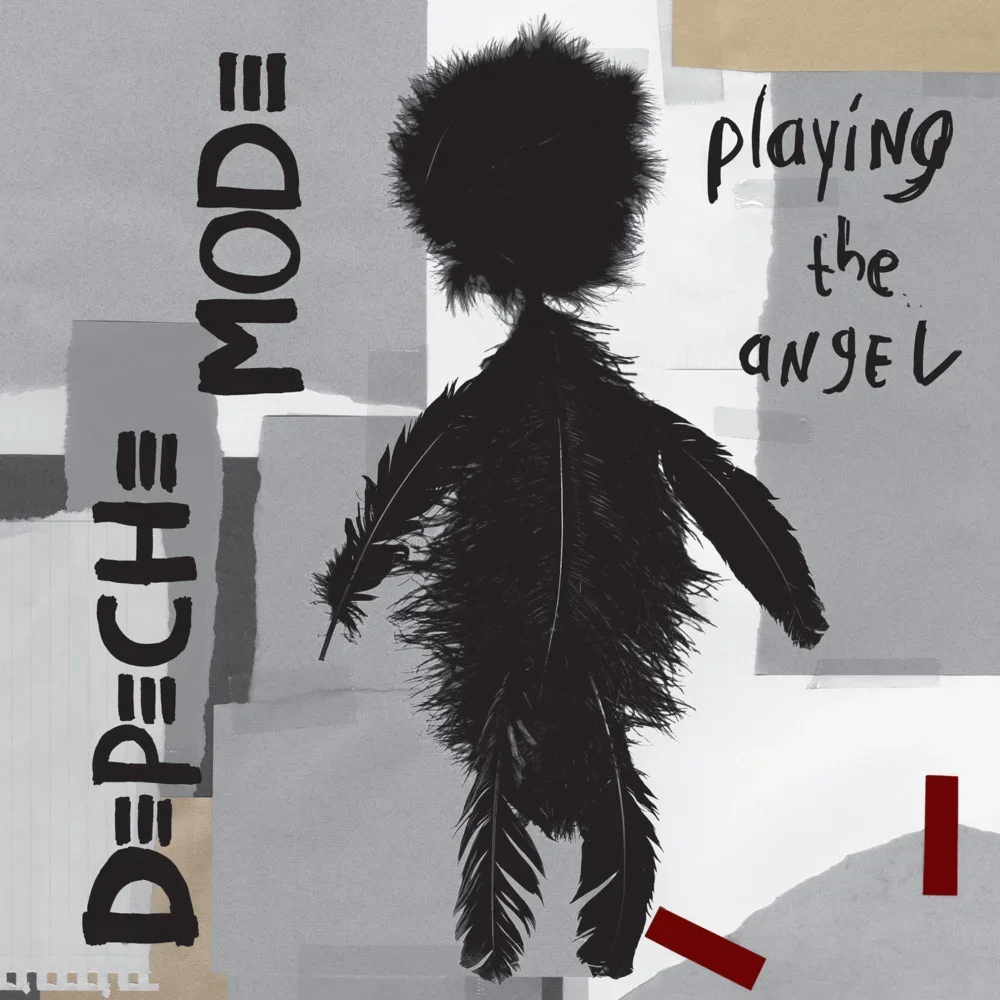
A darker, guitar-tinged return with "Precious", also the first album to include songs written by Dave Gahan.

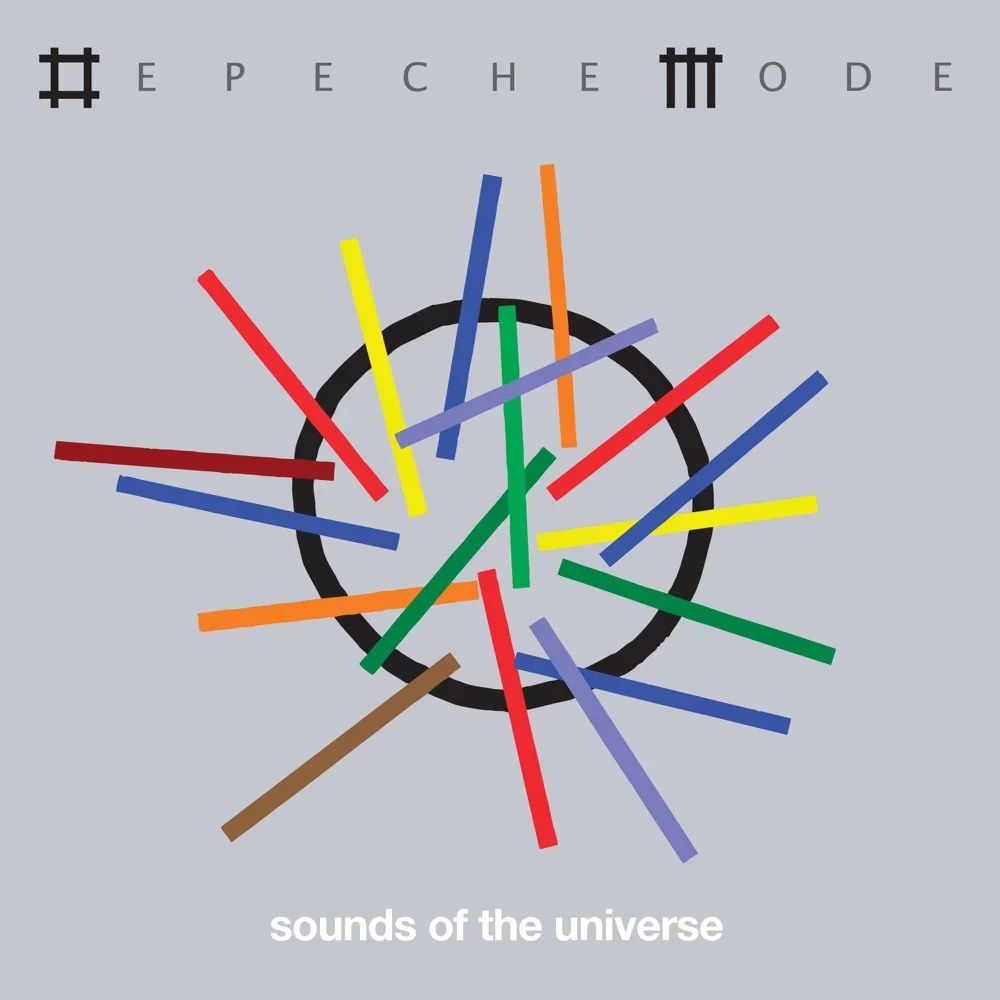
Built around vintage analogue synthesizers, an album that leans into warm, retro-futuristic electronic textures.

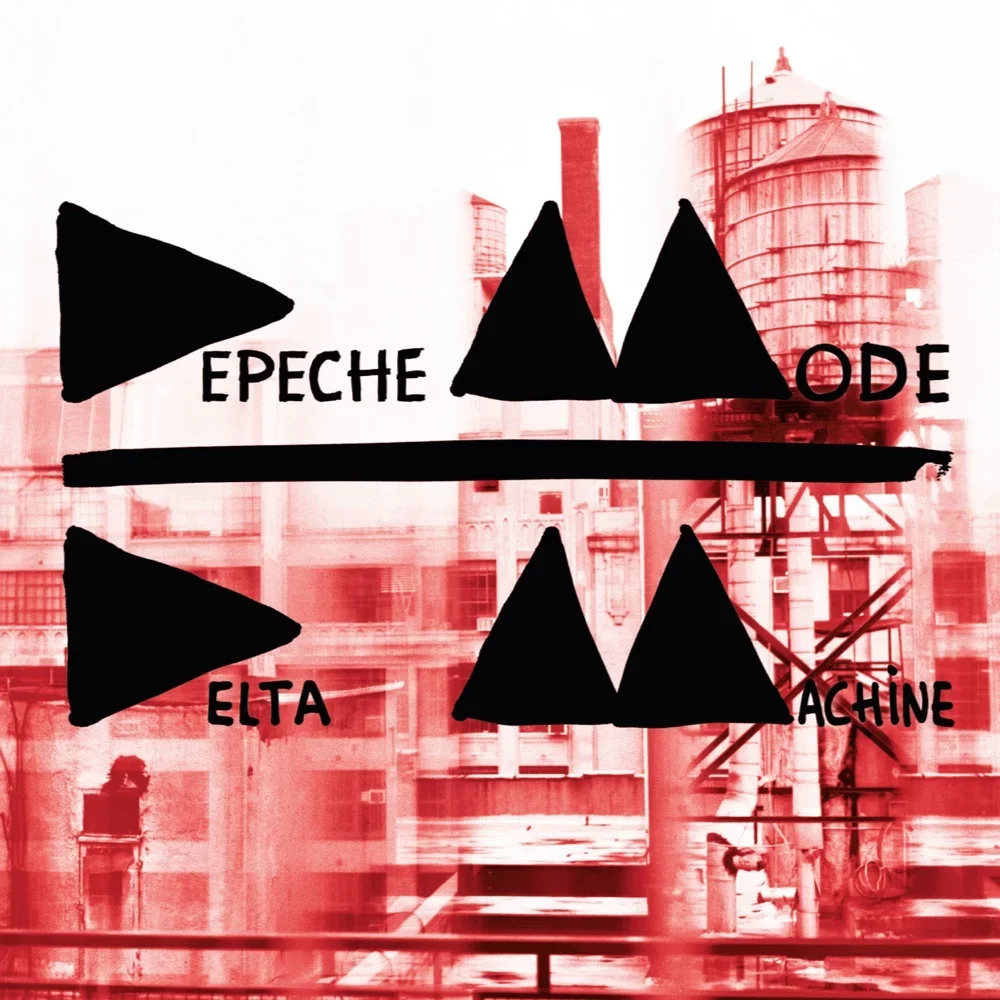
A blues-inflected, heavy electronic record led by "Heaven", continuing the band's late-career darkness.

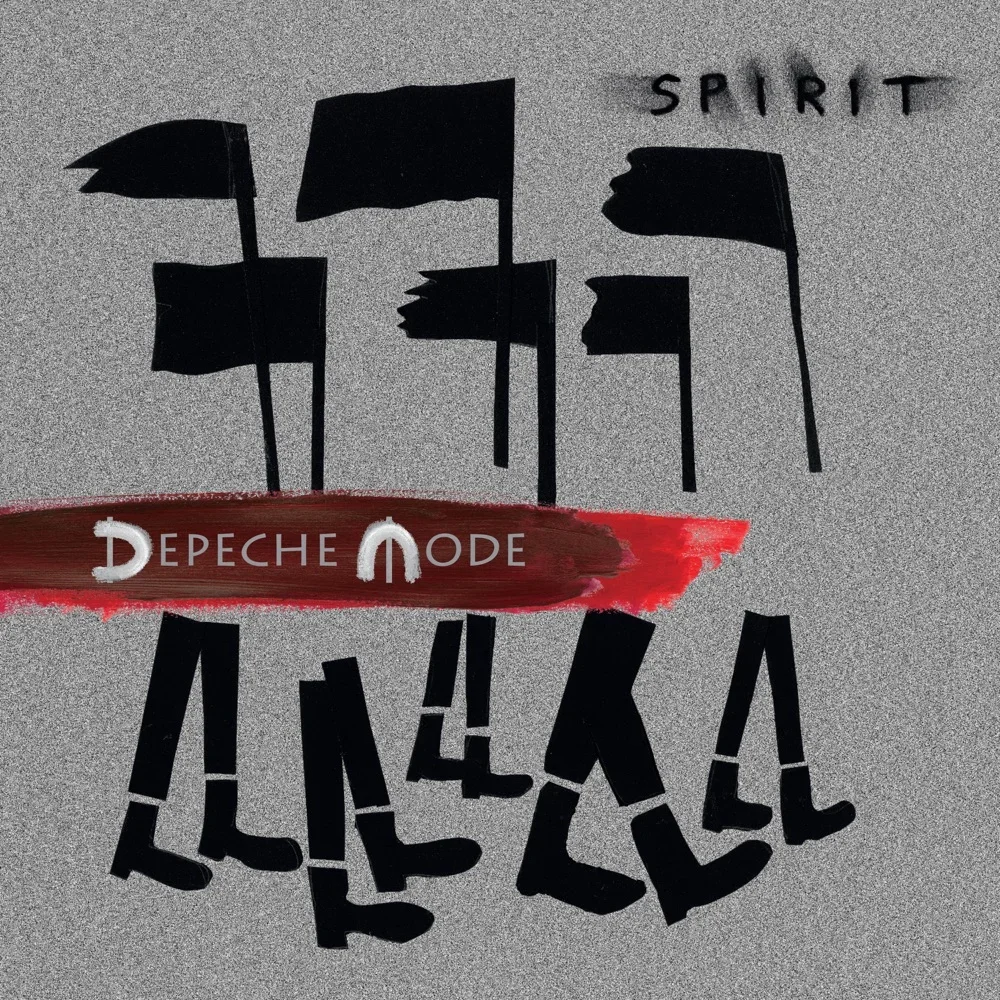
An overtly political album produced by James Ford, opening with the pointed "Where's the Revolution".

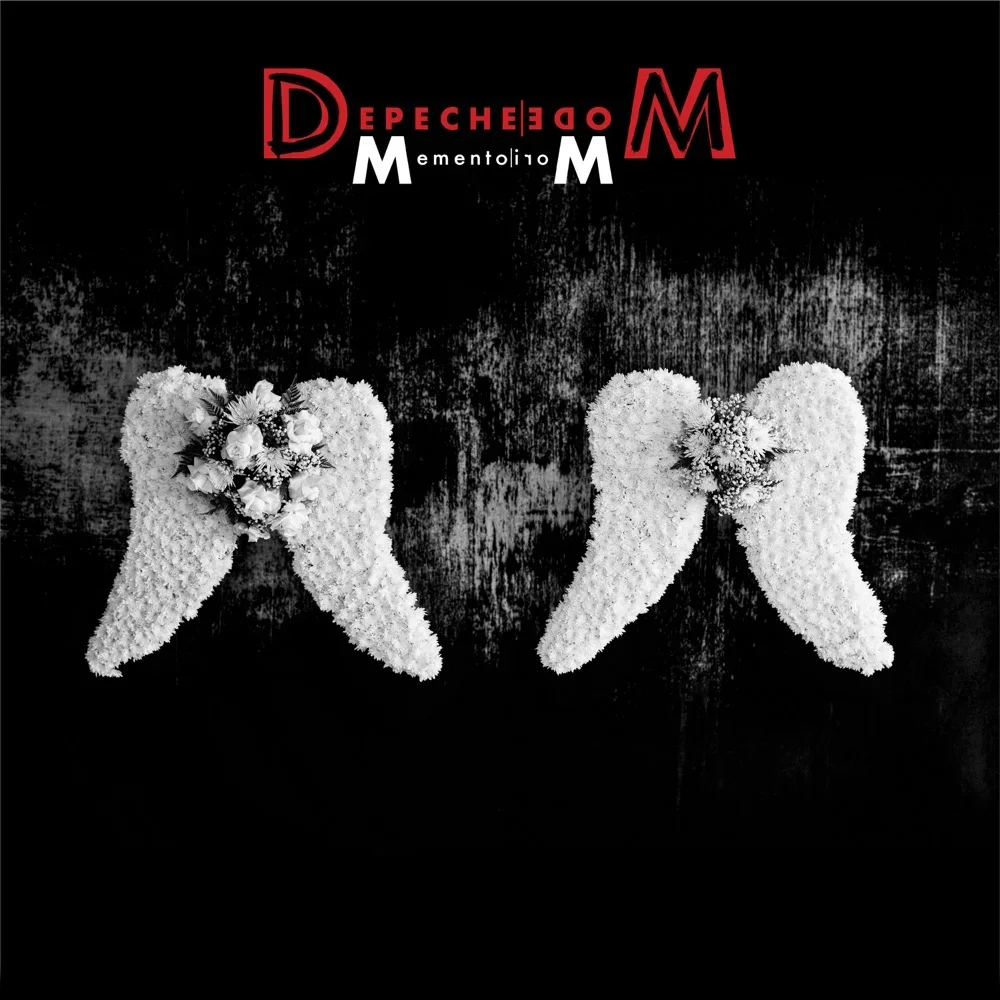
The first album after Andy Fletcher's death, a meditation on mortality that became the band's fittest record in years.