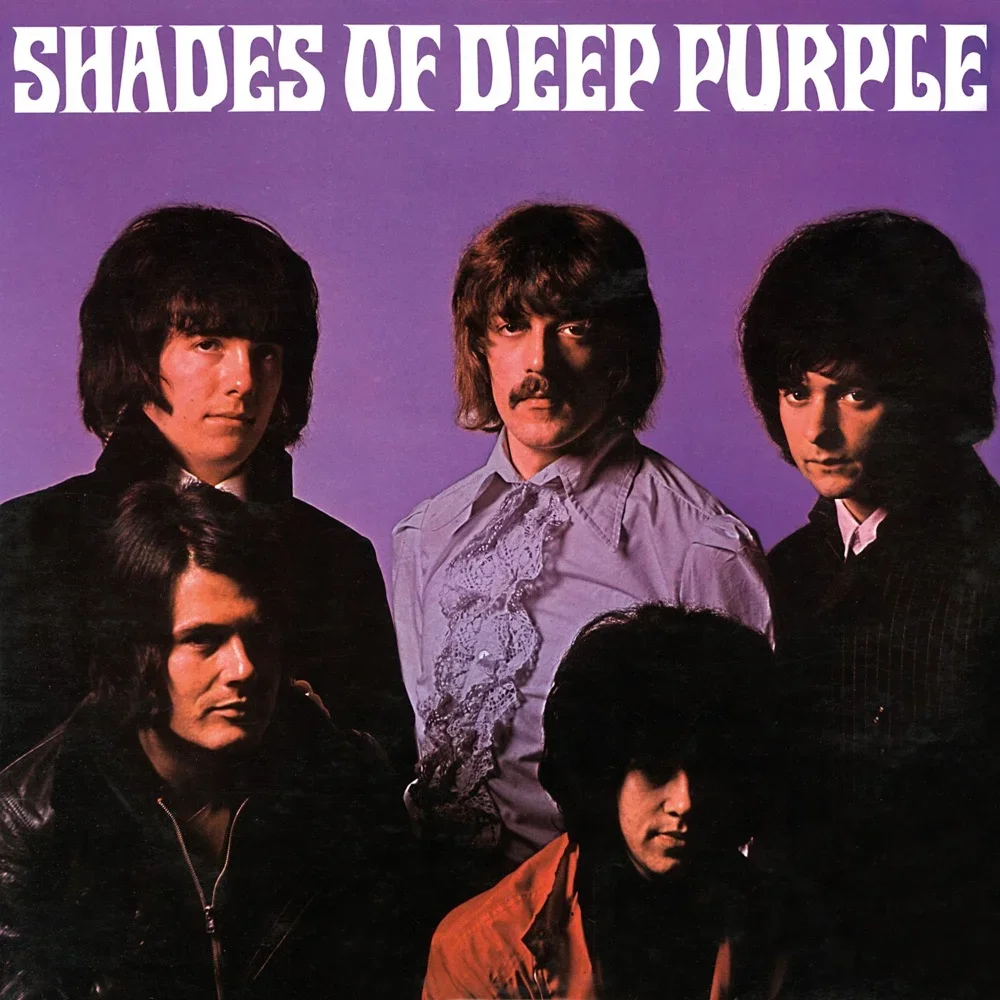
The debut album, still rooted in psychedelic rock, whose reworked cover of "Hush" became the band's first hit.

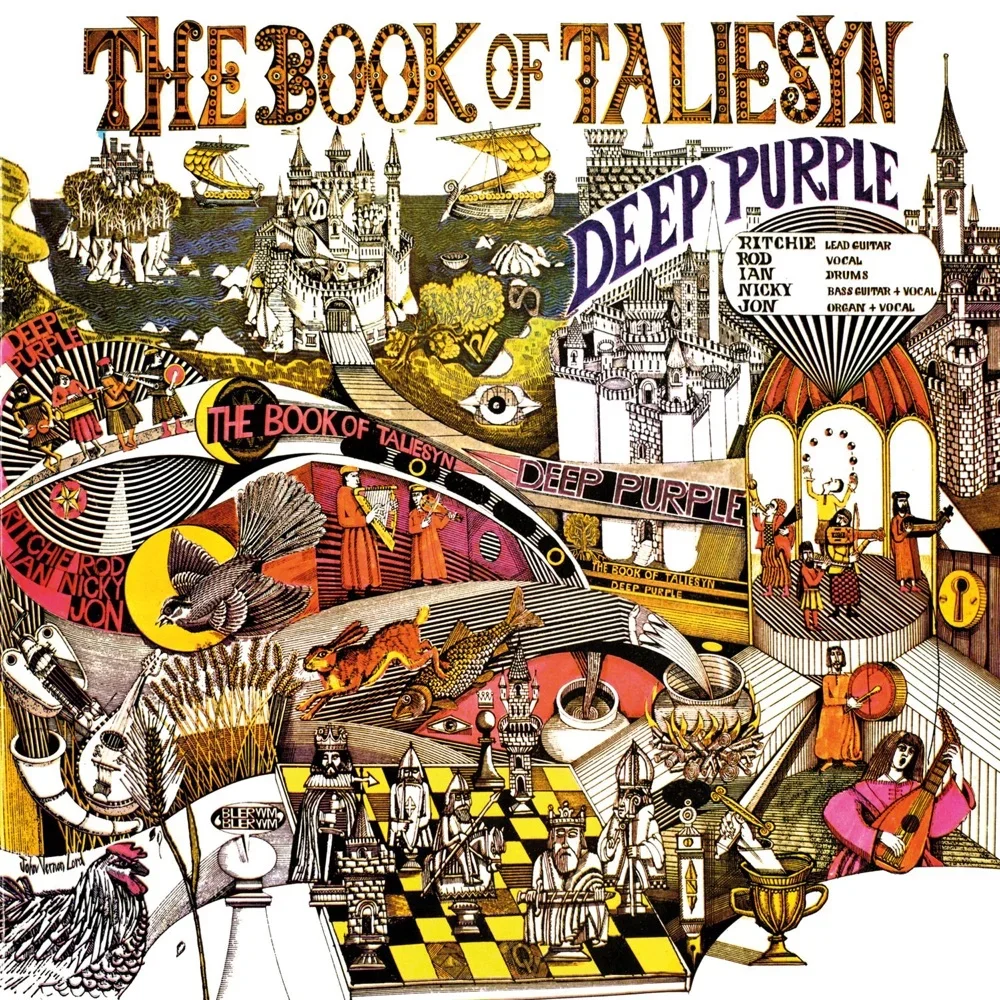
The second record of the early Mark I line-up, mixing original songs with expansive covers and classical touches.

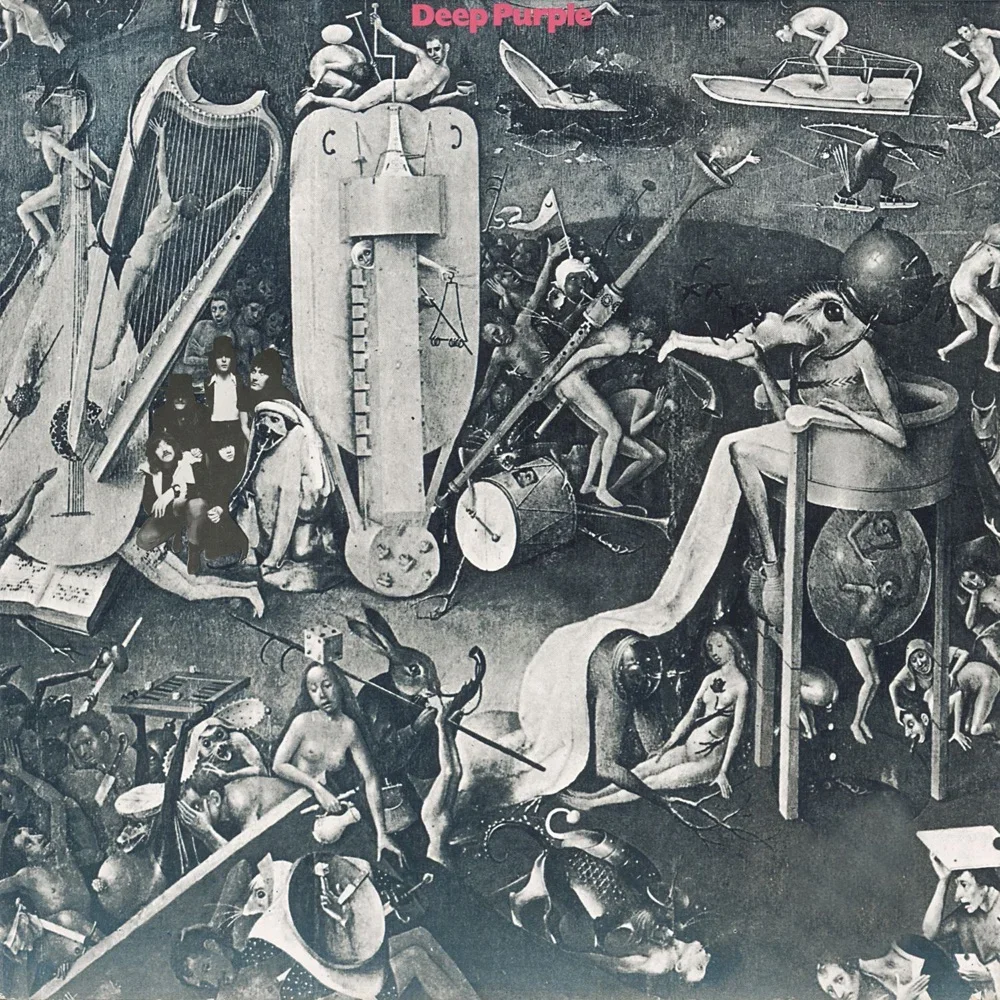
The self-titled third album that closed the Mark I era before the heavier turn that followed.

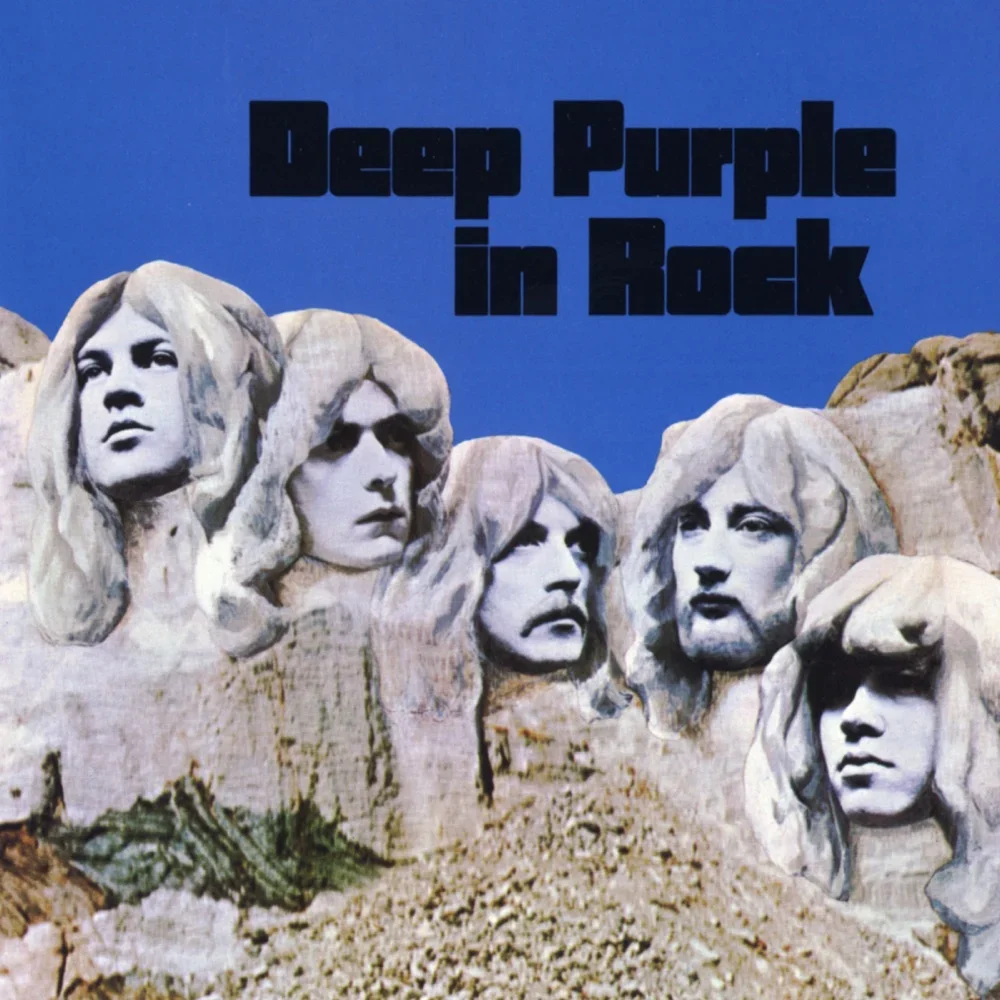
The Mark II debut that launched the band's hard-rock era, driven by "Speed King" and "Child in Time".

A faster, more experimental follow-up recorded at the height of the classic line-up's powers.

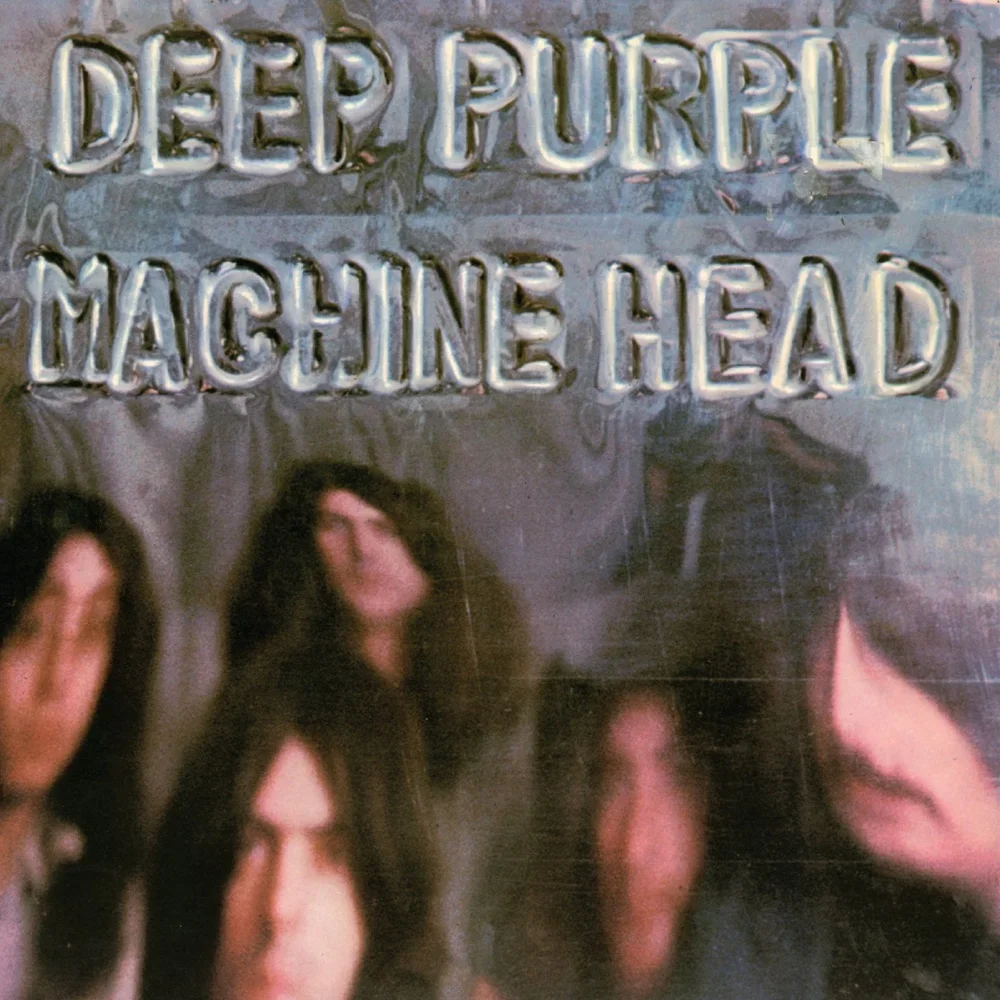
The band's best-known album, home to "Smoke on the Water" and "Highway Star".

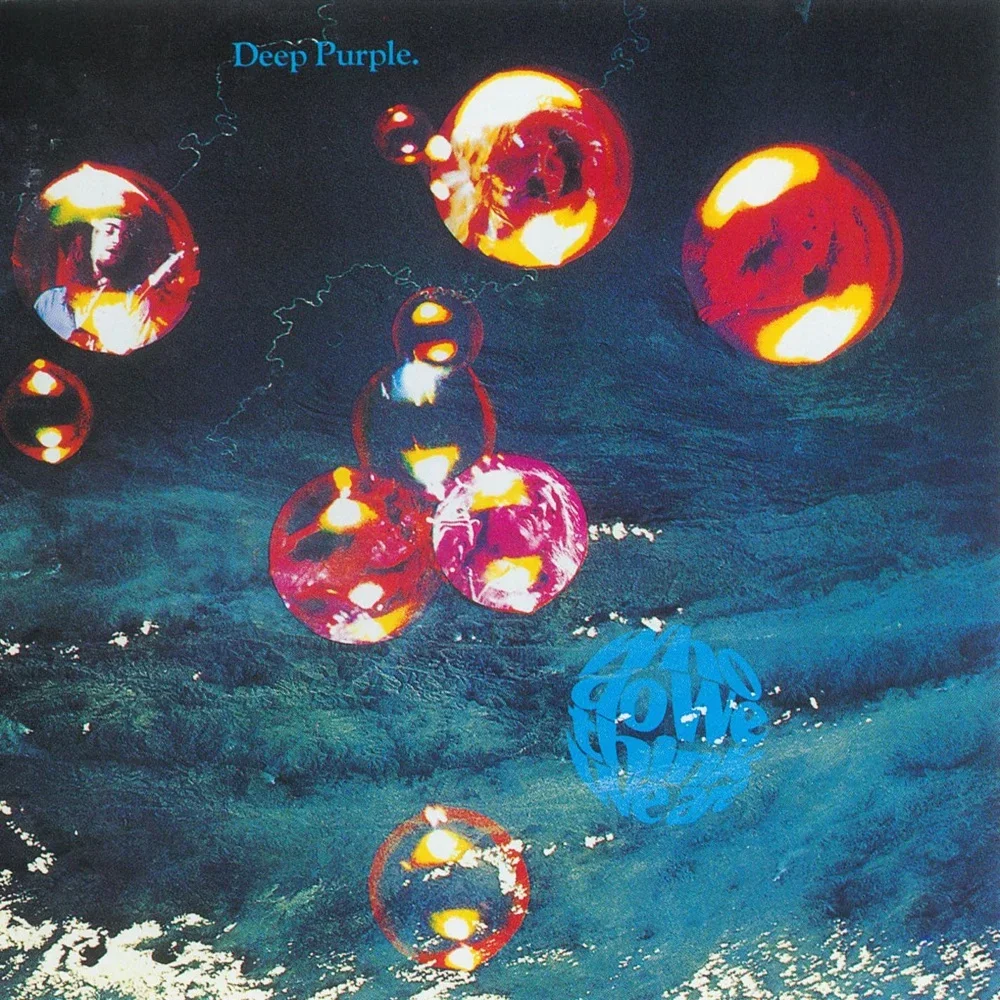
The last studio album of the Mark II line-up before its first break-up, carrying the hit "Woman from Tokyo".

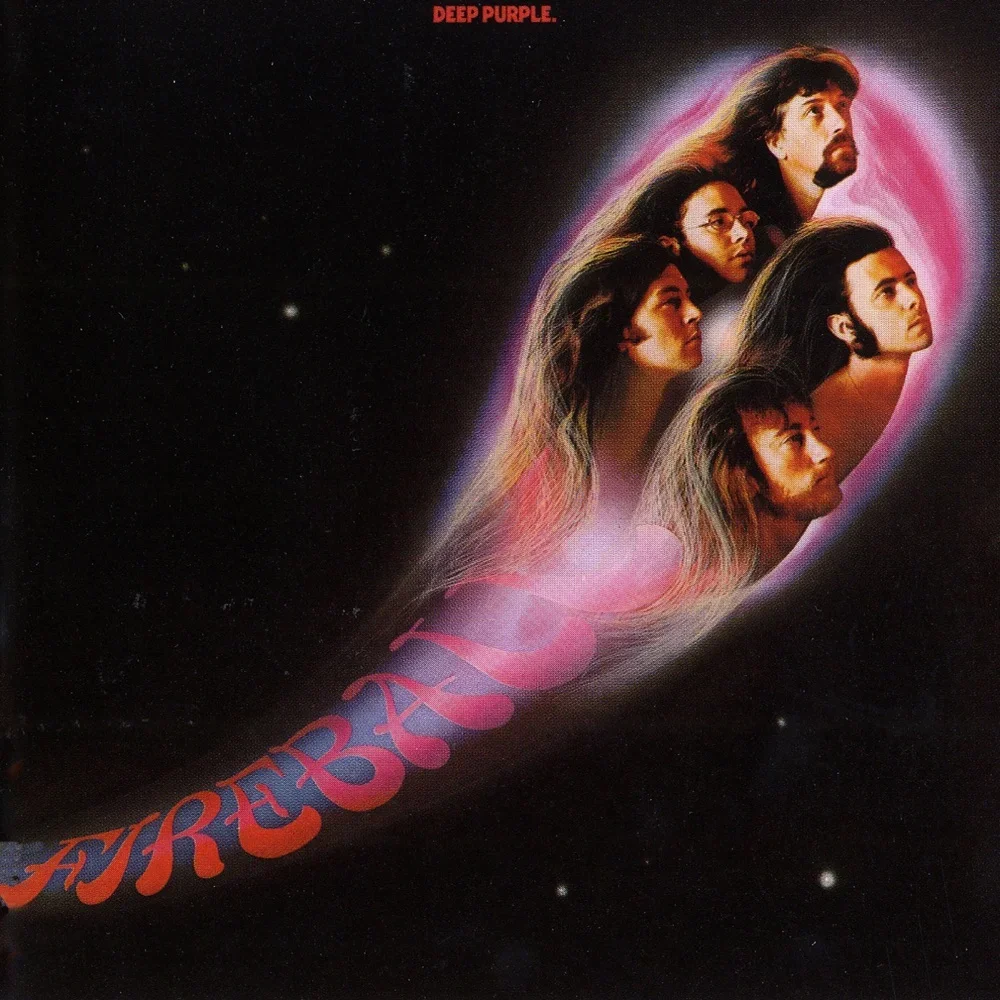
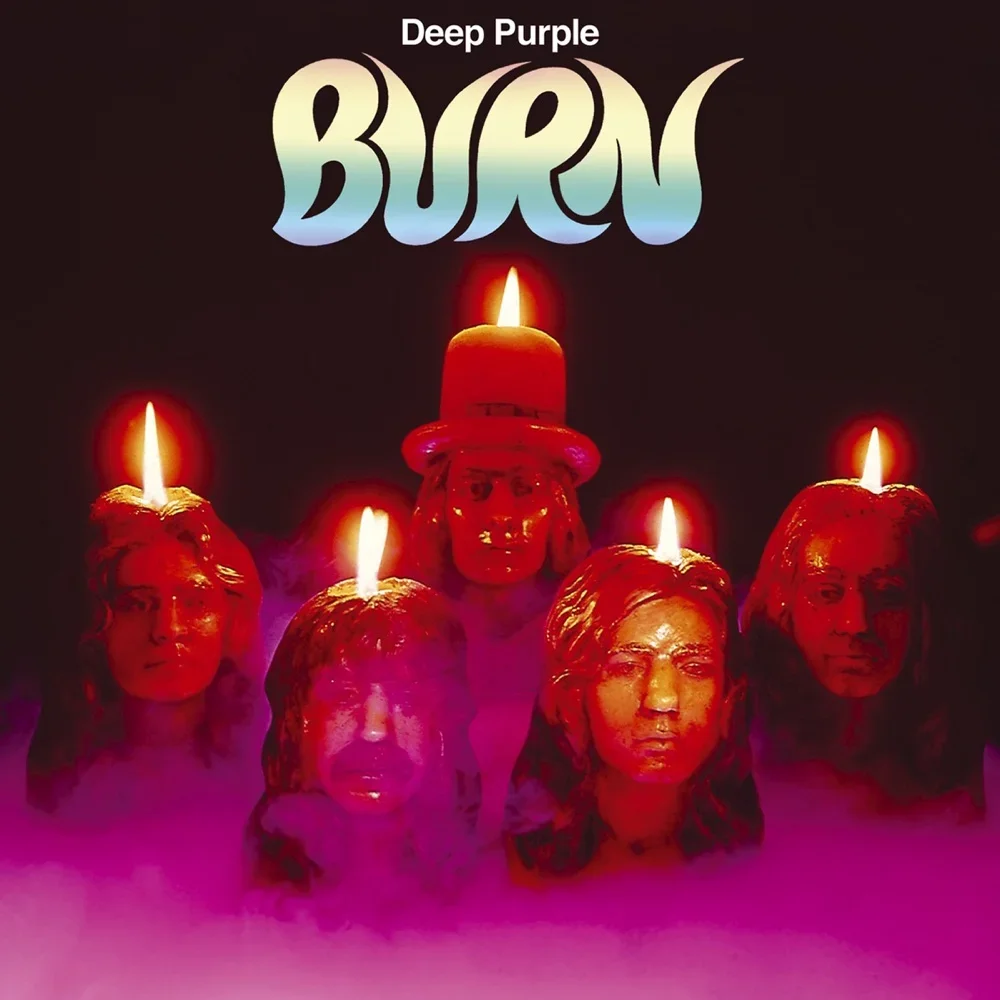
The Mark III debut introducing David Coverdale and Glenn Hughes, with a funk and soul undercurrent.

A deeper move into funk and soul that pushed Ritchie Blackmore toward leaving the band.

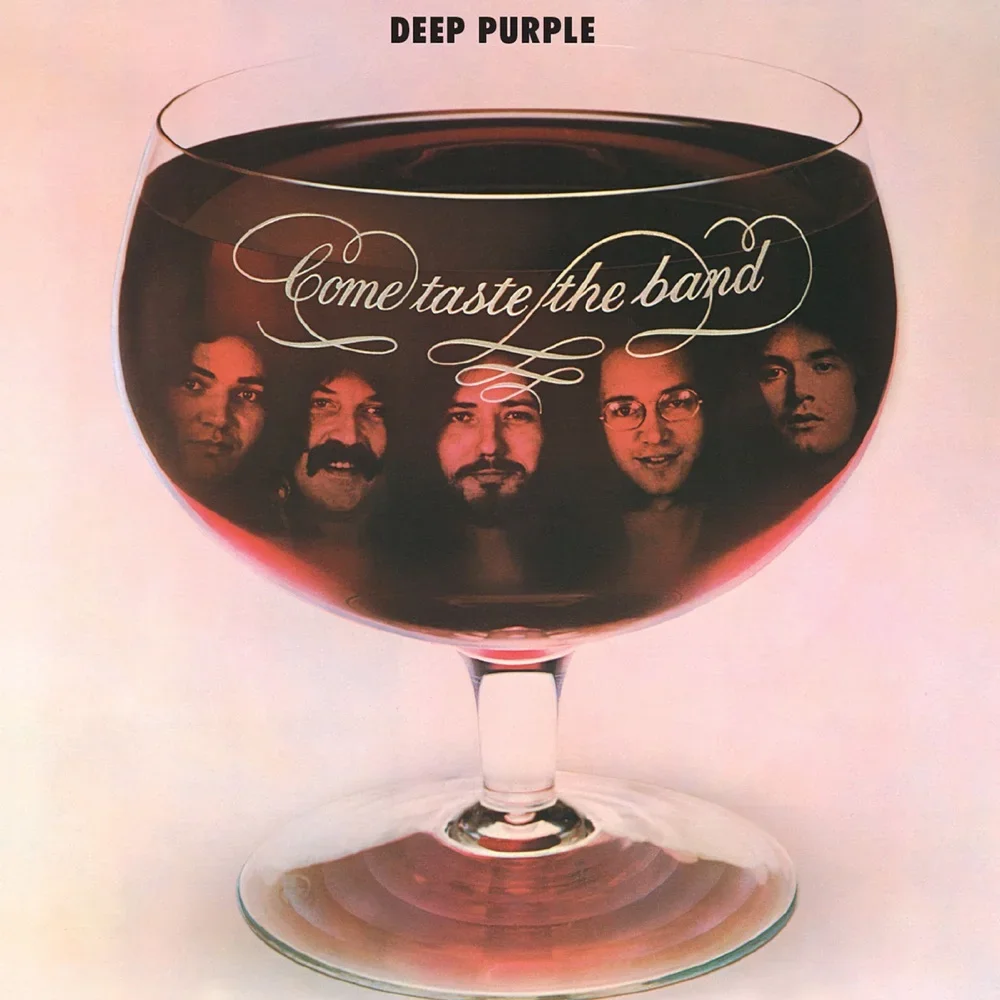
The only album with guitarist Tommy Bolin, after which the group disbanded for eight years.

The reunion album of the classic Mark II line-up, led by the title track and "Knocking at Your Back Door".

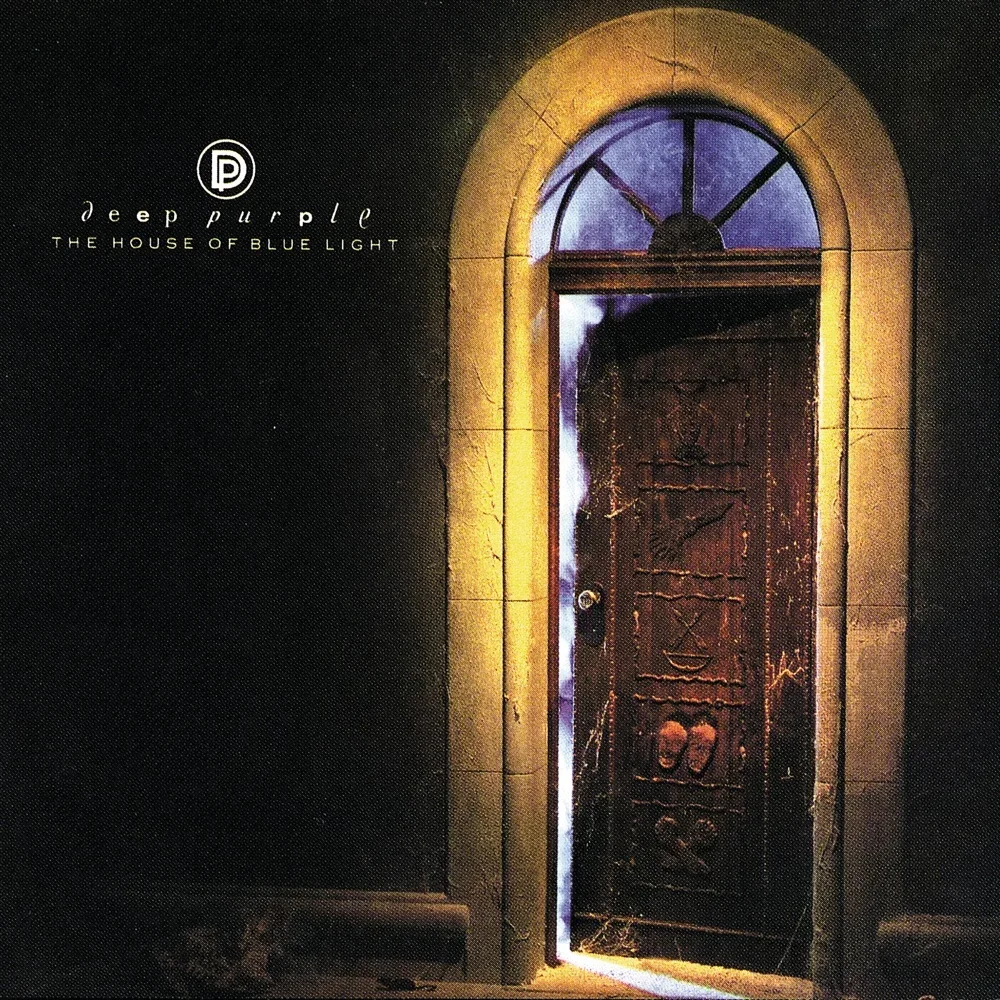
The second album of the reunited line-up, keeping the polished sound of its time.

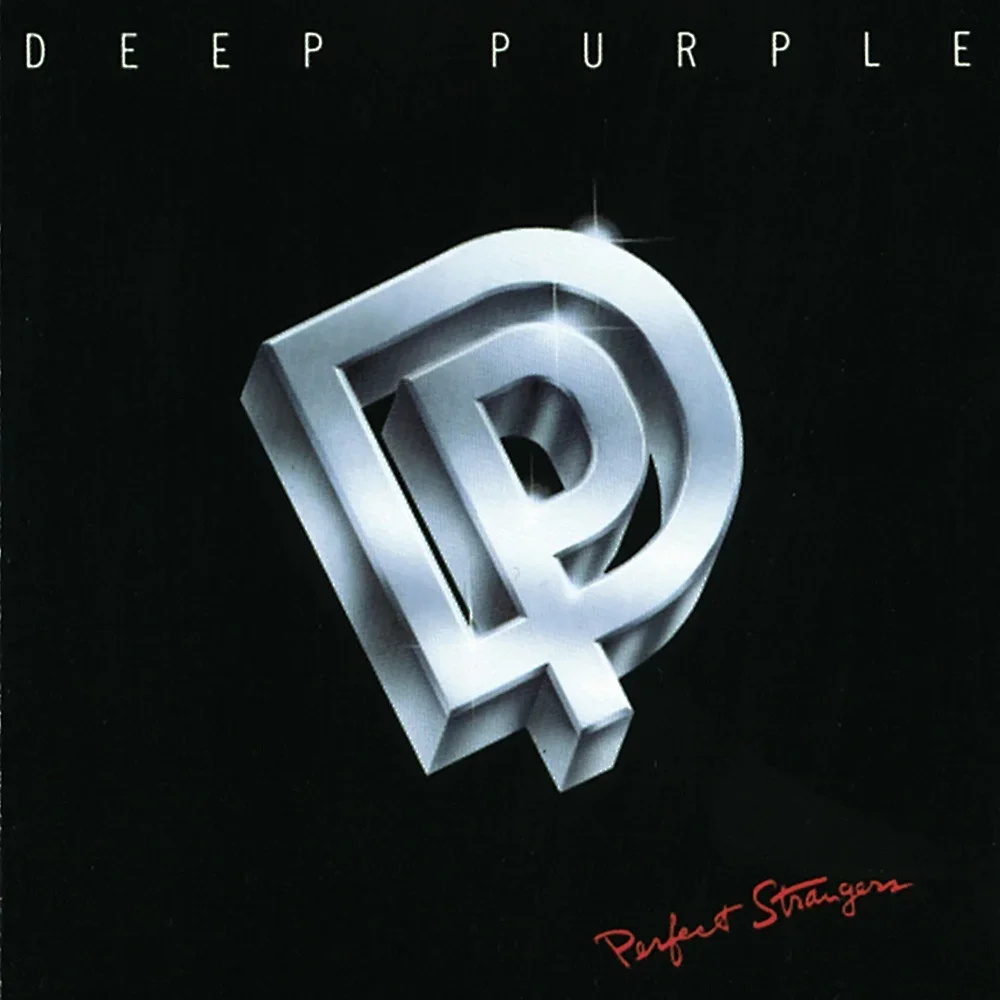
The lone album with Rainbow singer Joe Lynn Turner in place of Ian Gillan.

Gillan's return album and the last studio record to feature Ritchie Blackmore.

The first album with guitarist Steve Morse, marking a fresh, varied creative streak.

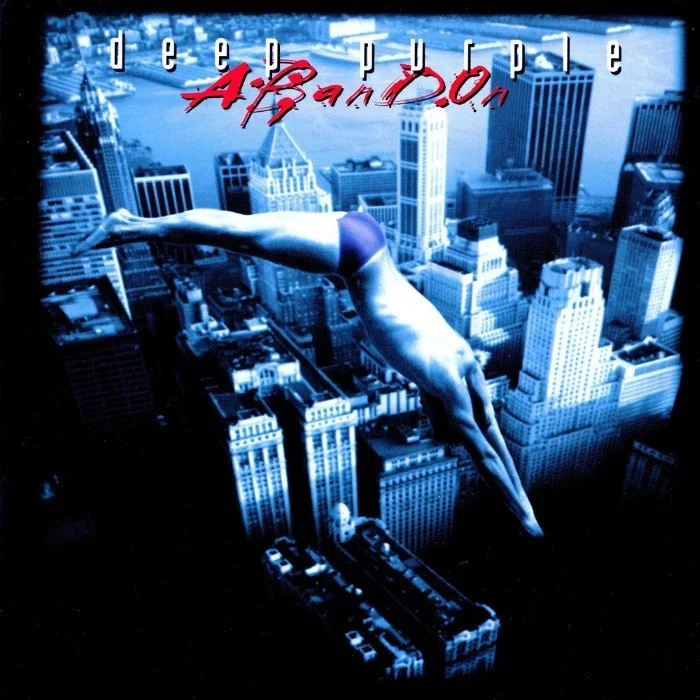
The second and final studio album of the 1990s Morse line-up before a long recording pause.


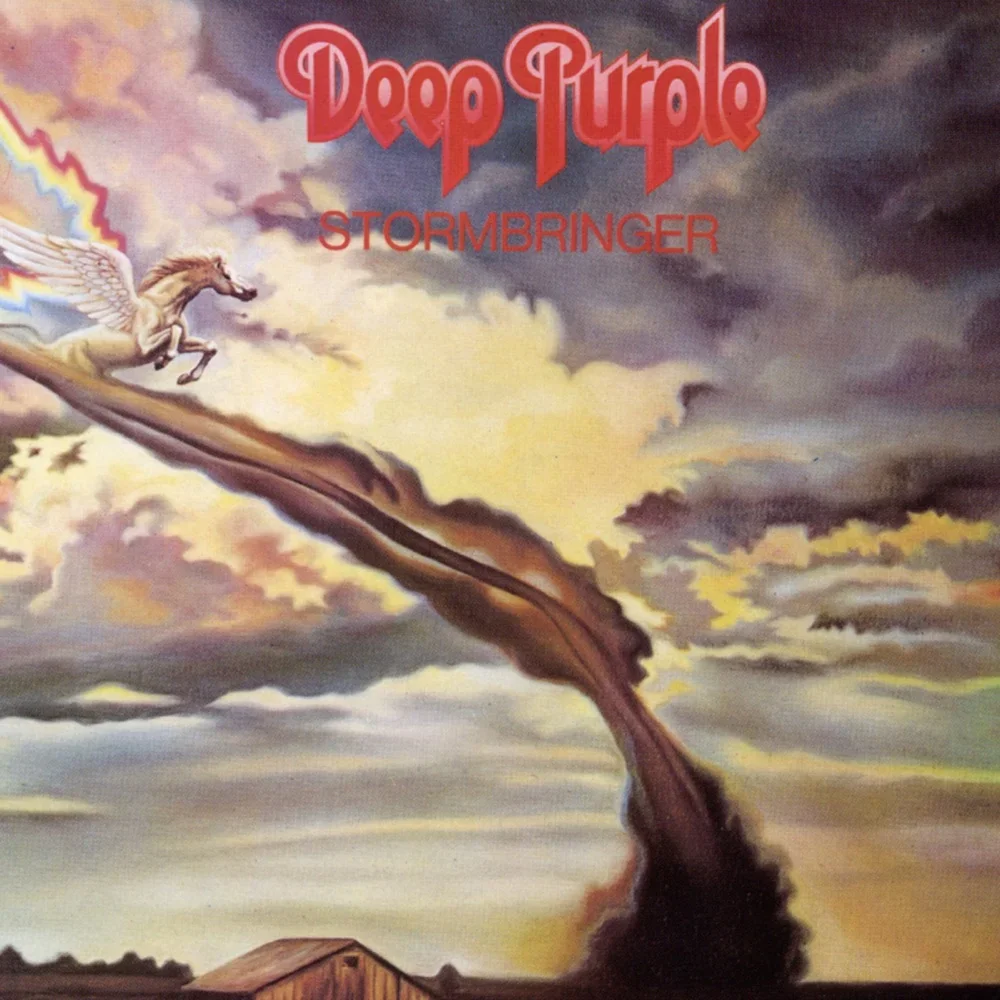
A confident latter-day record that leans on the band's blues-rock roots.

A late-career highlight produced by Bob Ezrin and widely praised on release.

Another Ezrin-produced album, released alongside a farewell-styled tour.

A late album that topped charts across Europe and showed the band still vital.

The band's first all-covers album, revisiting the songs that shaped its members.

The studio album with guitarist Simon McBride, the group's most recent full-length.