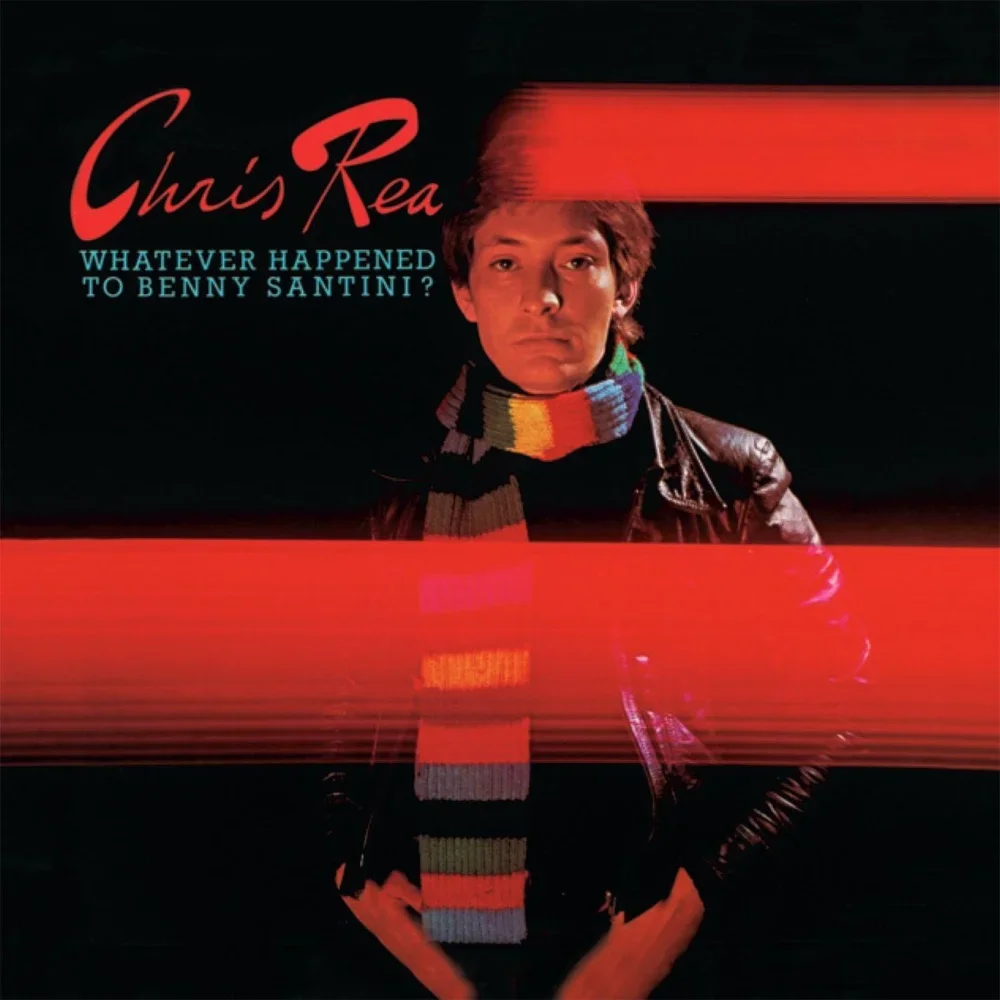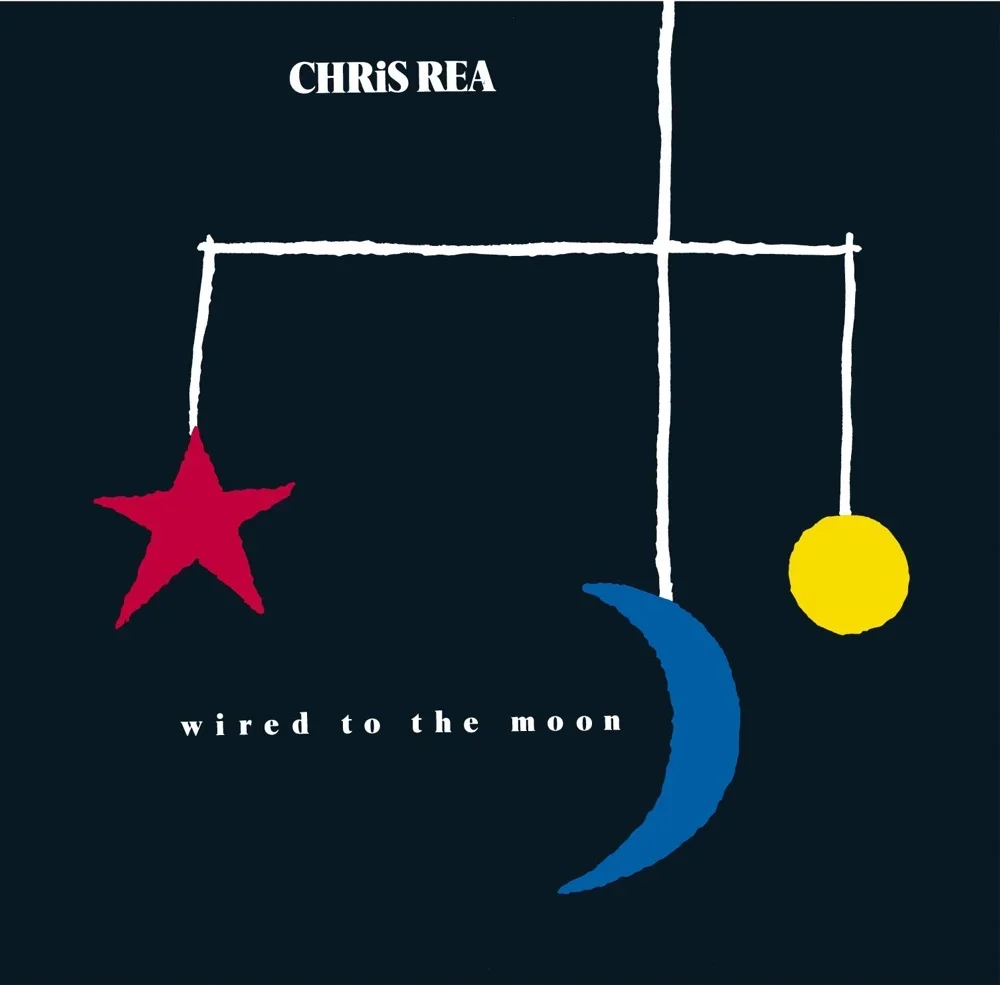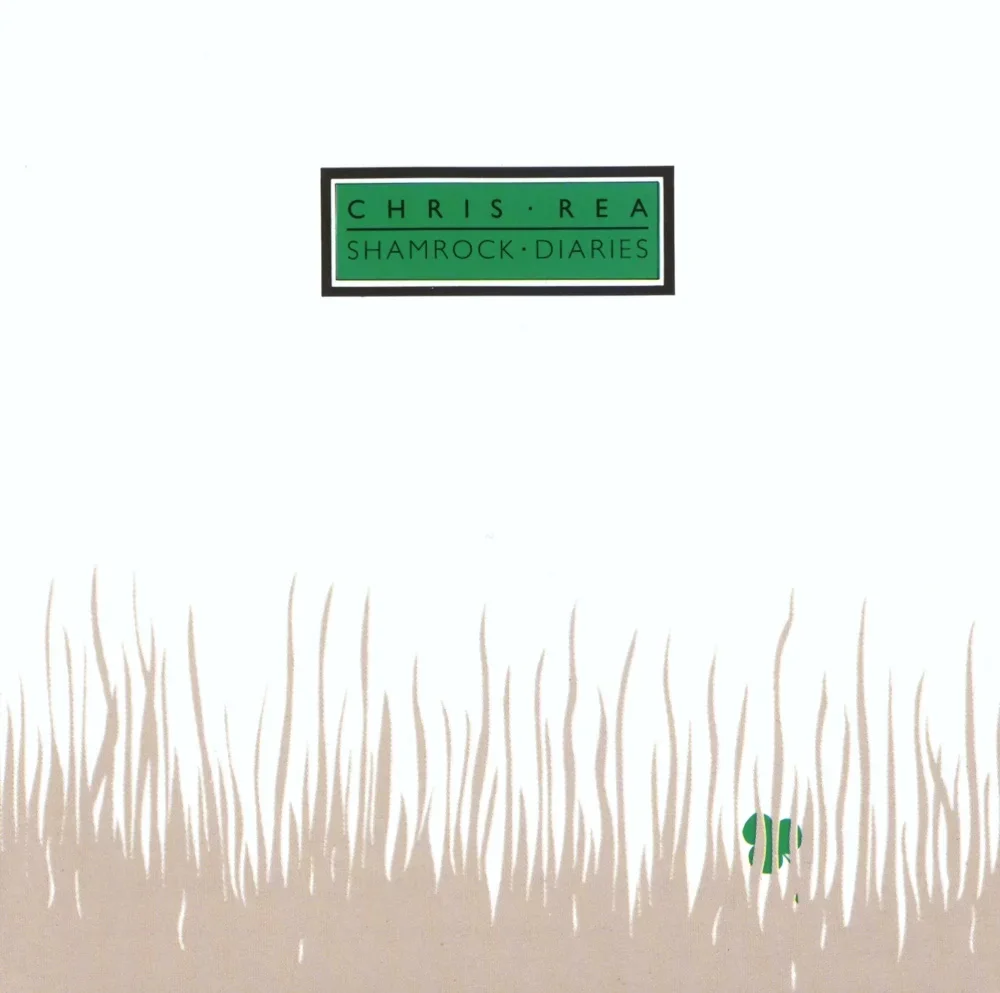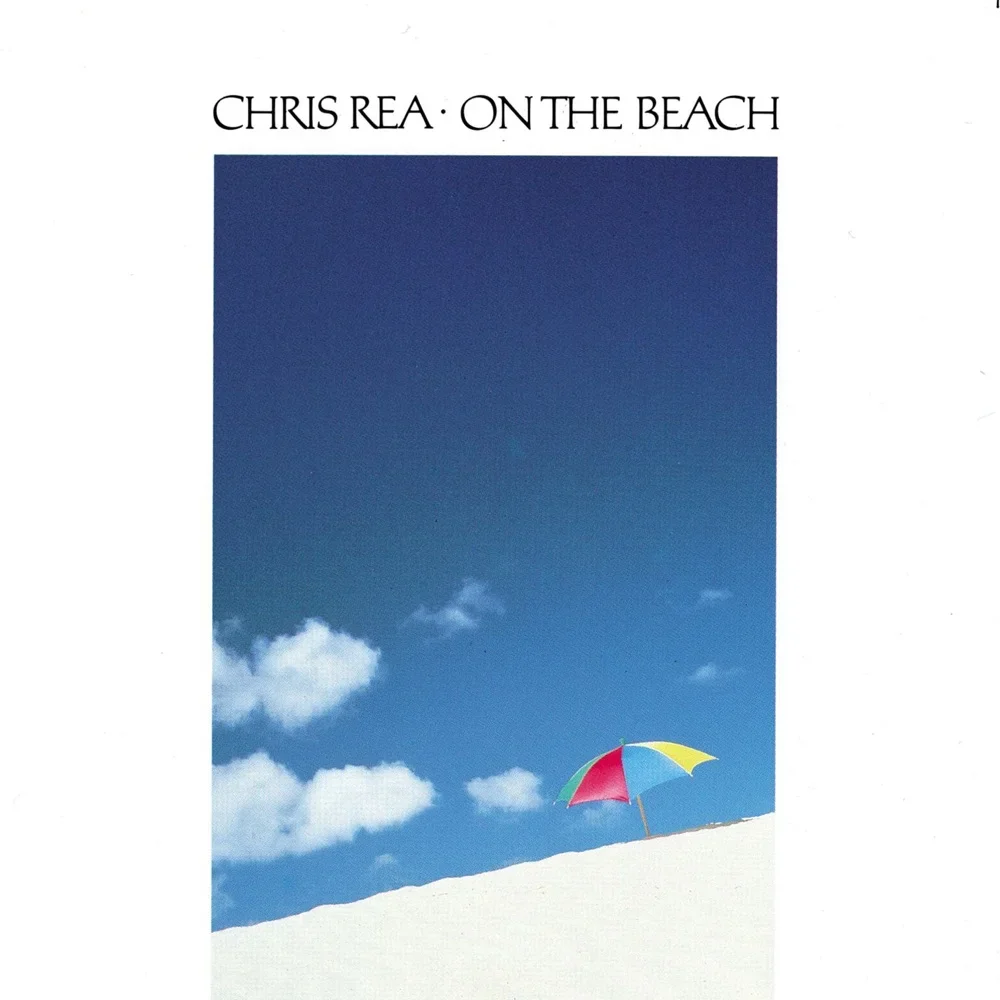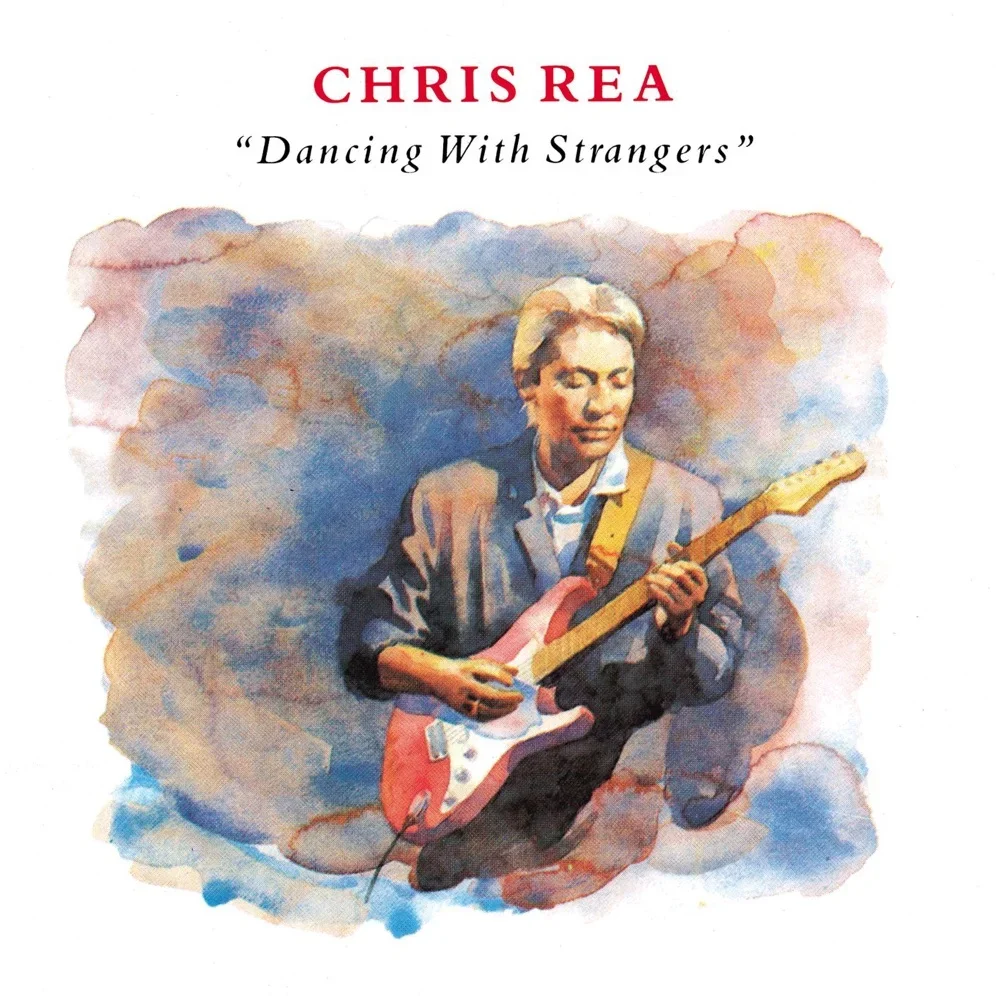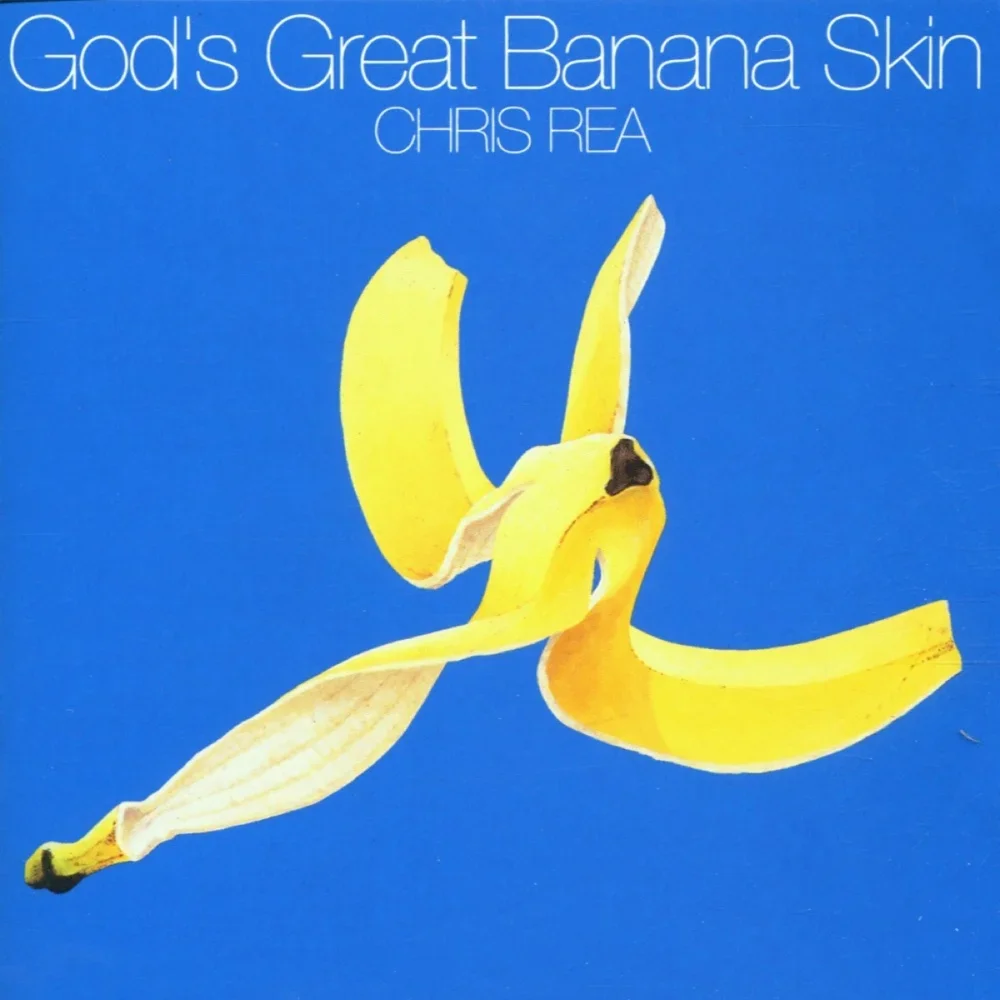
The debut album, home to his first hit "Fool (If You Think It's Over)". The title mocks a stage name the record company once wanted him to use.

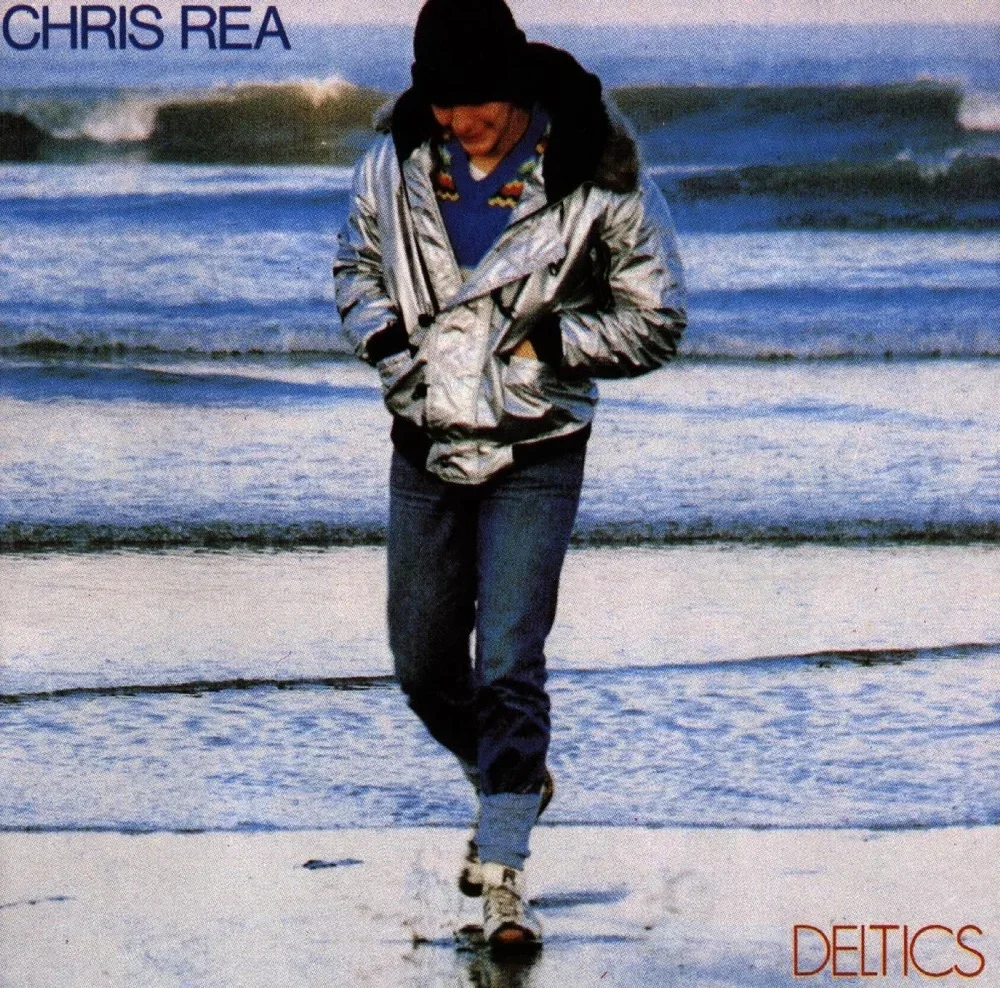
Named after the Deltic diesel locomotives of his youth, with a fuller, more layered studio sound than the debut.

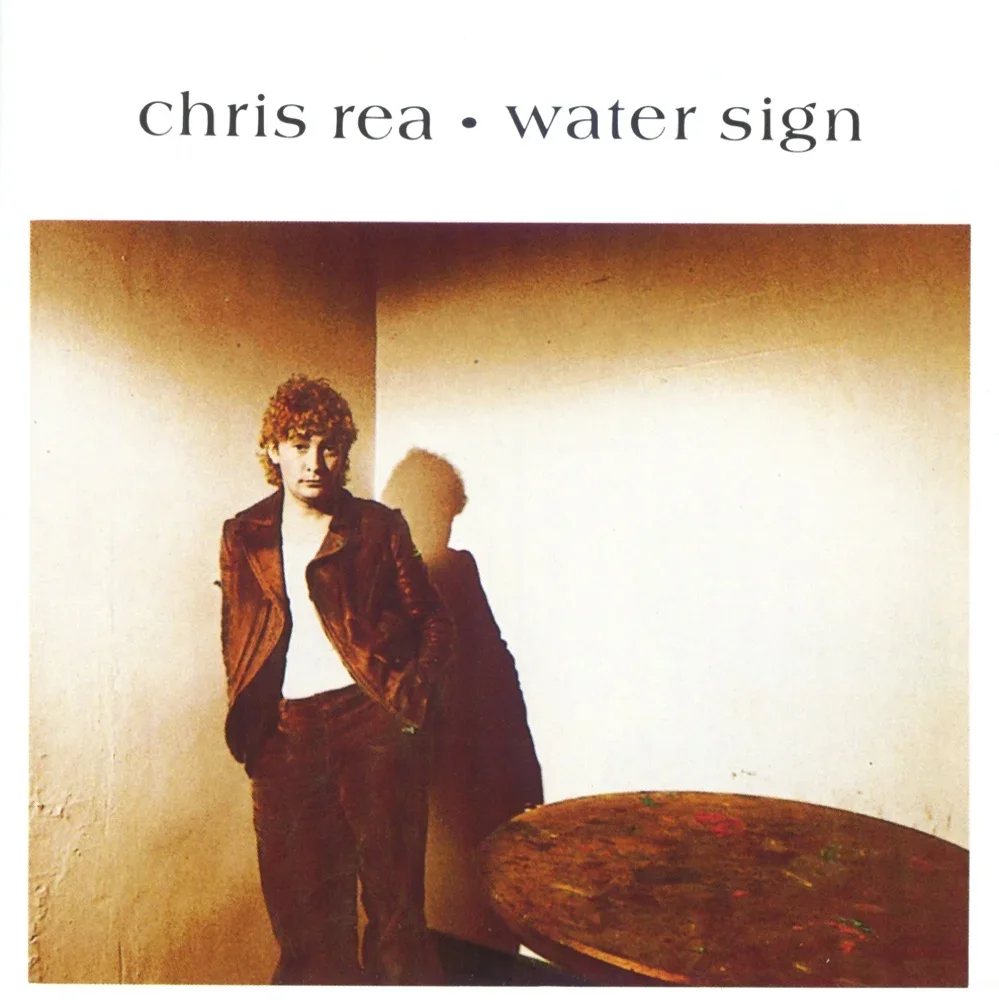
A softer, radio-friendly record that Rea later disowned as over-produced. It still carries the ballad "Since I Don't See You Anymore".

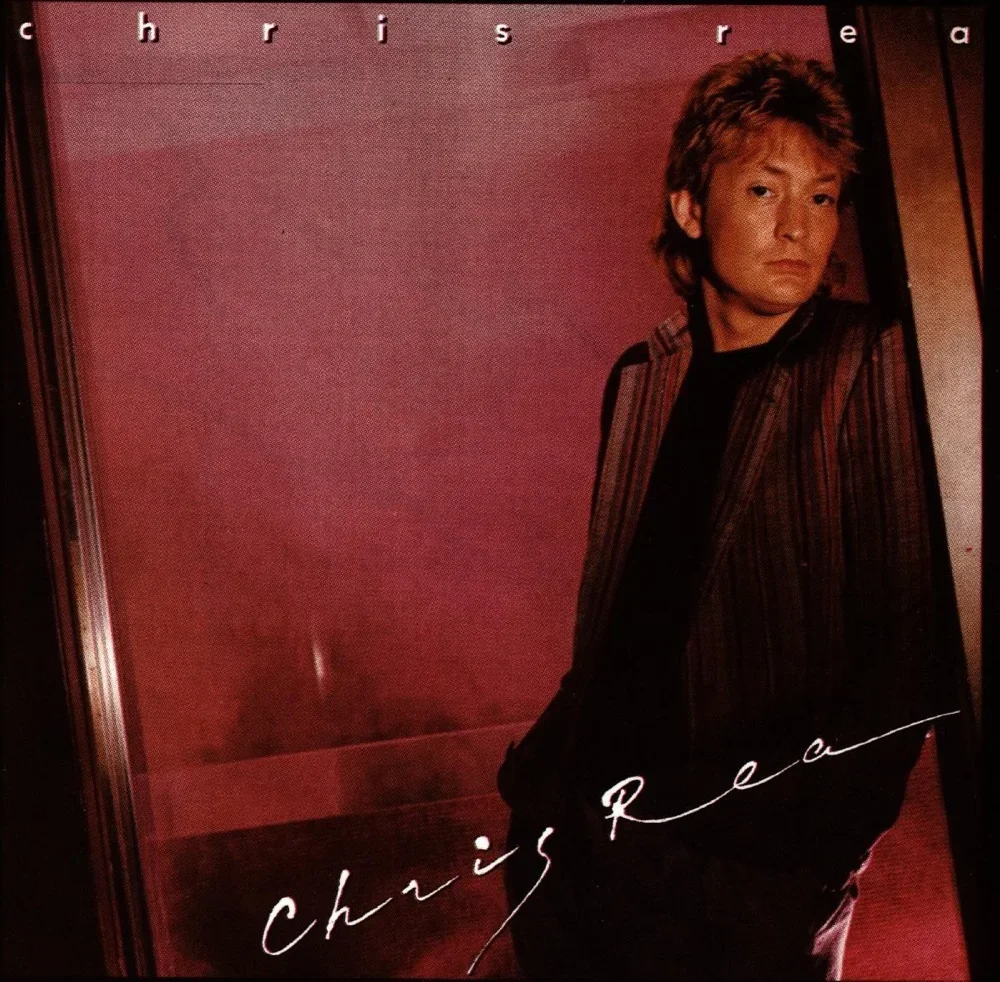
The self-titled album marks the moment he began to take control of his own sound after a run of label-shaped records.

A self-produced turning point, warmer and more personal, with the hit "I Can Hear Your Heartbeat". It revived his career on the continent.

Polished eighties rock built around "I Don't Know What It Is But I Love It", steadily widening his European audience.

A breakthrough on the continent, home to "Josephine" and "Stainsby Girls", the latter written for his wife.

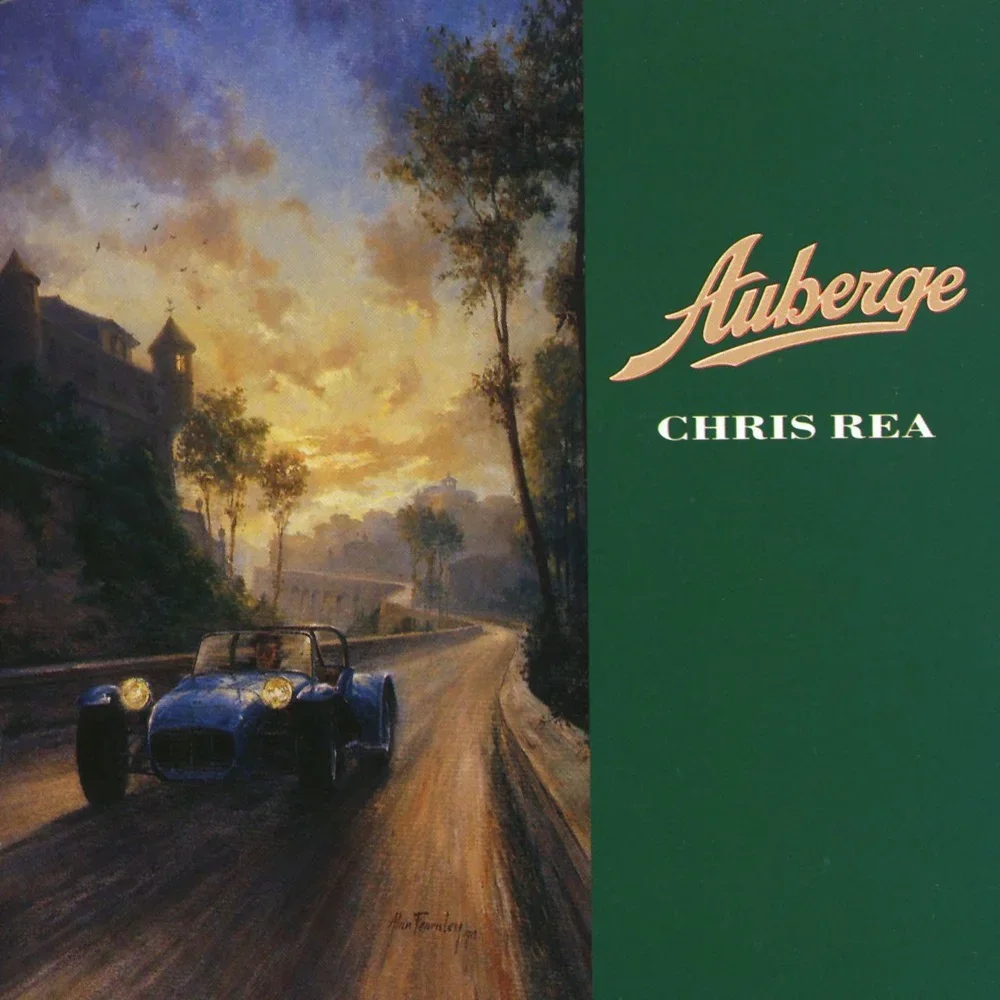
The sun-warmed title track became one of his signatures, its Mediterranean ease setting the tone for the whole record.

His highest-charting UK album to that point, driven by "Let's Dance" and a confident, road-worn rock sound.

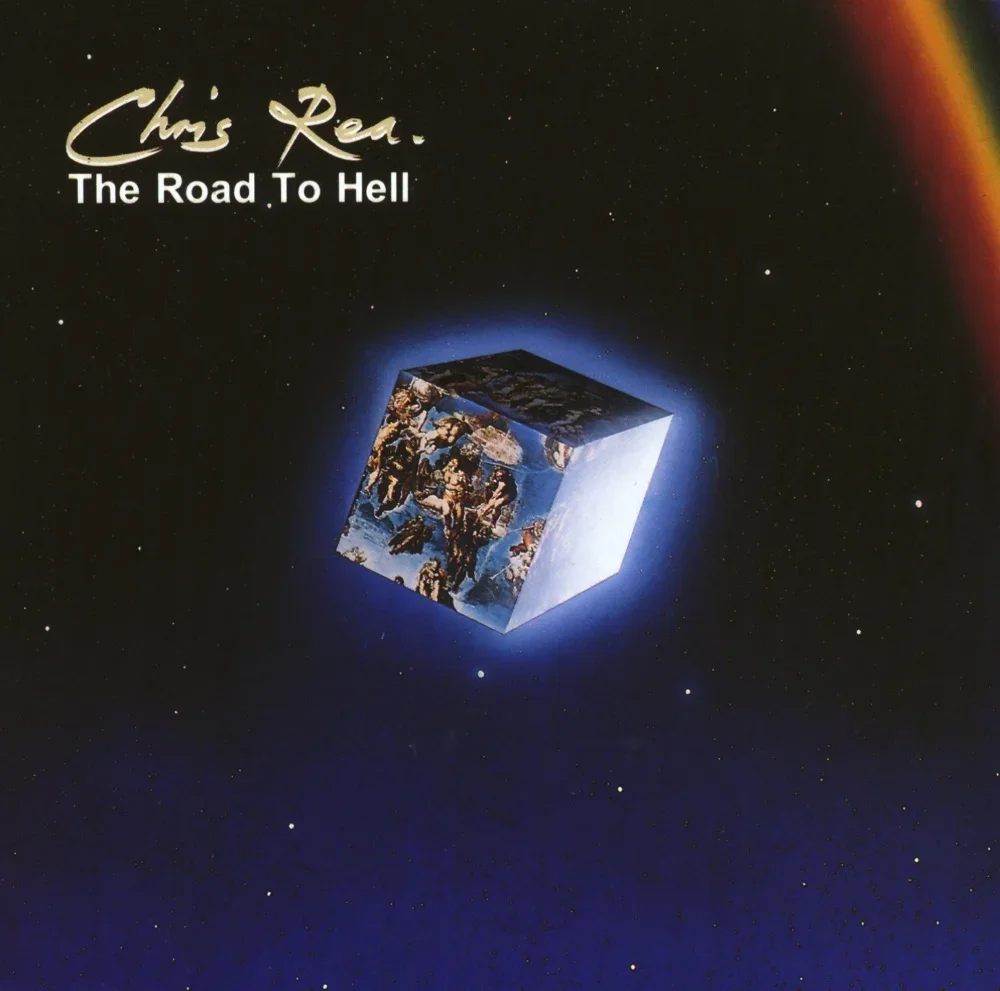
His commercial peak, a UK number one whose title track turns a traffic jam into a bleak vision of the modern world.

Another UK number one, led by the driving title track and keeping the momentum of his late-eighties success.

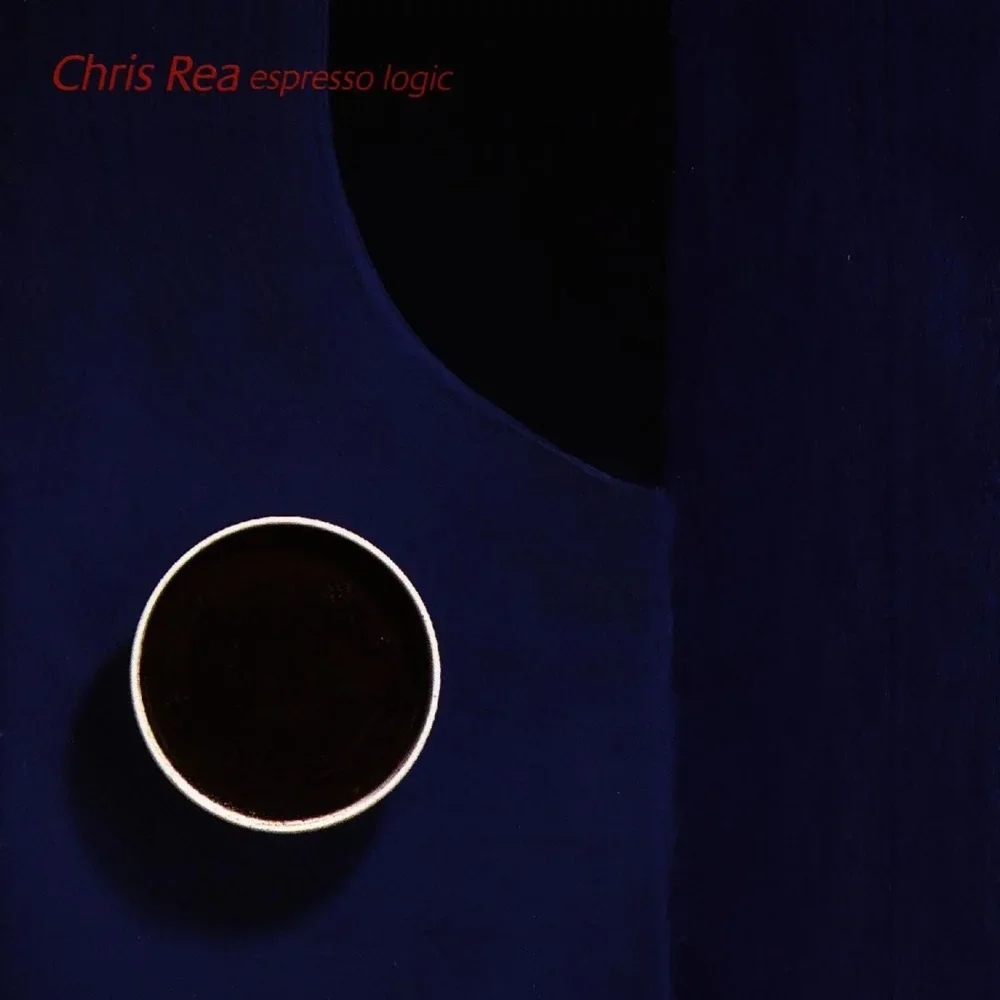
A more reflective set that balances rock with softer, contemplative songs about fate and fortune.

The last album of his first great run before serious illness, with the tender "Julia" written for his daughter.

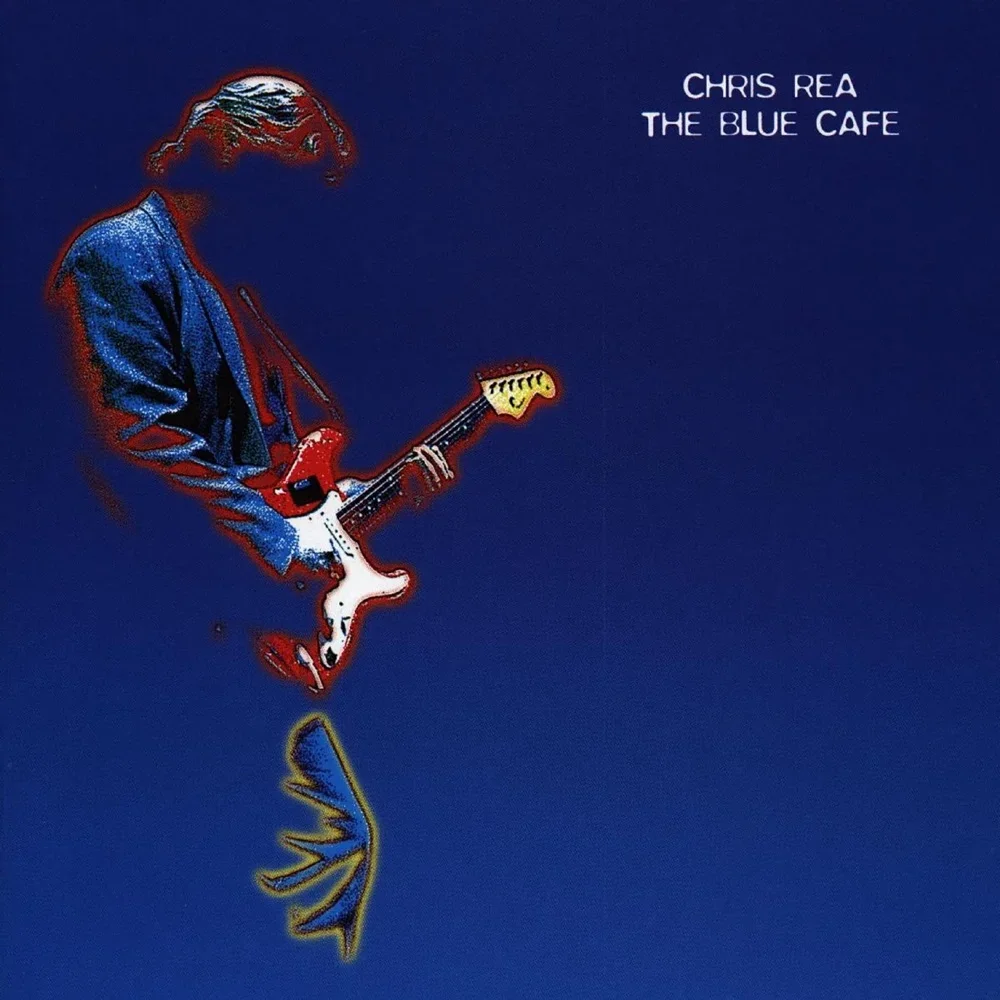
A return after a long break, leaning toward the blues and roots music that would shape the rest of his career.

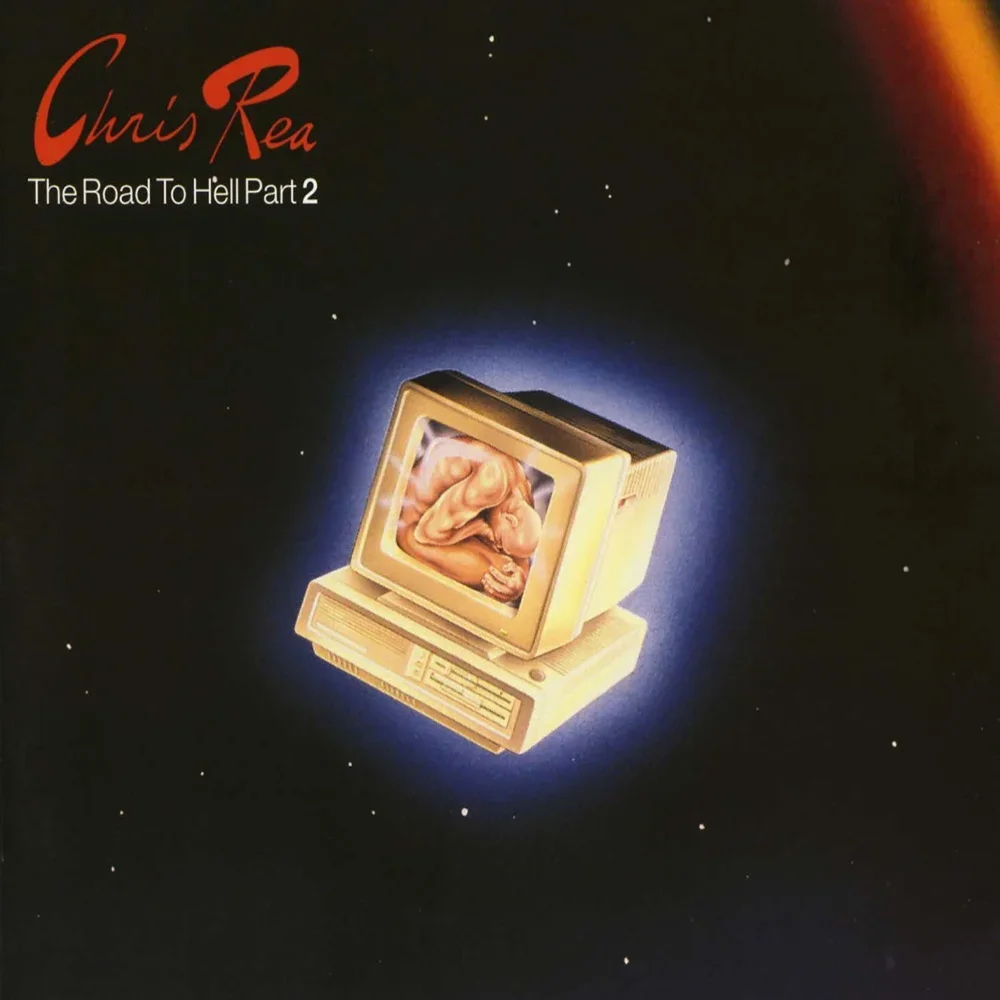
A darker, bluesier sequel to his biggest hit, with sharp words for the music business he had grown tired of.

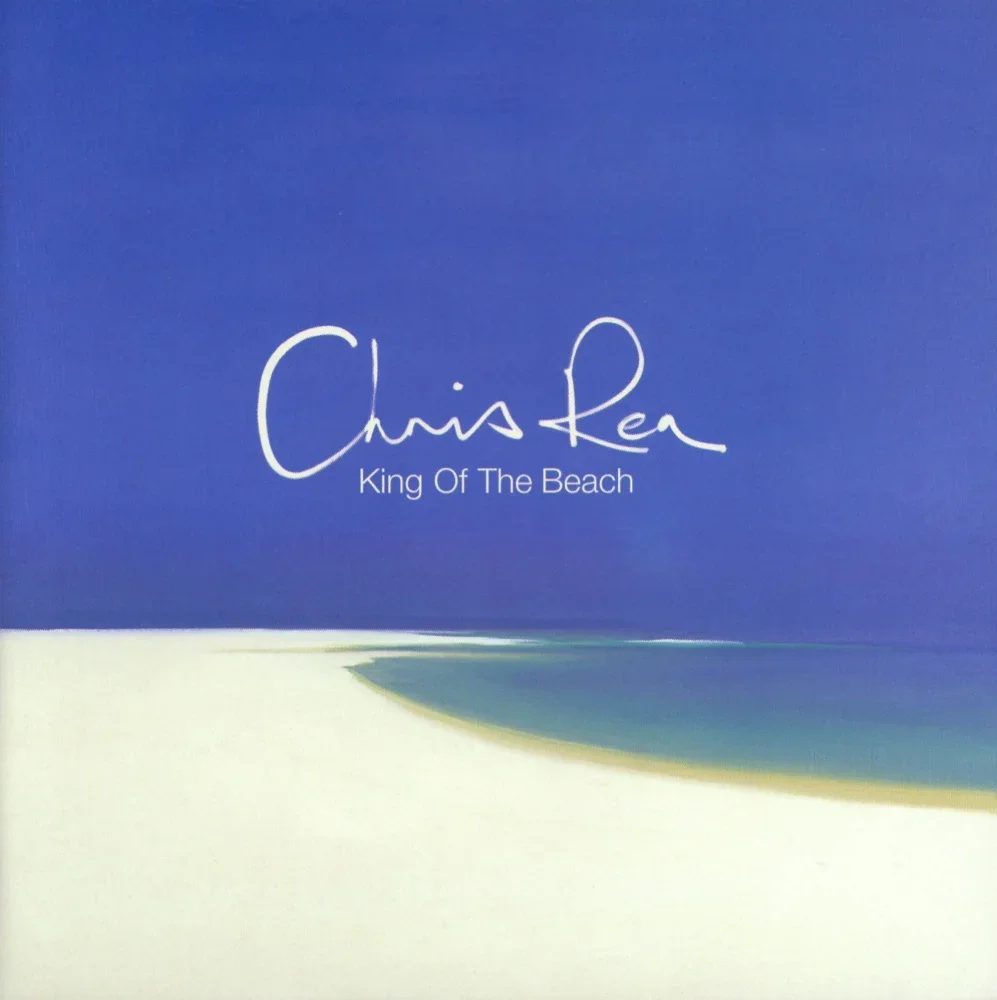
A relaxed, surf-tinged record inspired by his love of the sea and warm-weather escape.

After a near-fatal illness he threw himself into raw, unpolished blues on this sprawling double album, the sound he had always wanted to make.

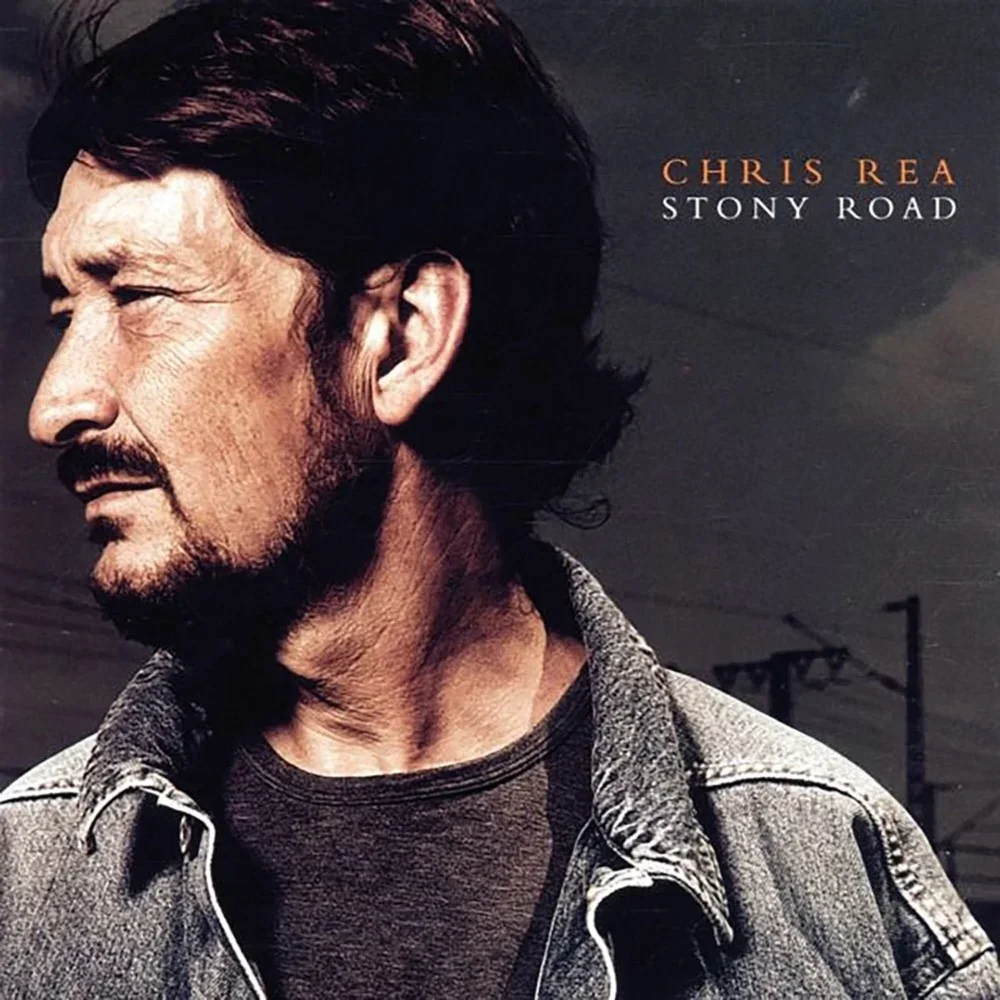
More self-made blues in the same vein, loose and heartfelt, recorded largely on his own terms.

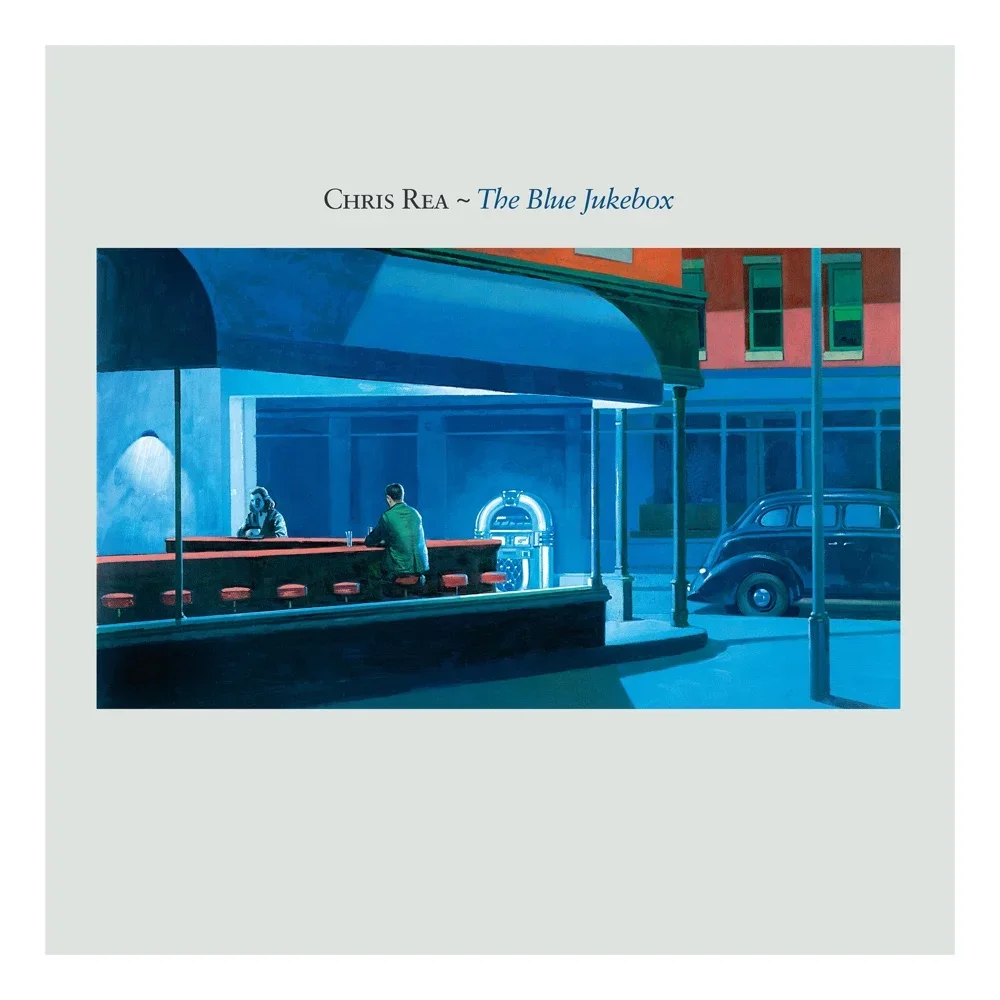
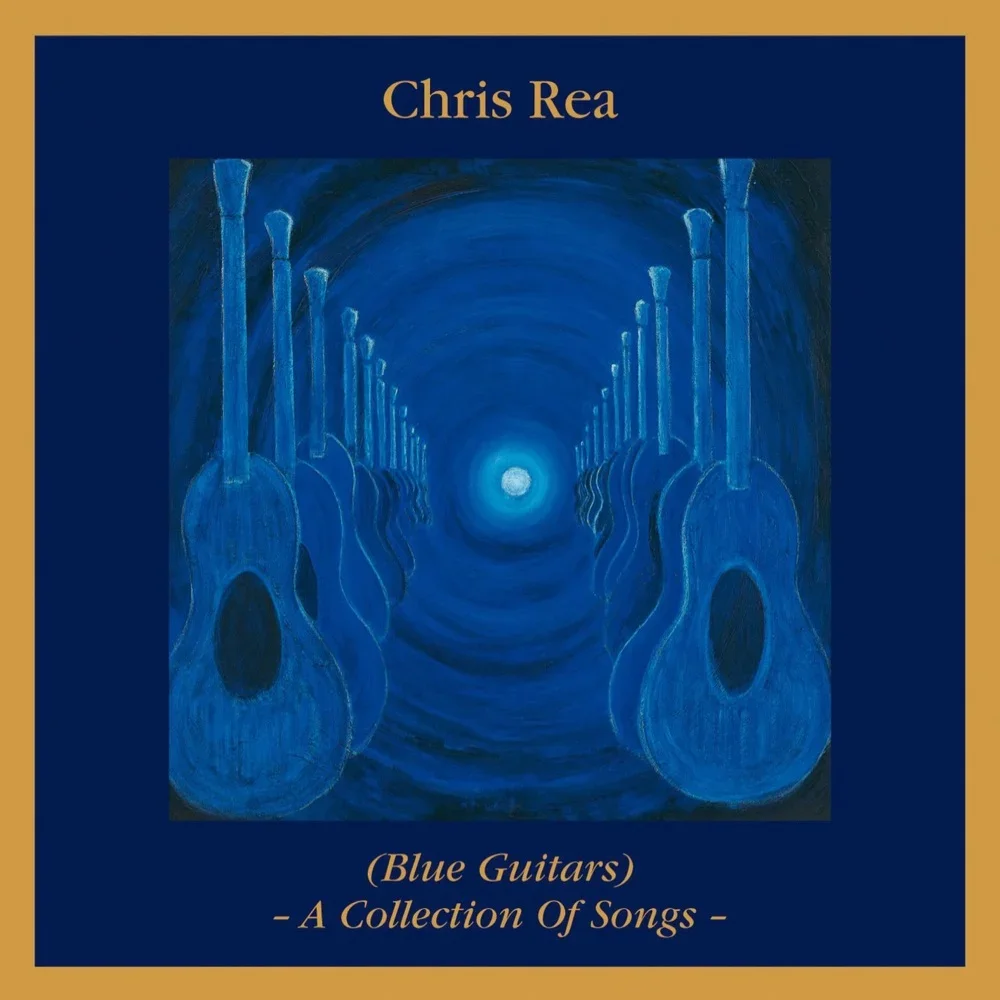
An enormous eleven-disc project tracing the history of the blues across some 137 original songs, packaged with a book of his own paintings.

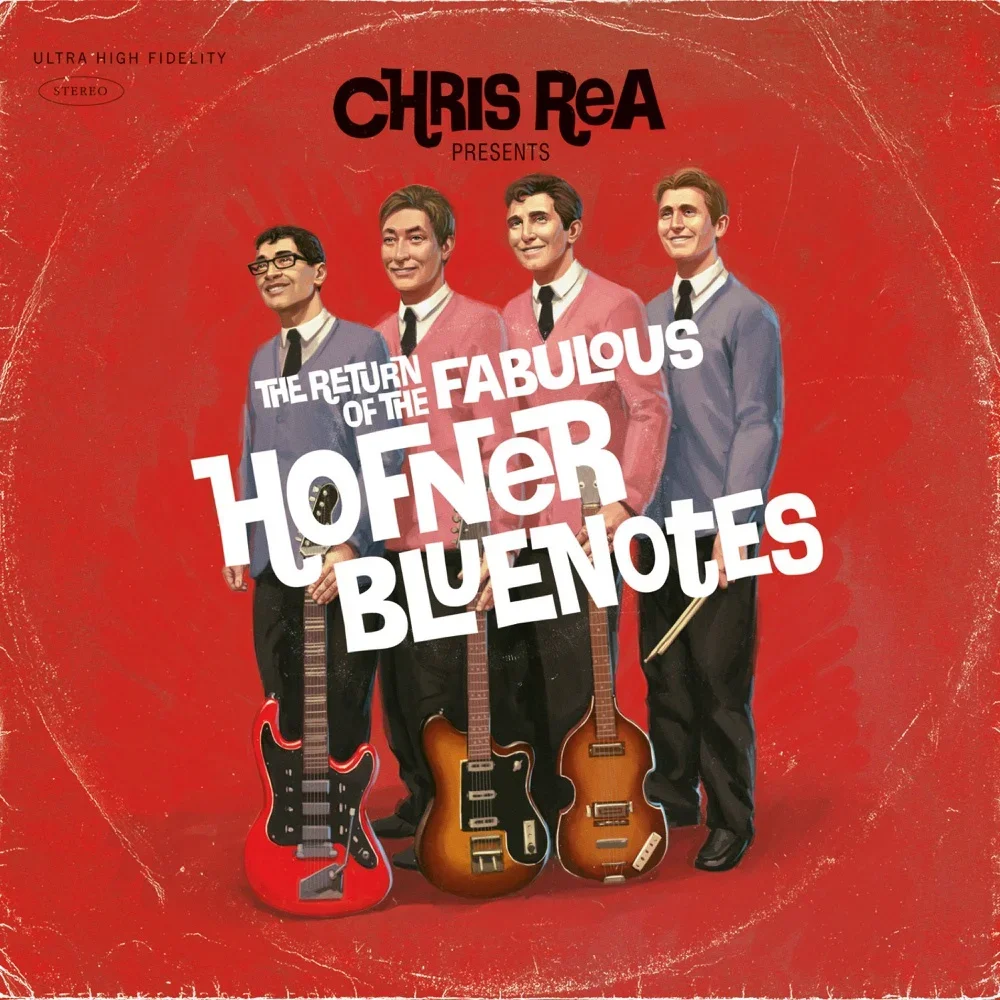
A loving nod to fifties skiffle and early rhythm and blues, played on vintage gear with his Hofner Bluenotes side project.

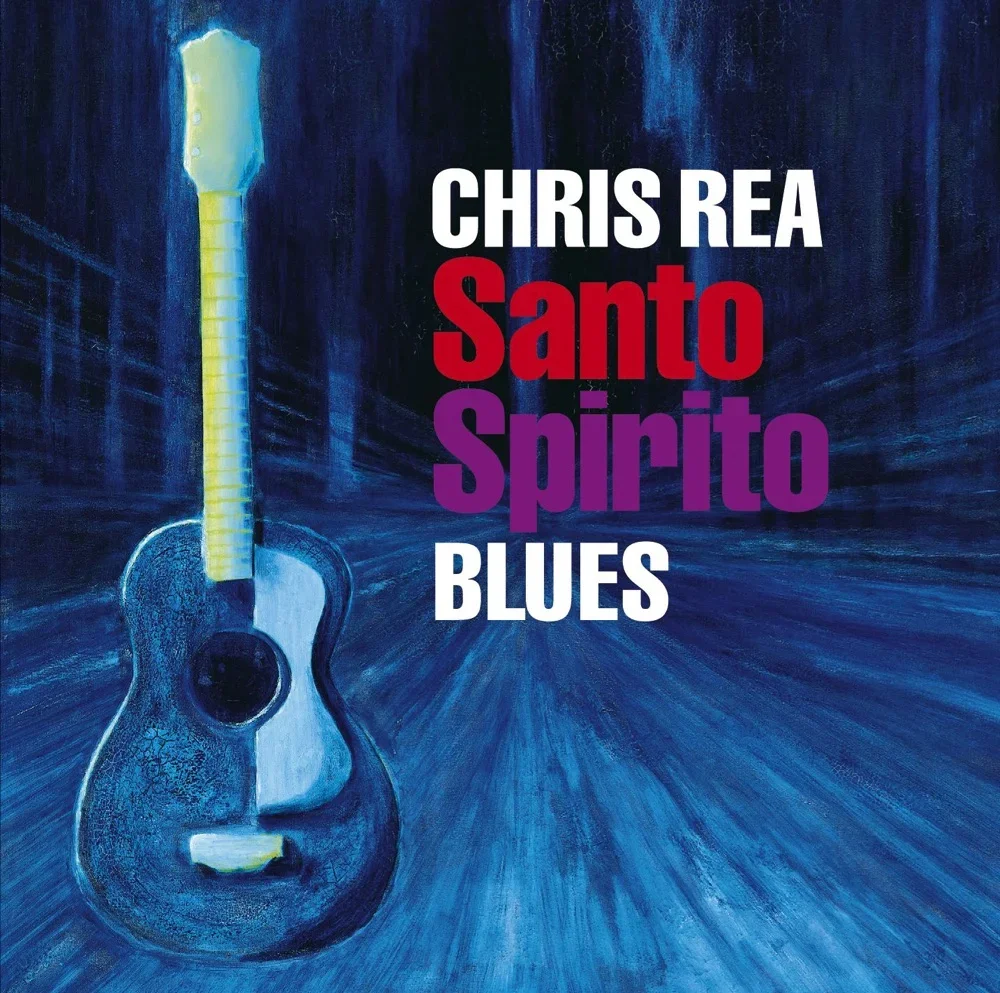
An ambitious blues set issued with accompanying films, blending his roots sound with an Italian, cinematic mood.

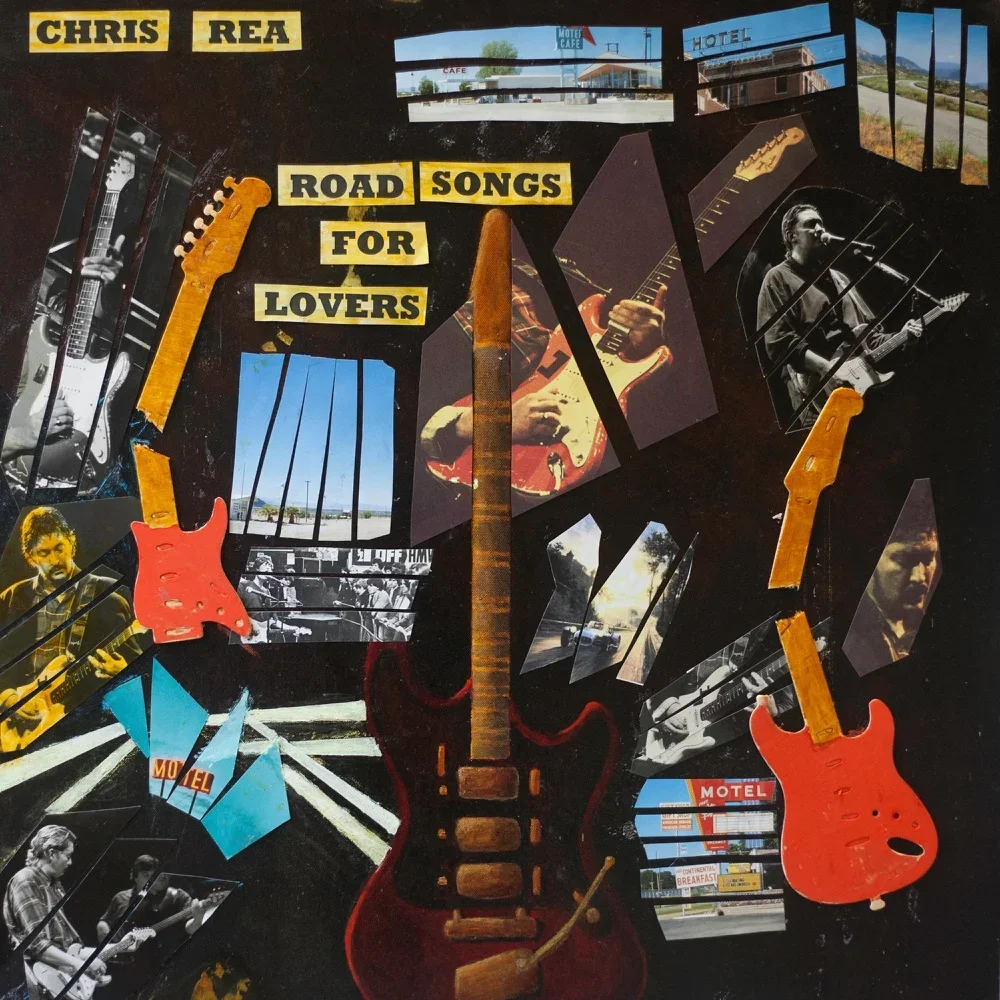
A return to the melodic driving-song style of his hit years, his first studio album after another spell of ill health.

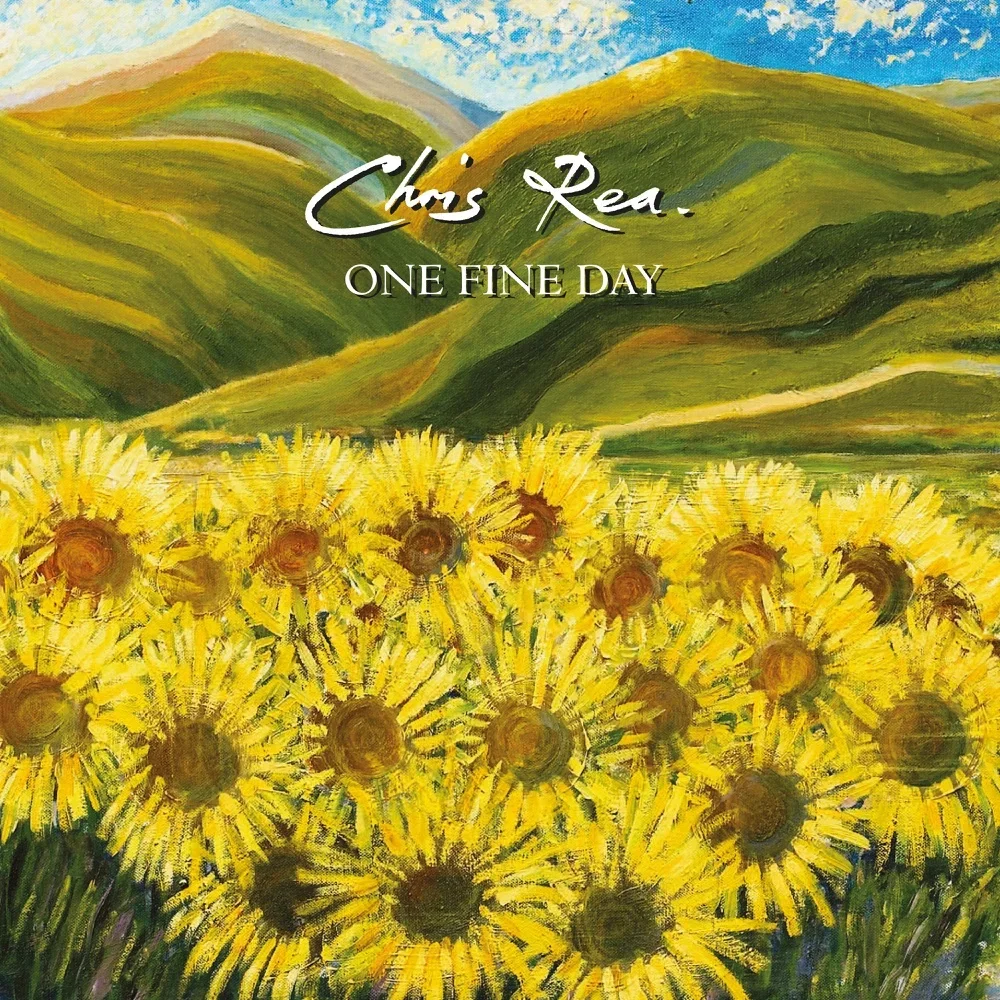
A warm, unhurried record of new songs in the same easy, road-worn vein, among his last studio releases.