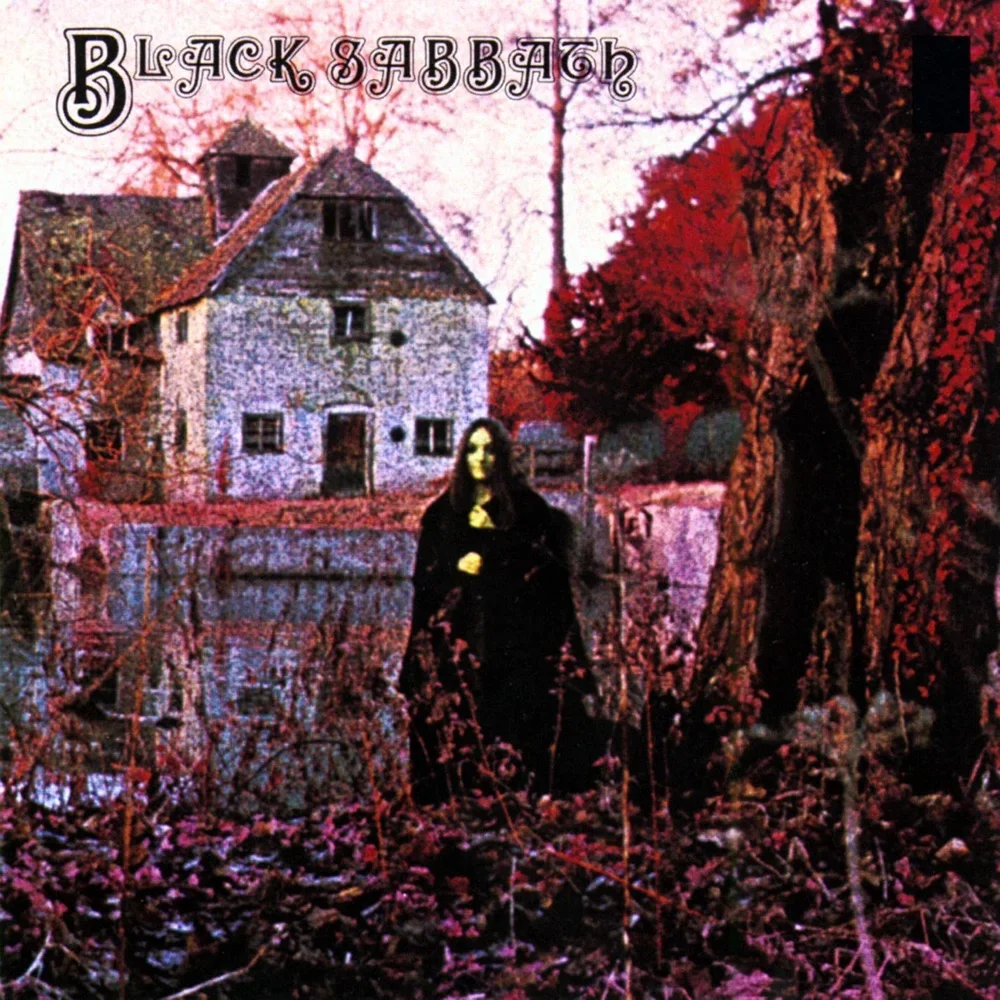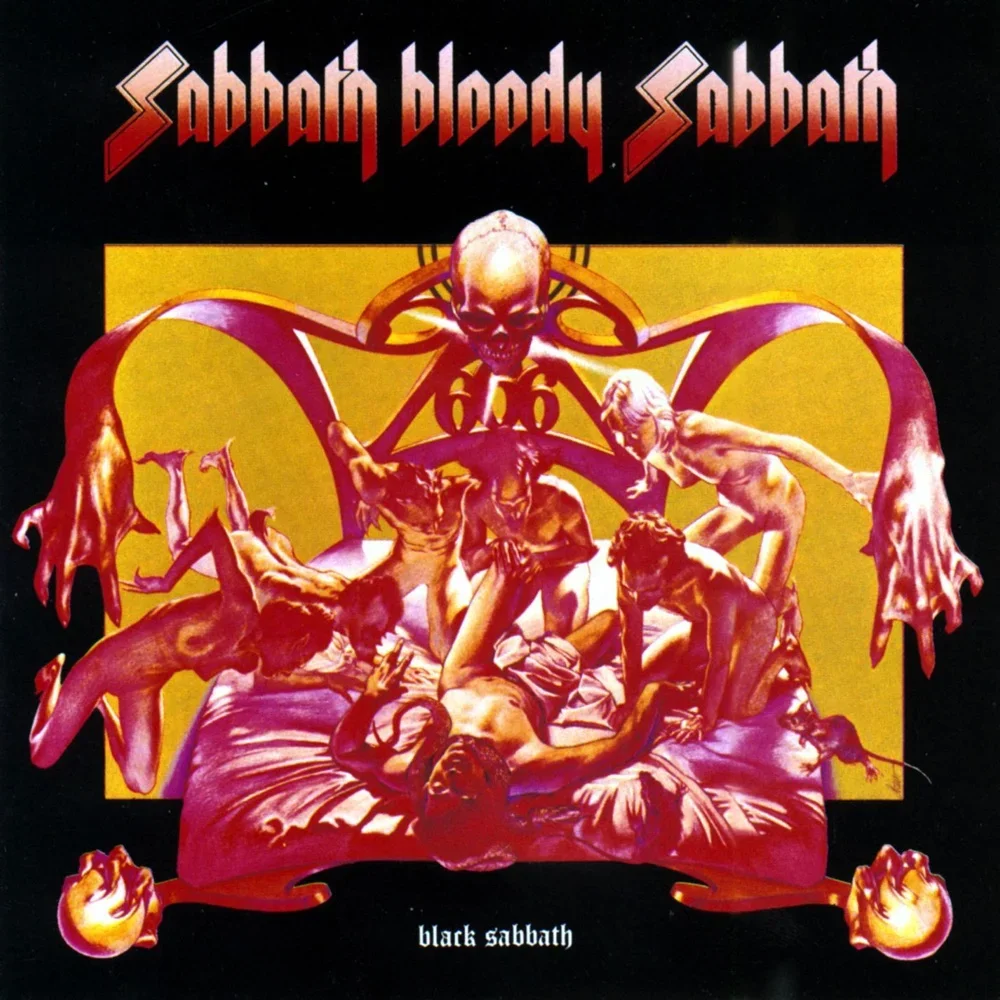
The 1970 debut, widely regarded as the first true heavy metal album, opening with its ominous title track.

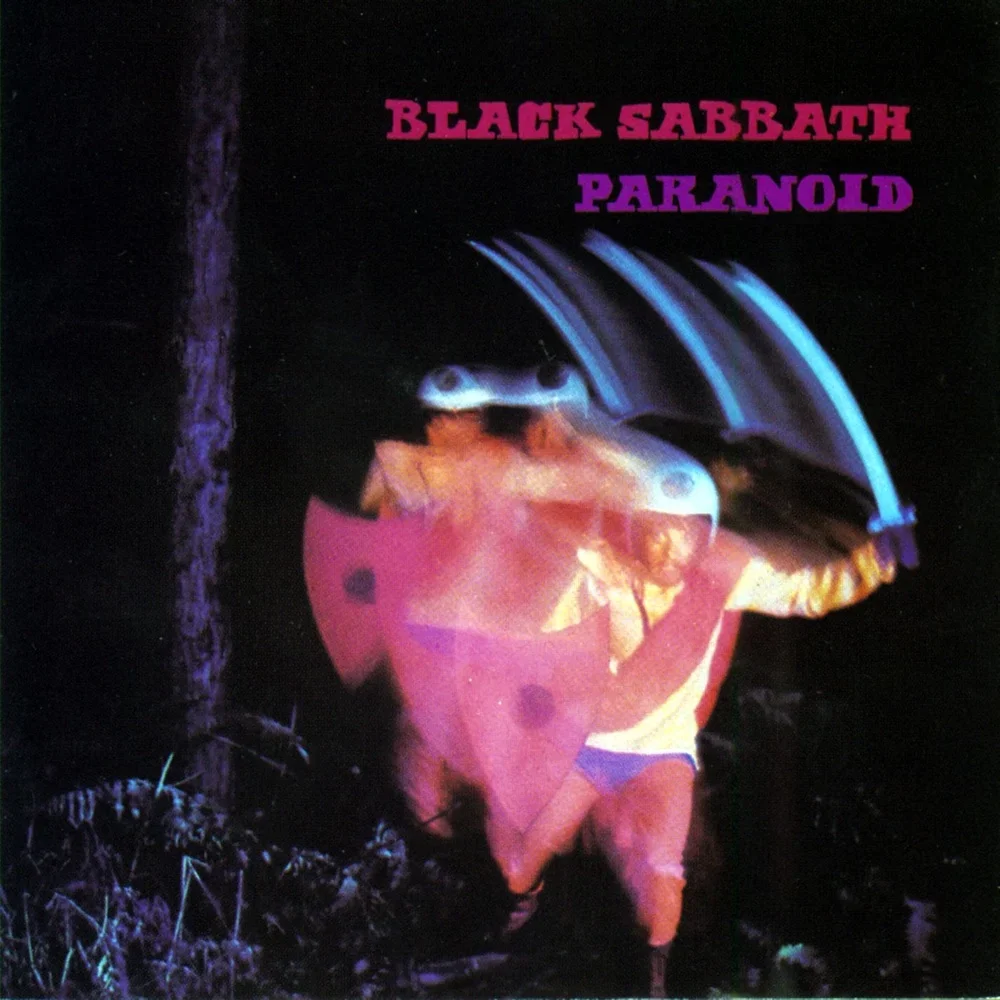
The breakthrough second album and the band's best known, home to "War Pigs", "Iron Man" and the title track.

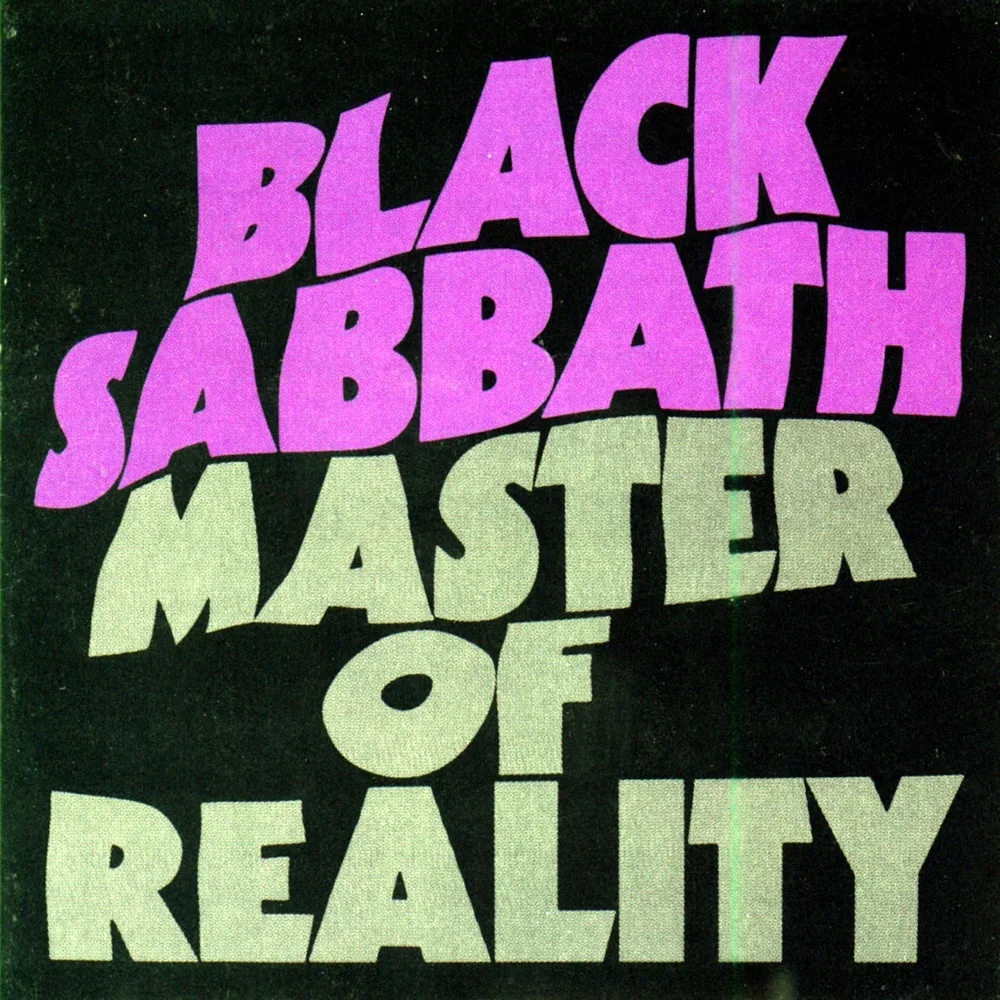
A heavier, down-tuned record that deepened the band's sound, with "Sweet Leaf" and "Children of the Grave".

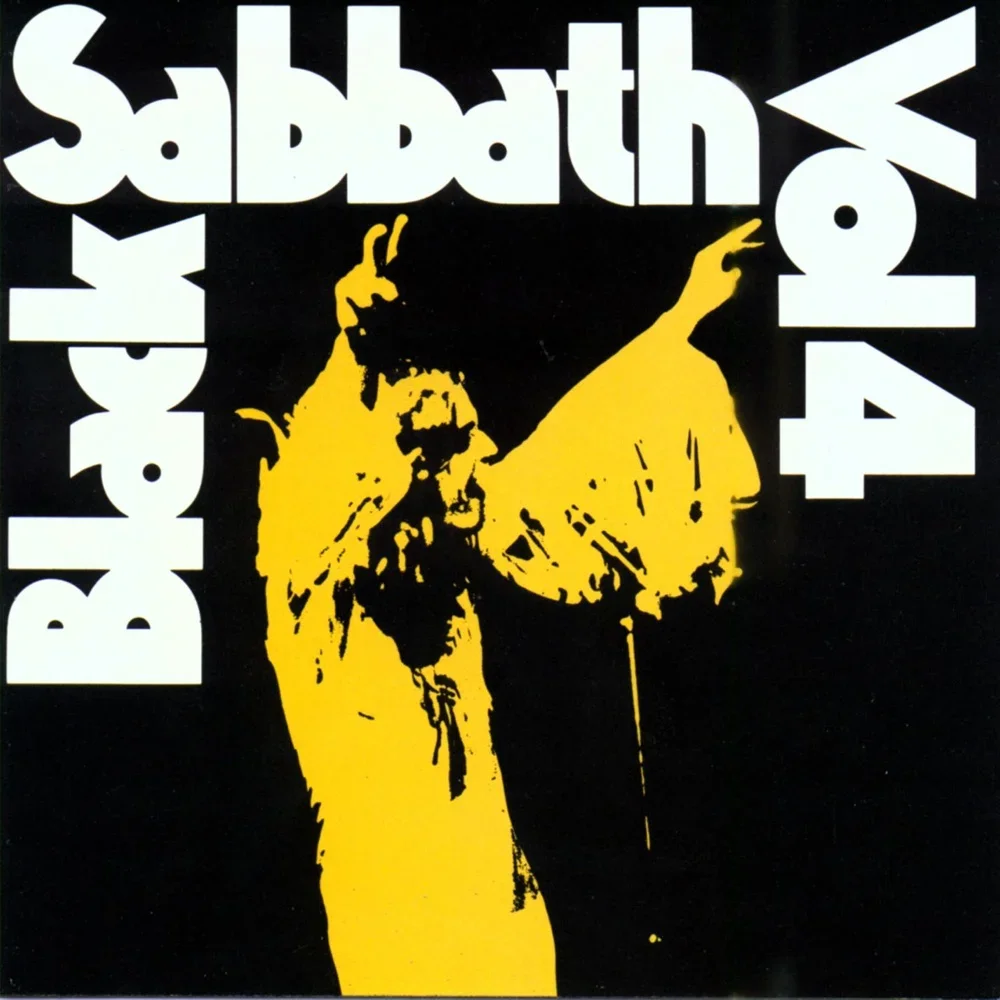
A more expansive, experimental album featuring the piano ballad "Changes" alongside "Supernaut" and "Snowblind".

A more refined album that broadened the arrangements with keyboards, led by its title track.

An aggressive, densely produced album with "Hole in the Sky" and the proto-thrash "Symptom of the Universe".

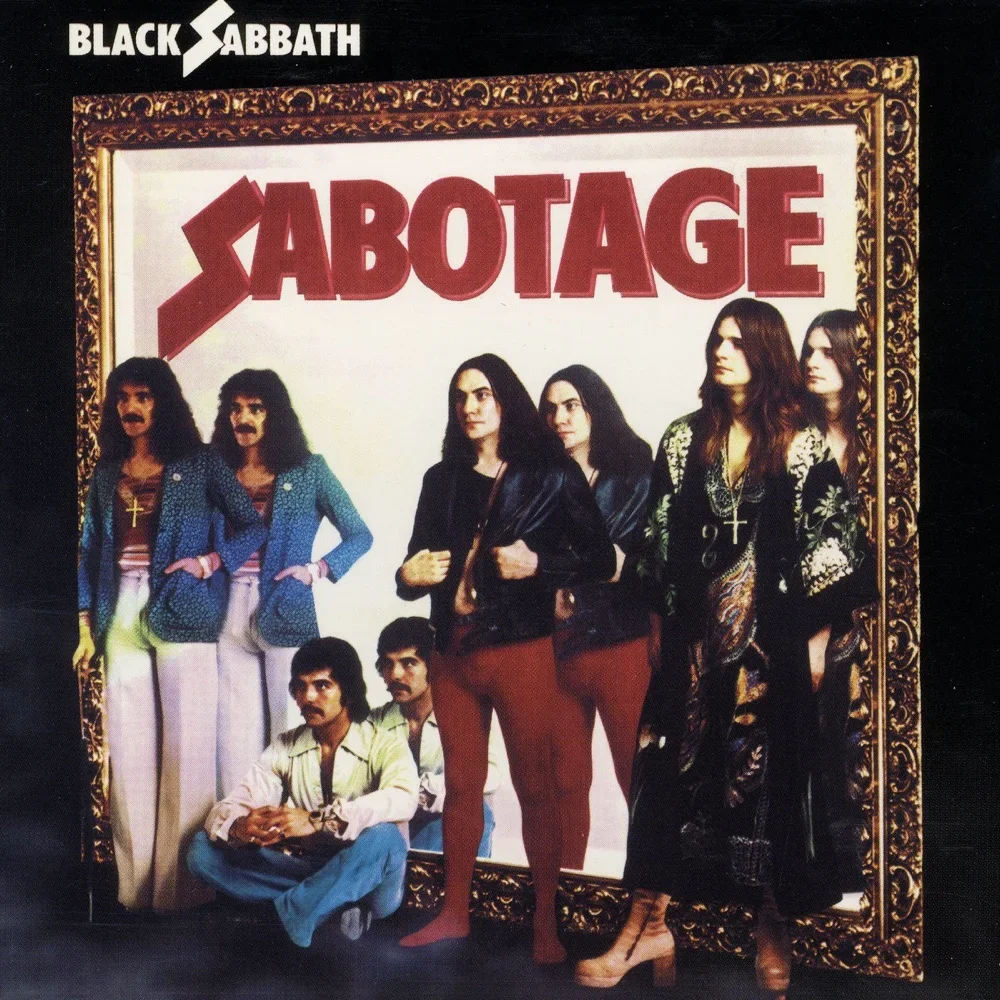
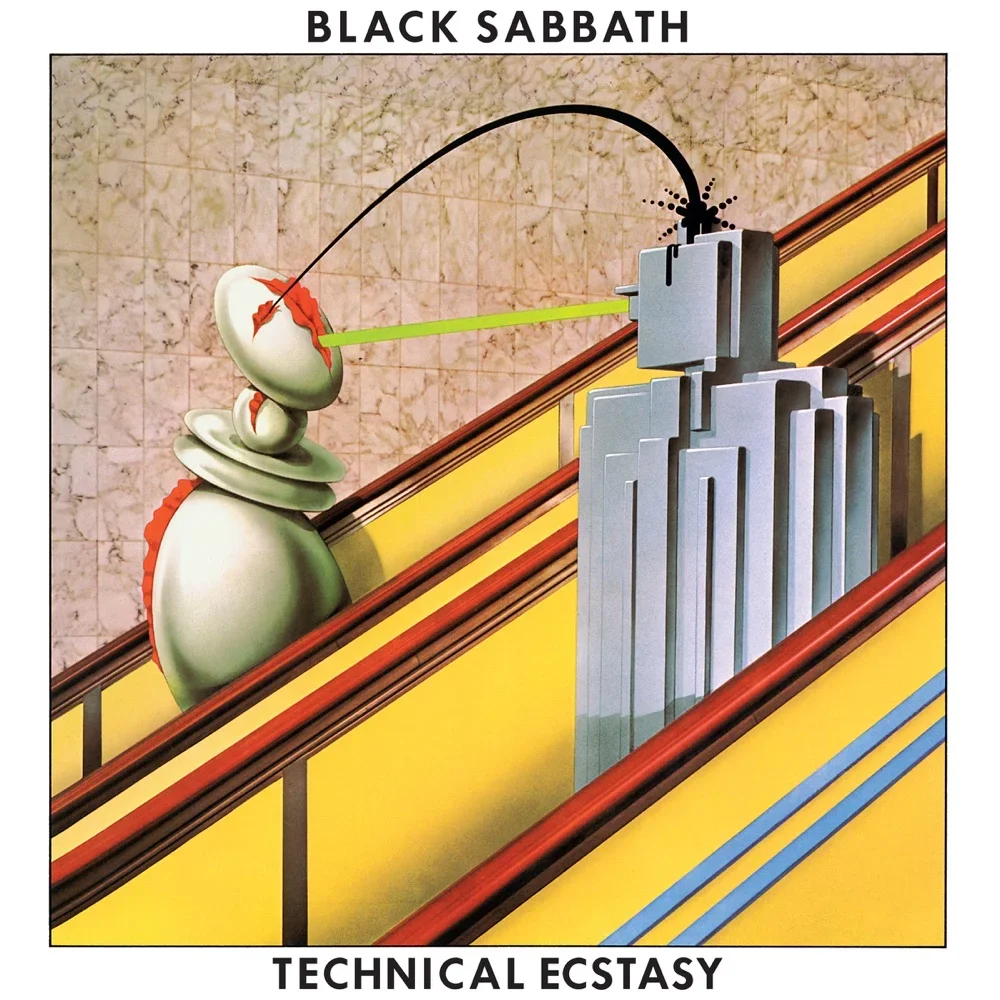
A more experimental album leaning on keyboards and varied styles, marking a transitional phase for the band.

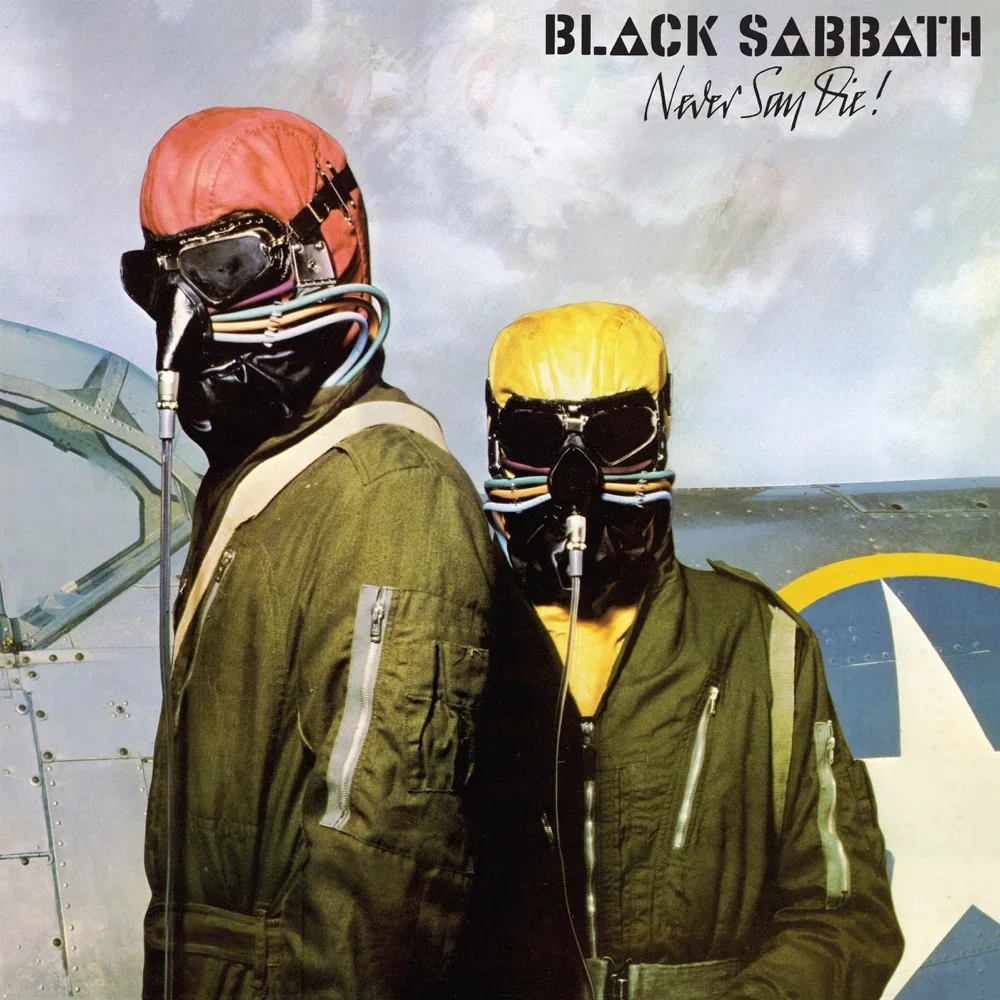
The last studio album of the original run with Ozzy Osbourne before he left the band.

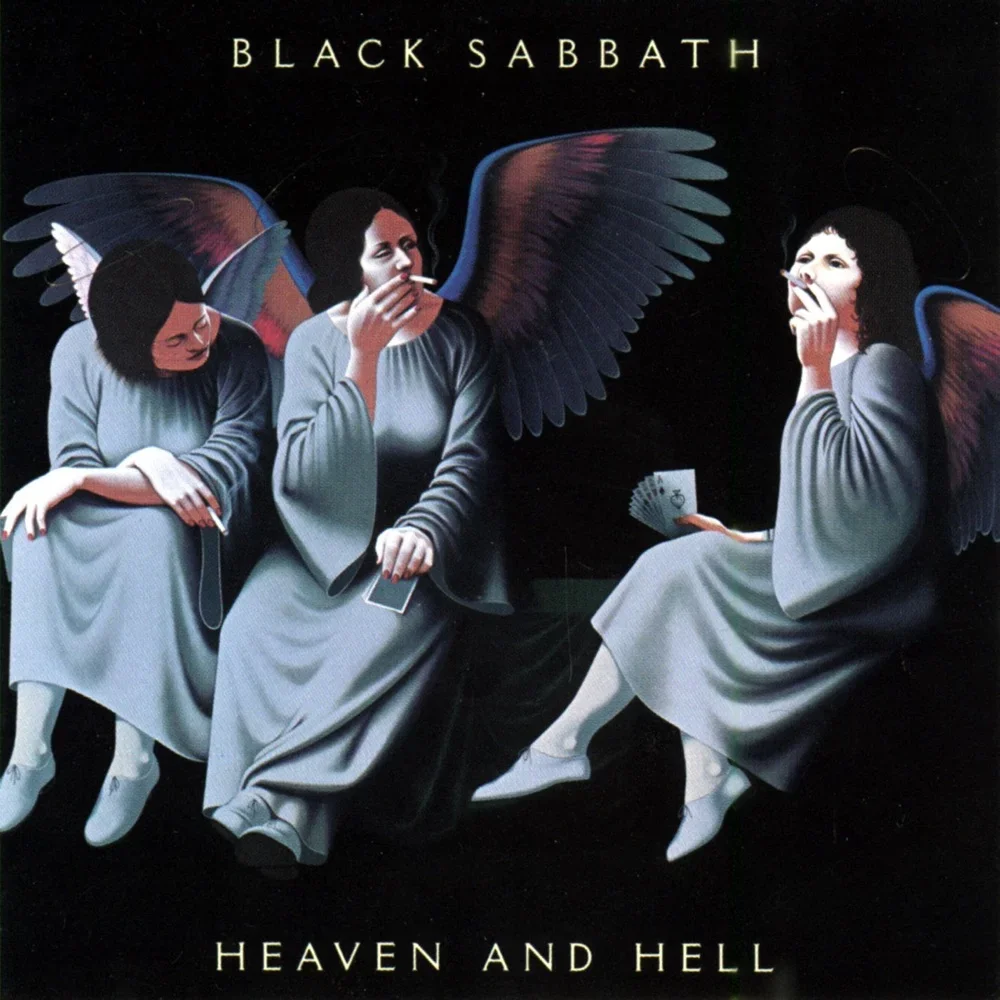
The first album with Ronnie James Dio on vocals, reviving the band with "Neon Knights" and the title track.

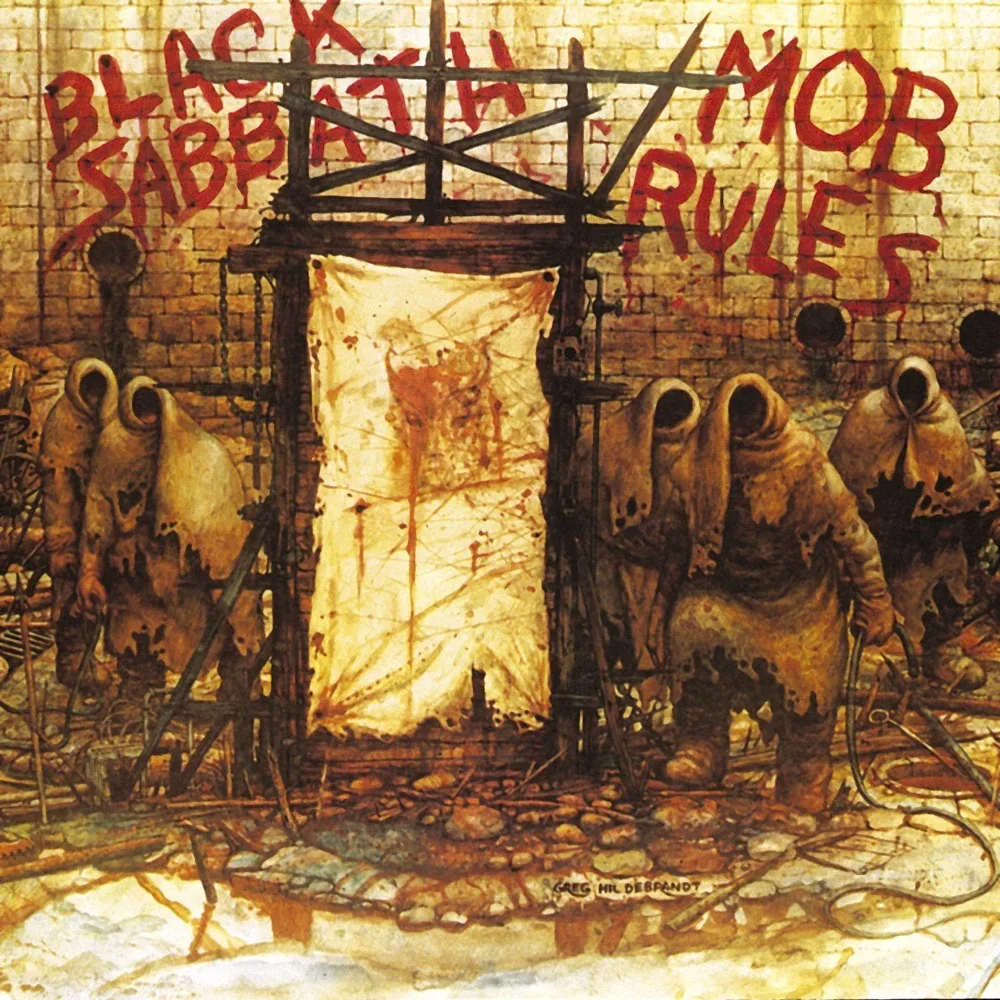
The second Dio-era album, harder and faster, carrying "The Mob Rules" and "Turn Up the Night".

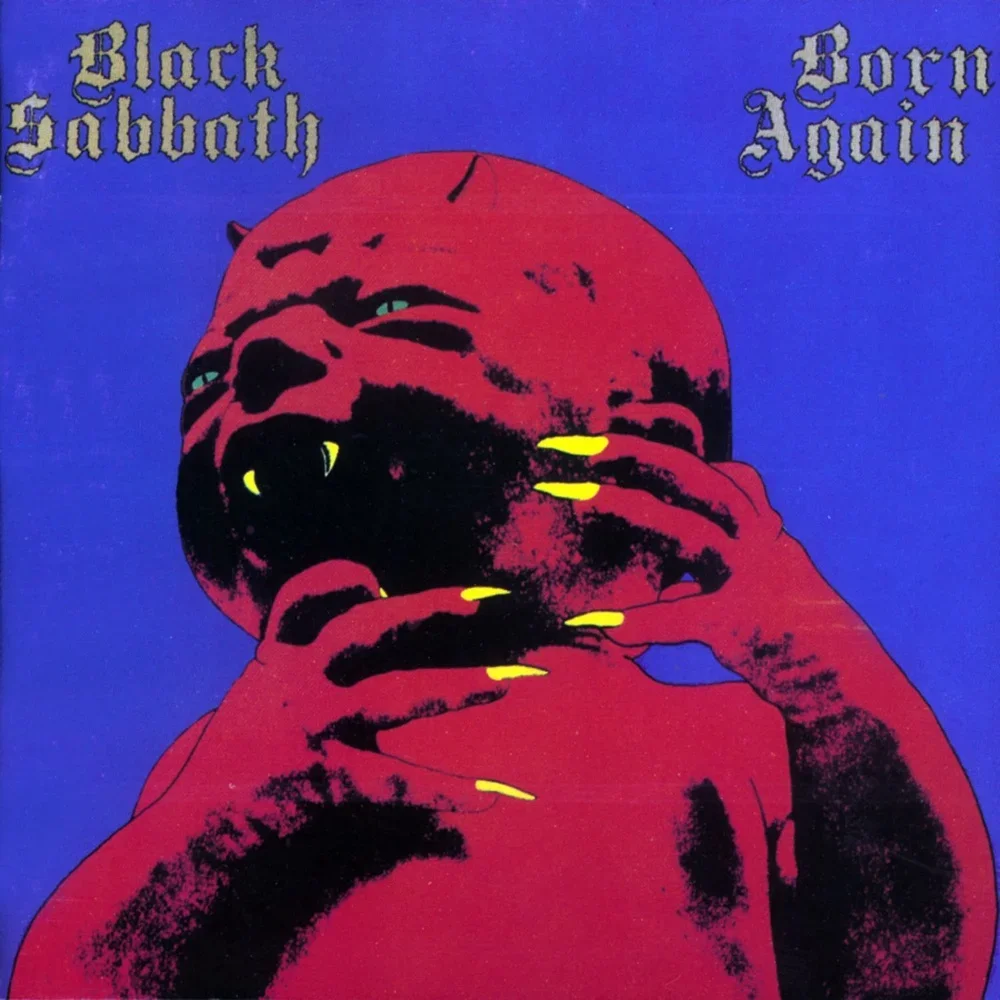
A one-off album with Deep Purple's Ian Gillan on vocals, known for its raw sound and infamous cover.

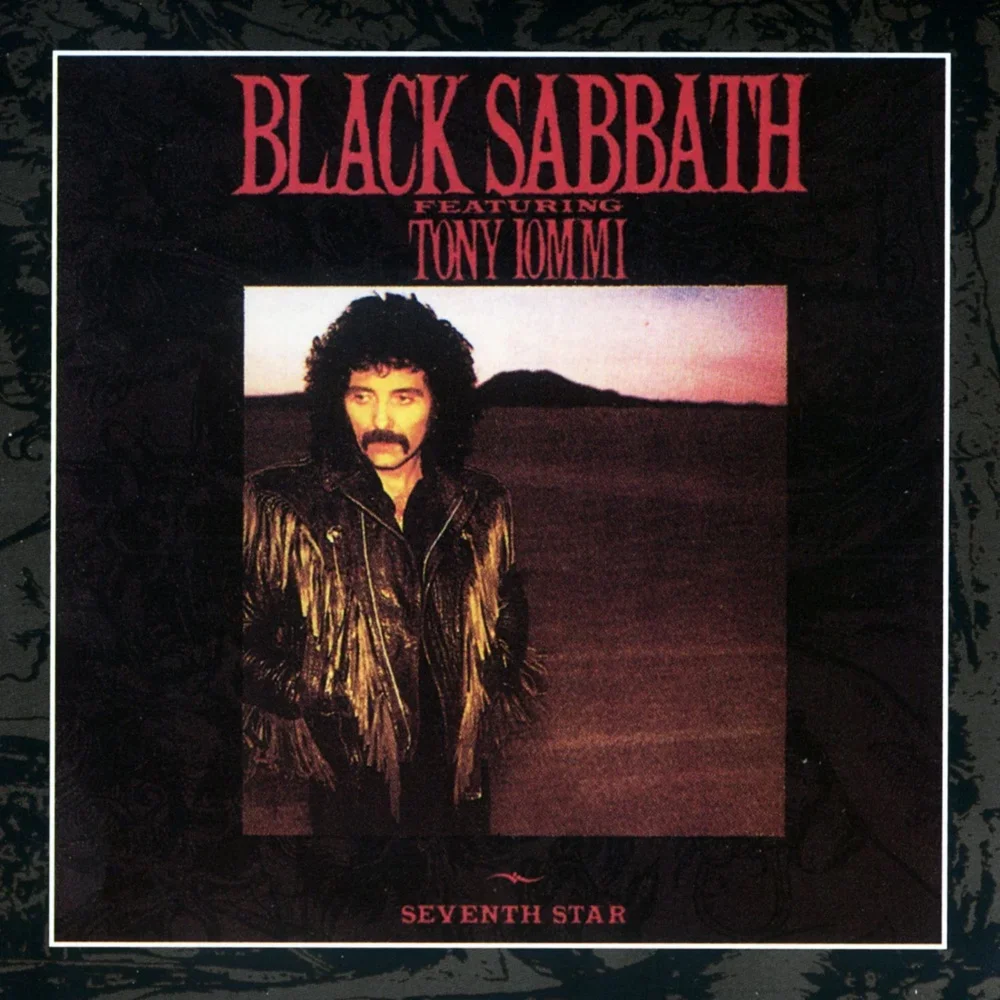
Conceived as a Tony Iommi solo record, it features Glenn Hughes on vocals and a bluesier feel.

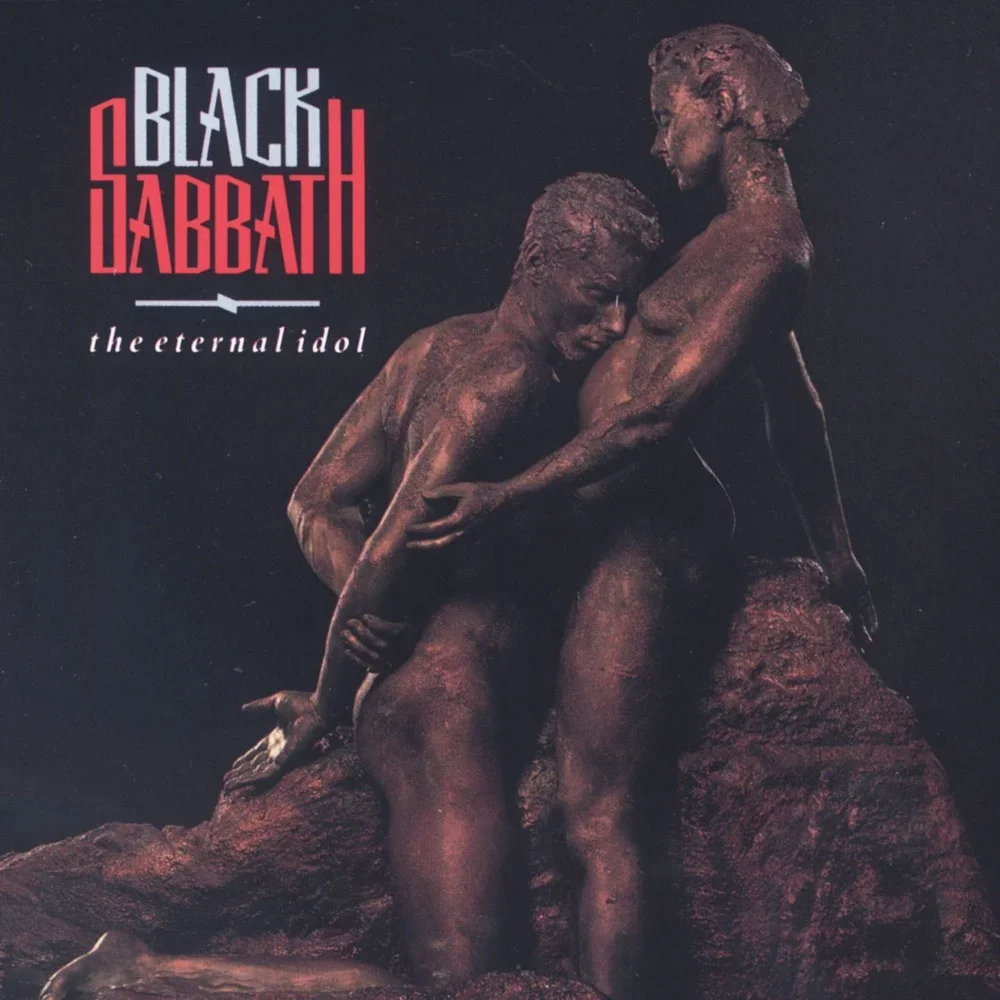
The first album with vocalist Tony Martin, restoring a heavier, more traditional metal sound.

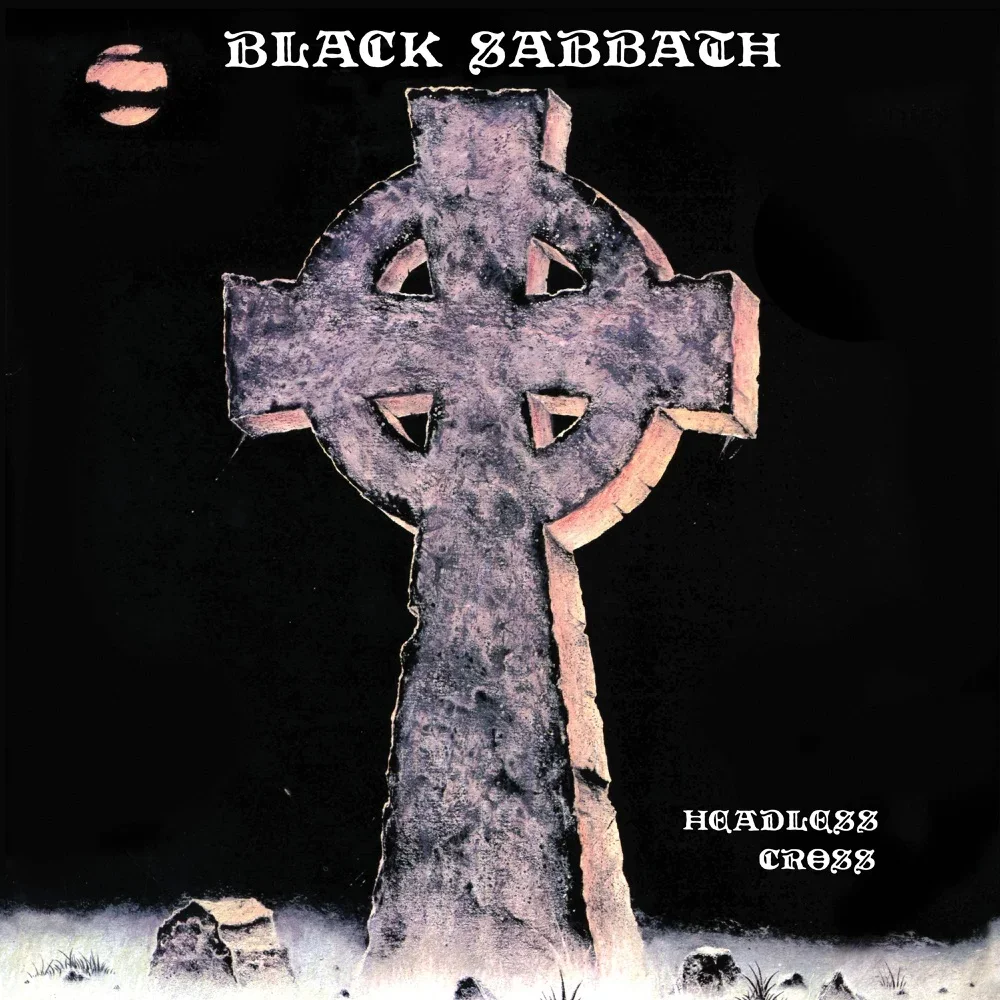
A Tony Martin era highlight with drummer Cozy Powell, praised for its dark, melodic metal.

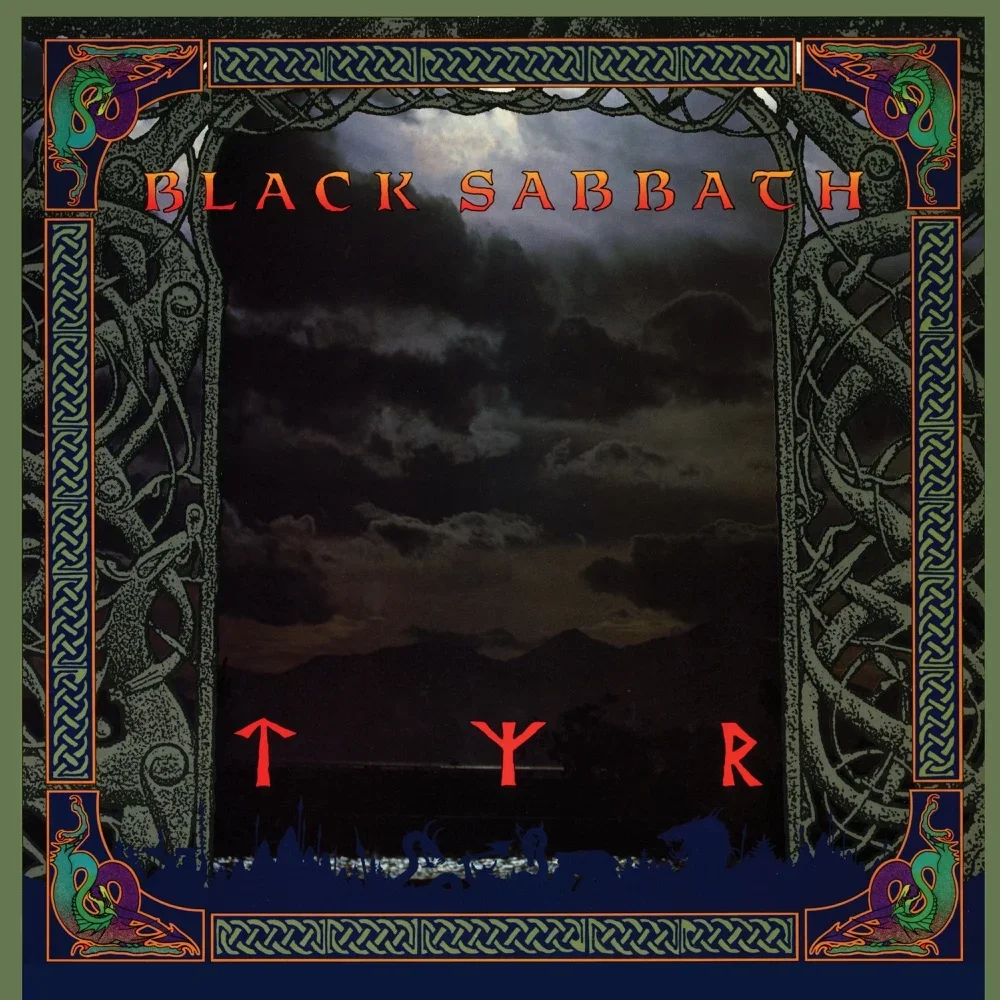
A Tony Martin album loosely themed around Norse mythology, continuing the band's melodic late-80s style.

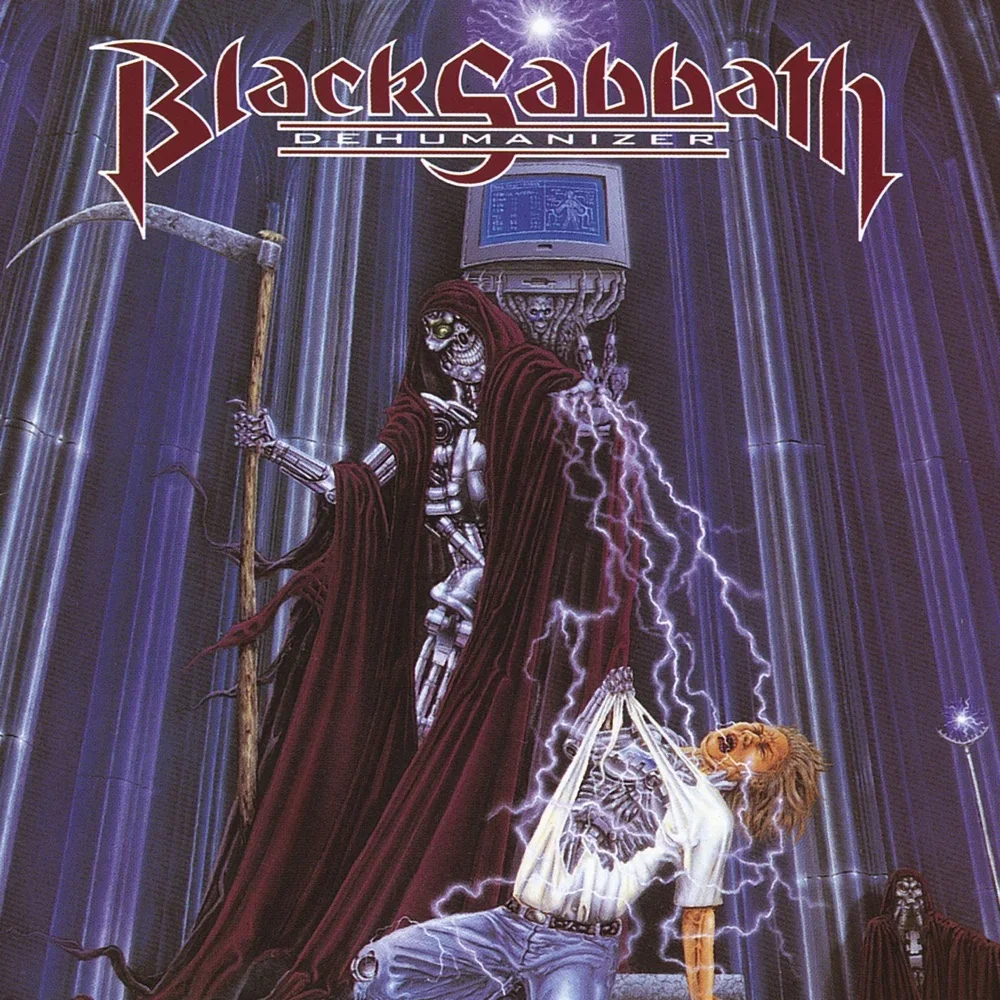
The reunion album with Ronnie James Dio returning, heavier and darker, featuring "TV Crimes".

Tony Martin's return on vocals for a solid, no-frills early-90s metal album.

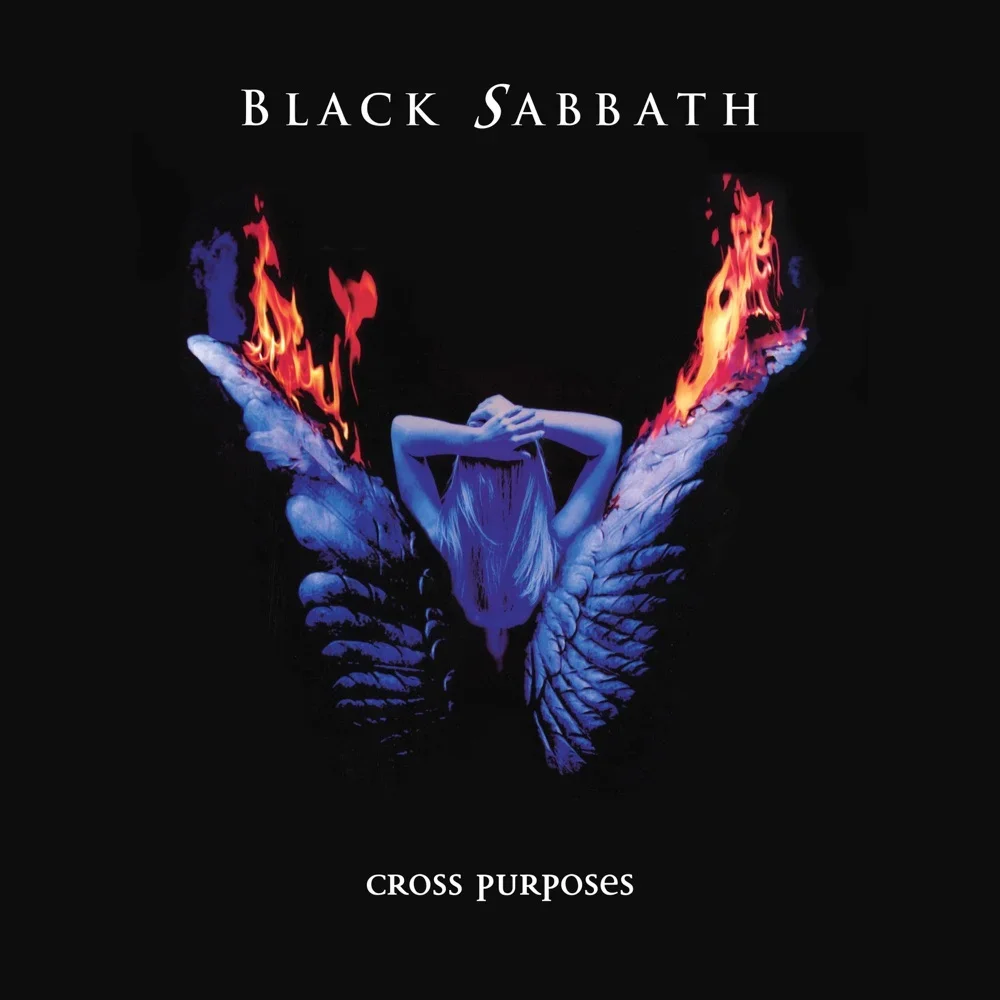
The final album of the Tony Martin era, produced by Ernie C of Body Count and long considered a low point.

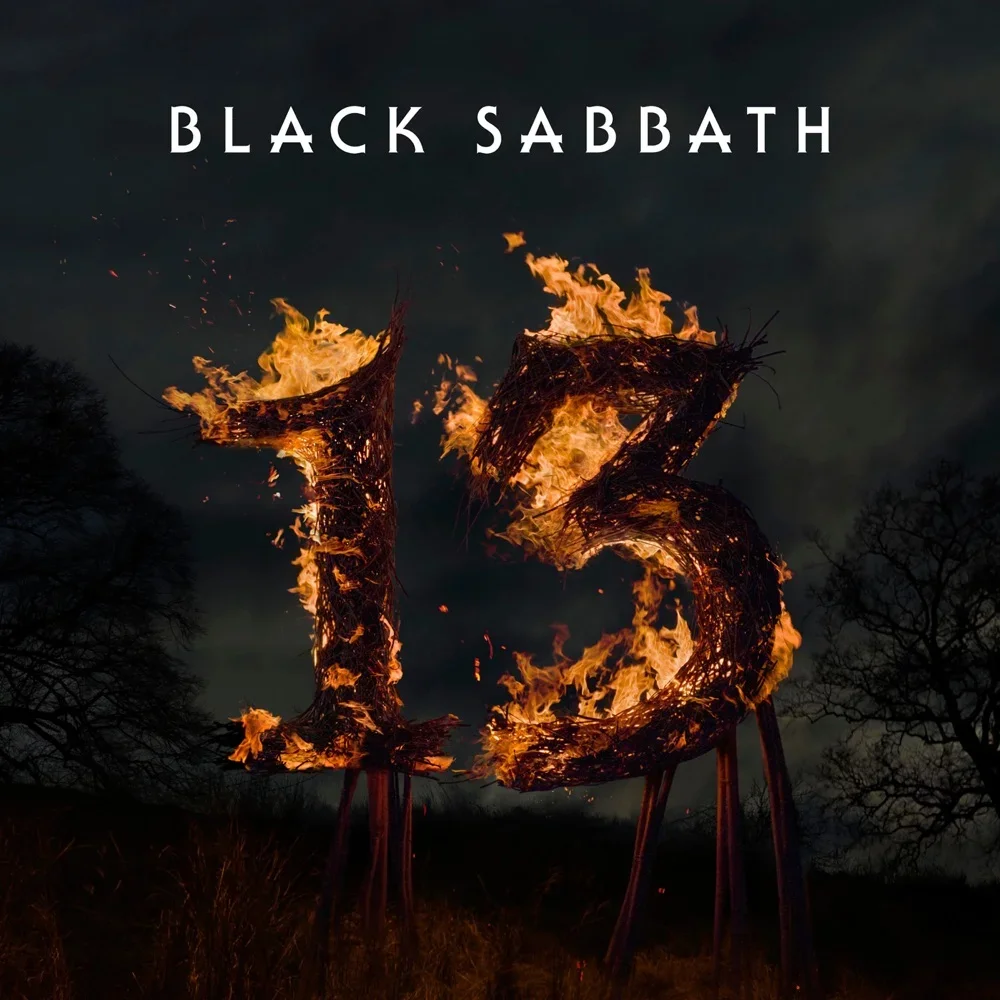
The reunion album with Ozzy Osbourne, produced by Rick Rubin, returning the band to its early doom-laden roots.