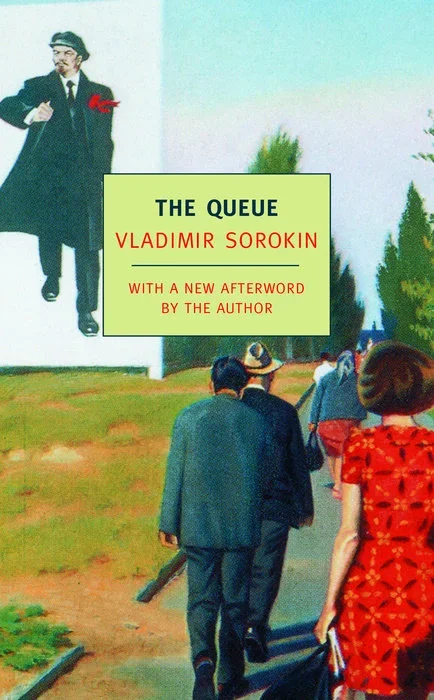
A novel built almost entirely from the voices of a nameless crowd waiting in a vast Soviet queue for some scarce, unnamed goods. Sorokin's first book, where a whole life grows out of the hum of everyday speech.
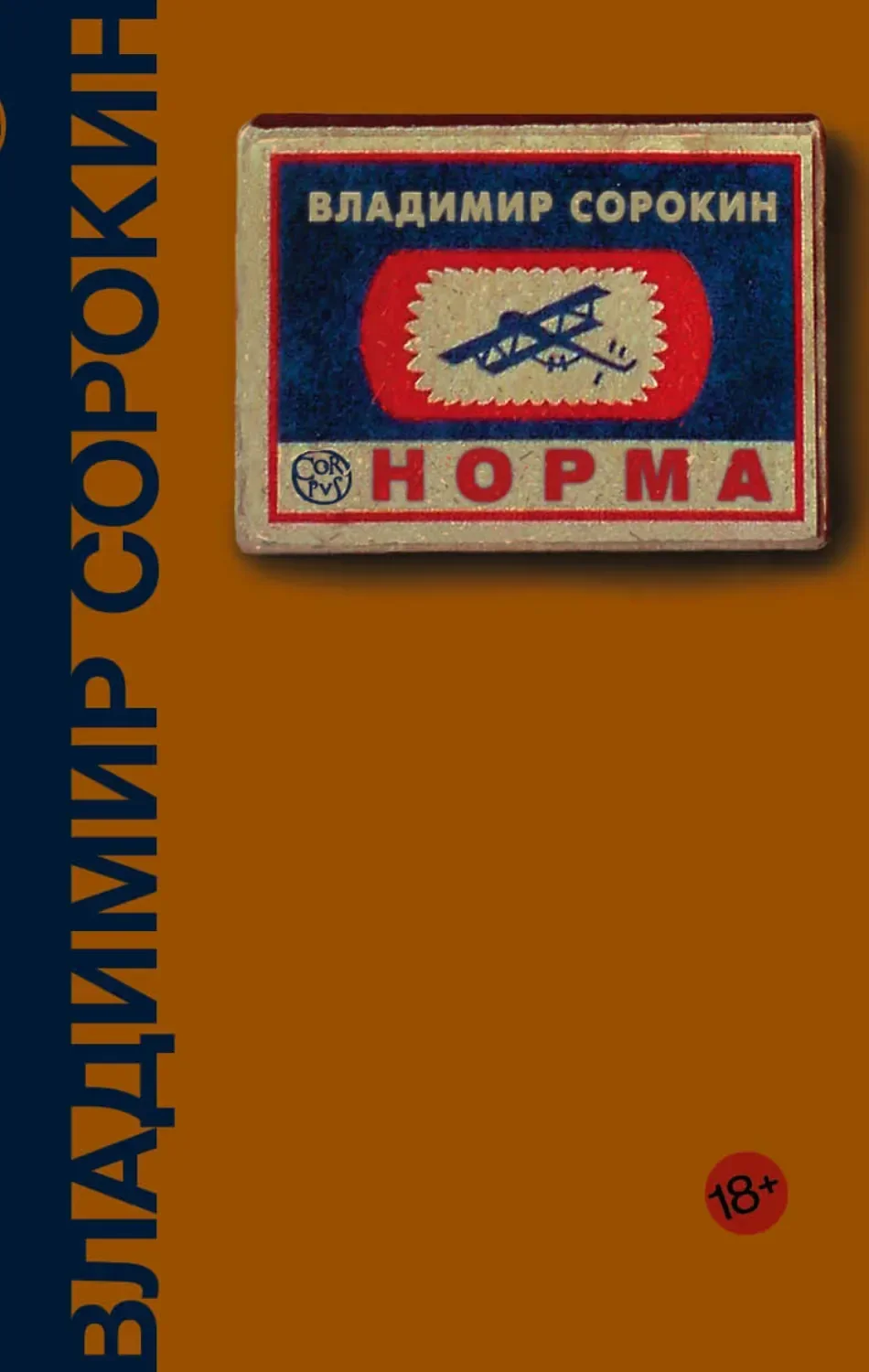
A book in several parts held together by a recurring ritual motif of late-Soviet life. One of the writer's early conceptual works, where the familiar speech of the era is pushed into the absurd.
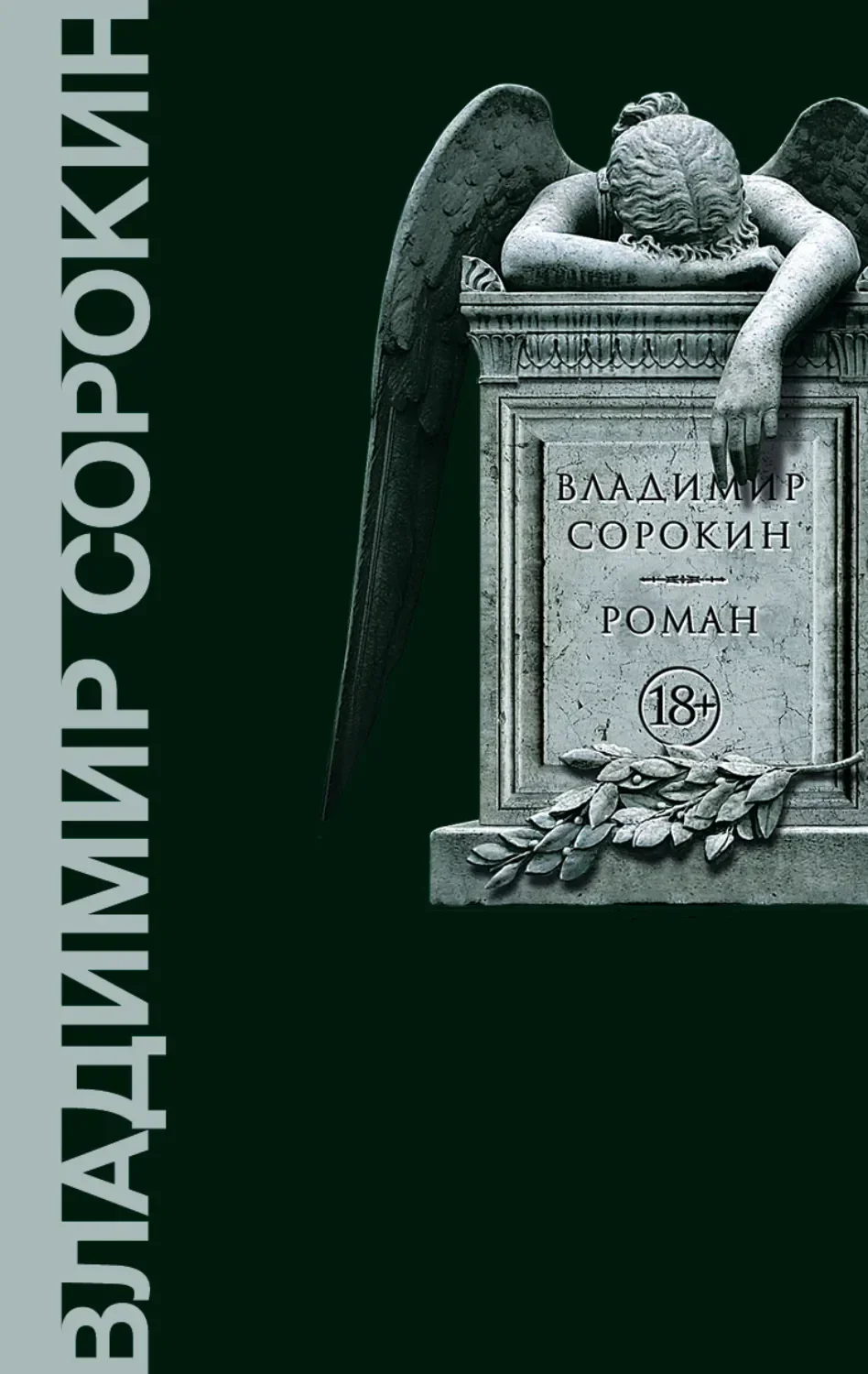
A large novel written in the manner of nineteenth-century Russian classic prose, about a young man who comes to a country estate. A work in which the familiar language of the classics slowly changes the nature of the story.
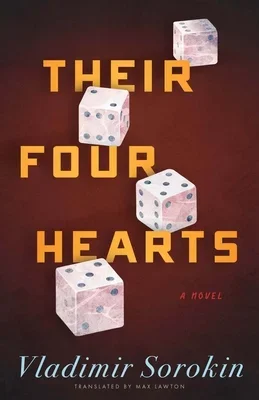
Four very different people move toward a shared goal whose meaning is clear only to them. One of the writer's harshest works, taking Soviet myths and clichés apart piece by piece.

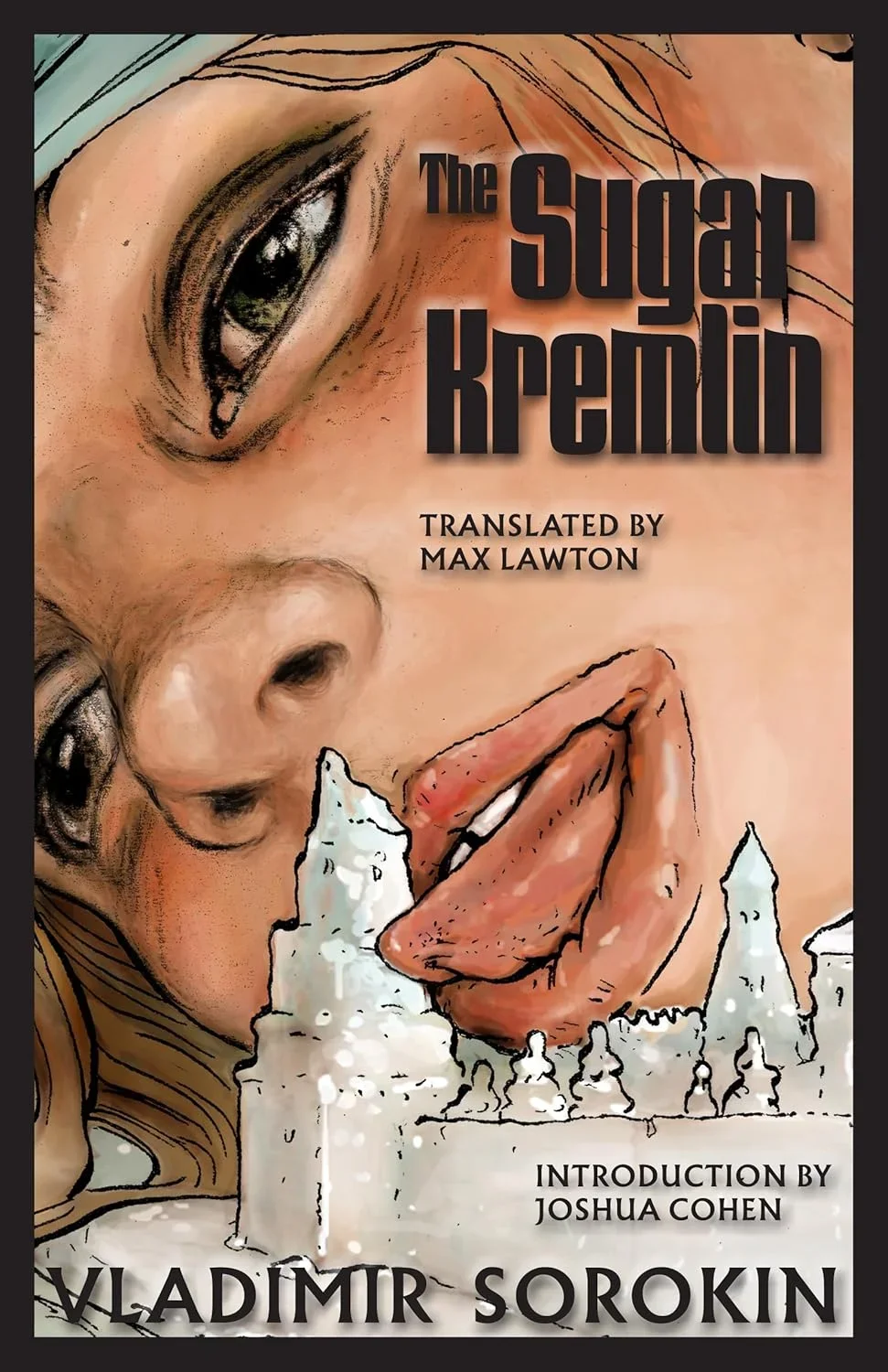
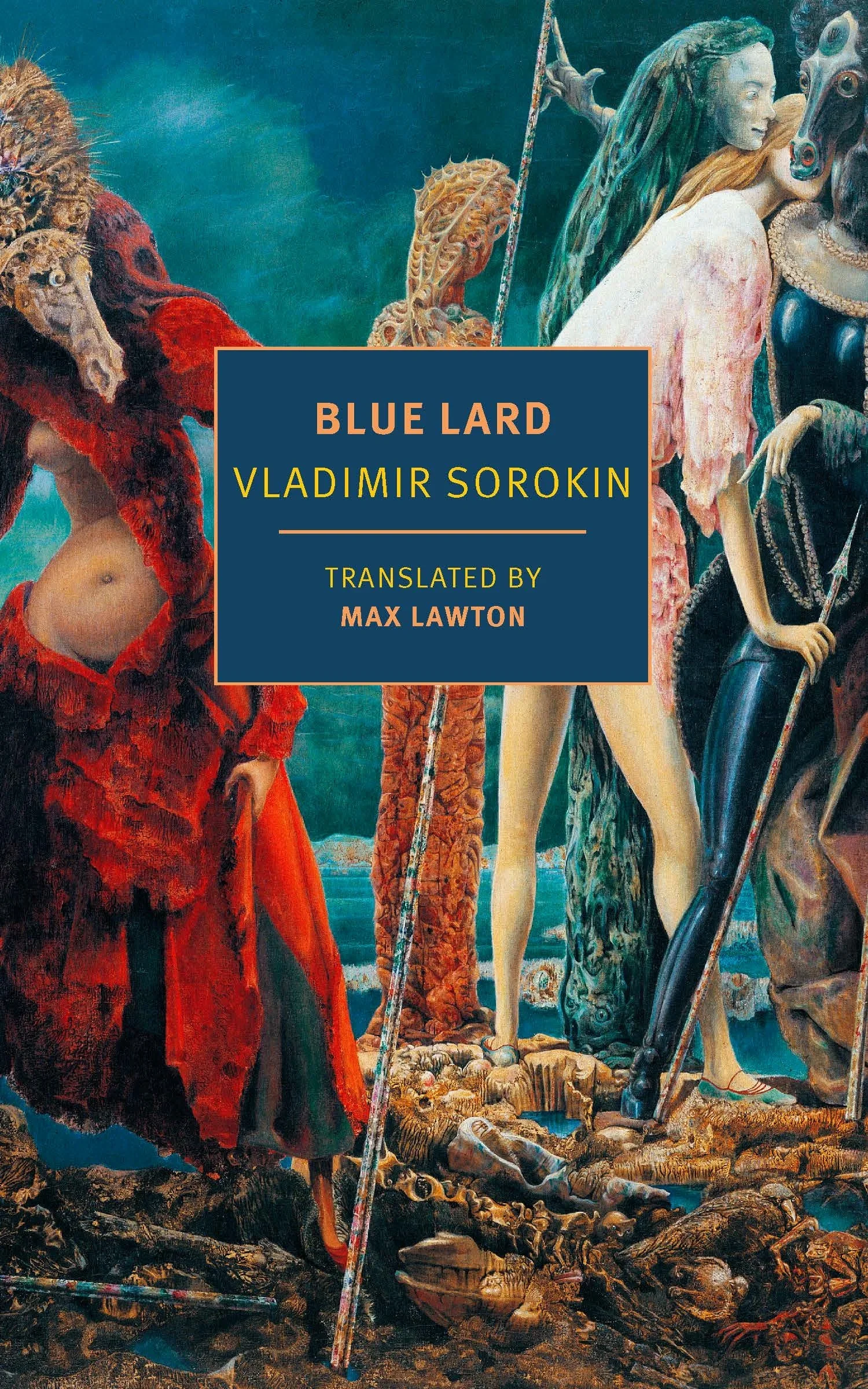
The action moves from a future where clones of Russian classic writers produce a mysterious substance into an alternate past. Sorokin's most scandalous novel, mixing dystopia, parody and an invented language.

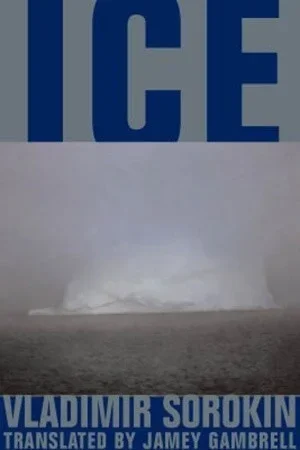
In a big city a group singles people out by a special trait and tries to awaken their hearts with a shard of celestial ice. The central book of the Ice Trilogy.

The prelude to the Ice Trilogy: the life of its hero from the early twentieth century, where the whole story of the brotherhood begins. A novel about how the design later unfolded in Ice first takes shape.

The conclusion of the Ice Trilogy, where the threads of the two earlier books come together. A novel about the standoff between the chosen few and the rest of humanity.

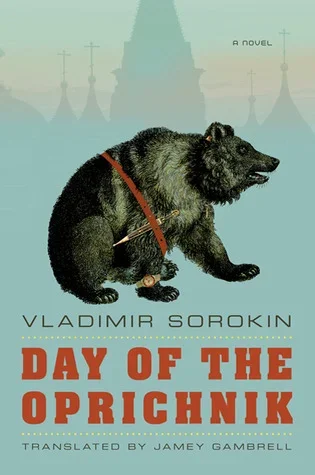
A single day in the life of a state oprichnik in a near-future Russia where the latest technology sits beside the customs of Ivan the Terrible. A satirical dystopia about power and violence.

A cycle of stories that continues the world of Day of the Oprichnik, building a picture of the same future Russia out of separate scenes. A view of the state from many sides and voices.

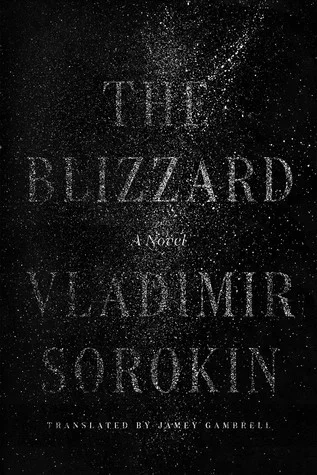
A country doctor pushes through an endless blizzard toward a far-off village where he is awaited with a vaccine. A novella written in the recognizable manner of Russian classic prose.

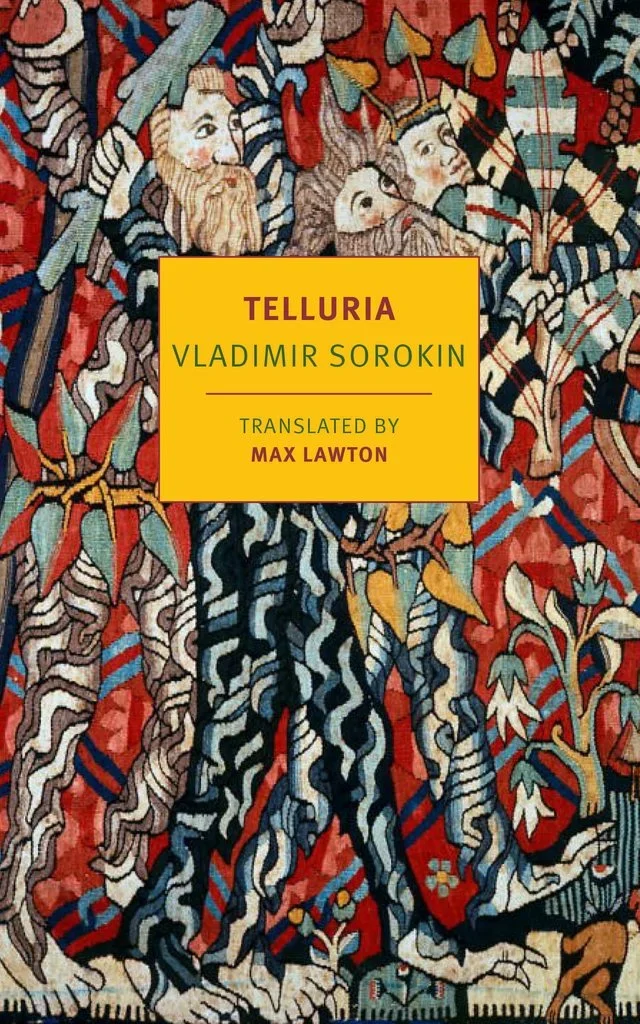
Fifty chapters, each in its own voice and style, map out a fragmented future Eurasia that revolves around a rare metal. A mosaic novel with no single hero.

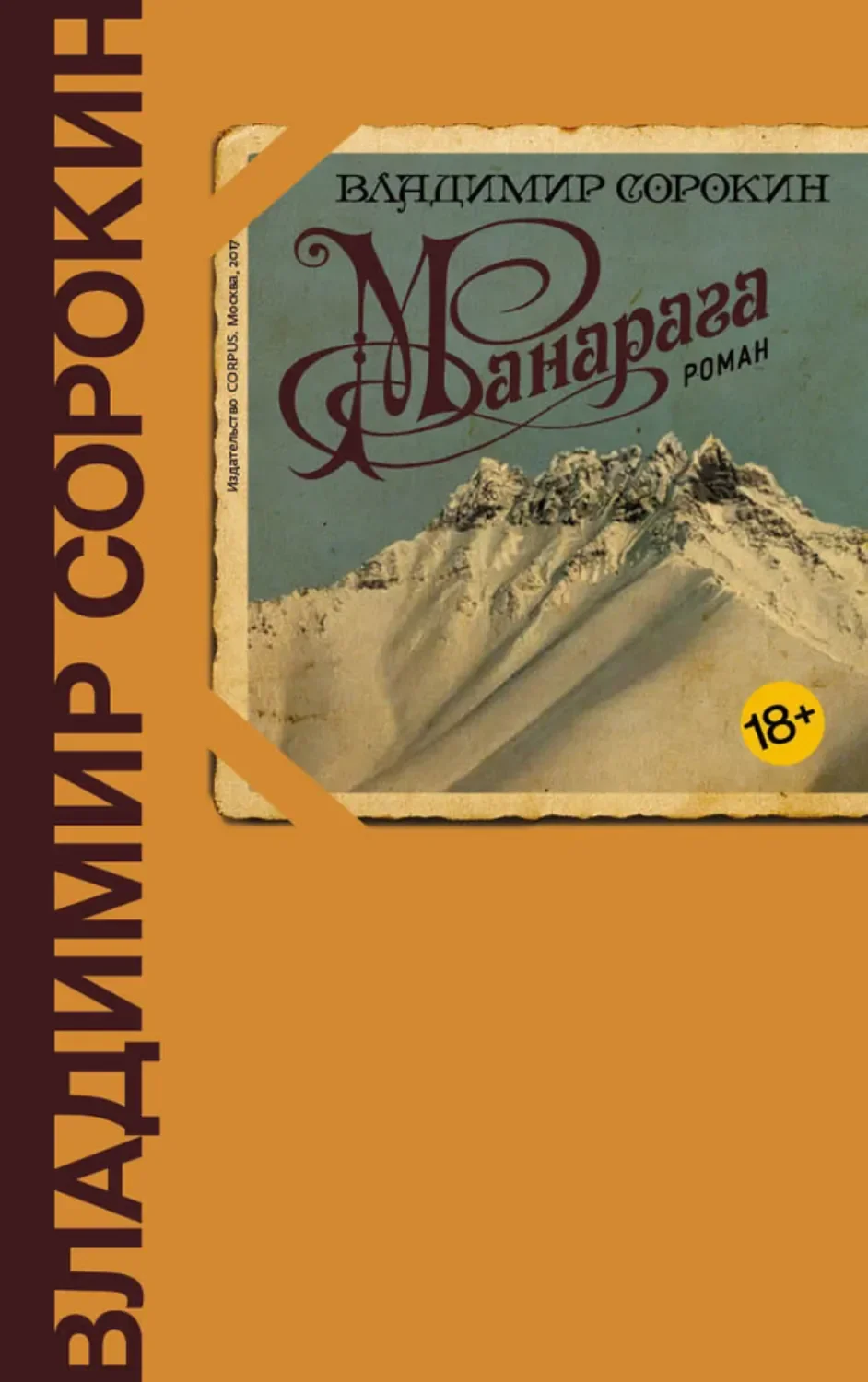
A near future where cooks of a secret guild prepare dishes over fires made of burning rare books. A novel about culture, memory and the price of the printed word.

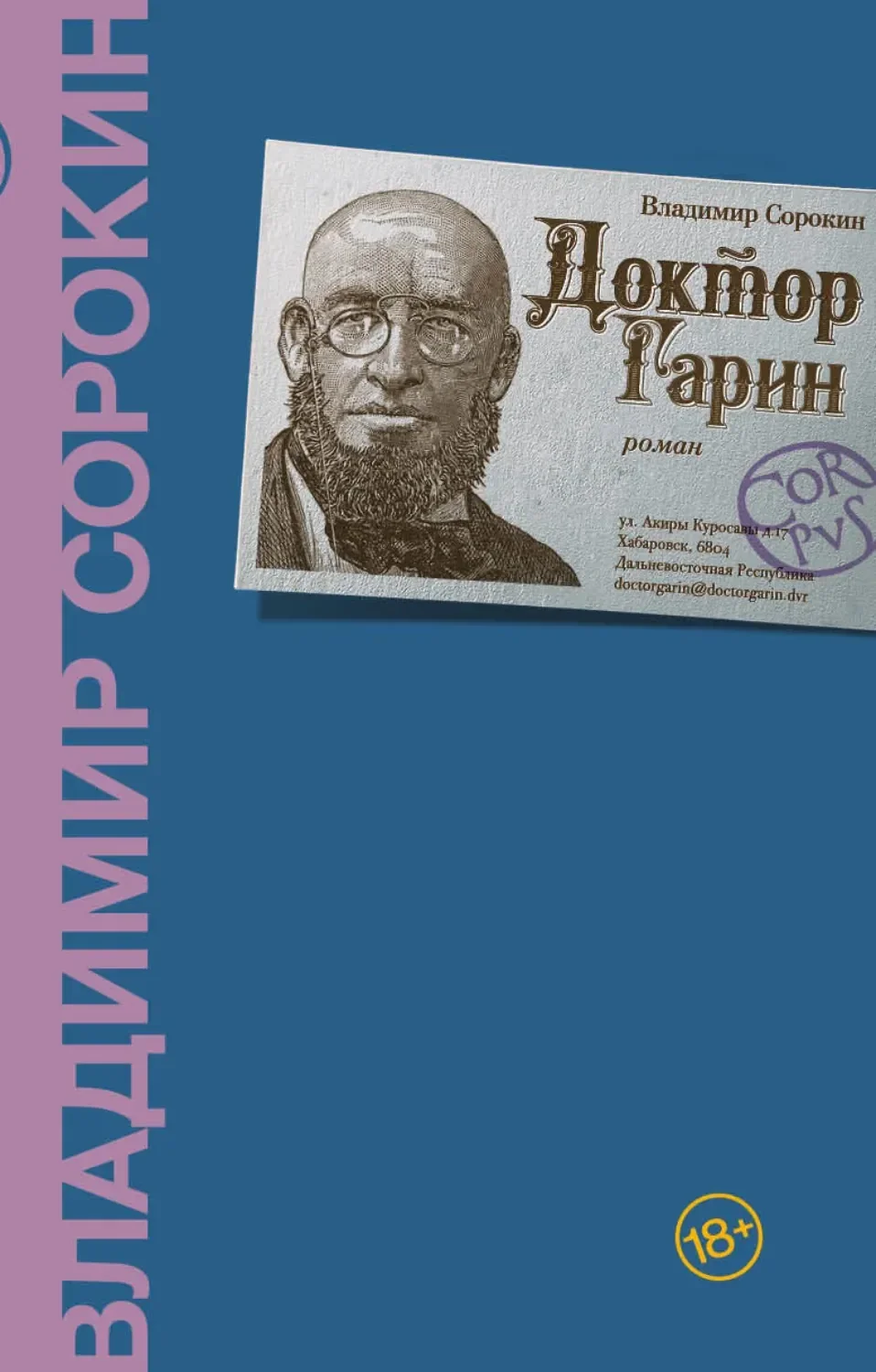
A continuation of The Blizzard: Doctor Garin years later, in a changed post-apocalyptic world. A large novel that draws together motifs from the writer's earlier books.

The final part of the Doctor Garin trilogy, carrying the line of The Blizzard and Doctor Garin to its end. A novel about the next stage of a world that has fallen apart.